
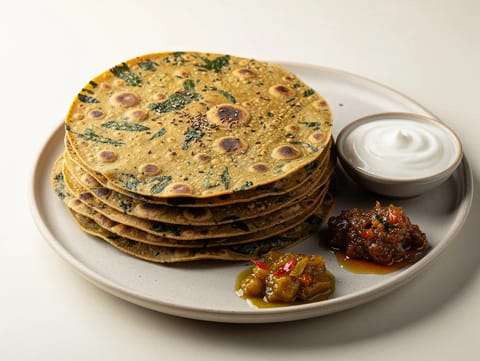
Methi Thepla with Yoghurt and Pickle
Fenugreek flatbreads made with yoghurt and spices

Vegetarian dinner favourites often succeed for the same reason: they’re easy to serve to a mixed group without anyone feeling they’ve been given the “alternative” option. The best ones have a clear centrepiece, generous flavour and a texture that holds up from kitchen to table.
This collection leans into crowd-friendly vegetarian mains, from bakes and pies to big pots and tray dishes. When you’re choosing, think about how the dish will be portioned, how long it can stand before serving, and what you’ll put alongside it to make the meal feel complete.
Many vegetarian favourites are built around familiar formats that naturally suit serving others. Oven-baked dishes, layered bakes and gratin-style mains portion neatly and stay warm while you get everyone seated. Pot dishes such as stews, curries and bean-based ragùs are forgiving, and they often taste more integrated after a short rest.
You’ll also find mains where the “centre” is a vegetable treated like a roast: cauliflower, squash or aubergine that’s browned and well-seasoned, often with a sauce or topping to add richness. Pasta bakes and risotto-style dishes can feel celebratory without being complicated, especially when finished with herbs, citrus, toasted nuts or a crisp salad on the side.
Fenugreek flatbreads made with yoghurt and spices
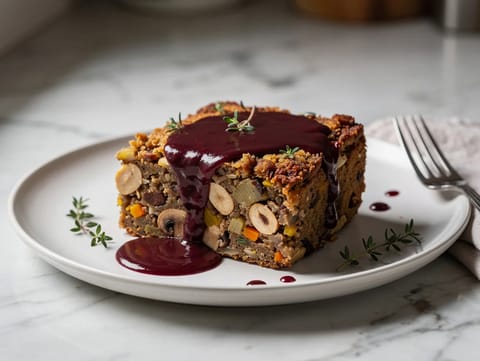
Sliceable nut roast with mushrooms, carrots and red wine gravy
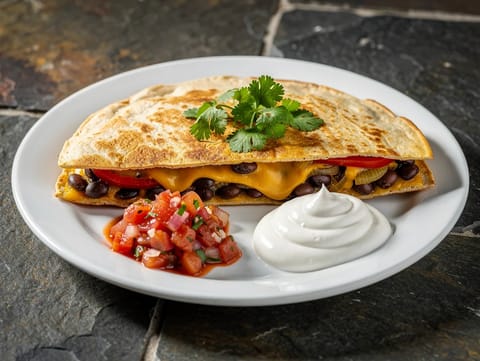
Crisp quesadilla with black beans, cheddar and peppers
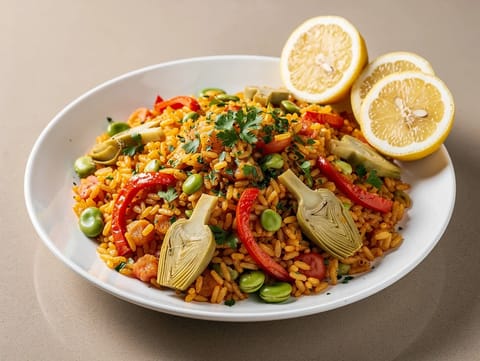
Vegetarian paella with saffron rice, artichokes and broad beans
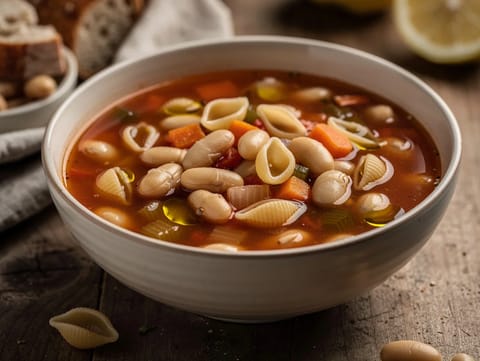
Italian vegan bean and pasta soup with tomatoes and herbs
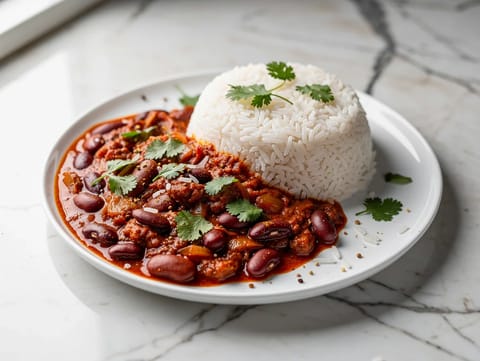
Red kidney bean curry in spiced tomato gravy with basmati rice
If you need a dish that can wait, choose something that holds its texture as it stands. Bakes, pies and casseroles are typically calmer for hosting because they don’t collapse the moment they leave the oven. Spoonable dishes can also work well, but they may thicken as they cool, so having a little extra sauce or a bright finishing element helps.
For a more “carve and serve” feel, look for mains that slice cleanly, such as well-set bakes or stuffed vegetables. If you’re feeding children and adults together, mild, cheesy or tomato-led flavours are often easier to pair with a punchier side or condiment for those who want more heat. Finally, consider equipment: a one-dish main frees up hob space for quick vegetables or a last-minute salad.
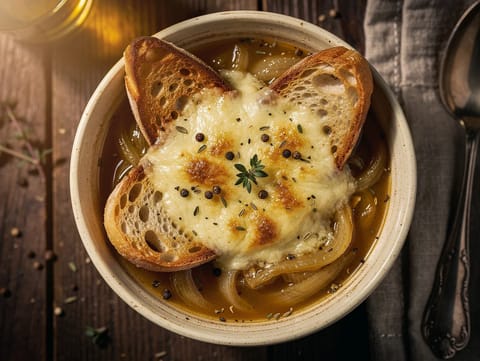
French onion soup gratin with Gruyère and baguette
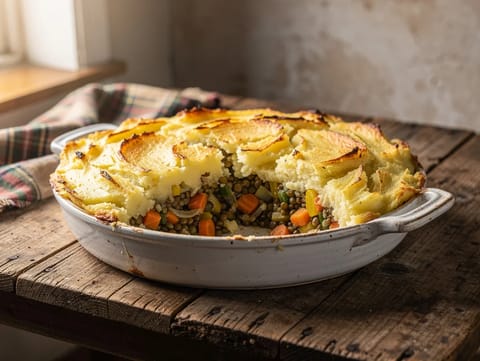
Vegetarian shepherd's pie with lentils and mashed potato topping
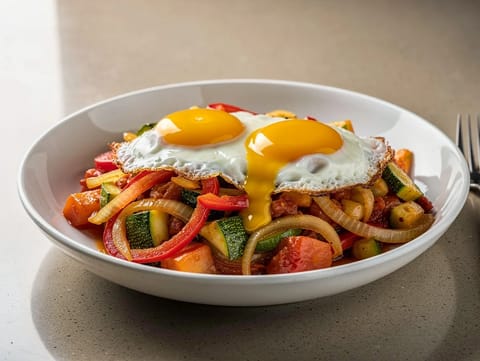
Spanish pisto with tomatoes, peppers, courgettes and fried eggs
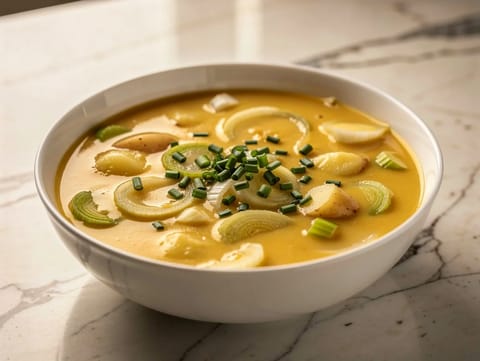
German vegetarian cheese soup with leeks and potatoes
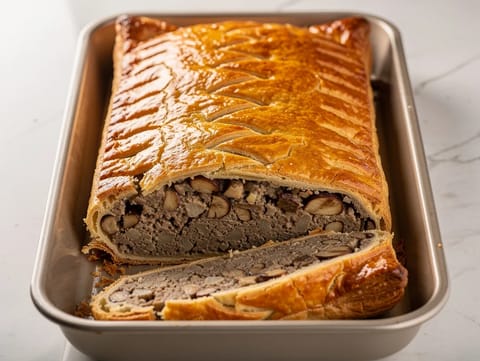
Mushroom and chestnut Wellington baked in crisp puff pastry
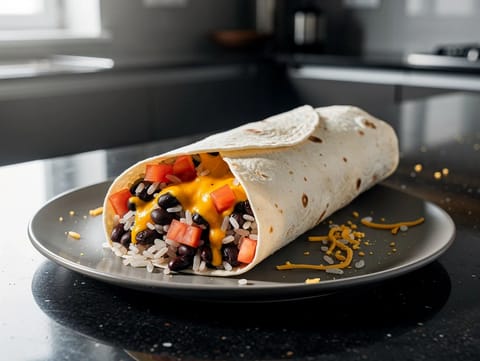
Vegetarian burrito with black beans, rice, salsa and cheddar
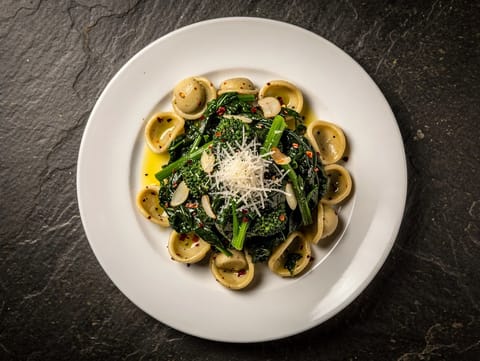
Orecchiette with broccoli rabe, garlic, chilli and pecorino
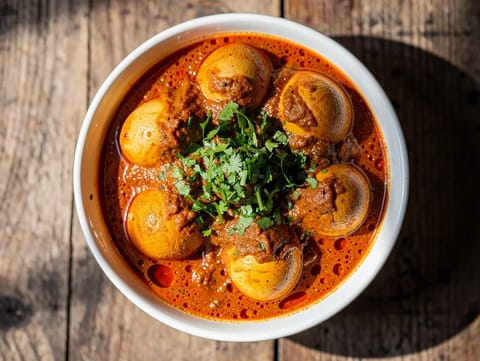
Egg curry in a spiced tomato and onion gravy
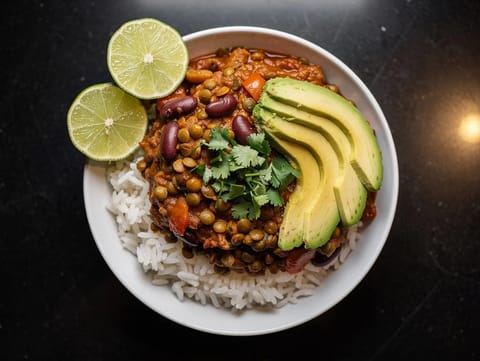
Lentil chilli over rice with avocado, coriander and lime
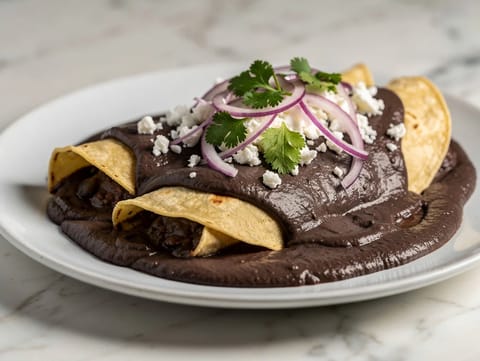
Corn tortillas dipped in black bean sauce with queso fresco
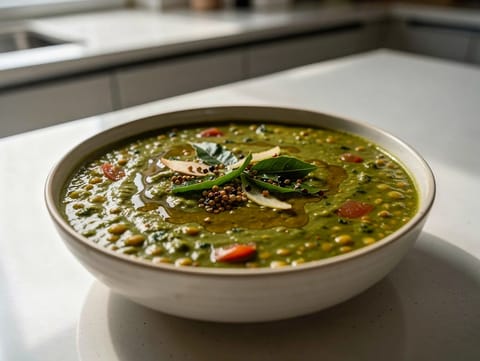
Spinach and yellow lentil dal finished with a spiced tempering
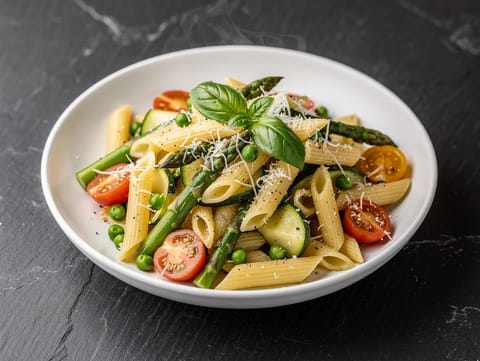
Pasta primavera with spring vegetables, lemon and Parmesan
A vegetarian main often benefits from one contrasting side rather than several competing dishes. If the main is rich and creamy, add something crisp and acidic, such as a green salad with a sharp dressing or a quick pickle. If the main is tomato-based or spicy, a cooling side with yoghurt, cucumber or herbs can steady the meal.
Think about starch. Some vegetarian mains already include pasta, rice or potatoes; in that case, keep sides vegetable-forward. If the main is mostly vegetables and sauce, adding bread, grains or a potato side can make the meal feel more anchored. For guests, a simple starter and a make-ahead dessert can keep the pacing relaxed, so the main course doesn’t have to do all the work.
Diet browsing can help you line up vegetarian dinner favourites with other dietary needs at the table, such as vegan or gluten-free choices. Cooking time is also useful when you’re hosting, since some mains are best made ahead while others need last-minute attention.
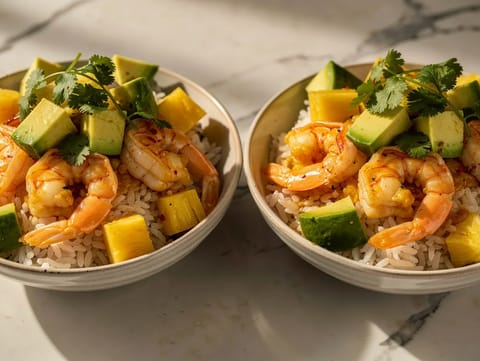
King prawns over coconut rice with pineapple and avocado
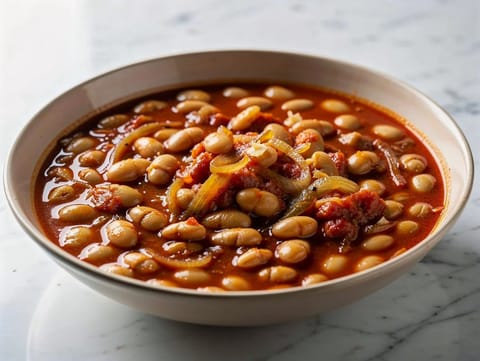
Moroccan white bean stew in a tomato sauce with cumin
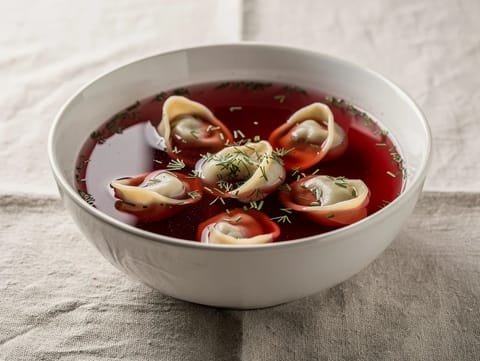
Clear beetroot soup served with mushroom-filled uszka dumplings
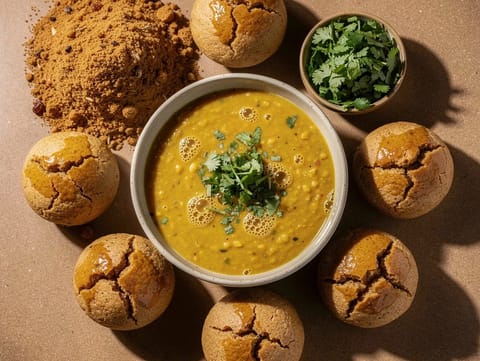
Spiced lentils with baked wholewheat dumplings and churma

Tender griddled pastries made with cream and lightly sweetened dough
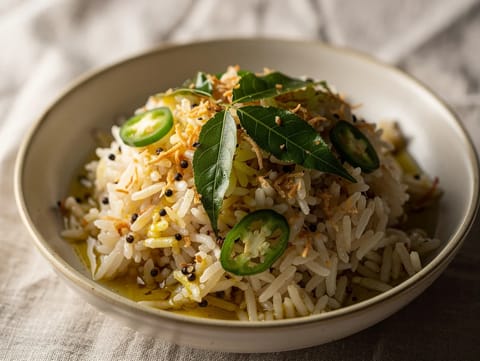
Coconut basmati rice with mustard seeds and curry leaves
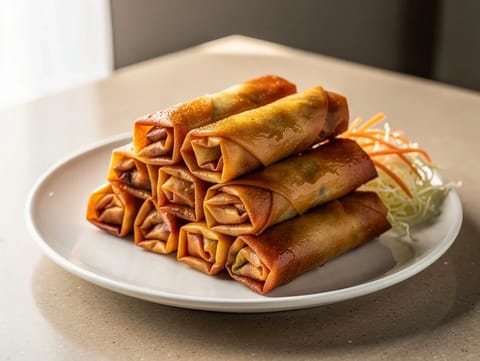
Crisp spring rolls filled with pork, cabbage and shiitake
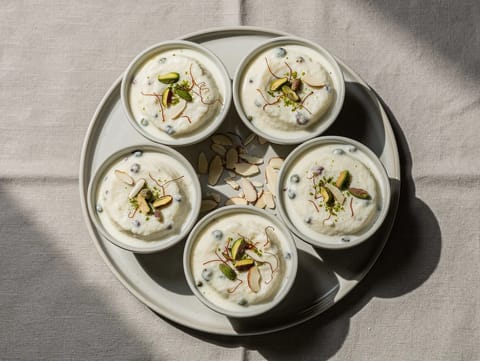
Slow-reduced milk dessert with cardamom, saffron, pistachios and almonds
Usually a combination of browning, seasoning and a clear serving format. A dish that slices, scoops or portions neatly, with a sauce or topping that adds richness, tends to read as a main rather than a side.
Many can. Bakes, stews and sauces often reheat well or hold warm without suffering, which is helpful when you’re feeding a group. The key is choosing dishes that don’t rely on last-second crispness.
Include a satisfying element such as cheese, eggs, beans, lentils, nuts or a starchy base. Texture matters too: a crunchy topping or a well-browned surface can make a dish feel more substantial.
No. Cheese is common because it adds salt and richness, but many vegetarian mains rely on legumes, vegetables, grains, herbs and spices instead. If you prefer lighter dairy, look for dishes where cheese is a finish rather than the foundation.
Crisp, sharp sides: salads with vinegar or citrus, sautéed greens, or pickled vegetables. They cut through creamy sauces and cheese-based bakes without adding more heaviness.
Choose a dish with bold flavour and a familiar format, and serve it with sides that everyone recognises. Optional condiments, such as chilli oil, herbs or grated cheese, let people adjust without needing separate meals.
Pick a vegetarian main that portions cleanly and can stand for a few minutes without losing its appeal. Then build contrast with one bright, crisp side and a simple starch if needed. That’s usually enough for a table that feels generous and complete.
