
Quiche Lorraine (French Bacon and Egg Tart)
Quiche Lorraine baked in shortcrust pastry until golden and just set
Brunch is at its best when the food can wait for people, not the other way round. Because arrivals are often staggered, recipes that hold their texture, stay appealing at room temperature, or can be finished quickly are especially useful. Brunch also sits between breakfast and lunch, so you can mix eggs and bakes with salads, soups or small plates, as long as the spread has a clear centre and a few lighter sides.
For a calm brunch, prioritise dishes with a clear make-ahead point. Baked items such as muffins, scones and tray bakes can be done earlier and served with butter, jam or fruit. Egg-based dishes vary: some are best straight from the oven, while others can be baked, rested and served warm without suffering too much.
Cold components are your safety net. Think yoghurt, fruit, chilled grains, or salads that can be dressed just before serving. If you want something hot and showy, choose one cooked-to-order element, such as pancakes or fried eggs, and keep everything else ready to go.
When planning, avoid a table full of foods that all demand the same last-minute attention, like multiple items that need flipping or frying.
Quiche Lorraine baked in shortcrust pastry until golden and just set
Brunch recipes often blend breakfast comfort with lunch-like structure. You’ll see sweet bakes and pancakes alongside savoury egg dishes, potatoes, and breads with toppings. Many brunch spreads also include something crisp and fresh, such as a salad, sliced vegetables, or fruit, to balance richer items.
Because brunch is a longer, more social meal, small plates work well: a slice of bake, a spoon of something creamy, a bite of something salty. Drinks can be part of the rhythm too, from coffee and tea to juices and brunch-style cocktails, depending on the occasion.
The most coherent brunch tables usually repeat a flavour thread, such as citrus and herbs, warm spices, or smoky and savoury notes, rather than trying to cover every possible craving.
Quiche Lorraine baked in shortcrust pastry until golden and just set
Start with one anchor dish that feels like the “main event”: a baked egg dish, a stack of pancakes, or a substantial bake. Then add two supporting directions: something fresh (fruit, salad, tomatoes, herbs) and something crunchy or toasty (bread, roasted potatoes, crisp toppings). This keeps the table from becoming a sea of soft textures.
If you’re serving both sweet and savoury, separate them slightly so flavours don’t blur. A sweet bake next to a bowl of fruit reads clearly; a savoury egg dish next to a sharp salad does the same.
Finally, think about serving temperature. A mix of hot, warm and room-temperature dishes makes timing easier and lets people eat at their own pace.
If you want brunch to lean towards a particular style, browsing by Cuisine can keep flavours consistent across the table. Dish type is useful when you know you want a specific anchor, such as pancakes, baked eggs or a salad-like side.
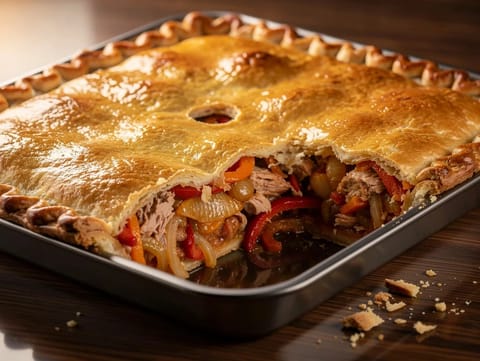
Galician tuna pie baked in olive-oil pastry
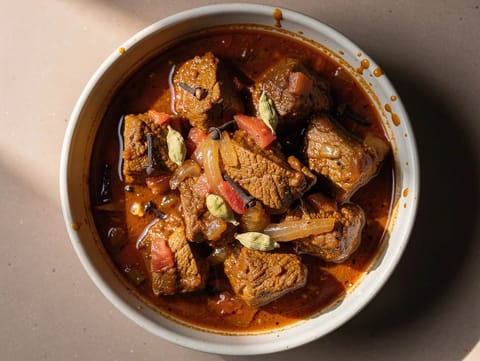
Goan-style pork vindaloo with vinegar, garlic and spices
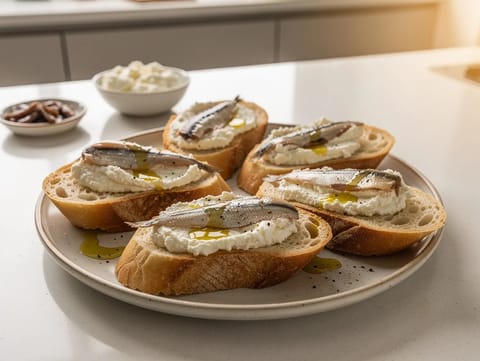
Garlic toast topped with ricotta, anchovies and lemon zest
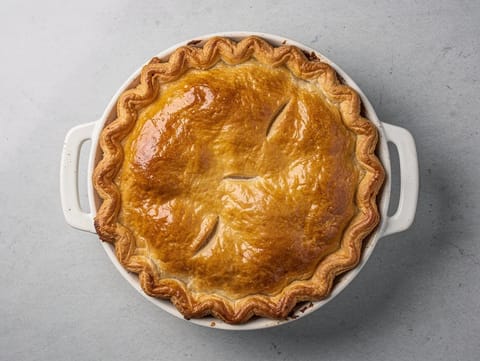
Chicken and leek pie with creamy sauce and puff pastry
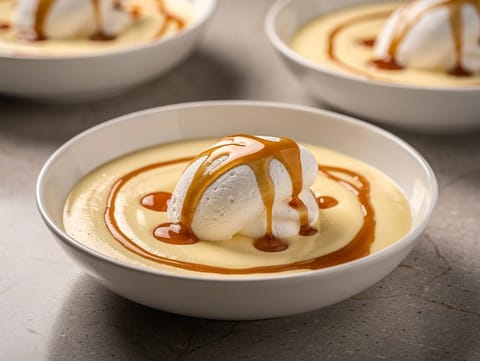
Poached meringue floating on vanilla custard with caramel
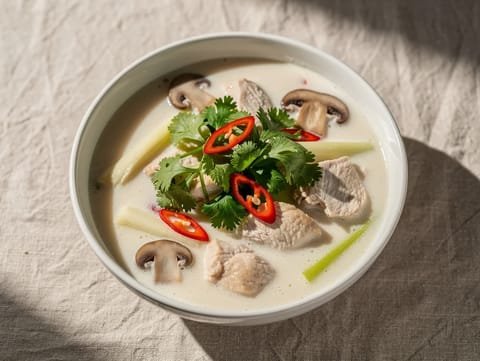
Thai coconut soup with chicken, galangal and mushrooms
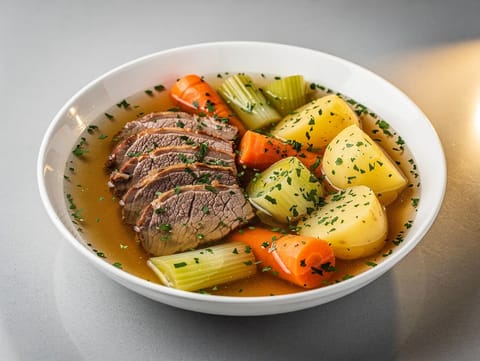
French simmered beef with vegetables in a clear broth
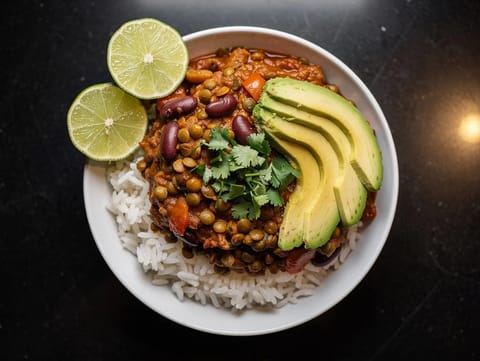
Lentil chilli over rice with avocado, coriander and lime
Brunch recipes often serve more easily to a group and tolerate a longer serving window. They may be baked, sliceable, or designed to sit warm or at room temperature without losing their appeal.
Choose mostly make-ahead or room-temperature dishes, and limit yourself to one cooked-to-order item. Set out drinks and cold components first, then finish the hot element when most guests have arrived.
Either works. A mixed table can feel balanced if you keep a clear anchor and add freshness. If you go all-sweet or all-savoury, include contrast through fruit, herbs, citrus or something crisp.
One anchor dish, one fresh side, and one bread or potato element is a reliable framework. It gives variety without creating lots of last-minute tasks.
Some do, some don’t. Baked egg dishes often hold better than delicate scrambled eggs. If a recipe relies on very soft curds or runny yolks, plan to serve it promptly for the intended texture.
Brunch planning is mostly about timing and texture. Choose one centrepiece, build in freshness and crunch, and rely on dishes you can make ahead so you can sit down and eat while everything still feels deliberate.
