
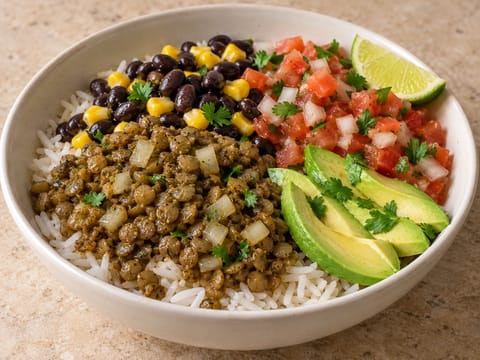
Mexican Lentil Bowl with Rice, Salsa and Avocado
Lentil and rice bowl with salsa, avocado and lime dressing
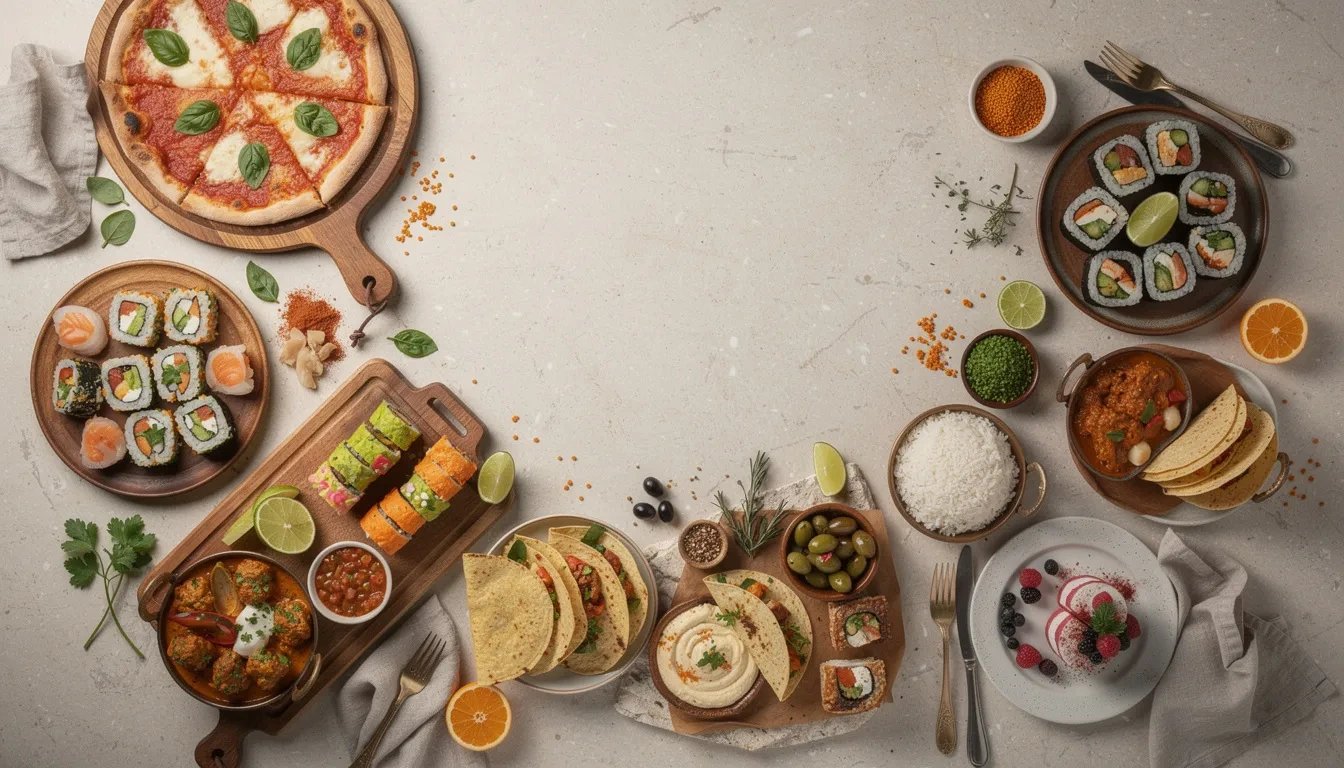
Mexican cooking is built on a few powerful foundations: maize in the form of tortillas and masa, beans and chillies, and a strong tradition of salsas that bring freshness and bite. From there, regional styles vary widely, from coastal seafood to slow-cooked meats and complex sauces.
Use this page to get your bearings, then choose recipes by the building blocks you want to cook with, such as a salsa, a tortilla-based dish, or a long-simmered stew.
Many Mexican meals are assembled from components. A taco, for example, is as much about the tortilla and salsa as it is about the filling. When choosing a recipe, notice whether it asks you to make a salsa, pickle onions, warm tortillas properly, or prepare beans, because those steps often define the final flavour and texture. A simple grilled or braised filling can taste completely different depending on whether it is paired with a bright, raw salsa, a smoky chilli sauce, or a creamy element such as avocado.
Lentil and rice bowl with salsa, avocado and lime dressing
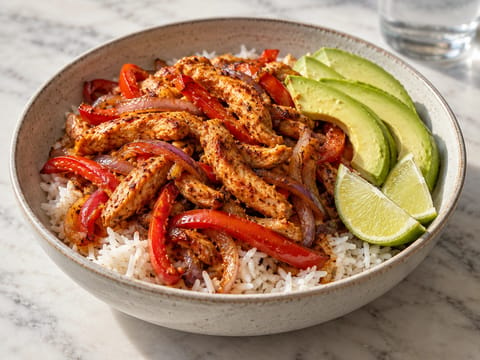
Spiced chicken fajita bowl with peppers, rice and avocado.

Soft conchas with a crackly vanilla sugar topping
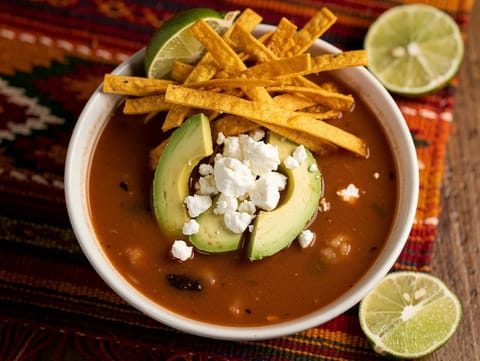
Tomato and chipotle tortilla soup topped with avocado and lime
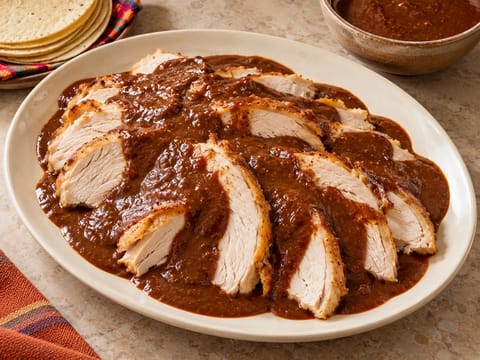
Roast turkey served with traditional mole sauce and dark chocolate
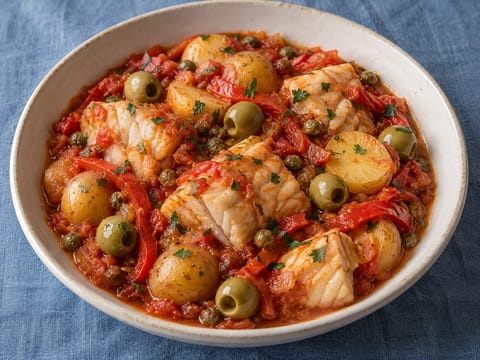
Salt cod stew with potatoes, olives and capers
Maize is central, whether as tortillas, tostadas or masa-based doughs, and it brings a distinct, slightly sweet grain flavour that wheat does not replicate. Beans add substance and a gentle earthiness that balances chilli heat. Chillies are used for more than spiciness: different types contribute fruitiness, smokiness or bitterness, and they may be used fresh, dried, toasted or soaked. Tomatoes and tomatillos often form the base of salsas and sauces, with lime and coriander adding lift. If a recipe specifies a chilli, it is usually worth following, because substitutions can change both heat and flavour character.
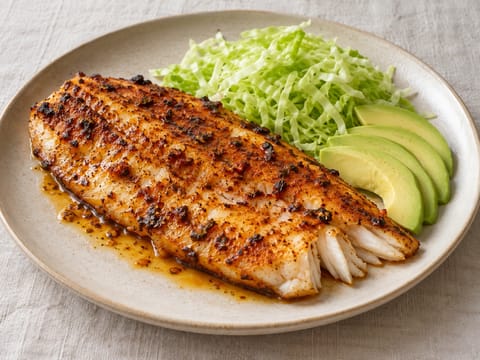
Grilled white fish with chilli, citrus, garlic and oregano
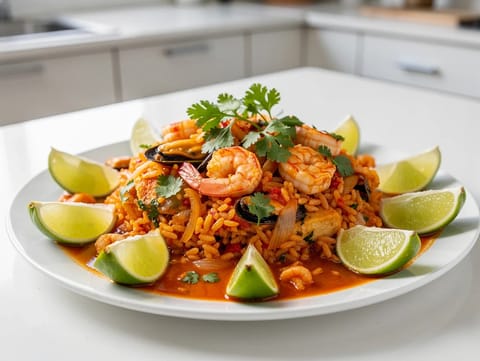
Tomato rice finished with mixed seafood, coriander and lime
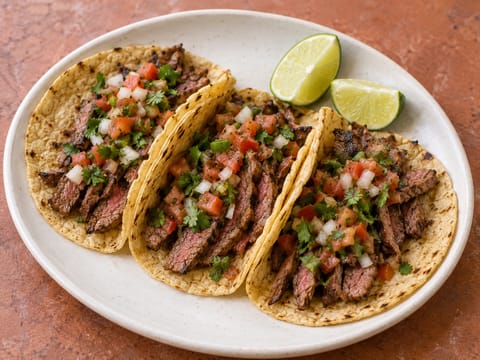
Grilled steak tacos with onion, coriander and tomato salsa
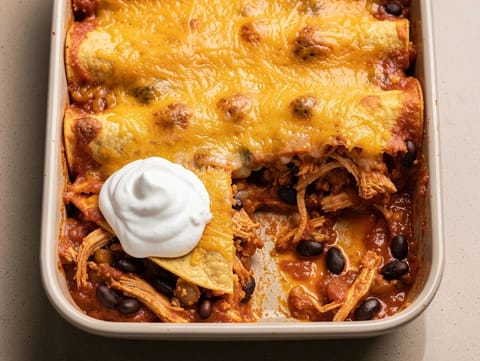
Enchilada casserole with chicken, black beans and melted Cheddar
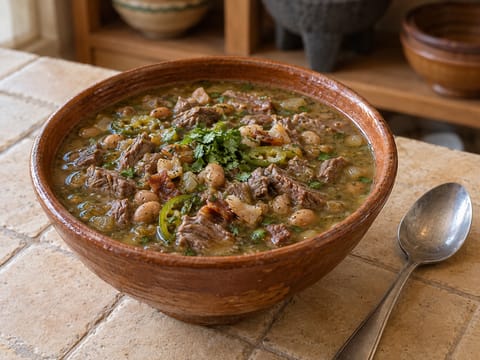
Jalisco beef stew with bacon, tomatillo broth and beans
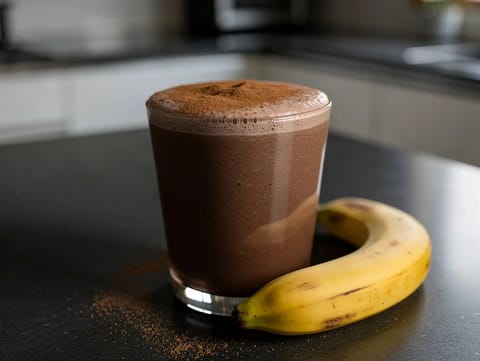
Banana smoothie blended with cocoa, cinnamon and chilli.
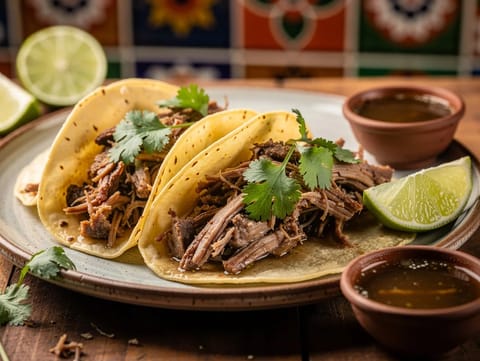
Slow-cooked lamb tacos served with a rich dipping consommé

Warm guava atole thickened with masa harina and milk
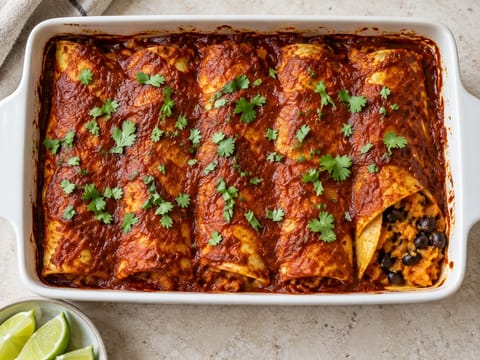
Baked enchiladas with black beans, sweet potato and chipotle
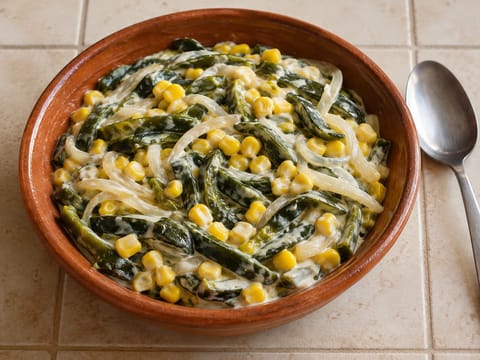
Poblano strips warmed with sweetcorn and Mexican crema
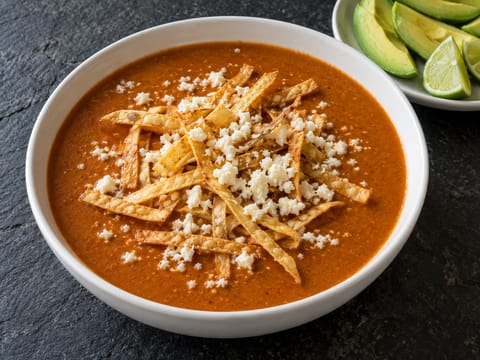
Bean and tomato soup topped with tortilla strips and cheese
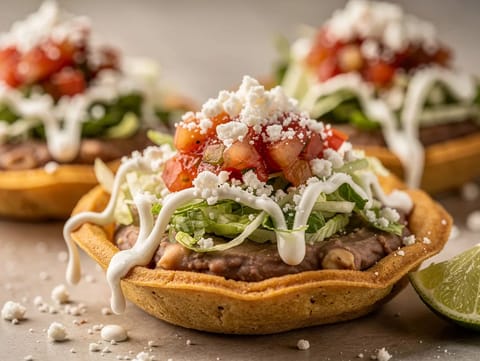
Thick masa cakes topped with beans, lettuce, salsa and cotija
Mexican recipes often develop flavour through dry heat. Charring tomatoes, onions and chillies deepens sweetness and adds smokiness, while toasting dried chillies and spices can make sauces taste fuller and less raw. Long, gentle cooking is also common, especially for beans and braised meats, where time turns simple ingredients into a cohesive filling. Tortillas benefit from proper warming, which makes them pliable and brings out their aroma. Even when a recipe is quick, it often relies on one deliberate technique, such as a hot comal-style pan or a well-balanced salsa, to make it taste complete.
Mexico’s regional cuisines reflect local ingredients and histories, so it is normal to see very different dishes under the same broad label. Coastal cooking may lean towards seafood and citrus, while inland dishes can feature slow-cooked meats, beans and maize-based staples. It is also useful to distinguish Mexican cooking from Tex-Mex and other Mexican-inspired styles, which may use different cheeses, spice blends and formats. None of these approaches is inherently “more” or “less” flavourful, but they do taste different, so reading the ingredient list and method helps you choose what you are actually craving.
If you want to cook a specific format, browsing by Dish helps you focus on tacos, enchiladas, soups, salsas or rice-and-bean staples. For a more ingredient-led route, Ingredient is useful when you have tortillas, beans, tomatoes or a particular chilli to use up.

Butter-toasted rolls filled with creamy lemony lobster
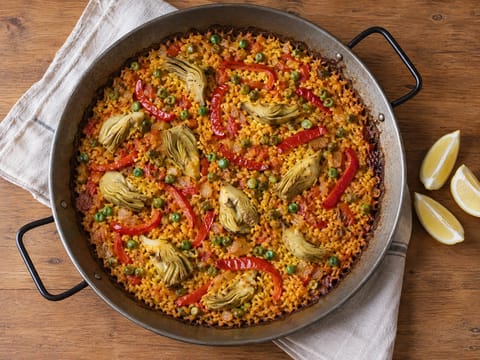
Vegetarian paella with saffron rice, artichokes, peppers and peas

Small French almond cakes made with brown butter
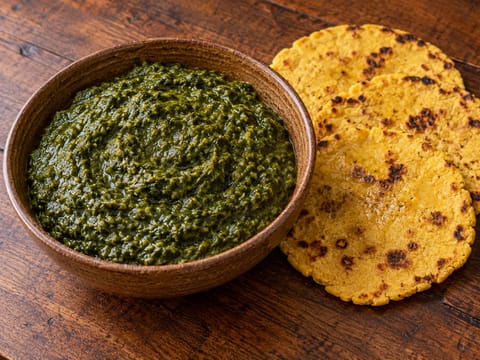
Mustard greens and spinach curry served with maize flatbread
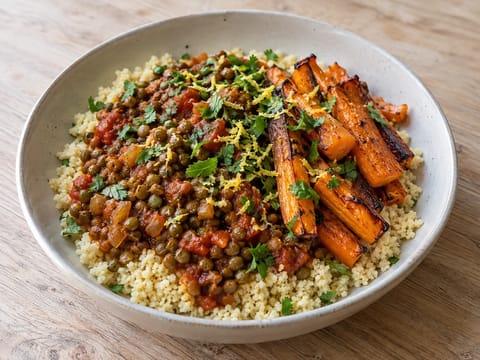
Lentil bowl with couscous, roasted carrots and lemon dressing
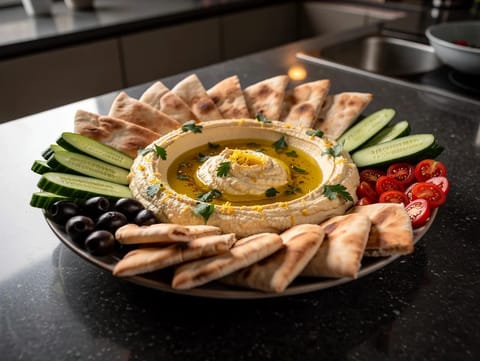
Hummus platter with spiced olive oil, pitta and vegetables
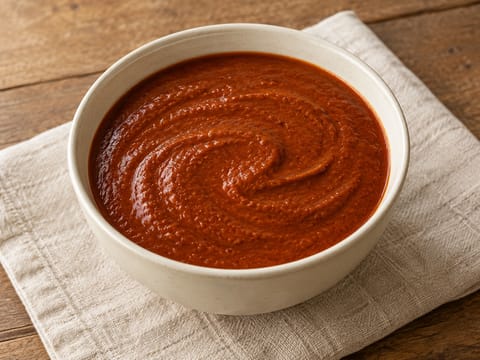
Thick red pumpkin seed sauce with dried chillies and tomato
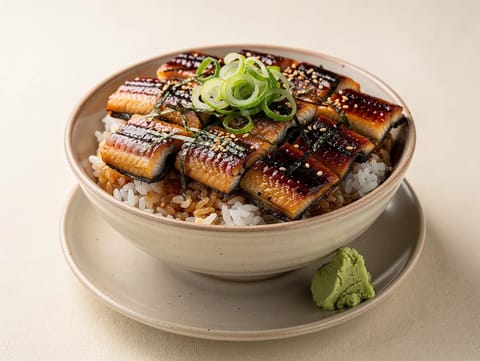
Glazed grilled eel over rice served with green tea
No. Chillies are common, but they are used for aroma and depth as well as heat, and many dishes are mild. Heat is often adjustable at the salsa or condiment stage.
Salsa is often the main source of freshness, acidity and chilli character. It can be raw and bright or cooked and smoky, and it frequently determines whether a dish tastes light, rich, sharp or deep.
Charring adds smokiness and a slight bitterness that balances sweetness and acidity. It also softens raw edges in onions and chillies, which can make blended sauces taste rounder.
In many dishes it is a key ingredient with its own flavour and texture. Warming it properly improves pliability and aroma, and the choice between maize and wheat changes the overall taste.
Mexican-inspired recipes often borrow familiar formats and flavours but use different cheeses, spice blends or pantry ingredients. A recipe tied to a specific dish name or technique usually gives more precise cues about chillies, masa, or sauce preparation.
Mexican cooking rewards a component mindset. Pick a foundation such as tortillas, beans or a salsa style, then choose a filling and a finishing element that balance it. Small choices, like charring or using the right chilli, make a big difference.
