
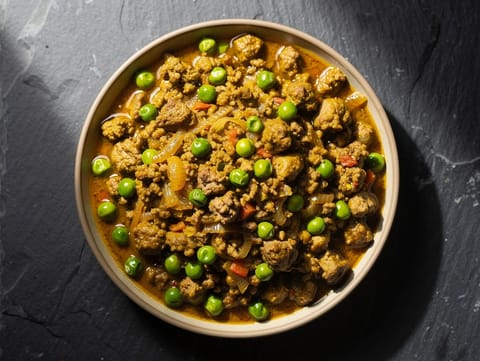
Keema Matar (Minced Lamb Curry with Peas)
Minced lamb and pea curry simmered in onion and tomato masala
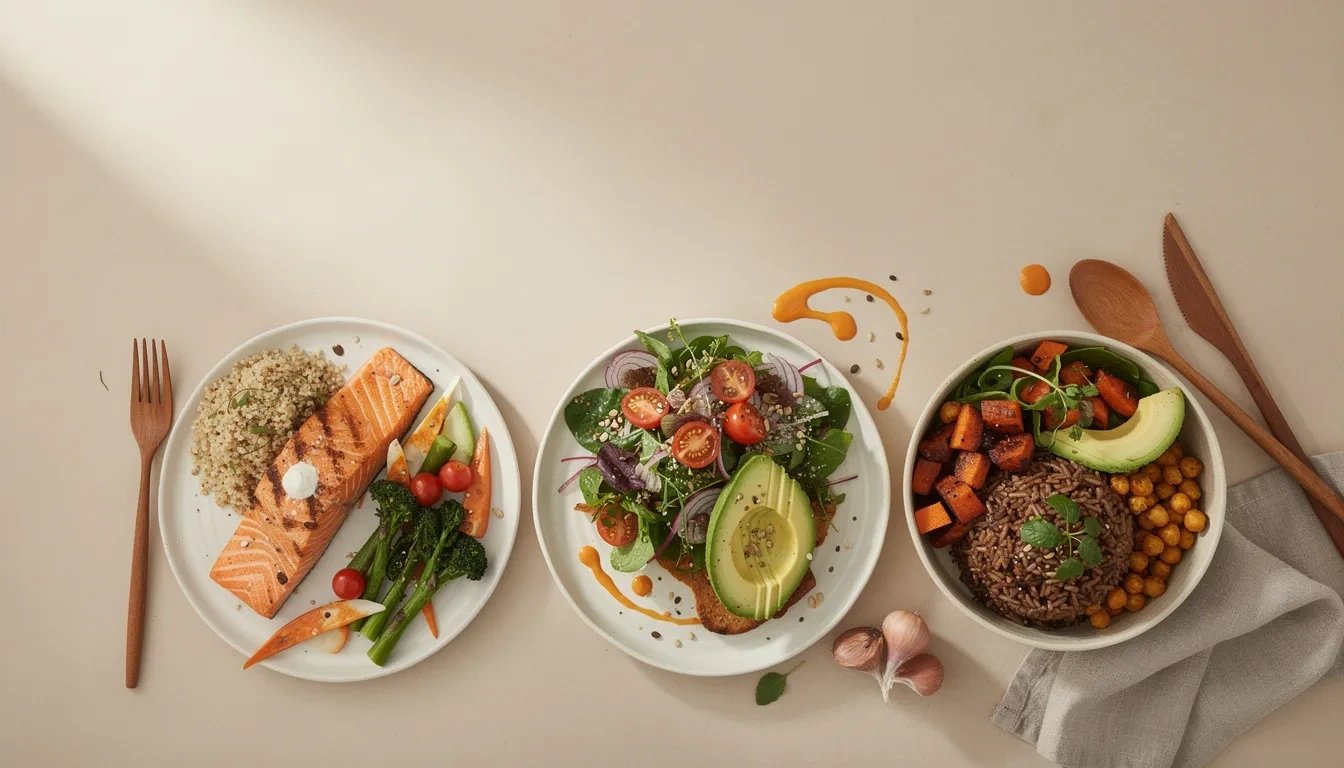
High-protein recipes are built around ingredients that contribute a substantial share of the dish’s substance, not just a garnish. That might be animal proteins such as eggs, fish or lean meats, or plant options such as beans, lentils, tofu and some grains. The practical challenge is that protein choices affect texture and cooking: they can dry out, tighten, split or turn chalky if handled roughly. This guide focuses on sensible swaps and checks so you can keep the dish balanced while nudging the protein higher.
A high-protein recipe is one where protein-rich ingredients are central to the dish. In everyday cooking that often means a clear protein component (for example, eggs, poultry, fish, meat, yoghurt-style ingredients, tofu or legumes) and a supporting cast that does not dilute it too much.
The label does not automatically mean low-carb, low-fat or suitable for every dietary approach. It also does not guarantee a specific protein amount, because portion size and ingredient brands can change the final numbers. From a cook’s perspective, it is more useful as a browsing cue: expect recipes where the main cooking decisions involve how to season, cook and keep a protein tender, and how to pair it with vegetables, grains or sauces without turning it heavy.
Minced lamb and pea curry simmered in onion and tomato masala
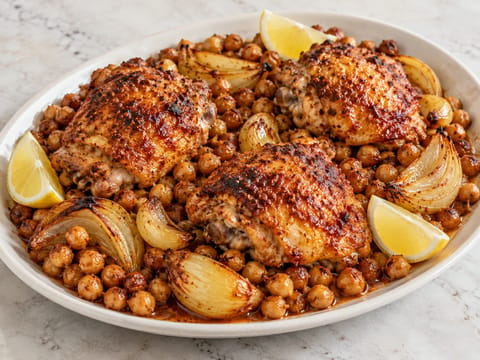
Harissa roasted chicken thighs with chickpeas
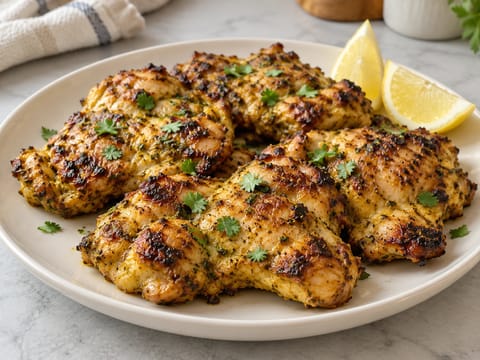
Yoghurt-marinated chicken cooked in the air fryer until charred.
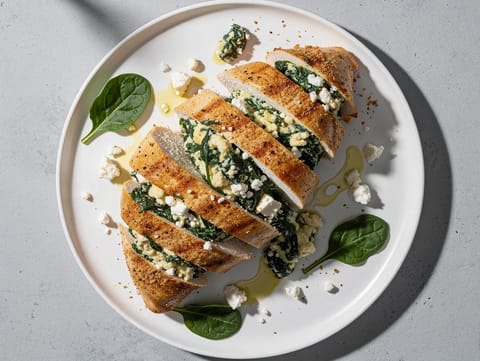
Chicken stuffed with spinach and feta, cooked in the air fryer.
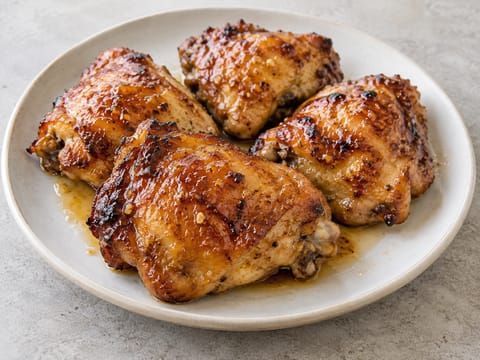
Air fried chicken thighs coated in honey Dijon mustard glaze.
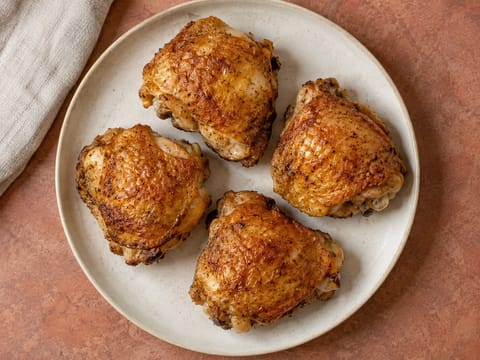
Crispy chicken thighs air-fried with baking powder and paprika.
The most reliable approach is to swap like with like in terms of moisture and structure. If a recipe uses minced meat, you can sometimes replace part of it with cooked lentils or finely chopped mushrooms for a different balance, but the mixture may need firmer seasoning and careful cooking so it does not turn wet. If a dish relies on eggs for setting, adding extra egg whites can increase protein, but it can also make the texture firmer and less rich.
For plant-based boosts, beans and lentils add body as well as protein, which suits soups, stews and salads. Tofu and tempeh take on marinades well, but they need enough heat to brown and drive off surface moisture. Dairy-style proteins (where used) can add creaminess, but they may split if boiled hard, so gentle heat matters.
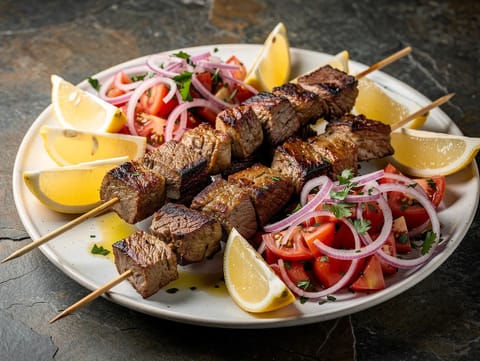
Grilled Moroccan lamb skewers with tomato and red onion salad
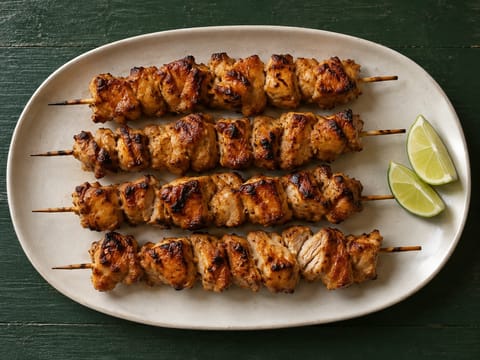
Grilled chicken skewers marinated with orange, lime and cumin
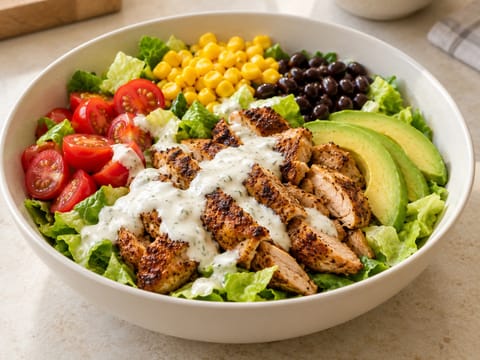
Chipotle chicken salad with black beans, sweetcorn and lime yoghurt
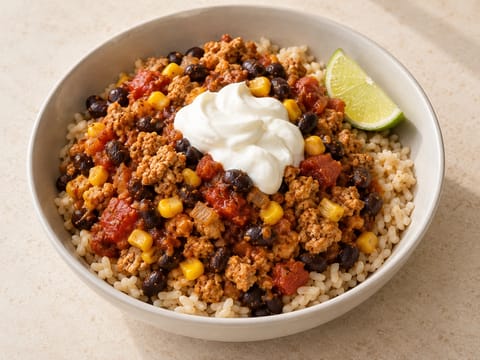
Turkey taco bowl with brown rice, black beans and yoghurt
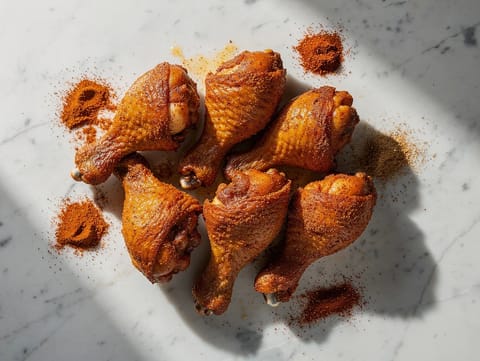
Cajun chicken drumsticks cooked crisp in the air fryer.
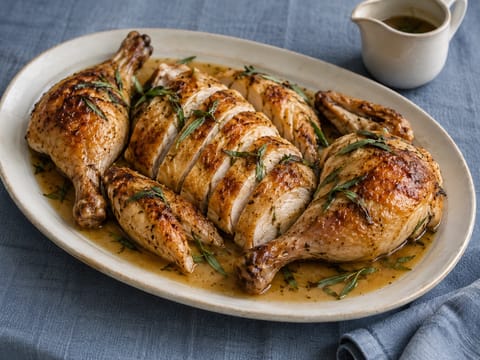
Roast chicken with garlic, lemon and tarragon jus
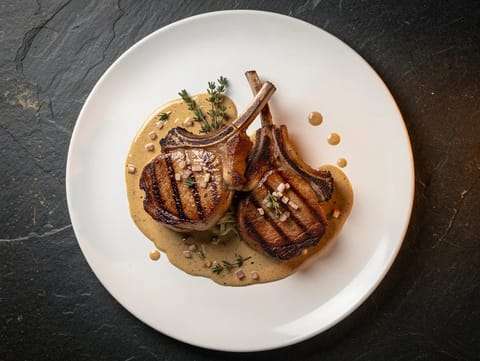
Grilled pork chops served with a Dijon mustard and shallot sauce
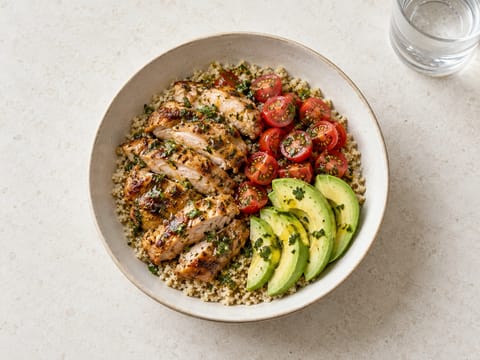
Herb chicken bowl with quinoa, avocado and lime
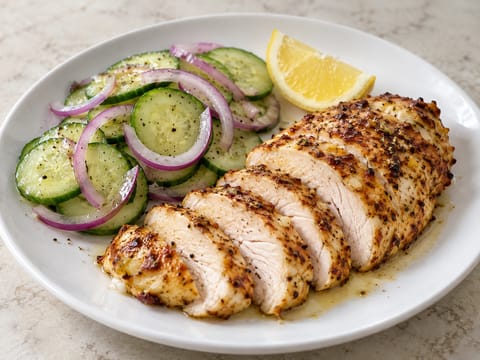
High protein air-fried yoghurt-marinated chicken with cucumber salad.
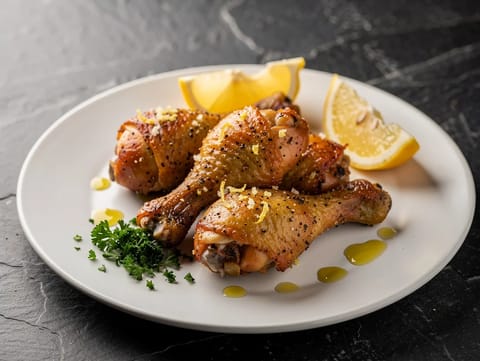
Crisp air fryer chicken drumsticks with lemon and black pepper.
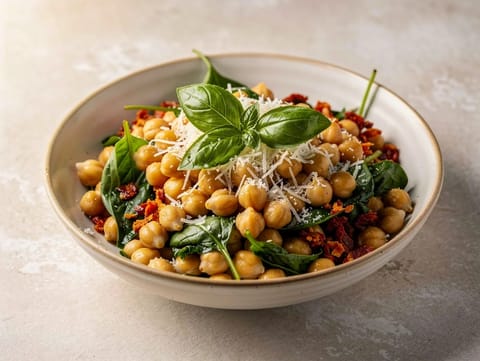
Chickpea bowl with sun-dried tomatoes, spinach and Parmesan
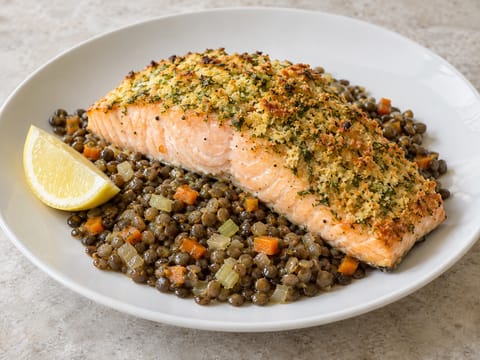
Herb-crusted salmon served over Dijon and lemon Puy lentils
Many common protein boosters are also major allergens, including eggs, fish, shellfish, milk and soy. If you are cooking for someone with allergies, treat “high protein” as a starting point rather than a guarantee, and check every ingredient list.
Packaged high-protein products can also contain unexpected additions such as wheat-based thickeners, sweeteners or flavourings, depending on brand. If you are relying on powders, bars or ready-made shakes in cooking, read labels carefully and consider whether the product behaves well when heated, as some can clump or taste bitter when cooked.
Ingredient pages are particularly helpful for high-protein cooking because the choice between eggs, legumes, tofu, fish or lean meats changes both technique and texture. If allergies are part of the picture, the Allergens categories can help you narrow down protein options more cautiously before you start adapting recipes.
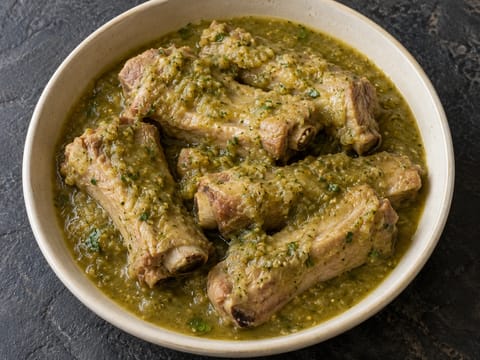
Tender pork ribs in tomatillo and jalapeño salsa verde
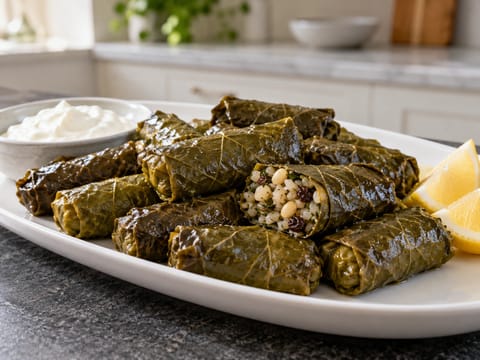
Grape leaves stuffed with herby rice, pine nuts and currants
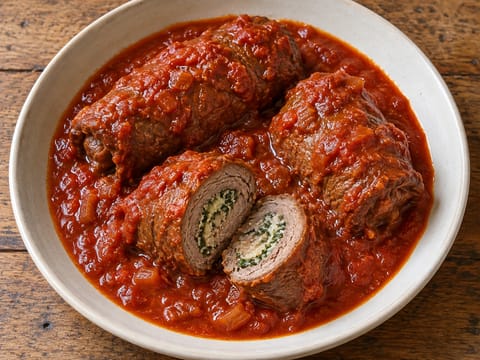
Beef rolls braised in tomato sauce with garlic and Parmesan
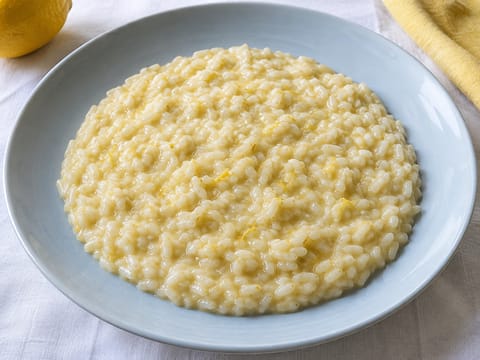
Creamy lemon risotto finished with butter and Parmigiano
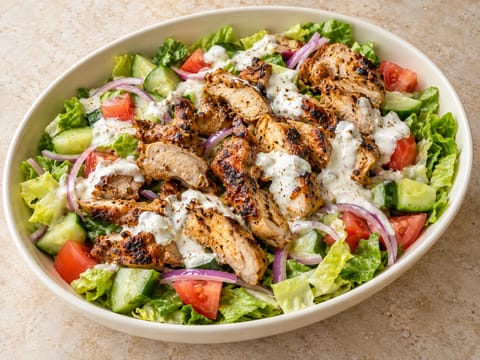
Grilled chicken kebab salad with lemon yoghurt dressing
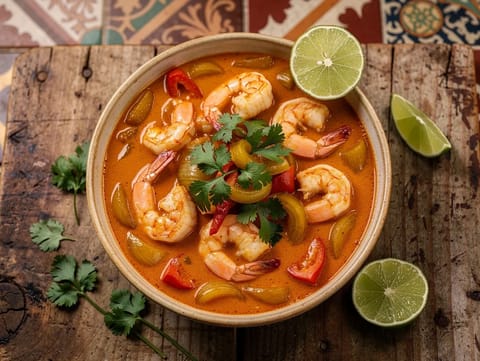
Brazilian prawn stew simmered in coconut milk and tomatoes
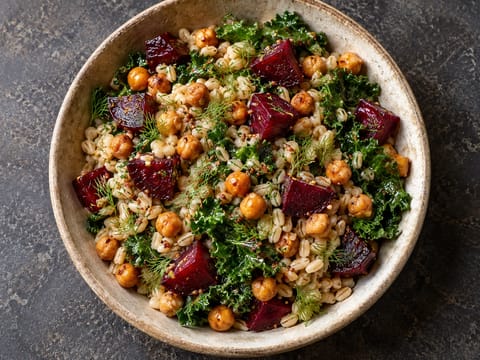
Vegan barley bowl with beetroot, kale and crispy chickpeas
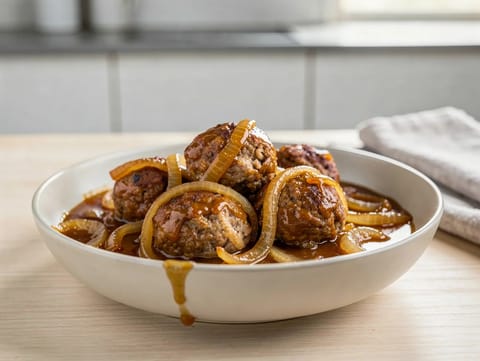
Liège meatballs simmered in sweet-sour onion sauce
No. A high-protein dish can still include grains, pasta, bread or starchy vegetables. The label is about emphasis, not a strict carbohydrate limit.
Beans, lentils, chickpeas, tofu, tempeh and some whole grains and seeds are typical options. They each bring different textures and cooking needs.
Lean proteins have less fat to buffer heat. Overcooking tightens the muscle fibres and squeezes out moisture, so timing and gentle heat make a noticeable difference.
Sometimes, but it can make batters thicker and baked goods drier or more rubbery. It is usually safer to use a recipe developed with that ingredient rather than adding it freely.
Not directly. Tofu has a different water content and structure, so it benefits from pressing, marinating and high-heat cooking to develop flavour and texture.
They can contribute some protein, but they also add fat and a distinct flavour. They work best where that richness makes sense, such as in salads, sauces or baking.
High-protein cooking is easiest when you decide what your main protein will be, then pick a recipe that suits its behaviour, whether that is quick searing, gentle poaching or slow simmering. Small, thoughtful swaps can raise protein, but they work best when they respect the dish’s texture and moisture.
