

Tinto de Verano (Red Wine Spritzer)
Red wine spritzer with lemonade, lemon and ice
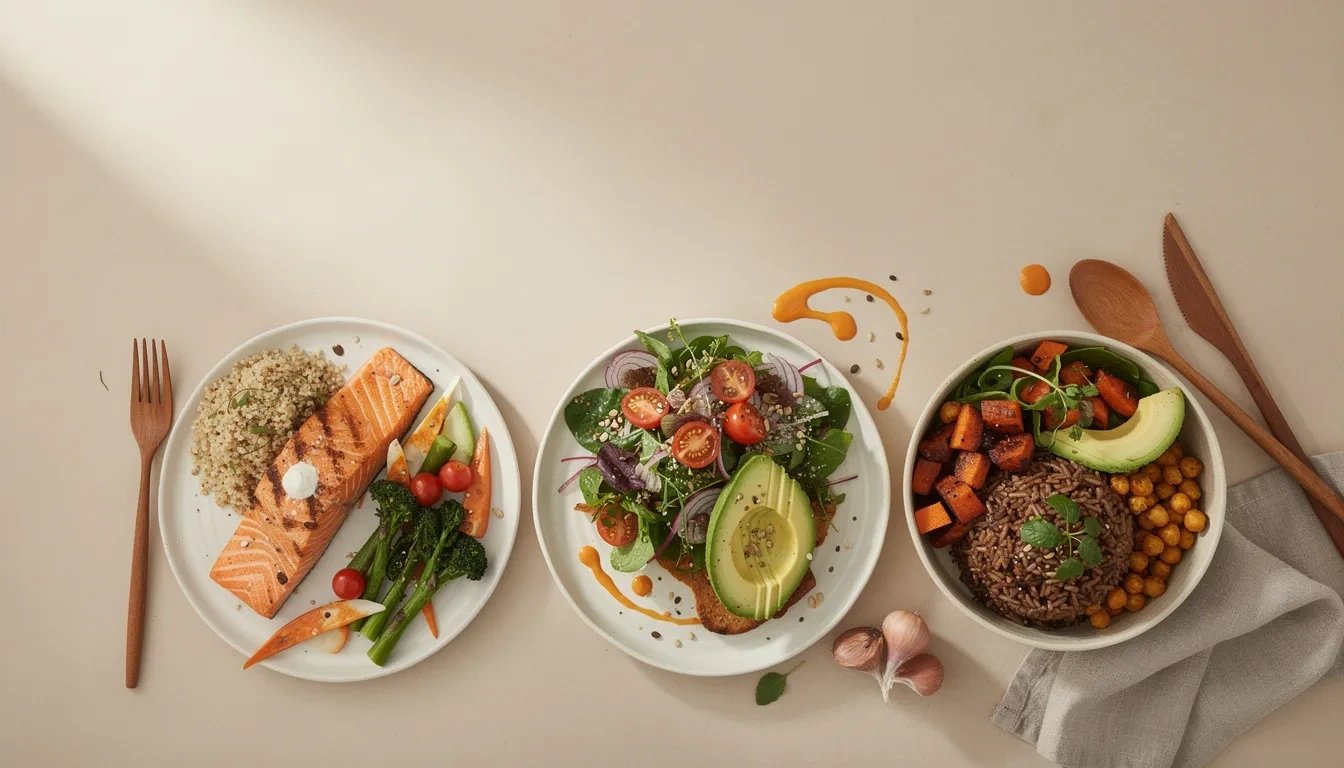
Vegan cooking avoids animal-derived ingredients, which makes the ingredient list the main point of control. The obvious checks are meat, fish, eggs and dairy, but many near-misses come from smaller additions: butter brushed on bread, whey in snacks, egg in pasta, or honey in dressings. This page sets out what the vegan label covers, where animal ingredients commonly hide, and the kinds of substitutions that keep a recipe’s texture and structure intact rather than simply removing ingredients.
A vegan recipe is made without meat, fish, shellfish, dairy, eggs and other animal-derived ingredients. In everyday cooking, the practical challenge is that animal products are used in different roles: eggs set custards and bind batters; dairy adds richness and browning; gelatine sets some desserts; and cheese can be both seasoning and structure.
Vegan also does not automatically mean a recipe is free from other allergens such as nuts, sesame, soy or gluten. Many vegan staples rely on these ingredients for protein and texture. Treat vegan as one clear boundary, then make separate decisions for any additional needs in your kitchen.
Red wine spritzer with lemonade, lemon and ice
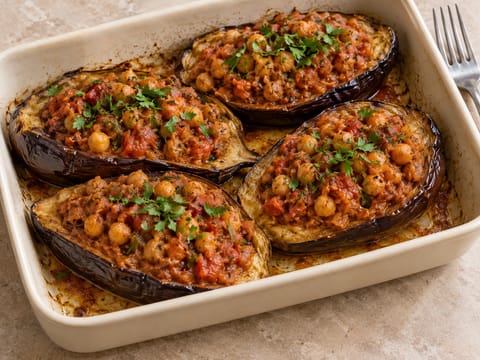
Roasted aubergines stuffed with spiced chickpeas in tomato sauce
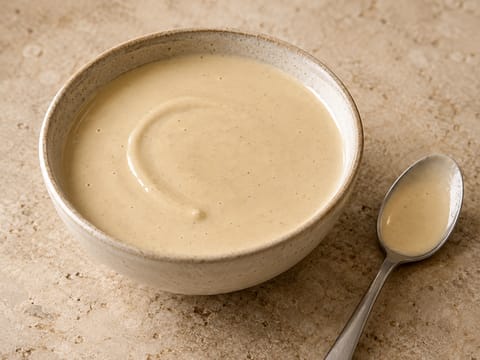
Smooth tahini sauce with lemon, garlic and water
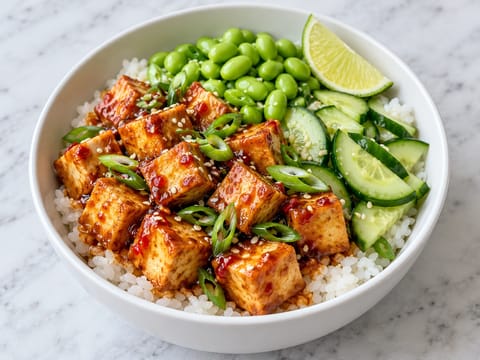
Sweet chilli tofu poke bowl with sushi rice and edamame.
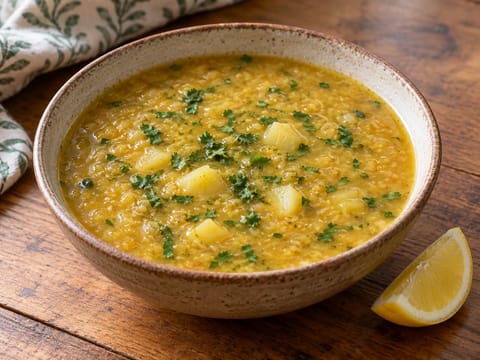
Lebanese red lentil and lemon soup with potato
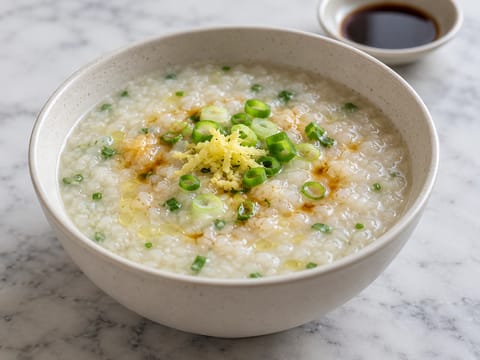
Creamy jasmine rice congee with ginger and spring onion
When you are selecting vegan recipes, it helps to think about what would otherwise be doing the heavy lifting. For creamy textures, look for recipes built around blended vegetables, pulses, coconut, or plant-based creams, rather than those that simply omit dairy. For baking, notice whether the recipe depends on eggs for lift and structure, or whether it is closer to a quick bread or biscuit where other binders can work.
For savoury depth, many vegan dishes lean on slow-cooked onions, mushrooms, tomatoes, fermented ingredients and toasted spices. If you want a cheese-like finish, some recipes use nut or seed bases, while others rely on sharpness and salt from ingredients such as pickles, capers or olives. The best fit depends on the dish, not on a single universal substitute.
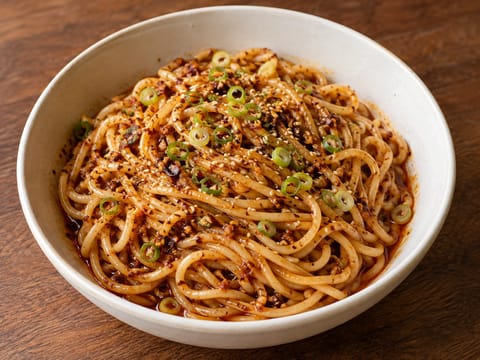
Noodles tossed in chilli oil with soy, black vinegar and sesame
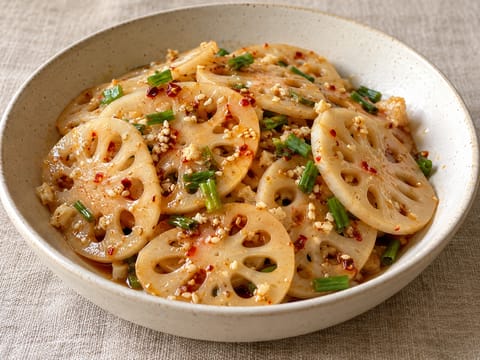
Chilled lotus root salad with black vinegar, soy and chilli oil
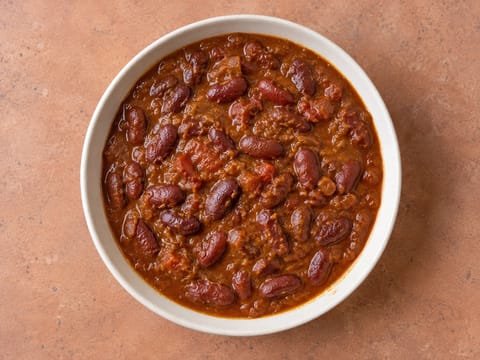
Kidney bean curry simmered in spiced tomato and onion gravy
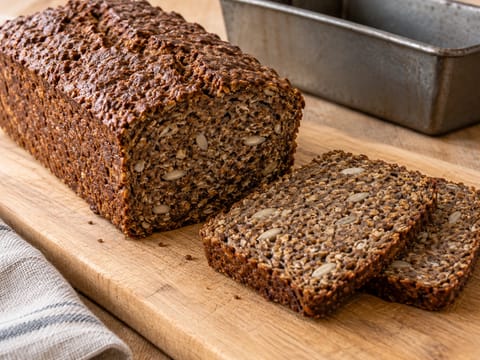
Dense Nordic rye bread with treacle and sunflower seeds

Mulled apple punch with orange and warming spices
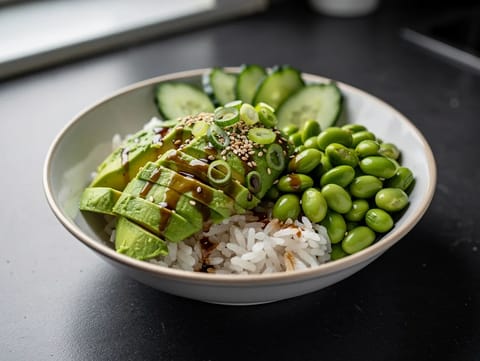
Sushi rice bowl with avocado, cucumber, edamame, and soy dressing.
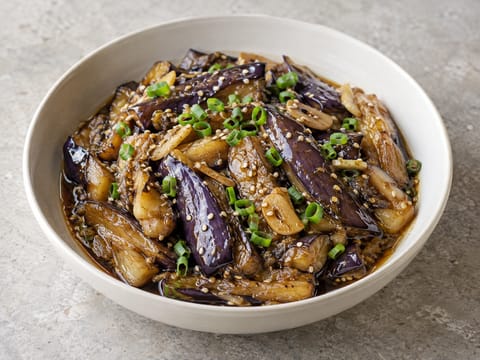
Tender braised aubergine in a glossy garlic sauce
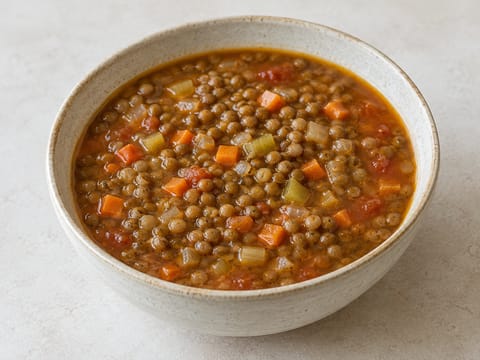
Italian lentil soup with vegetables and extra-virgin olive oil
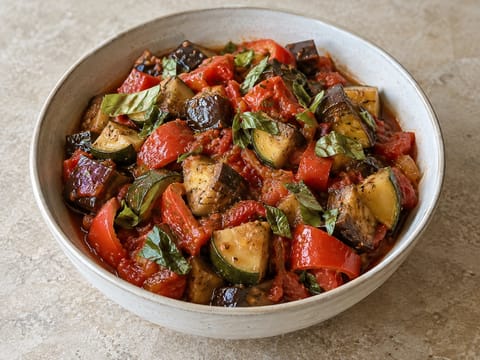
Provençal vegetable stew with aubergine, courgette and peppers
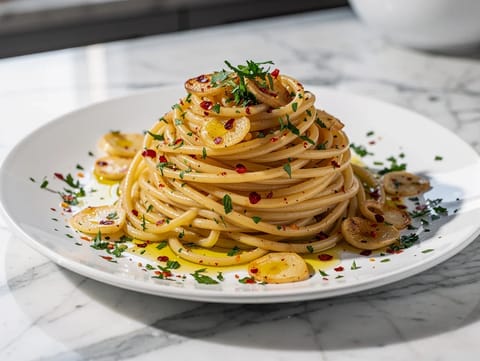
Spaghetti with garlic, olive oil and chilli flakes

Cold yerba mate infusion served over ice with lime

Pineapple agua fresca strained smooth and served over ice
Vegan suitability often hinges on packaged ingredients. Check labels for milk powders, whey, casein, egg, gelatine, honey and animal-derived colourings or flavourings, which can appear in sweets, crisps, sauces and bread products. Because formulations change, it is worth checking even familiar brands.
A vegan label also does not guarantee suitability for allergies. If you are avoiding allergens such as nuts, sesame or soy, read the full ingredient list and consider cross-contact statements where relevant to your household.
Ingredient pages can help you compare plant-based alternatives, such as different milks, creams and egg replacers, because they behave differently in sauces, baking and desserts. Allergen guidance is also a sensible next step if you need vegan recipes that are additionally mindful of nuts, sesame, soy or other common allergens.
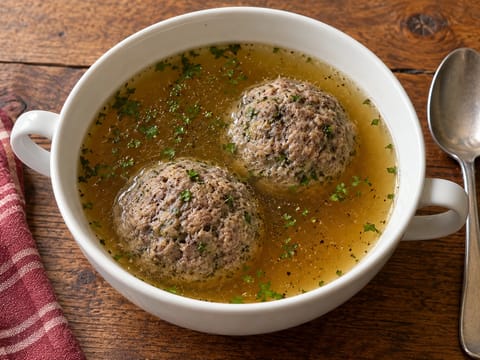
Clear beef broth with poached German liver dumplings

Crisp air-fried croquettes with a beef ragout filling.
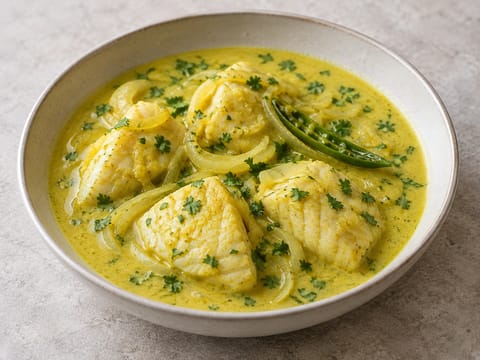
Mild coconut curry with delicate white fish
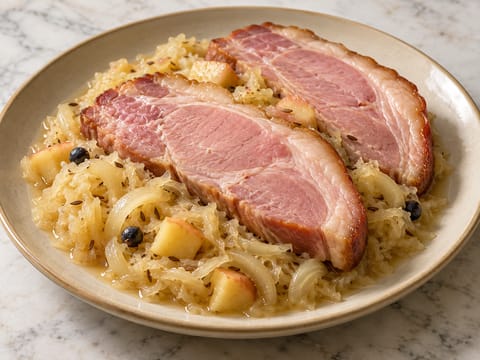
Smoked pork simmered with sauerkraut, apple and juniper
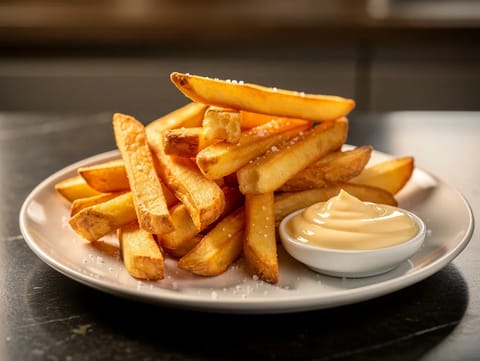
Double-fried Belgian chips served with mayonnaise

Thai fried rice with chicken, egg and jasmine rice
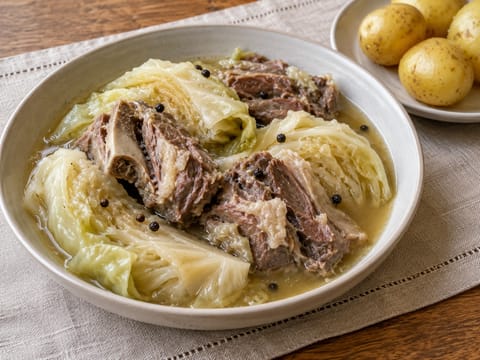
Norwegian lamb and cabbage stew with whole peppercorns
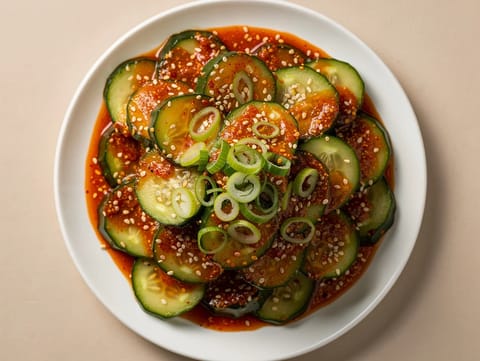
Chilled Korean cucumber salad with gochugaru and sesame oil
No. Vegan avoids all animal-derived ingredients, including eggs and honey, not just dairy. A dairy-free recipe may still contain eggs, fish or meat.
Typically no. Honey is animal-derived, so it is usually excluded in vegan cooking. Check labels on dressings, granola and baked goods where honey is sometimes used.
Whey and milk powders, casein, egg in pasta or baked goods, gelatine in some desserts and sweets, and butter used for finishing are common examples.
Not always. Some plant milks are sweeter, thinner or more prone to splitting. For cooking, choose a plant milk that suits the job, and be cautious with flavoured or sweetened versions.
It depends on the role of the egg. Some recipes use flax or chia “eggs” for binding, others use aquafaba for foaming, and some rely on baking powder and the right batter balance. It is often easiest to choose a recipe developed to be vegan rather than converting an egg-heavy bake.
No. Nuts and seeds are common in vegan cooking for richness and protein. If you need to avoid nuts, treat that as a separate check.
Vegan cooking is most reliable when the recipe is built around plant ingredients from the start, with substitutions chosen for function: setting, binding, emulsifying or adding richness. Keep label-checking in the routine, especially for packaged foods and finishing touches.
