
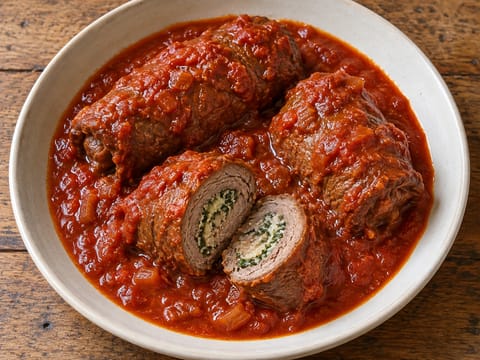
Braciole al Sugo (Italian Beef Rolls in Tomato Sauce)
Beef rolls braised in tomato sauce with garlic and Parmesan
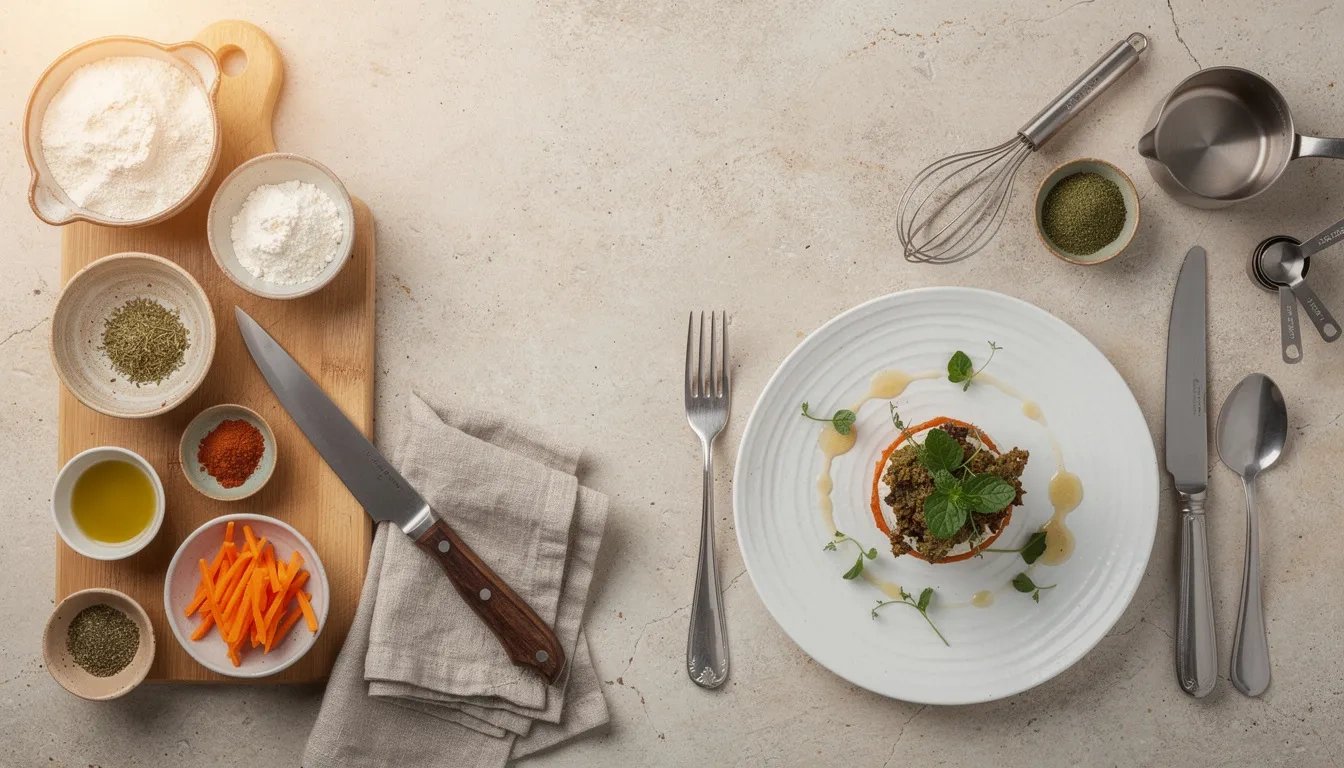
Advanced recipes tend to ask for more than time. They often involve several moving parts, tighter timing, or techniques where small details change the outcome, such as emulsions, sugar stages, laminated dough, or carefully managed heat. This is the place to cook when you want a project, or when you are happy to read ahead, set up your ingredients, and stay close to the hob or oven. The payoff is usually precision: cleaner textures, sharper definition between components, and a finish that depends on good judgement rather than simply following a timer.
Difficulty is usually about coordination. An advanced recipe may be perfectly straightforward in flavour, yet still demanding because you are juggling parallel tasks: reducing a sauce while searing meat, tempering eggs while keeping a custard below a scramble, or shaping dough while it is at a specific temperature. You will often be asked to rely on sensory cues, such as a glossy meringue, a sauce that coats the back of a spoon, or a roast that feels springy rather than soft. Advanced also commonly means less room for casual substitutions, because structure matters as much as taste.
Beef rolls braised in tomato sauce with garlic and Parmesan
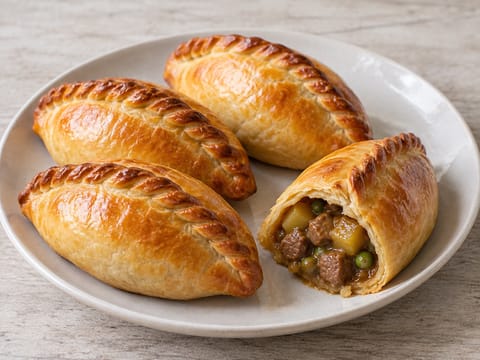
Bolivian baked empanadas with juicy beef, potato and peas.
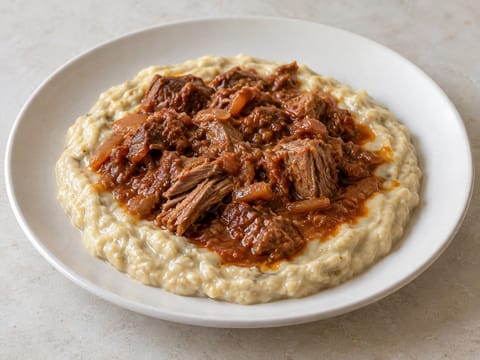
Lamb stew served over smoky aubergine purée with béchamel
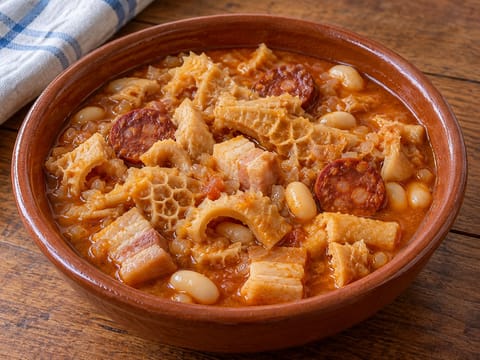
Porto-style tripe stew with pork, chorizo and white beans
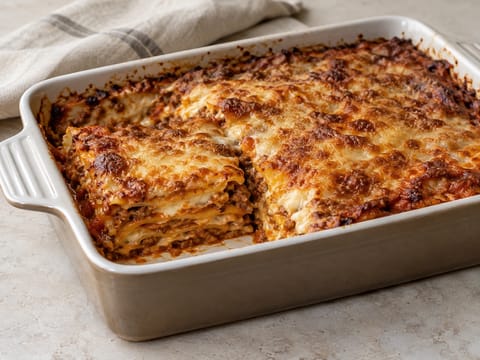
Layered pasta bake with beef ragù, béchamel and cheese
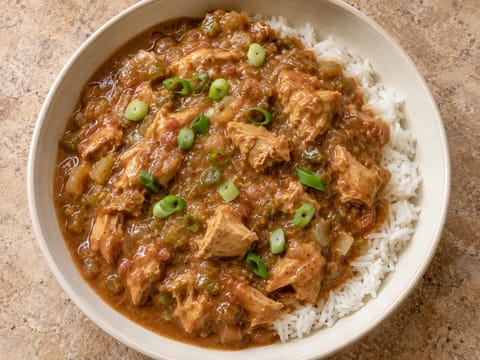
Cajun chicken étouffée with dark roux served over rice
Advanced does not automatically mean expensive ingredients, restaurant-style plating, or long cooking. Some advanced recipes are quick but intense, with short windows where you need to act decisively. Others are slow because they include resting, chilling, proving, or staged cooking. It also does not necessarily mean specialist equipment, though certain techniques are easier with the right tools. What it does imply is that success depends on attention: reading the method carefully, understanding why steps happen in a particular order, and being willing to pause and correct as you go.
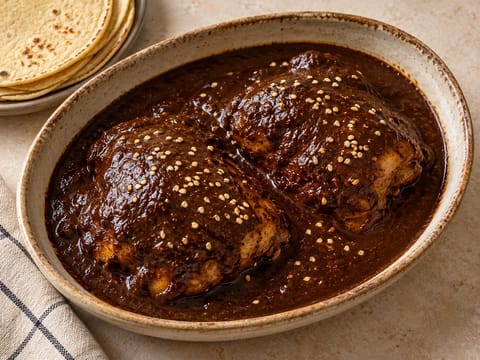
Chicken served with Oaxacan mole negro and sesame seeds

Fried choux rings filled with vanilla pastry cream and cherries
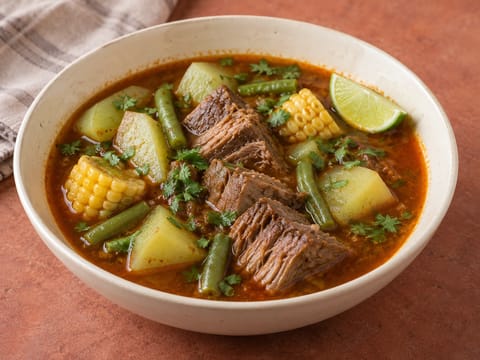
Beef and guajillo soup with chayote, beans and sweetcorn
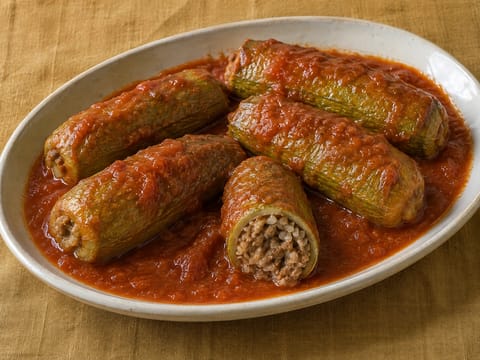
Stuffed courgettes simmered with lamb, rice, tomato and garlic
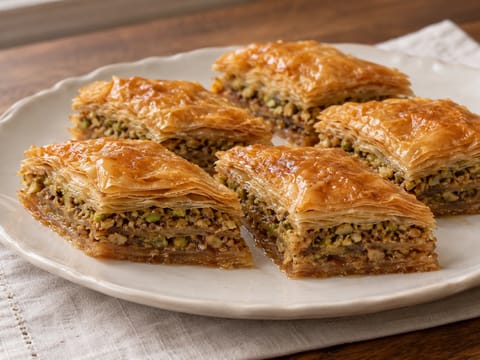
Filo pastry baklava layered with nuts and honey syrup
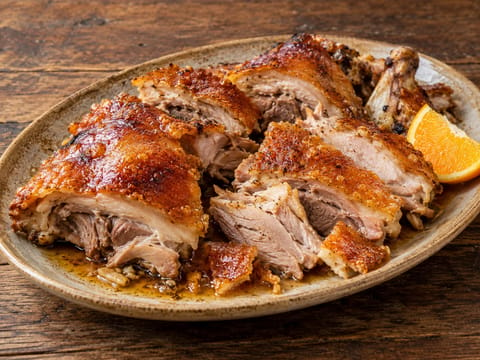
Slow-roasted suckling pig with garlic and orange
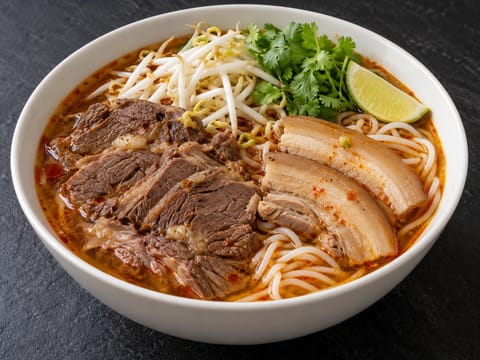
Spicy Vietnamese noodle soup with beef, pork and lemongrass
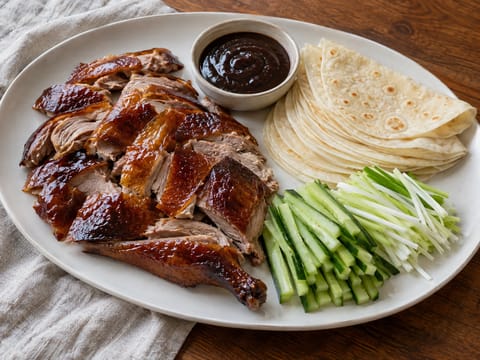
Roast duck served with pancakes, cucumber, spring onions and hoisin
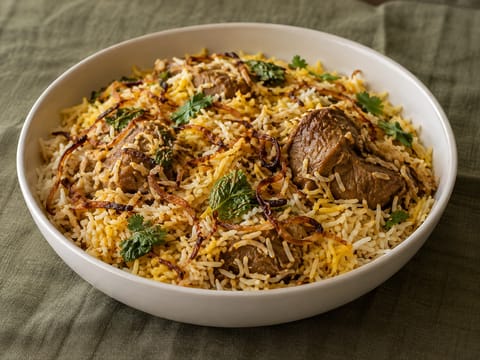
Dum lamb biryani with basmati rice, saffron and fried onions
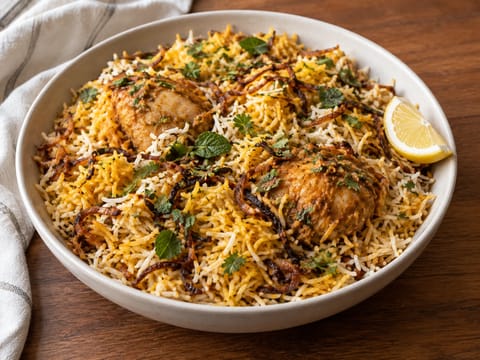
Layered basmati rice with yoghurt-marinated chicken and spices
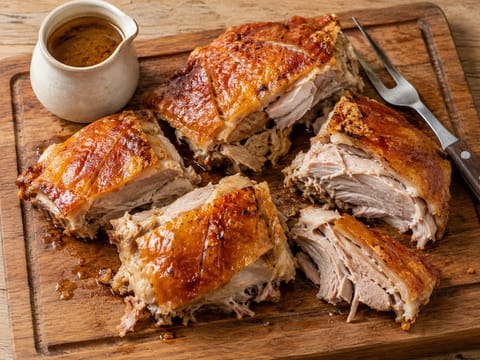
Roast suckling pig with garlic, bay, paprika and white wine
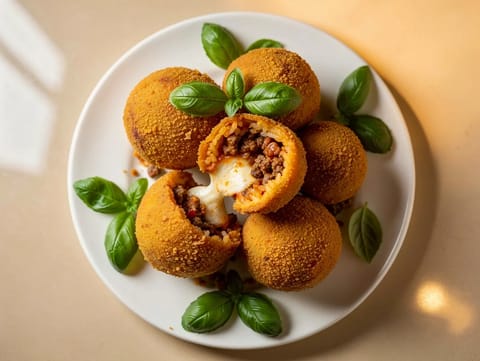
Fried rice balls stuffed with ragù and mozzarella
Read the method once for sequence, then again for bottlenecks: points where two things finish at once, or where you cannot step away. Set out bowls, pans and measuring tools before you start, especially for batters, custards and sauces where timing matters. When a recipe includes chilling or resting, treat it as part of the method, not optional waiting time, because it often controls texture. Finally, taste and check earlier than you think you need to. In advanced recipes, small adjustments to seasoning, acidity or thickness are easiest before everything is combined.
If you enjoy precision, look for recipes built around a single technique, such as tempering chocolate, making pâte à choux, or producing a stable emulsion like hollandaise or mayonnaise. If you prefer a broader project, choose recipes with components you can stage, such as a layered dessert, filled pastry, or a main with a sauce and garnish. For a more forgiving challenge, pick methods where you can correct course, such as braises with a final reduction, or doughs that can be re-chilled if they soften. If you want intensity without complexity, choose recipes that focus on heat control, like searing, caramelising or frying, where the key skill is judgement at the pan.
Advanced cooking is often technique-led, so browsing by Cooking method can help you pick a challenge you actually want, whether that is baking, frying, or sauce-making. Cooking time is also worth checking, because “advanced” can mean either a focused, hands-on session or a longer recipe with resting and staged steps.
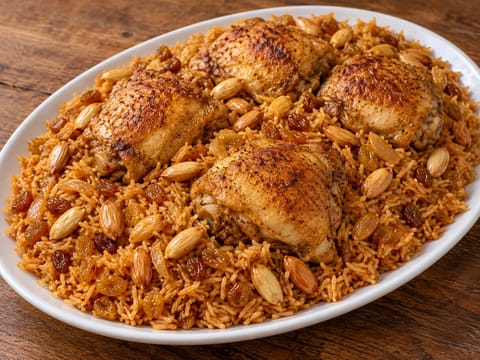
Saudi-style chicken kabsa with spiced basmati rice, almonds and raisins
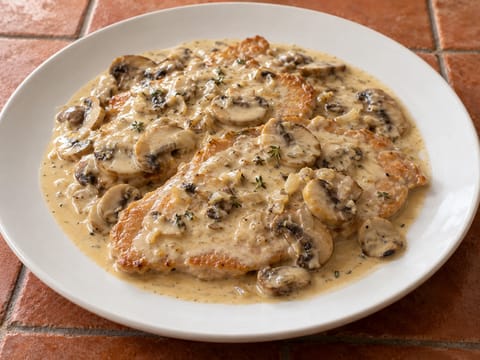
Pan-fried veal escalopes with creamy cider sauce and mushrooms
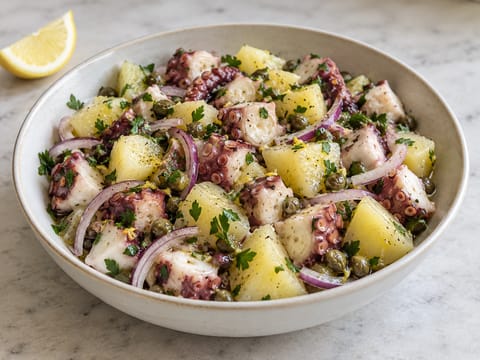
Octopus and potato salad with lemon and capers
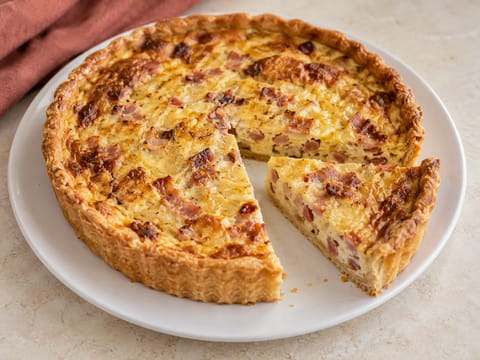
Quiche Lorraine with bacon, onion, eggs and double cream
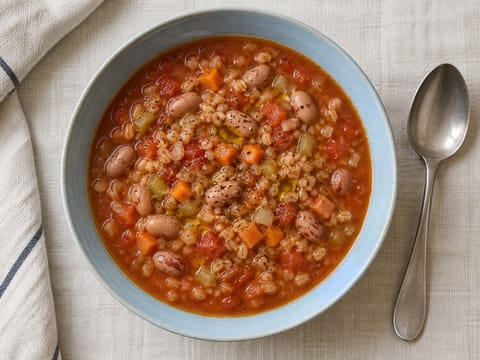
Italian farro and borlotti bean soup with tomato and rosemary
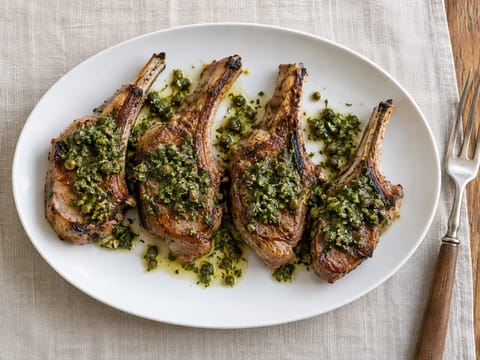
Grilled lamb cutlets served with parsley and anchovy salsa verde
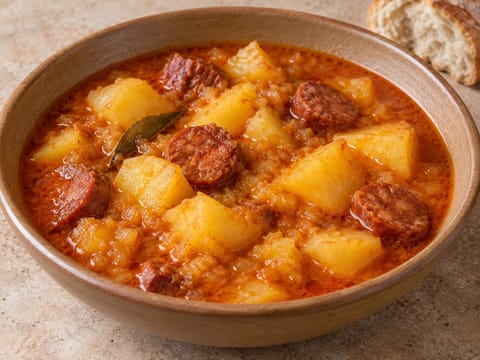
Potato and chorizo stew simmered with sweet paprika
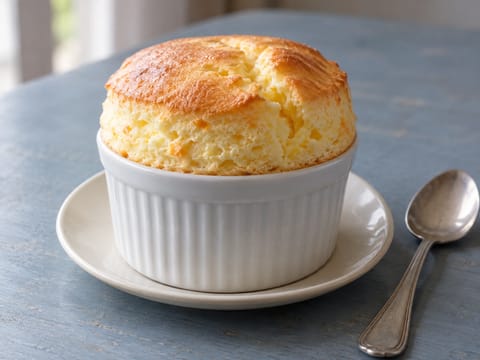
French Grand Marnier soufflé, baked tall and airy
Not necessarily. Some are long because they include chilling, proving or slow cooking, but others are short and demanding because several steps happen quickly and need close attention.
Sometimes a tool makes the job easier, but the bigger requirement is usually control and observation. A reliable oven, accurate scales and a good thermometer can help, yet many advanced techniques are still possible with standard cookware.
Rushing the setup. Skipping a read-through, starting without ingredients measured, or missing a resting step tends to create timing pressure, and that is when temperatures drift and textures go off course.
Look for steps that require waiting, such as chilling dough or cooling a custard, and work backwards. If the method relies on serving something immediately, plan the rest of the meal around that finishing window.
Often, but choose what to simplify carefully. Removing a garnish is usually harmless; changing a structural step, such as whipping, folding, or reducing to a specific thickness, can change the final texture.
No. Difficulty describes skill and attention, not cultural origin. Traditional dishes can be easy or advanced depending on the method and the level of detail.
With advanced recipes, a calm start usually matters more than speed. Choose a technique you are curious about, give yourself space to focus, and treat the method as a set of cues to watch for, not just a list of steps to tick off.
