
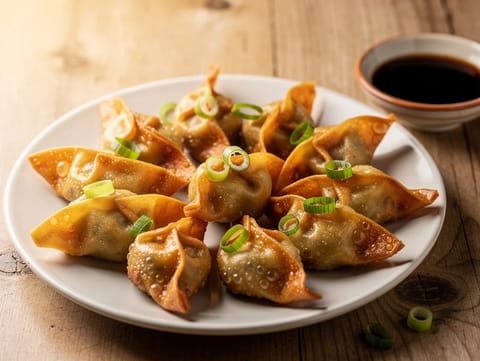
Air Fryer Wontons
Crispy air fryer wontons with pork and spring onion.

Dumplings are a technique as much as a dish: a filling or dough portion cooked by boiling, steaming, pan-frying or baking, often served with a sauce or in broth. The choices that matter are the wrapper or dough, the moisture level of the filling, and the cooking method, because each one changes texture and how well dumplings hold if you make them ahead. Some dumplings aim for a delicate, pleated wrapper; others are hearty, bread-like spoonfuls dropped into a stew. This page helps you compare the main dumpling formats and pick a route that fits your time and confidence.
The word dumpling covers several families. In many cuisines it means a wrapper enclosing a savoury filling, sealed and cooked until tender, then served with dipping sauces or in soup. In others it means a simple dough cooked in liquid or steam, such as soft dumplings simmered on top of a stew, or firm dumplings that slice cleanly. What links them is the idea of a contained bite, where the outer layer protects the inside during cooking. Dumplings are not automatically fried, not automatically spicy, and not always filled. They also do not require a particular wrapper: wheat-based doughs are common, but starch-based wrappers and other doughs appear depending on the style.
Crispy air fryer wontons with pork and spring onion.
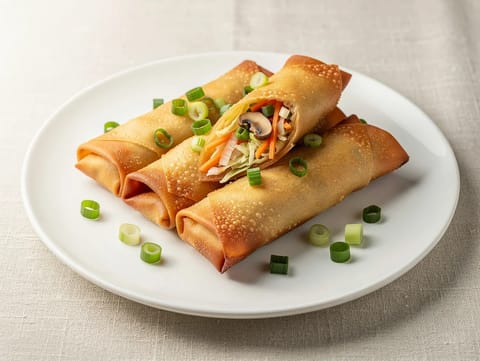
Crispy air-fryer spring rolls with a savoury vegetable filling.
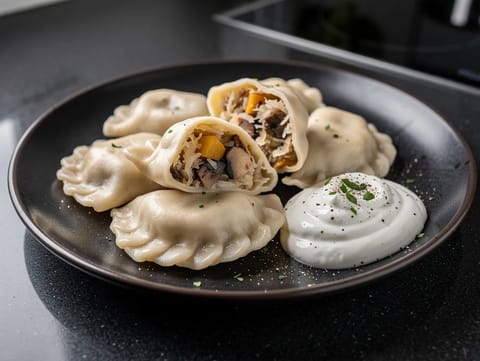
Polish pierogi filled with sauerkraut and mushrooms
Pleated jiaozi filled with pork mince and chives, fried then steamed
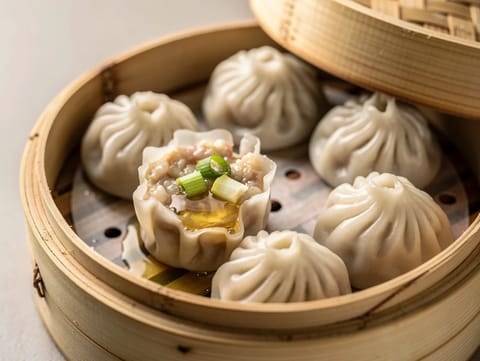
Steamed soup dumplings with pork filling and hot broth
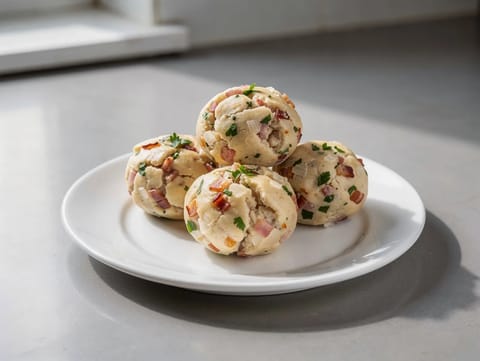
German bread dumplings mixed with smoked bacon and simmered until firm
Wrapper dumplings include pleated potstickers and gyoza-style dumplings, steamed dumplings, and boiled dumplings served with a sauce. Their texture depends on wrapper thickness and how much water is driven off during cooking. Soup dumplings and other broth-filled styles rely on a filling that sets when cold and melts when heated, giving a burst of liquid. Dough dumplings include fluffy, drop-style dumplings that cook in steam above a simmering stew, and denser dumplings that are shaped and boiled. You will also find baked dumplings and dumpling-like bakes where the dough forms a topping. Across all of these, the balance is between tenderness and resilience: too delicate and they tear; too tough and they eat like paste.
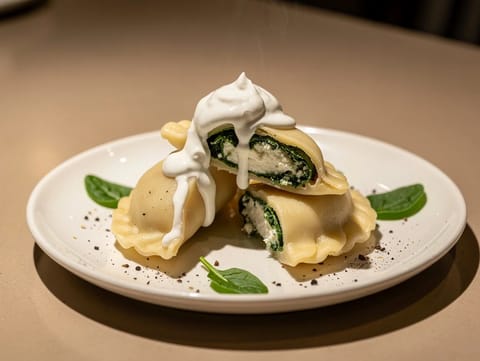
Pierogi filled with spinach and ricotta
Crispy air-fryer spring rolls with a savoury vegetable filling.
Steamed soup dumplings with pork filling and hot broth
Crispy air fryer wontons with pork and spring onion.
Polish pierogi filled with sauerkraut and mushrooms
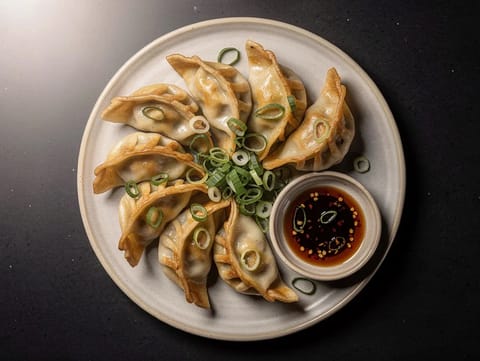
Crispy air fryer dumplings with pork and cabbage filling.
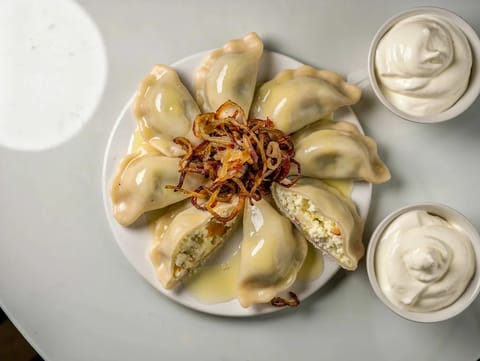
Polish dumplings filled with potato, cheese and onion
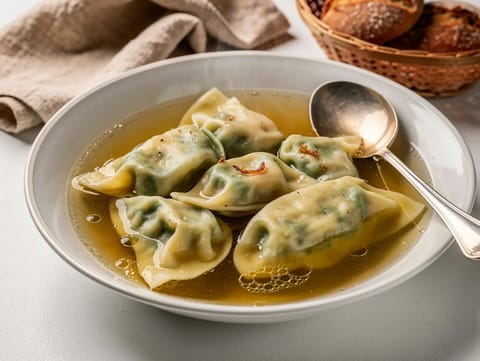
Swabian pasta dumplings filled with beef and spinach in broth
German bread dumplings mixed with smoked bacon and simmered until firm
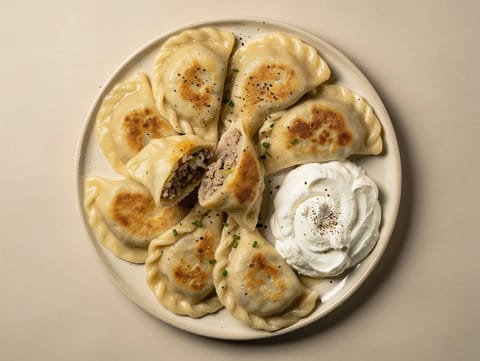
Polish meat-filled dumplings boiled then lightly fried in butter
Pleated jiaozi filled with pork mince and chives, fried then steamed
Air fryer egg rolls are filled with pork, cabbage and carrot.
If you want crisp texture, choose pan-fried dumplings where one side browns and the rest steams; they reward careful heat control and a non-stick surface. For the most forgiving route, boiled dumplings and drop dumplings are less likely to stick or split, provided the simmer is gentle rather than rolling. Pay attention to filling moisture. Very wet fillings can leak and prevent a good seal, while very lean fillings can eat dry unless balanced with fat, vegetables or a sauce. For make-ahead, many wrapper dumplings freeze well before cooking, which helps them keep their shape. Cook from frozen gently so the wrapper heats through without bursting. If you are serving dumplings in broth, choose a wrapper that stays pleasantly chewy rather than turning gluey after a few minutes in liquid.
Dipping sauces tend to work best when they bring contrast: acidity to cut richness, salt for depth, and a little heat or aromatics if the filling is mild. A simple soy-and-vinegar style sauce is common because it sharpens the wrapper’s wheatiness and lifts fatty fillings. Dumplings served in broth benefit from a clear, well-seasoned soup so the dumplings remain the focus; heavier broths can be satisfying but may blur the dumpling’s flavour. On the side, crisp vegetables, pickles or lightly dressed salads add crunch against the soft wrapper. If the dumplings are already strongly seasoned, keep accompaniments plain so each bite doesn’t compete.
Cuisine is especially helpful with dumplings, because wrapper types, folding styles and dipping sauces are closely tied to regional traditions. Cooking method is the other useful lens: steaming, boiling and pan-frying produce very different textures, even with similar fillings, and it can help you choose the technique you’re most set up to do well.
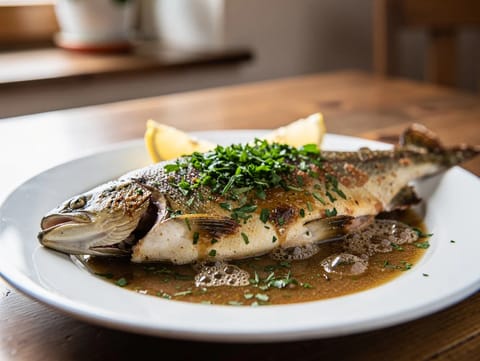
Crisp pan-fried trout finished with brown butter and lemon
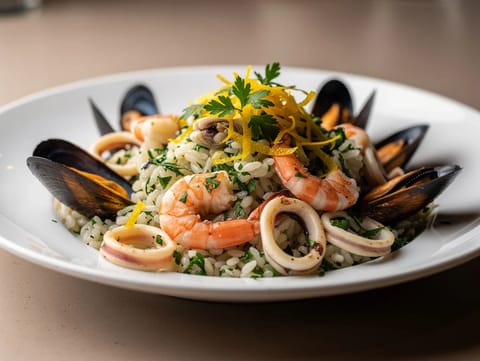
Creamy seafood risotto with prawns, mussels, squid and lemon
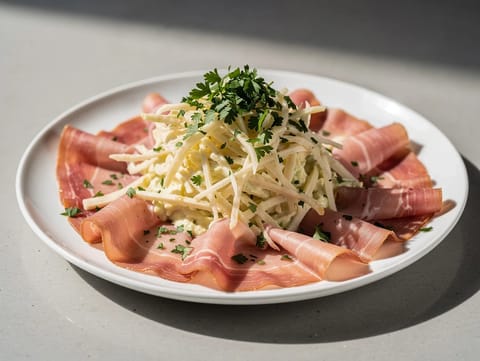
Celeriac rémoulade with mustard and lemon mayonnaise
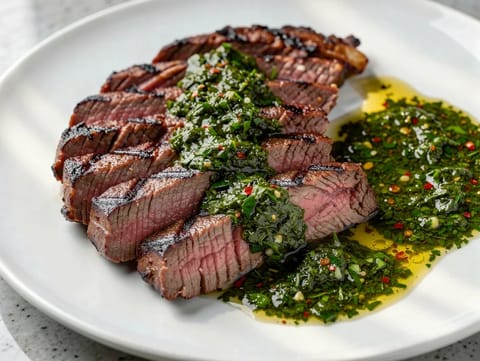
Grilled ribeye served with parsley and garlic chimichurri
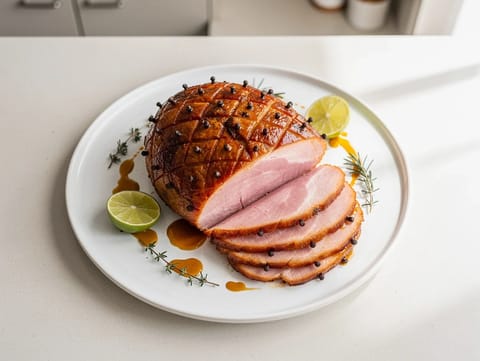
Baked Christmas ham with pineapple, rum and allspice glaze
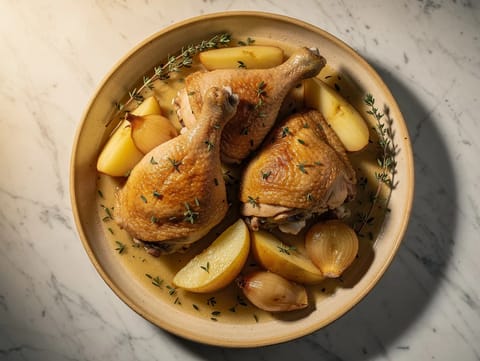
Chicken braised with apples in a cider and cream sauce
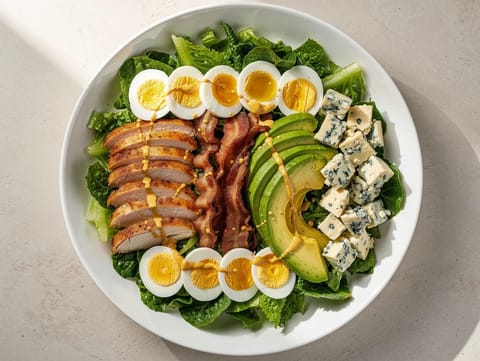
Composed salad with chicken, bacon, egg, avocado and blue cheese
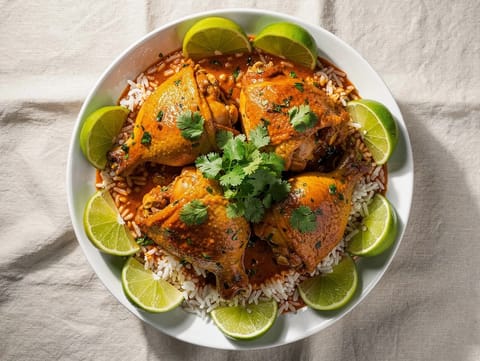
Ecuadorian chicken braised with beer, tomato, peppers and coriander
They overlap in the broad sense of filled parcels, but ravioli are a specific pasta style with a pasta dough and Italian serving traditions. Dumplings cover many wrapper types and cooking methods across cuisines.
A hard boil can knock dumplings around and stress the seams. Overfilled dumplings and very wet fillings also increase pressure inside. A gentle simmer and a good seal help.
Often, yes. Many wrapper dumplings can be assembled and frozen before cooking. Some dough dumplings are best cooked and served straight away because they can firm up as they cool.
It depends on the style. Some dumplings use specific wrappers for the right chew and thickness, while others are made from a simple flour-and-water dough. The recipe will usually signal what’s important for that format.
Crispness depends on enough heat and time for browning, plus driving off moisture. Overcrowding the pan or adding too much liquid can steam them for too long and soften the base.
Use a lining such as parchment with holes, cabbage leaves, or a light brushing of oil where appropriate. Also leave space between dumplings so steam can circulate and wrappers don’t fuse.
Dumplings reward clarity: decide whether you want a wrapper parcel or a dough dumpling, then choose the cooking method that gives the texture you’re after. Once that’s set, fillings and sauces are easy to vary.
