
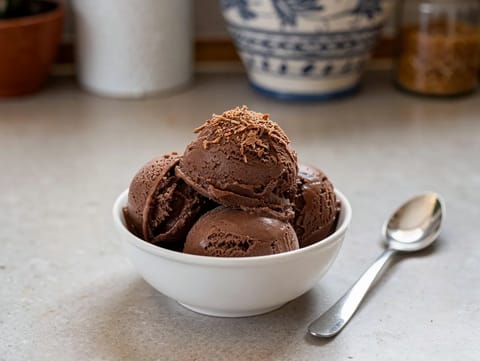
Gelato al Cioccolato Fondente (Dark Chocolate Gelato)
Dense dark chocolate gelato made with milk and double cream

Ice cream and gelato sit in the same family, but the eating experience can be quite different. The most useful way to understand the category is through texture: how dense it feels, how quickly it melts, and how clearly the flavour comes through when cold. Those qualities are shaped by the base (custard or not, dairy level, sugar balance) and by the method used to freeze and incorporate air. Once you know the texture you want, choosing a recipe becomes much simpler.
Classic ice cream is typically light enough to scoop easily once tempered, with a creamy melt. Many styles use a custard base with eggs for richness and stability, while others rely on dairy and sugar without eggs. The amount of air incorporated during freezing affects how fluffy or dense it feels.
Gelato is commonly denser and served at a slightly softer temperature, which helps flavours read more clearly. It often has a lower fat profile than some ice creams, but the key point for the home cook is the texture and serving temperature rather than a strict definition.
You will also see related styles such as frozen custard (egg-rich), Philadelphia-style ice cream (no eggs), and fruit-forward bases that sit between ice cream and sorbet depending on how much dairy they contain.
Dense dark chocolate gelato made with milk and double cream
Indian ice cream flavoured with saffron and cardamom, studded with pistachios
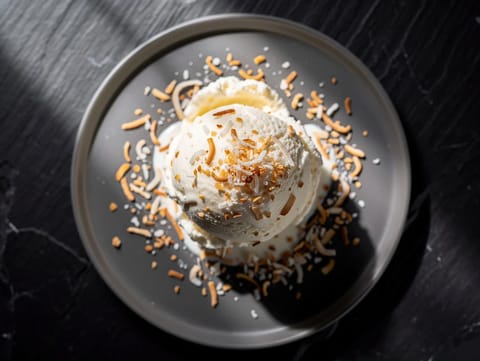
No-churn coconut ice cream made with double cream and coconut milk
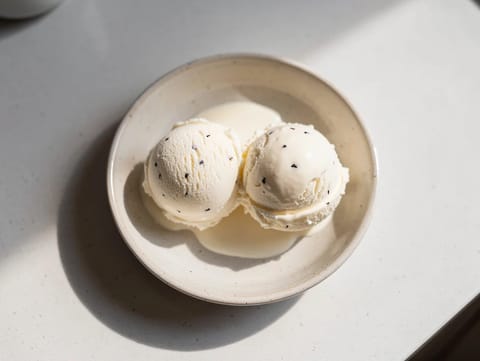
Custard-based vanilla bean ice cream with a smooth, rich texture
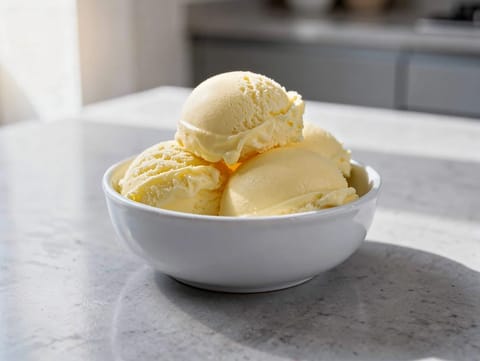
Italian lemon gelato made with fresh zest and juice
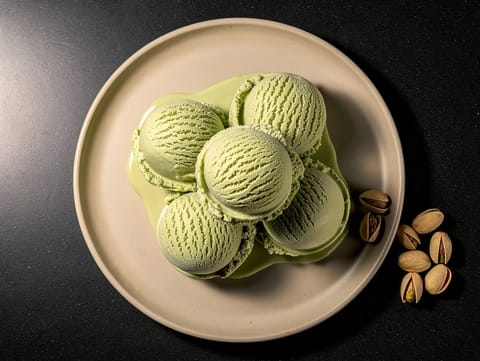
Smooth Sicilian-style pistachio gelato
If you want a very smooth, stable scoop, look for recipes that build a well-emulsified base, often by heating dairy with sugar and, in custard styles, cooking eggs gently. This approach takes longer but can reduce iciness and help the ice cream stay scoopable.
If you prefer a cleaner, lighter finish, egg-free bases can work well, especially with strong flavours like chocolate, coffee or toasted nuts. Fruit flavours often benefit from a balance of sugar and acidity, because freezing mutes sweetness.
Method matters as much as ingredients. Churned recipes incorporate air and keep ice crystals smaller, while still-frozen or no-churn approaches rely on the base composition and freezing set-up to control texture. Whatever the method, serving temperature is part of the recipe: a short tempering time can be the difference between crumbly and creamy.
Italian lemon gelato made with fresh zest and juice
Smooth Sicilian-style pistachio gelato
No-churn coconut ice cream made with double cream and coconut milk
Dense dark chocolate gelato made with milk and double cream
Custard-based vanilla bean ice cream with a smooth, rich texture
Indian ice cream flavoured with saffron and cardamom, studded with pistachios
Some flavours stay bold in the cold: chocolate, coffee, caramel, vanilla, toasted nuts and spices. Delicate flavours often need help, such as citrus zest, a pinch of salt, or a ripple of jam or curd to keep them noticeable.
Mix-ins should be chosen for how they freeze. Nuts and brittle stay crisp; brownie pieces and cake can turn firm; fresh fruit can become icy unless it is cooked down or used as a sauce. Ripples and swirls are not just decorative: they add pockets of sweetness or acidity that keep each spoonful interesting, especially in dense gelato-style bases.
Cooking method is the most useful companion for ice cream and gelato, because custard-making, no-cook bases and churning versus still-freezing all change the final texture. Cuisine can also help you explore familiar flavour traditions, from nut pastes to fruit-forward styles.
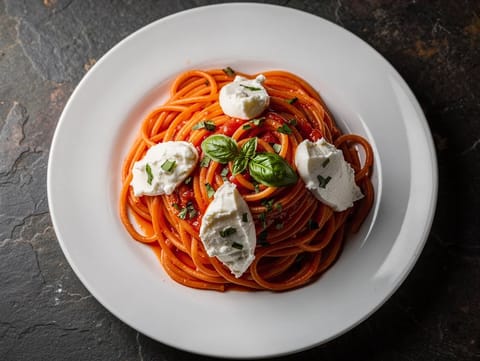
Italian pasta with tomato, basil and softened mozzarella
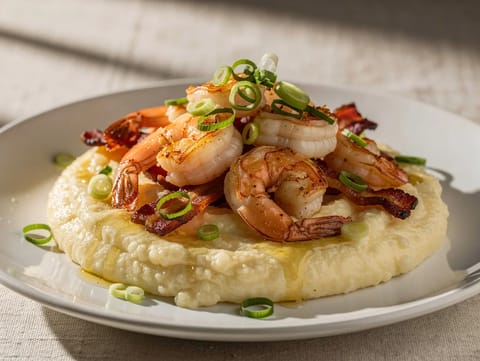
Creamy grits topped with bacon sautéed prawns
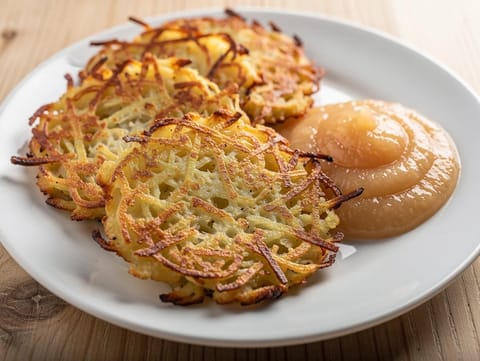
Crisp German grated potato cakes served with apple sauce
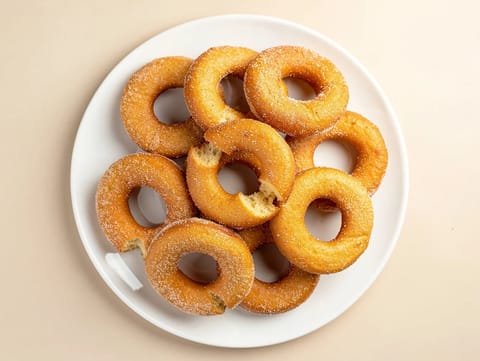
Spanish lemon and aniseed ring doughnuts with a sugar coating
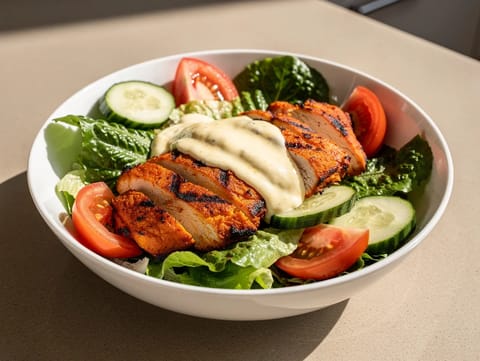
Tandoori chicken with lettuce, cucumber, tomatoes and yoghurt dressing
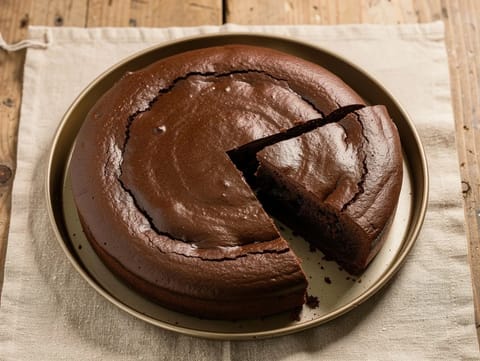
Fudgy flourless chocolate cake with cocoa
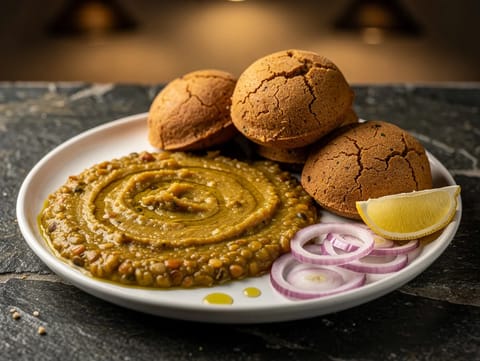
Spiced red lentil dal with baked wholewheat baati
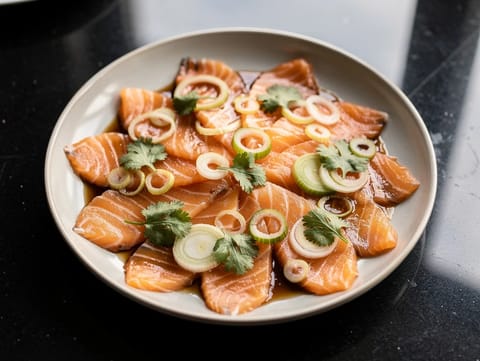
Chilled salmon tiradito with ponzu dressing and sesame oil
Texture and serving style. Gelato is commonly denser and served softer, while ice cream often has a lighter, airier scoop. Exact definitions vary by recipe and region.
No. Many ice creams are egg-free. Eggs tend to add richness and can help with a smooth, stable texture, but they are not required for good results.
Large ice crystals form when the mixture freezes slowly or when the balance of sugar, fat and dissolved solids is too low. Churning and a well-balanced base help keep the texture finer.
Letting it sit briefly at room temperature so it softens to a scoopable texture. It improves mouthfeel and makes flavours more noticeable.
Choose mix-ins that stay pleasant when frozen: toasted nuts, chocolate pieces, caramel ribbons and cooked fruit swirls are reliable. Very watery ingredients can freeze hard and icy.
Often, but not always. Recipes vary widely. For choosing a recipe, the more practical cue is the intended texture and serving temperature.
Ice cream and gelato recipes can look similar on paper, but the base and freezing method steer the texture. Decide whether you want a light scoop or a denser, softer gelato-style result, then choose flavours and mix-ins that stay expressive when cold.
