
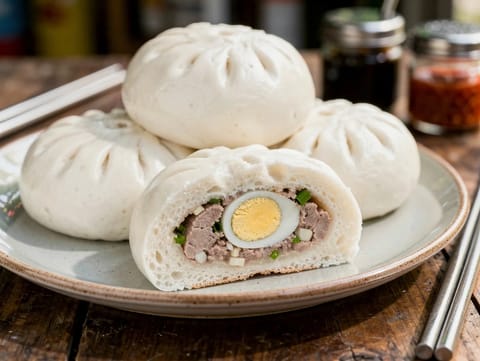
Bánh Bao (Vietnamese Steamed Pork Buns)
Fluffy steamed buns filled with minced pork and hard-boiled egg

Pastry is less a single recipe than a family of doughs that behave in distinct ways: some crumble, some flake, some puff, and some are designed to hold a wet filling without leaking. Once you know what the pastry is meant to do, choosing a recipe becomes much easier.
This page focuses on the practical differences between common pastry styles and the kinds of fillings and finishes they naturally suit, whether you’re baking for a table of guests or making a small batch at home.
Pastry recipes revolve around a flour-and-fat dough that is rolled, shaped or layered, then baked until set. The defining feature is structure: pastry forms a case, lid, base or wrapper that contrasts with a filling, or stands on its own as a crisp, flaky bake.
Different pastries are built for different outcomes. Shortcrust aims for tenderness and a clean snap; puff pastry and other laminated doughs aim for lift and layers; choux pastry is cooked twice to create a hollow centre; filo relies on very thin sheets that bake crisp. The method you choose affects not just texture, but also how forgiving the dough is during shaping and baking.
Fluffy steamed buns filled with minced pork and hard-boiled egg
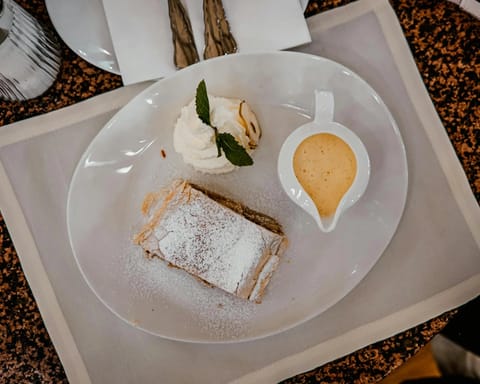
Thin pastry strudel filled with cinnamon apples, raisins and lemon
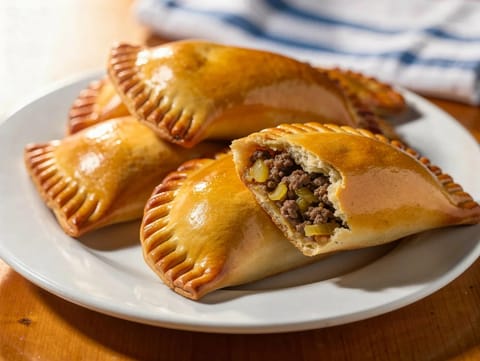
Baked pastries filled with minced beef, onion and spices
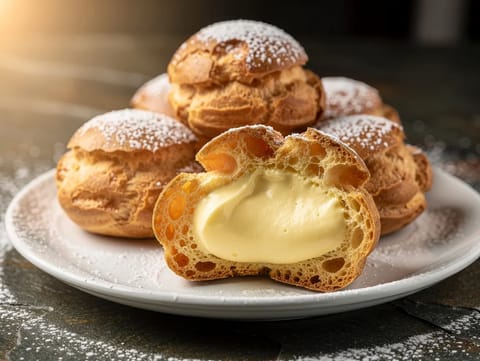
Choux cream puffs filled with vanilla pastry cream
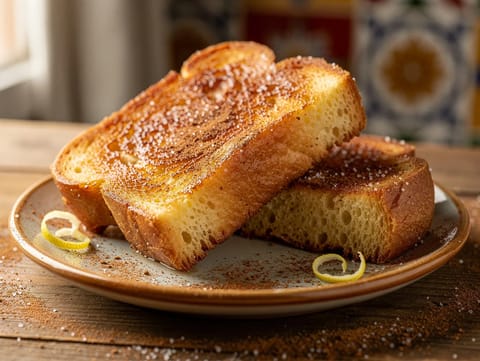
Fried brioche soaked in cinnamon milk and coated in sugar
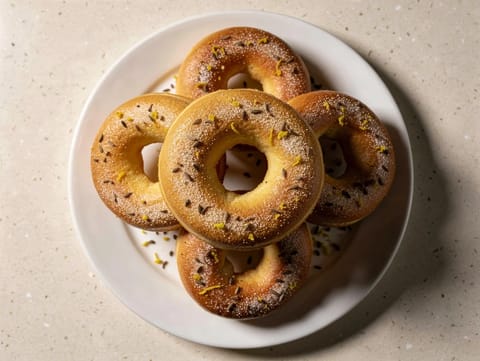
Spanish anise ring doughnuts dusted with caster sugar
Shortcrust is the workhorse for tarts and pies because it can be pressed or rolled into a tin and holds its shape. It suits both sweet and savoury fillings, especially those that set as they cool.
Laminated pastries, including puff pastry, create distinct layers and a light bite. They are often used for turnovers, palmiers and topped tarts where the pastry itself is part of the show.
Choux pastry is piped rather than rolled; it bakes into shells that can be filled after baking, which keeps the filling’s moisture away from the pastry.
Filo and similar thin-sheet pastries bake shatteringly crisp, but they dry quickly as you work, so they reward an organised bench and a light hand with butter or oil between layers.
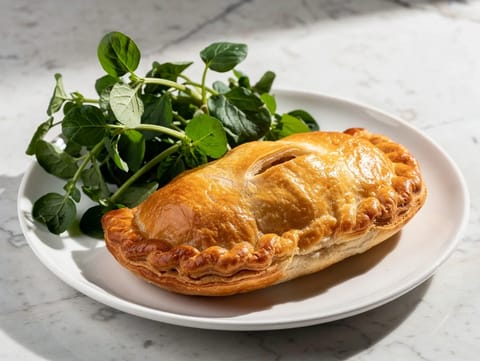
Baked chicken and leek pasty with a creamy mustard filling.
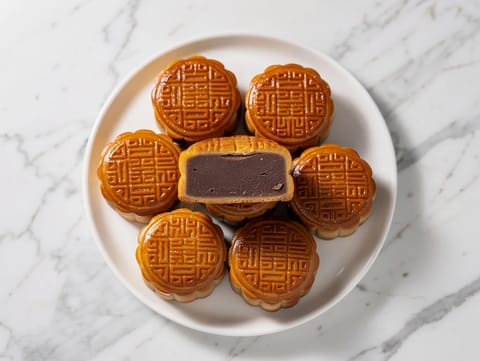
Baked mooncakes with golden syrup dough and red bean paste
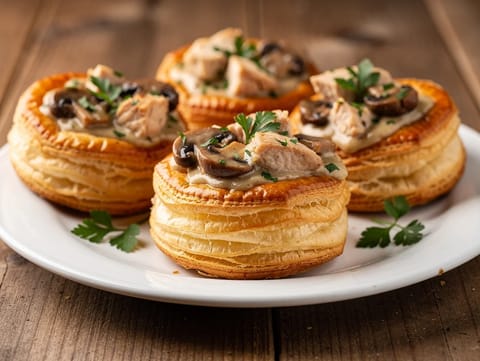
Vol-au-vent with chicken and mushrooms in creamy sauce
Choux cream puffs filled with vanilla pastry cream
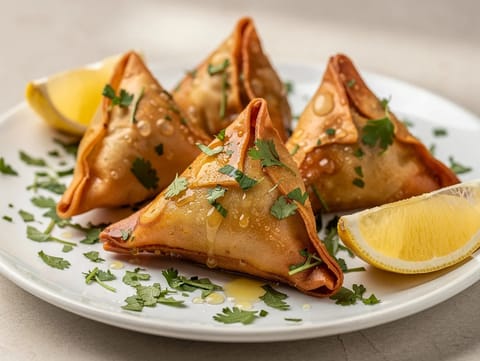
Fried pastry parcels with spiced potato and peas
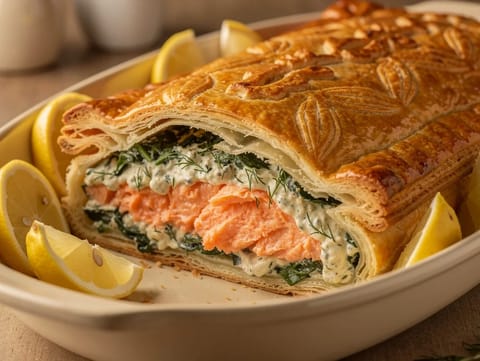
Salmon Wellington with spinach and crème fraîche in puff pastry
Fried brioche soaked in cinnamon milk and coated in sugar
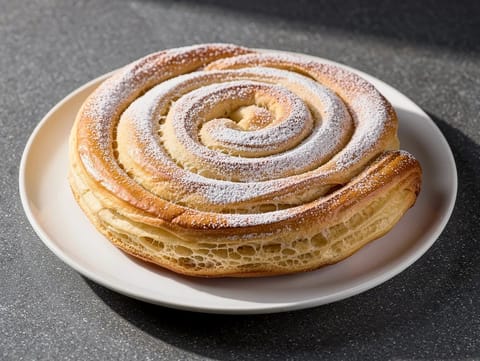
Mallorcan spiral yeast pastry brushed with lard and icing sugar
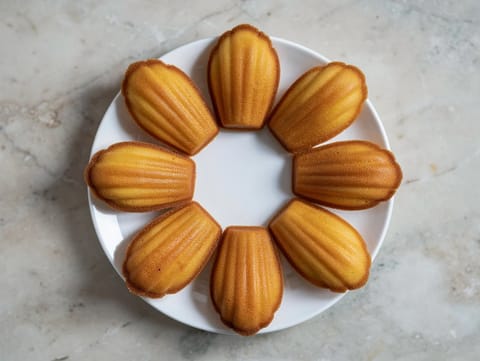
French shell-shaped sponge cakes with lemon and vanilla
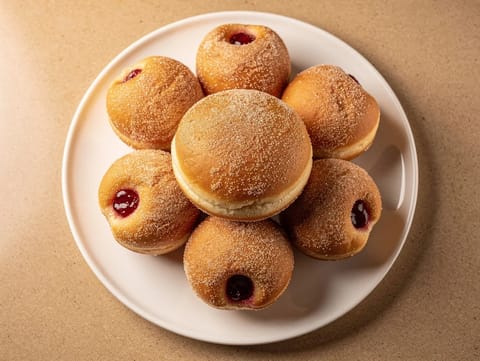
Yeasted jam doughnuts rolled in caster sugar
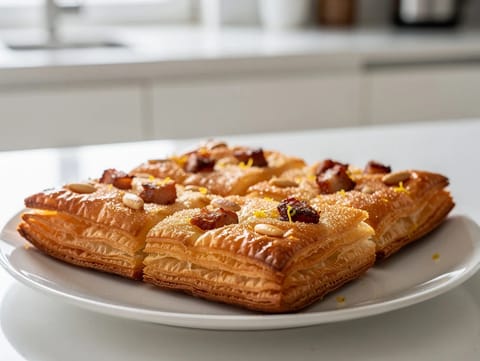
Crisp puff pastry with pork cracklings, pine nuts and sugar
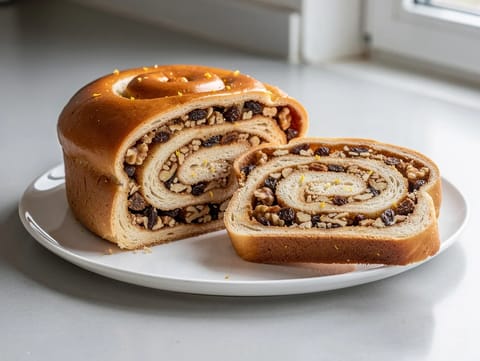
Friulian sweet spiral loaf with nuts, raisins and rum
If your filling is wet or juicy, look for methods that manage moisture: blind-baking a base, using a thicker filling, or choosing a pastry that can be baked crisp before the filling goes in. Custards and frangipane-style fillings often pair well with a pre-baked shell because they set gently without flooding the pastry.
For savoury bakes, consider whether you want a sealed parcel or an open tart. Sealed pastries trap steam, which can soften the base; vents, a hot tray, or a pre-cooked filling can help.
If you’re serving guests, pastries that can be baked and filled close to serving, such as choux, keep their contrast. For simpler timing, tray bakes and tarts are easier to portion and carry.
Cuisine is a helpful companion for pastry because many classic formats are strongly regional, from filled parcels to custard tarts. Cooking method is also worth exploring, as blind-baking, lamination and piping lead to very different workflows and results.
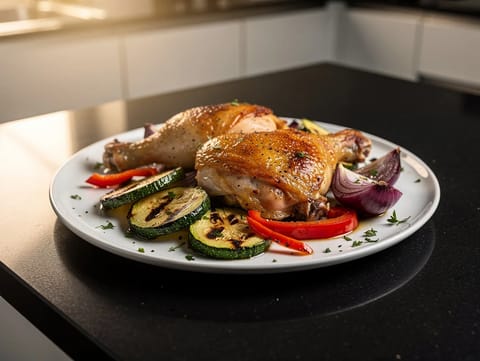
Air-fried chicken thighs with courgette, peppers and red onion.
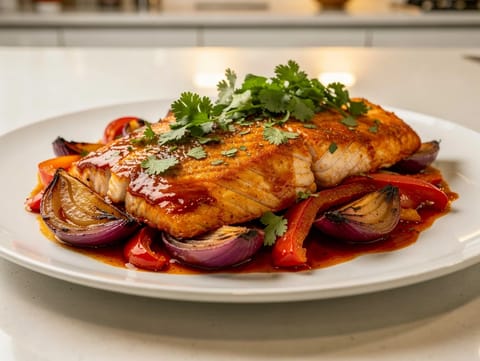
Baked white fish with achiote, citrus and roasted peppers
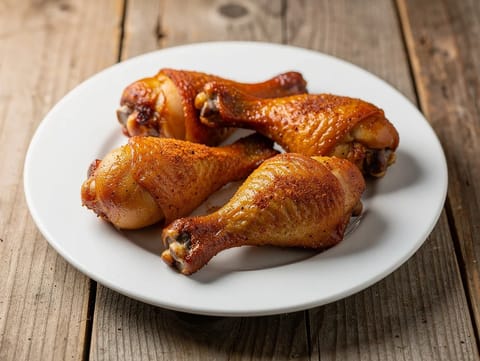
Chicken drumsticks air-fried with garlic and paprika until juicy.
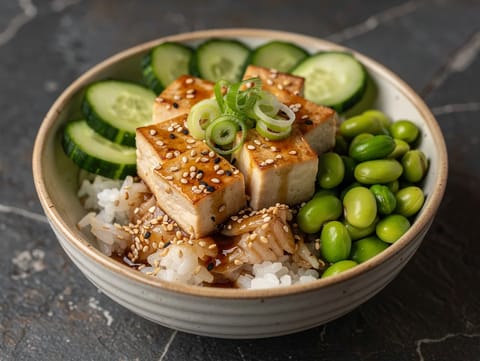
Sesame tofu poke bowl with sushi rice, cucumber and edamame.
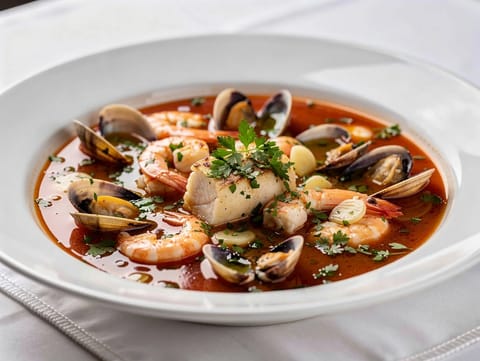
Venetian fish soup with mixed seafood in tomato and white wine
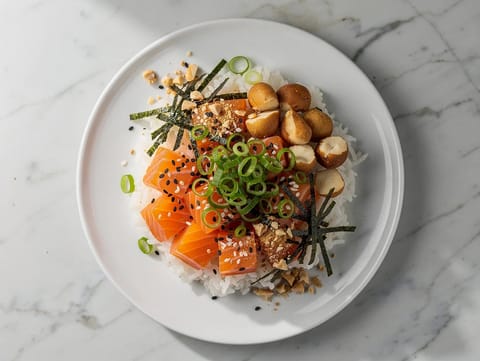
Hawaiian style salmon poke bowl with sushi rice and seaweed.
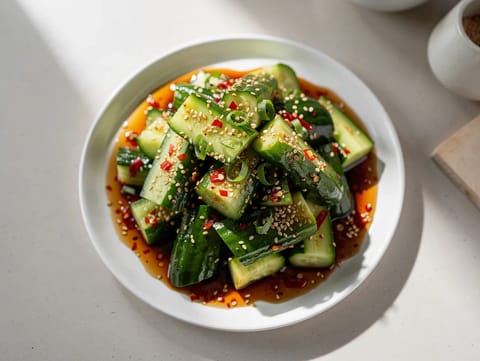
Smacked cucumber salad with chilli oil, garlic and sesame
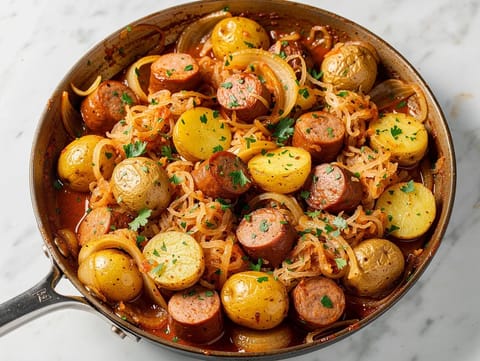
One-pan smoked sausage with potatoes, sauerkraut and paprika
Shortcrust is designed to be tender and crisp without many layers; puff pastry is laminated to create lift and flakiness. They are not usually interchangeable without changing the final texture and structure.
Shrinkage often comes from gluten tightening or the pastry being stretched when lined into a tin. Resting the dough and avoiding pulling it into place can help it hold its shape.
Blind-baking means baking the pastry case before adding the filling. It’s commonly used when the filling is wet or cooks gently, so the base has time to set and crisp first.
Moisture from the filling can soak into pastry before it has set. A hotter start, a pre-baked base, or a filling that is cooled and thickened before baking can reduce sogginess.
No. Filo is made of very thin sheets layered with fat; it bakes crisp and shattery. Puff pastry is a single laminated dough that rises into layers and stays more airy than brittle.
Before you choose a recipe, decide whether you need a sturdy case, dramatic flakes, a crisp shatter, or a shell to fill later. That one decision will guide the method, the filling style and the best way to serve it.
