
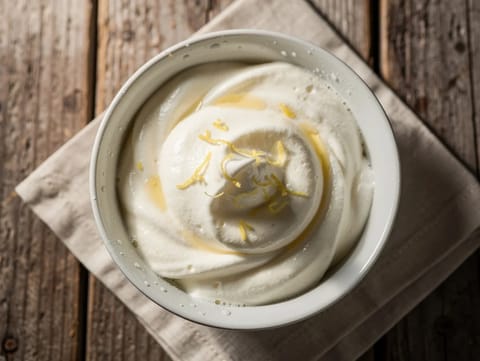
Syllabub with Lemon and White Wine
Whipped syllabub with lemon and white wine

Puddings and custards are often chosen because they can be made ahead and served with very little last-minute fuss. The key is knowing how the dessert sets: some thicken on the hob, some bake gently in the oven, and others rely on chilling to firm up. That setting method affects texture, from pourable custard to a spoon-standing pudding, and it also determines how well the dessert holds for serving later. This page helps you pick a style that matches your timeline and the finish you want on the spoon.
Custard is defined by eggs: the proteins coagulate as they heat, thickening milk or cream into a smooth sauce or a set baked dessert. Pudding is broader. It can mean a milk-based dessert thickened with starch (cornflour, rice, tapioca), a steamed or baked pudding, or a chilled set cream depending on region and recipe. In practice, the most helpful question is whether the recipe is egg-thickened, starch-thickened, or a combination of both. Egg custards tend to taste richer and set softly when treated gently; starch puddings can be more stable and forgiving, but they need enough heat to fully cook out the starch for a clean, glossy finish.
Whipped syllabub with lemon and white wine
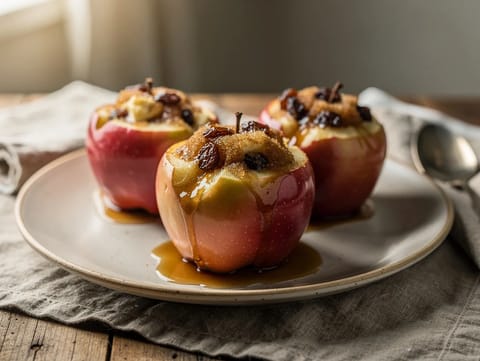
Air fryer baked apples filled with cinnamon, brown sugar and butter.
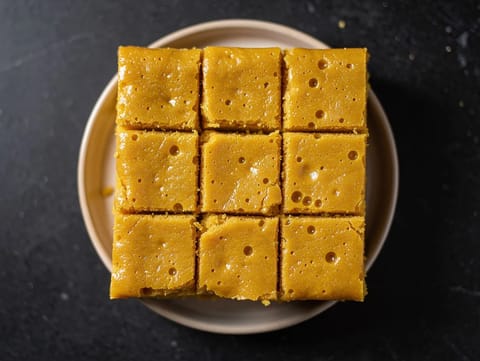
South Indian chickpea flour fudge cooked with ghee and sugar syrup
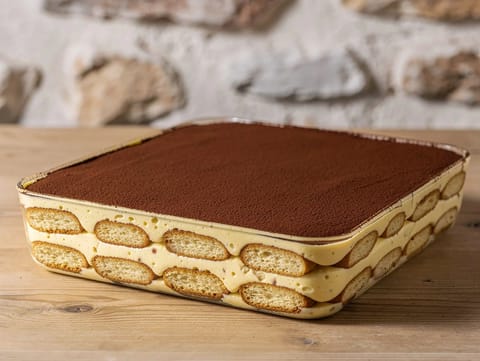
Light banana tiramisù with espresso-dipped savoiardi and cocoa

Caramel chocoflan with vanilla flan and chocolate sponge
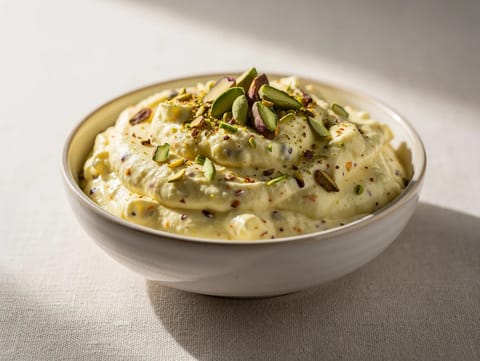
Strained yoghurt pudding flavoured with saffron and cardamom
Stovetop custard sauce is made for pouring, often served warm or cooled, and it is sensitive to overheating, which can scramble eggs and turn the texture grainy. Baked custards, including set pots and water-bath styles, trade speed for even heat and a delicate wobble. Starch-thickened puddings are usually cooked on the hob until they visibly thicken, then portioned and chilled; they can be served in glasses, moulds or as a family-style bowl. Some puddings sit between the two, using eggs for richness and starch for insurance. Rice and other grain puddings are their own branch: the thickening comes from the grain as well as the dairy, and the texture is intentionally more textured than a smooth custard.
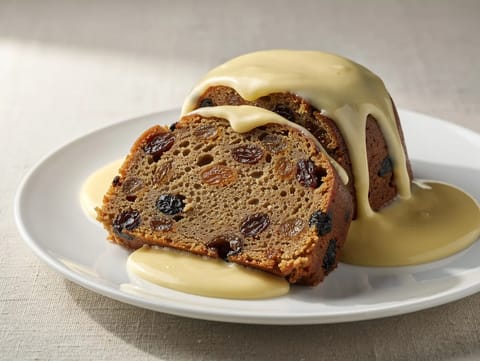
Steamed plum duff with raisins, sultanas and warm custard
Chilled Vietnamese layered dessert with mung beans, kidney beans, pandan jelly and coconut milk
Air fryer bread pudding with brioche soaked in vanilla egg custard.
Set vanilla cream dessert with a soft wobble and salted caramel topping
Traditional steak and kidney pudding with rich gravy and suet crust
Creamy Thai black sticky rice simmered with coconut milk, palm sugar and pandan
British summer pudding pressed with mixed berries until set, then served with cream
Layered English trifle with sherry-soaked sponge, raspberries, vanilla custard and whipped cream
Tender bananas simmered in sweetened coconut milk with pandan and a pinch of salt
Creamy Indian ground rice pudding with cardamom, topped with pistachios and almonds
Snowy white steamed rice cake made from milled short-grain rice and sugar
Silky vanilla baked custard set over caramel, chilled then turned out.
If you need a dessert that holds its shape for serving, look for styles designed to chill and set, such as portioned puddings or baked custards. For a looser finish, choose a custard sauce and plan to serve it as a pour-over rather than expecting it to stand. Pay attention to how the recipe cools: custards often benefit from gentle cooling to avoid weeping, while starch puddings usually need a full boil to activate thickening before they will set properly in the fridge. Skin on top is another planning point. Some recipes embrace it; others prevent it with cling film pressed directly onto the surface or a thin layer of whipped cream.
Because the base is mild, puddings and custards carry flavour well. Vanilla, citrus zest, coffee and chocolate are classic because they perfume the dairy without adding much texture. Fruit works in two ways: folded in as a compote or purée for a clean spoon, or served alongside to keep the custard smooth and the fruit bright. Crunch is often the missing element. Toasted nuts, brittle, biscuits or a caramelised sugar top give contrast to a soft set. If you are serving a warm custard sauce, it pairs naturally with baked fruit, sponge puddings and pastries, where the sauce soaks in rather than sliding off.
Cuisine is a helpful next step for puddings and custards because the same techniques show up with different aromatics, sweeteners and garnishes around the world. Cooking method is equally useful when you want to compare baked custards, stovetop stirring, or chilled set desserts without changing the basic idea.
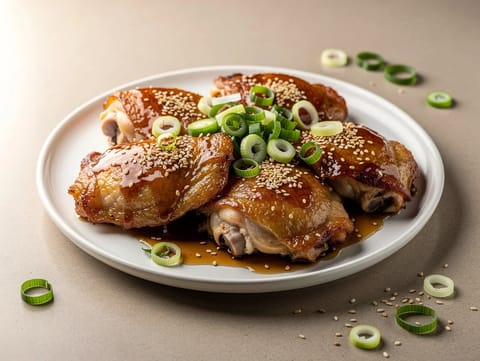
Air-fried chicken thighs in a sticky honey garlic glaze.
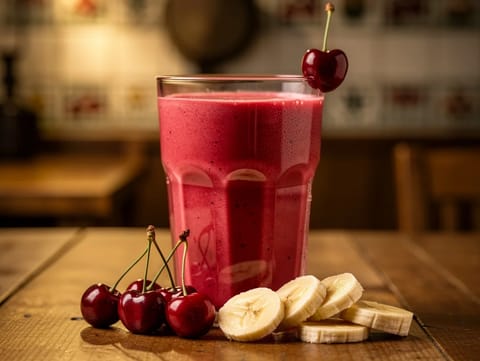
Cherries blended with yoghurt, milk and banana until smooth.

Sushi rice bowl with chicken, mango, and soy dressing.
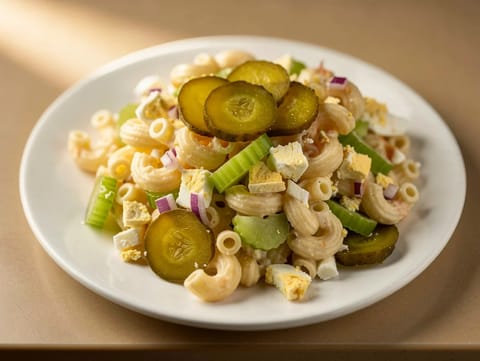
Creamy macaroni salad with sweet pickles and celery
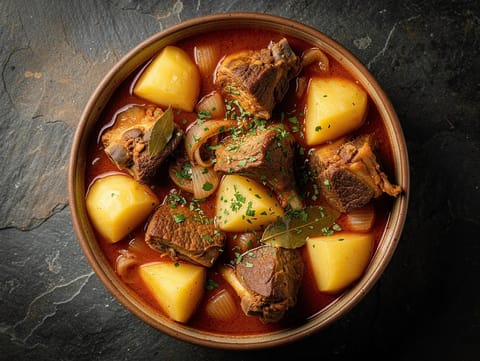
Spanish lamb stew simmered with potatoes, tomatoes and paprika
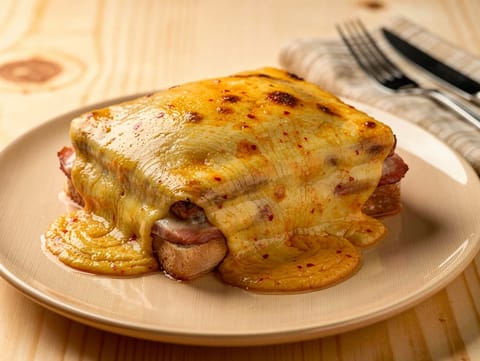
Toasted Porto sandwich with meats, melted cheese and beer sauce

Chilled German red berry pudding thickened with cornflour
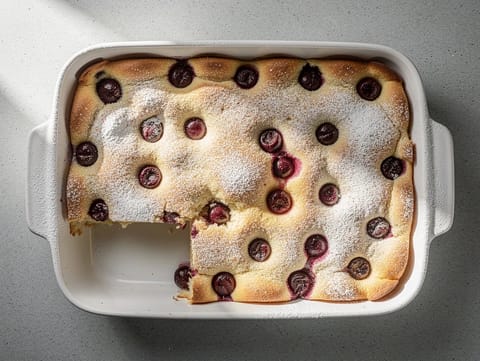
German baked bread pudding with cherries and vanilla custard
Eggs. In custard, eggs thicken the mixture as they heat. Some recipes also include starch, but eggs are the defining element.
Custard can curdle if it overheats or if the eggs are not tempered gradually. Gentle heat and steady stirring help the proteins set smoothly rather than clumping.
Many starches only thicken fully once they reach a proper simmer or brief boil. Without enough heat, the pudding may look thick in the pan but loosen as it cools.
As the surface cools, proteins and starches set where they meet air, forming a thin film. Covering the surface directly reduces evaporation and skin formation.
Not always, but a water bath moderates oven heat and helps custards set evenly with a softer texture. Some baked puddings are designed to set without it.
Often, yes. The best approach depends on whether it is a sauce or a set custard. Many recipes are written specifically to chill and serve later, while others are at their best shortly after cooking.
When you are choosing between puddings and custards, decide first whether you want a pourable sauce, a soft wobble, or a firm chilled set. The method follows naturally from that decision.
