
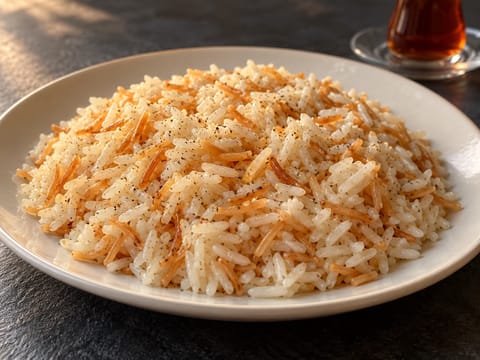
Pilav (Turkish Rice Pilaf with Vermicelli)
Turkish rice pilaf with toasted vermicelli cooked in chicken stock
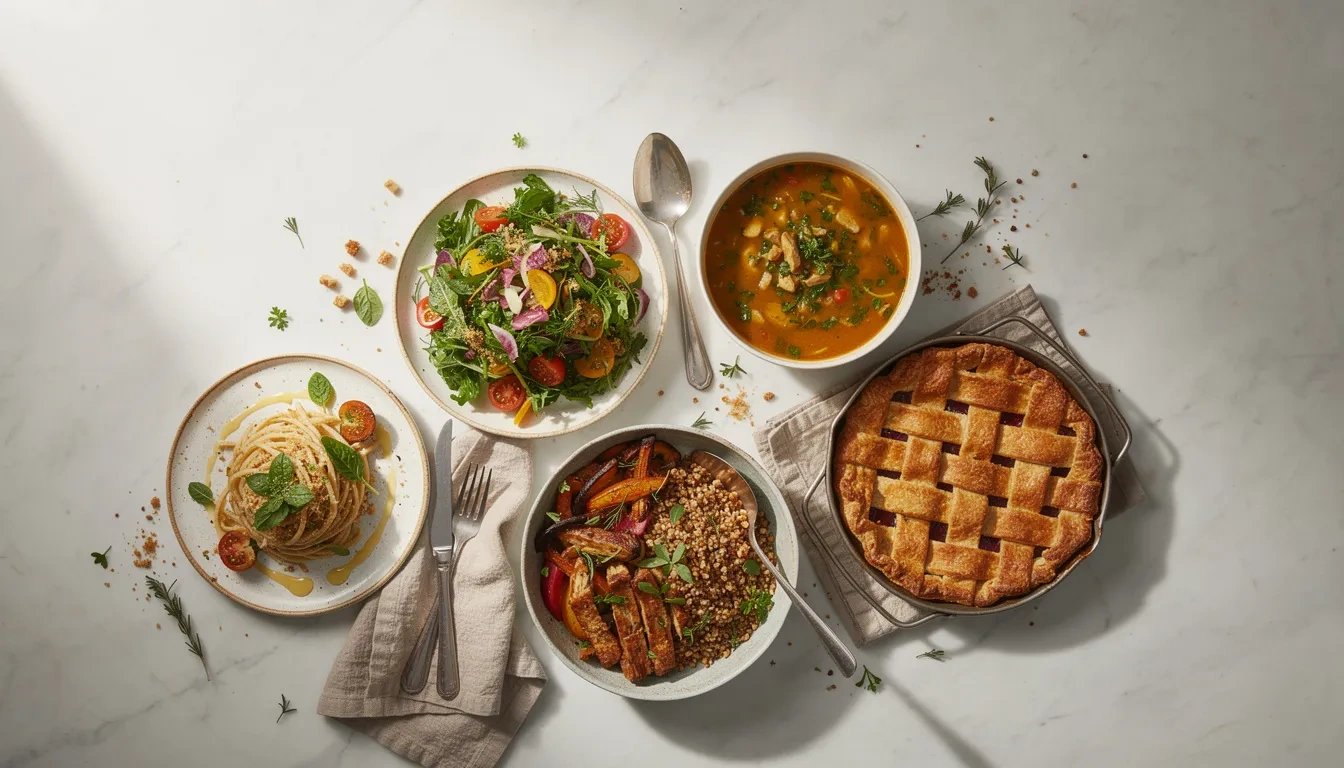
Rice dishes cover a wide range because rice behaves very differently depending on variety and method. Long-grain rice tends to cook up separate and fluffy, while short-grain and glutinous types are naturally stickier and better at forming a cohesive, creamy or clumped texture. Some recipes treat rice as a neutral base for sauces and toppings; others build flavour into the grains with stock, aromatics and fat. If you are planning ahead, it also helps to know which styles reheat well and which are best served straight from the pan.
A rice dish is any recipe where cooked rice is the main component rather than a small side. That can mean rice cooked plainly and served with a topping, rice cooked in a seasoned liquid so the grains carry the flavour, or rice cooked until it becomes creamy or porridge-like. The term does not point to one cuisine or one eating occasion. It also does not guarantee a particular texture: rice can be deliberately separate (as in many pilafs), deliberately cohesive (as in risotto-style dishes), or pressed and crisped. The most reliable way to understand a rice dish is to look at the rice variety and the cooking liquid, because those two choices largely determine how the grains absorb flavour and how the finished dish holds together.
Turkish rice pilaf with toasted vermicelli cooked in chicken stock
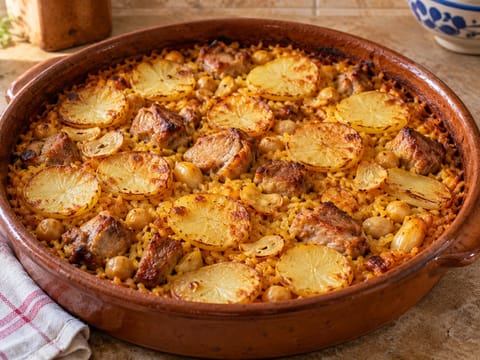
Valencian oven-baked rice with pork, chickpeas and potato
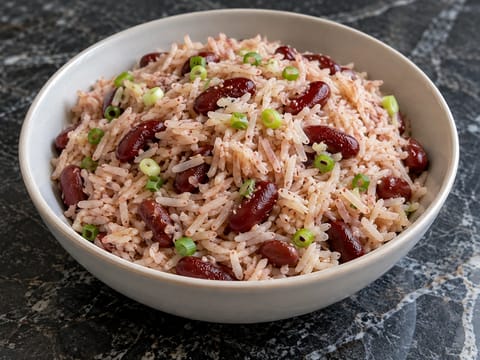
Coconut rice with kidney beans, thyme and allspice
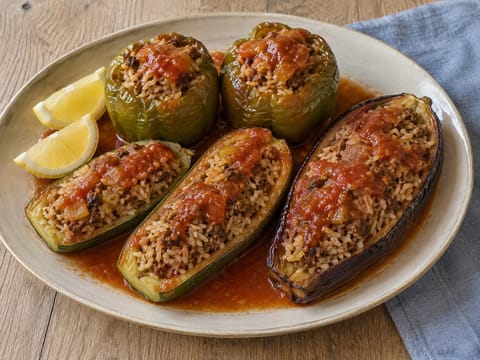
Vegetables stuffed with rice and minced lamb in tomato sauce
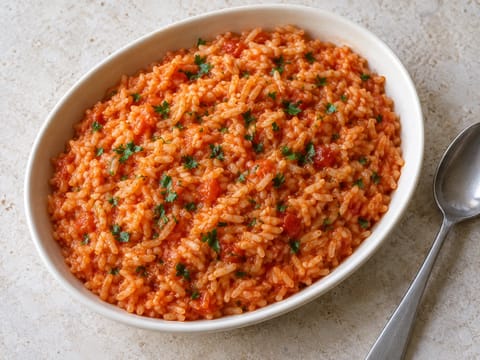
Creamy Portuguese tomato rice with onion, garlic and parsley

Spanish brothy rice cooked in saffron stock with tomato sofrito
Separate-grain dishes often start by rinsing rice to remove surface starch, then cooking it with measured liquid so it steams rather than stirs. Creamy rice dishes do the opposite: they encourage starch release through stirring, gradual liquid additions, or using naturally starchy short-grain rice. Sticky rice dishes rely on glutinous rice or short-grain rice and are often steamed, producing a cohesive mass that can be shaped or eaten in clumps. Crisped rice dishes use high heat and fat to brown the bottom layer, creating a contrast between crunchy crust and tender grains above. Each family suggests different add-ins: delicate herbs suit fluffy rice, while robust braises and roasted vegetables sit comfortably on creamy or baked rice.
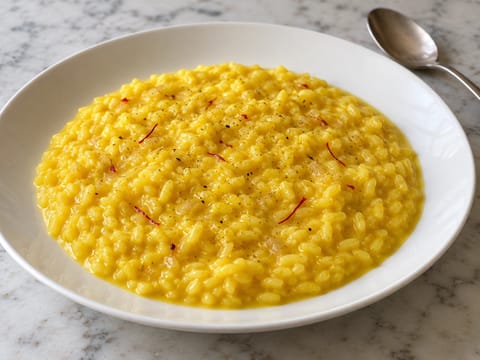
Creamy saffron risotto finished with butter and Parmesan
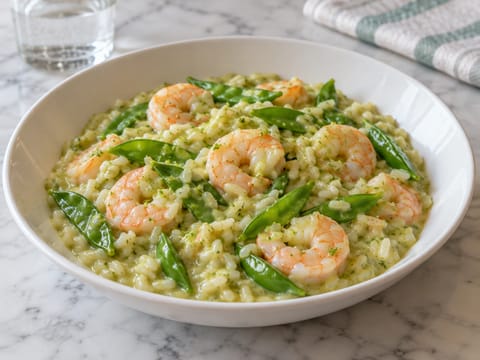
Coconut green curry risotto with prawns and mange tout
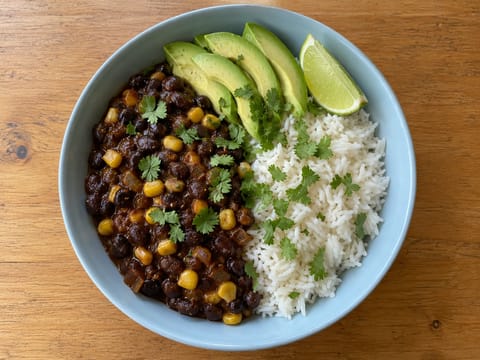
Spicy black bean rice bowl with avocado and lime
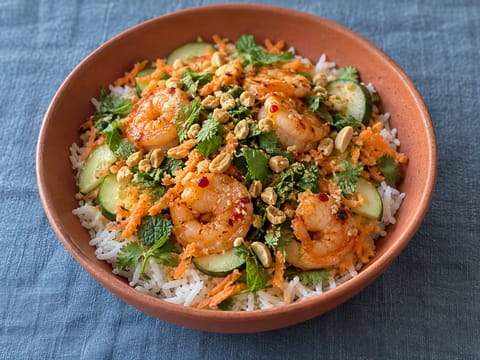
Garlic prawns over jasmine rice with herbs and lime dressing
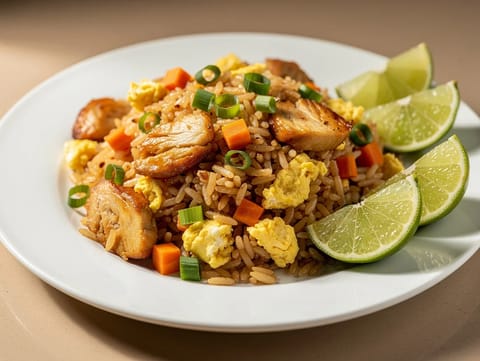
Thai fried rice with chicken, egg and jasmine rice
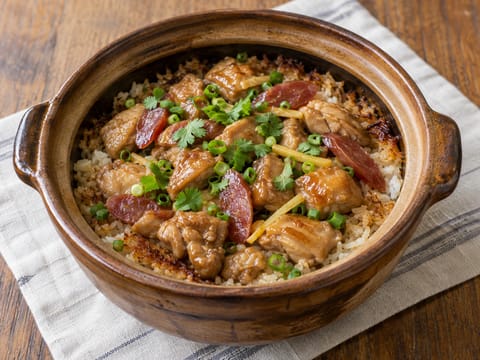
Clay pot jasmine rice with chicken thighs and Chinese sausage
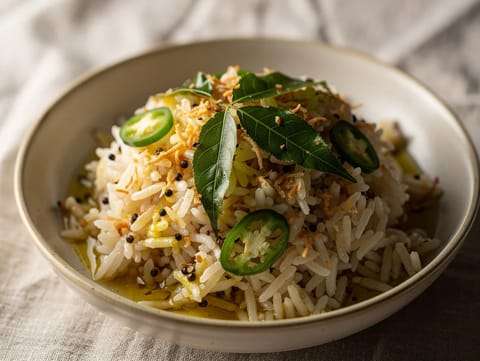
Coconut basmati rice with mustard seeds and curry leaves
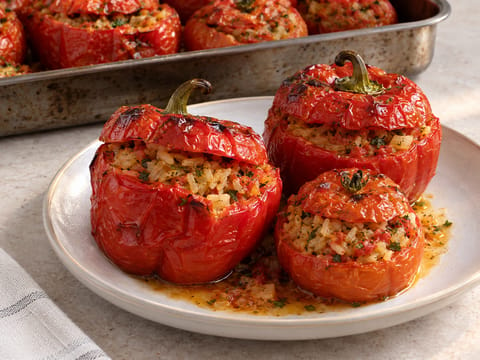
Traybaked stuffed peppers and tomatoes with herby lemon rice
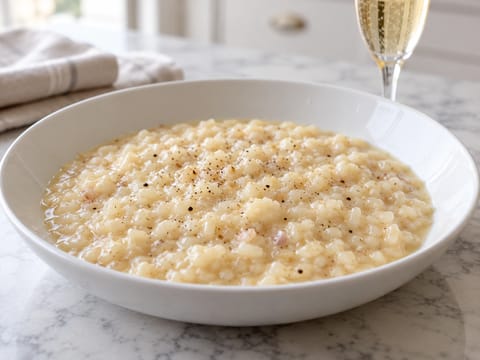
Creamy Champagne risotto finished with Parmesan
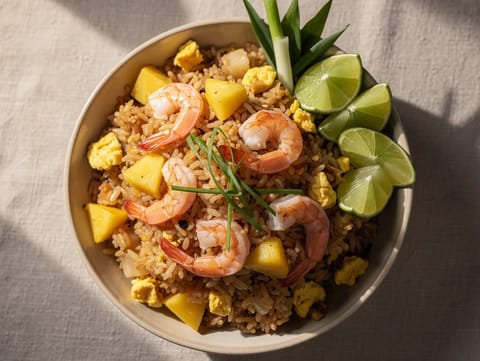
Thai pineapple fried rice with prawns, egg and spring onion
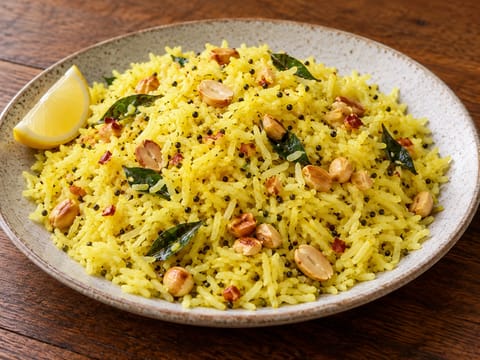
Lemon rice with mustard seeds, curry leaves and roasted peanuts
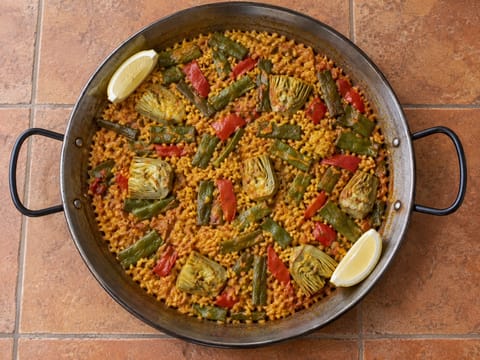
Valencian vegetable rice with saffron tomato stock
If you want a rice dish that holds well, look for styles that are meant to be served warm rather than piping hot, such as baked rice casseroles, pilafs, or rice salads. Creamy, stirred rice dishes can tighten as they cool because starches set, so recipes that include a finishing splash of stock, butter or cheese are often written with reheating in mind. For dishes where rice is topped with saucy components, consider whether the rice is meant to stay separate under the sauce or absorb it. That affects when you combine elements. Keeping rice and topping separate until serving can preserve texture, while cooking them together can create a more unified, stew-like result.
Rice is good at carrying aromatics. Onion, garlic, ginger and spices bloom in fat and then perfume the grains as they cook. Acid is often the finishing touch, especially for richer rice dishes: a squeeze of lemon, a spoon of yoghurt, or pickled vegetables can lift the whole bowl. Herbs and toasted nuts add freshness and crunch without making the dish heavy. If the rice is mild and fluffy, bold toppings such as curries, chilli oils or braised meats stand out clearly. If the rice itself is strongly seasoned, simpler sides, such as grilled vegetables or a crisp salad, keep the meal balanced.
Cuisine is often the quickest way to narrow rice dishes, because rice techniques and preferred varieties vary widely by region. Cooking method is also useful when you want to compare steamed, baked, stirred or fried approaches, since method is what turns the same grain into fluffy, creamy or crisped results.
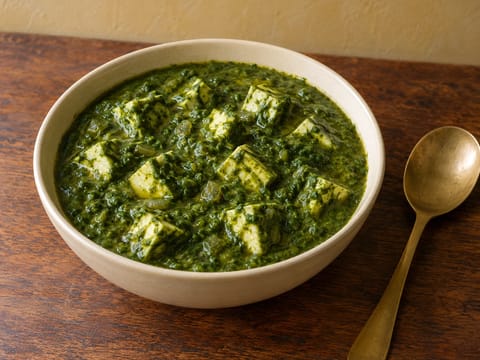
Vivid spinach purée curry with paneer and butter
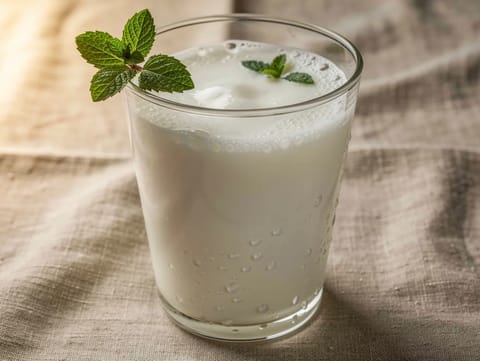
Chilled Turkish yoghurt drink whisked with water and salt
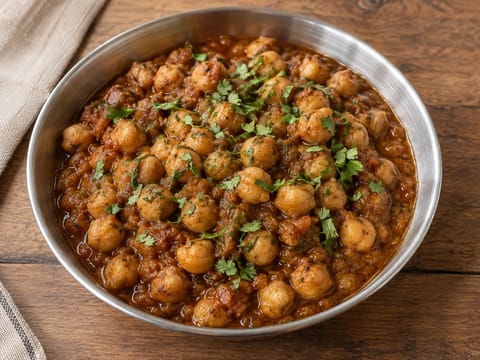
Punjabi chickpea curry in a thick tomato and onion gravy
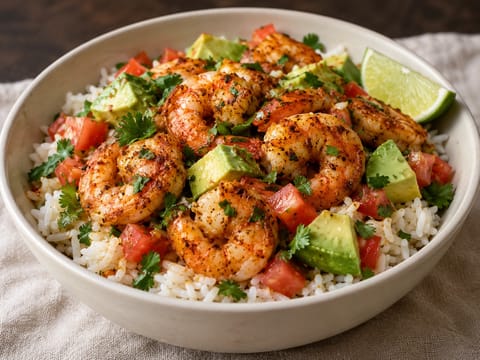
Prawn and rice bowl with avocado, tomato and lime
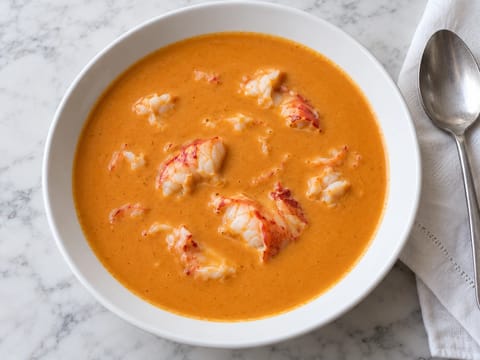
Smooth French lobster bisque finished with double cream
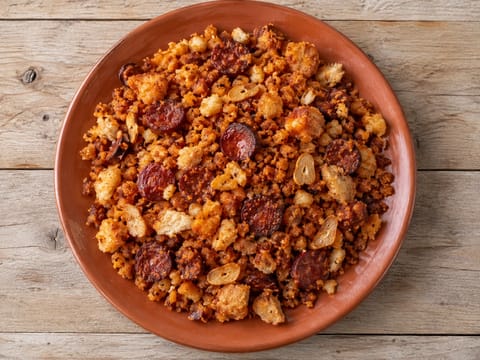
Crisp fried breadcrumbs with chorizo, garlic and paprika
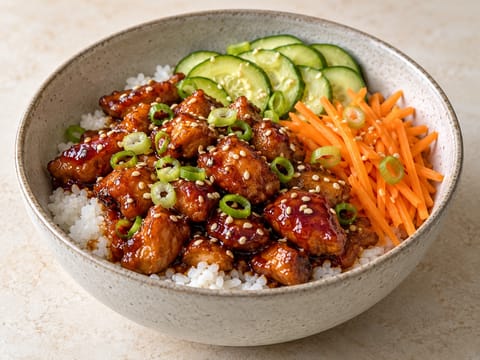
Spicy gochujang chicken bowl over sushi rice with vegetables.
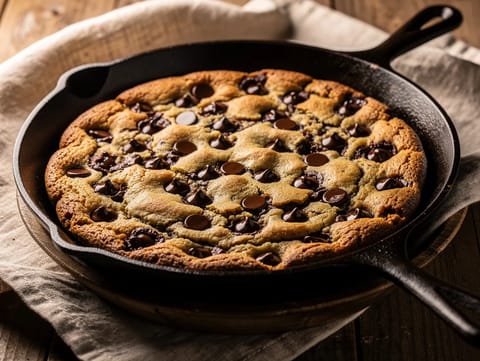
Giant skillet cookie with dark chocolate chips and vanilla
Rinsing removes surface starch, which helps long-grain rice cook up more separate. Some dishes rely on that starch for creaminess or cohesion, so rinsing would work against the intended texture.
Short-grain rice releases starch as it is stirred and as liquid is added gradually. That starch emulsifies with fat and stock, creating a creamy texture without needing cream.
Not exactly. Glutinous (sticky) rice is a specific type that becomes very cohesive when steamed. Some short-grain rices are sticky too, but they are not identical and behave differently in recipes.
As rice cools, starches set and moisture redistributes, so the grains can feel firmer. Many recipes reheat best with a little added liquid and gentle heat to loosen the texture.
A crisp layer forms when cooked rice sits against a hot pan with enough fat and time to brown. The top stays tender while the bottom dehydrates and caramelises.
Sometimes, but expect the texture to change. Long-grain, short-grain and glutinous rices absorb liquid differently and release different amounts of starch, which affects everything from creaminess to stickiness.
When you choose a rice dish, start with the texture you want, then pick the rice variety and method that naturally produce it. Once that foundation is right, seasonings and toppings fall into place.
