

Cod with Romesco Sauce
Pan-seared cod with romesco sauce

Sauce is the part of a meal that carries flavour and sets the texture, whether it’s a glossy pan sauce, a spoonable salsa or a thick, slow-cooked ragù. For family cooking, the most useful way to choose is by texture and purpose: do you need something that clings, something that soaks in, or something that sits on top as a bright finishing note? Once you know that, you can pick a base and method that fits the food you’re serving and the time you have.
A sauce is a seasoned liquid or semi-liquid element served with food, either cooked into the dish or added at the end. It can provide moisture to lean ingredients, richness to starchy foods, or sharpness to balance fatty or fried items. Texture is not incidental: a thin sauce behaves like a seasoning and will pool; a thicker sauce coats and clings; an emulsified sauce feels creamy without necessarily being dairy-based. Many sauces are built from a few repeatable foundations such as stock reduction, tomatoes, dairy, puréed vegetables, nuts or seeds, or oil-and-acid emulsions. The same flavour profile will read differently depending on whether it’s smooth, chunky, glossy or rustic.
Pan-seared cod with romesco sauce
Gently cooked salmon topped with a tangy sorrel sauce finished with double cream
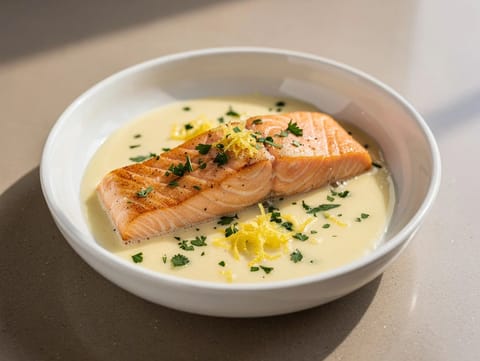
Pan-seared salmon with lemon beurre blanc
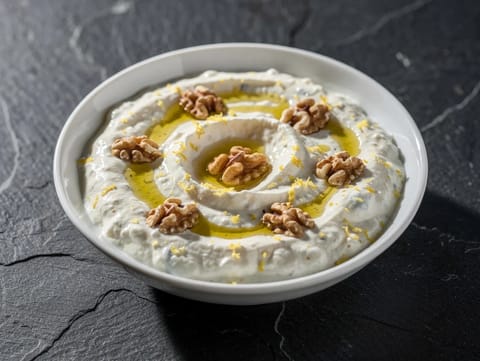
Chilled walnut and yoghurt sauce with garlic and lemon
Sole meunière finished with nutty brown butter, capers and lemon
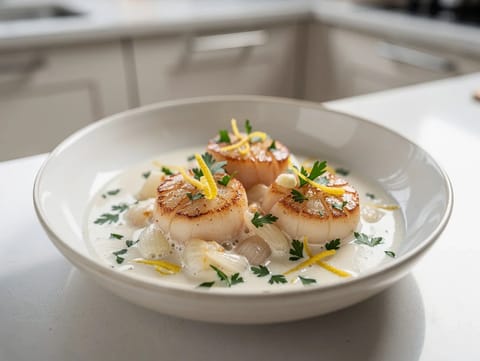
Seared scallops in a white wine and cream sauce
Pan sauces are made quickly from cooking juices, often finished with butter, cream or a splash of something acidic to round the flavour. Tomato-based sauces range from fresh, barely cooked styles to long-simmered versions that become darker and sweeter as water evaporates. Cream and cheese sauces are naturally coating, but they can tighten as they cool, which matters if the sauce needs to sit before serving. Puréed vegetable sauces, such as pepper or squash-based, give body without relying on flour. Pestos and herb sauces are usually uncooked and vivid, best treated as a finishing layer rather than simmered. Salsas and chutney-like sauces are often chunky and bright, adding contrast more than coverage.
Seared scallops in a white wine and cream sauce
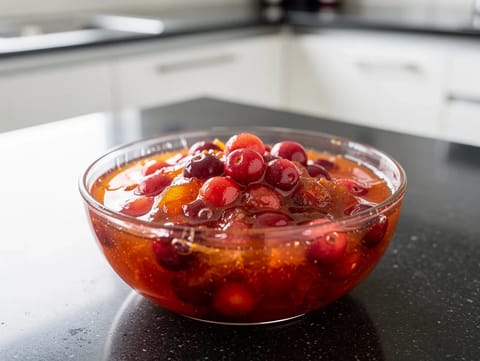
Cranberry sauce simmered with orange, then chilled until thick
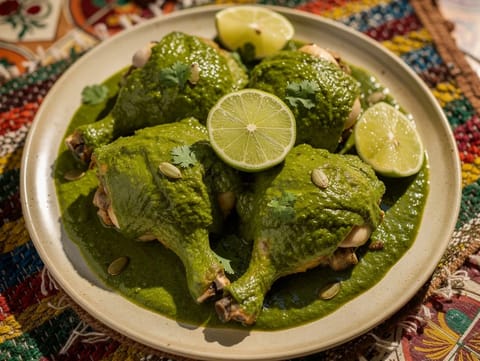
Chicken coated in thick pumpkin seed and tomatillo sauce
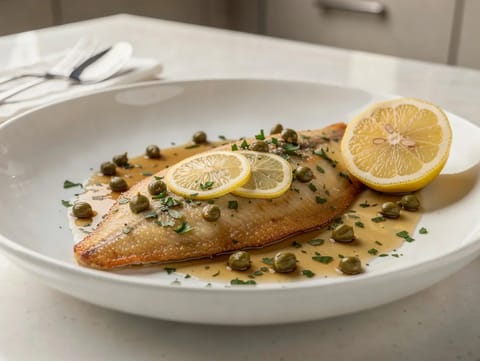
Pan-fried sole with browned butter, capers and lemon
Lightly floured sole pan-fried in butter, served with lemony brown butter sauce
Tender trout fillets finished with nutty brown butter, toasted almonds and lemon
Dutch mushroom ragout thickened with flour, loosened with stock, and finished with cream
Sole meunière finished with nutty brown butter, capers and lemon
Pipián rojo is a glossy red sauce of pumpkin seeds, dried chillies, tomato and sesame
Golden pan-fried cod with a Dijon mustard, chive, white wine and cream sauce
Gently cooked salmon topped with a tangy sorrel sauce finished with double cream
If you’re dressing pasta, choose a sauce that matches the shape: thicker sauces cling to ridges and tubes, while smoother sauces suit long strands. For roasted or grilled meats and vegetables, a spoonable sauce with acidity, such as a salsa verde-style herb sauce, can lift browned flavours without masking them. For rice, couscous and grains, slightly looser sauces soak in and season the whole bowl. Fried foods often want sharpness and a bit of creaminess, but keep the sauce thick enough to dip rather than drench, so the coating stays crisp. When you need a sauce to stretch a meal, choose one with body, such as a tomato ragù or a blended vegetable sauce, so a small amount feels substantial.
Cooking method is a useful companion for sauces because the technique often defines the result, from reductions and emulsions to no-cook herb sauces. Cuisine can also guide you towards familiar flavour structures, such as tomato-forward Mediterranean styles, chilli-and-lime salsas, or soy-based dipping sauces, without assuming there is only one correct version.
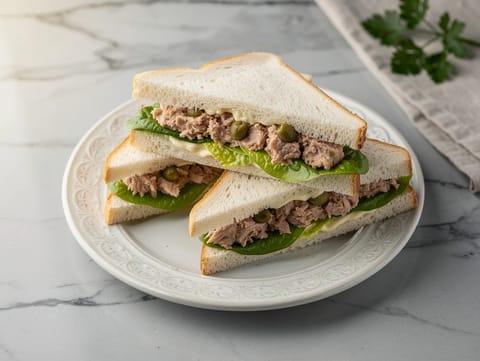
Crustless tuna sandwiches with mayonnaise, capers and lettuce
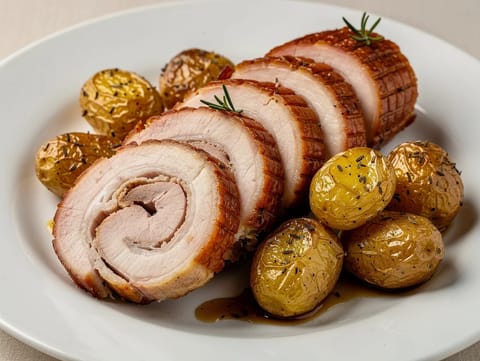
Roast pork belly with potatoes, rosemary and fennel seeds
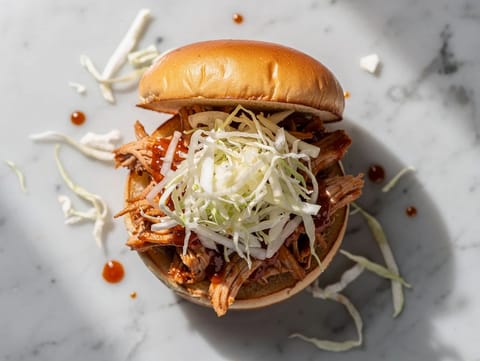
Pulled chicken in barbecue sauce, served in buns with slaw
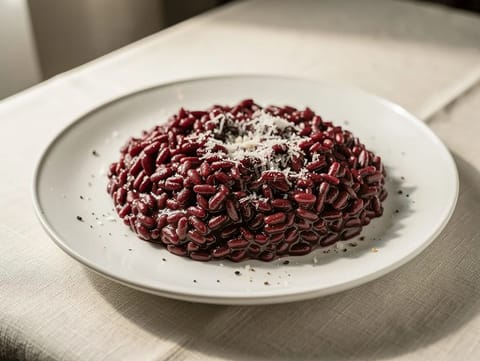
Creamy red wine risotto finished with butter and Parmesan
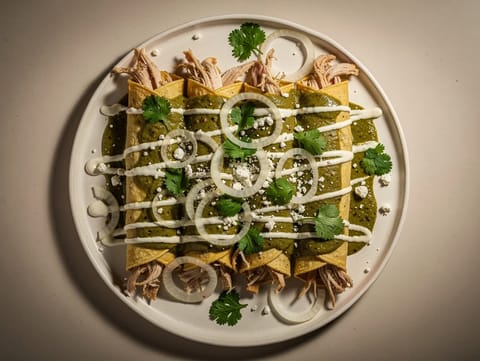
Baked chicken enchiladas with tomatillo sauce and crema
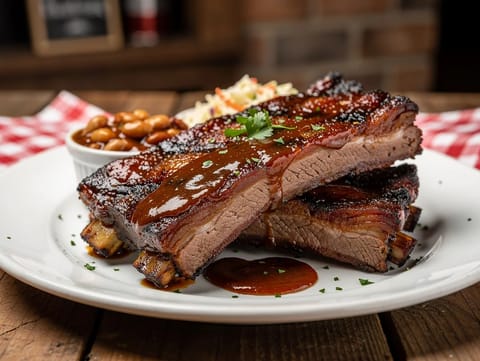
Slow-baked beef ribs with a sweet, tangy BBQ glaze
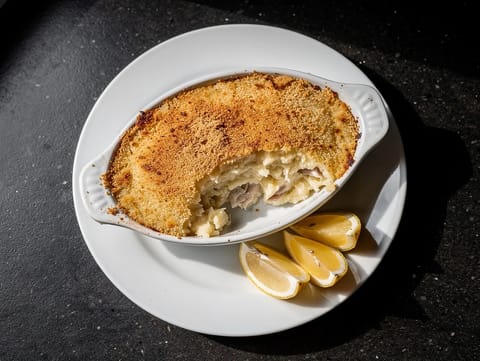
Salt cod and potato brandade baked with a golden breadcrumb topping
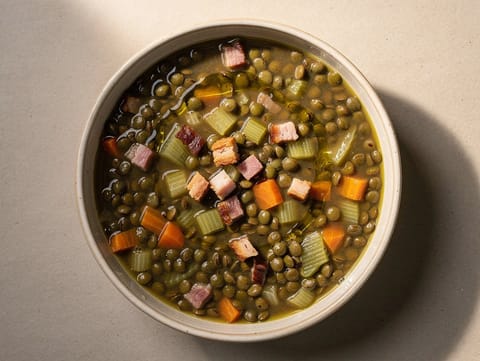
Italian lentil soup with pancetta and rosemary
Dressings are typically used to coat salads and are often built around oil and acid, sometimes emulsified. Sauces are broader: they can be cooked or uncooked, thick or thin, and served with many kinds of dishes.
Emulsified sauces can split if they get too hot, if fat is added too quickly, or if the balance of water and fat shifts. Gentle heat and gradual mixing help keep them stable.
Reduction (simmering to evaporate water), blending in cooked vegetables or beans, or using dairy and cheese can all add body. Some sauces thicken naturally as they cool.
Often it needs acidity or aroma rather than more salt. A squeeze of citrus, a splash of vinegar, mustard, capers, fresh herbs or a little chilli can sharpen the flavour.
Yes. A robust sauce such as a ragù, curry-style sauce or thick vegetable purée can carry the dish when paired with pasta, rice, potatoes or bread, and a simple protein or vegetables.
Decide whether you want a sauce to coat, to soak in, or to finish the dish with brightness. That single decision narrows the method and ingredients quickly, and makes the rest of the meal easier to balance.
