
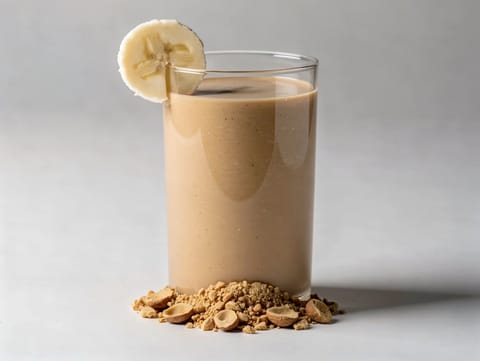
Peanut Butter Banana Smoothie
Creamy peanut butter banana smoothie with milk, yoghurt and honey

A smoothie is a blended drink built around fruit, a liquid base and, often, something to add body such as yoghurt, oats, nut butter or seeds. Because there is no cooking to soften flavours, the ingredient choices show up clearly: ripe fruit tastes sweeter, citrus tastes sharper, and too much ice can mute everything.
When you are planning ahead, the key decision is texture. Some smoothies are light and sippable; others are thick enough to feel almost spoonable. That thickness comes from the balance of frozen ingredients, liquid and emulsifying elements, not from blending longer.
Fruit-forward smoothies lean on bananas, berries, mango or pineapple for flavour and natural sweetness. They can be made with water, juice or milk, depending on how rich you want the finish.
Creamier smoothies use yoghurt, kefir or a dairy-free alternative to add tang and body. These bases also help carry spices such as cinnamon, vanilla or ginger without the drink tasting thin.
Green smoothies typically combine leafy greens with a sweeter fruit to keep the flavour rounded. The greens contribute freshness and colour, but they can taste grassy if the fruit is not ripe enough or if the drink is too cold and diluted.
Protein-leaning smoothies often include nut butters, seeds or oats for a thicker, more filling texture. These ingredients also change how the smoothie pours, so they usually need a little more liquid to blend smoothly.
Creamy peanut butter banana smoothie with milk, yoghurt and honey
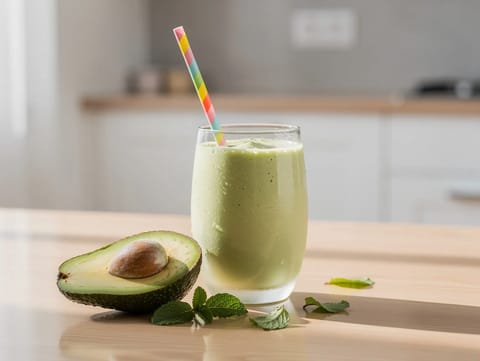
Vietnamese avocado smoothie with condensed milk and ice
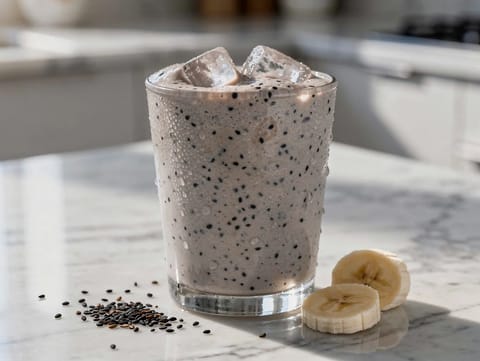
A creamy smoothie with banana, black sesame and soy milk.
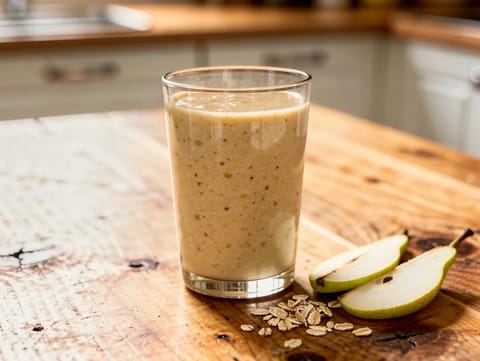
A filling pear and oat smoothie with yoghurt and cinnamon.
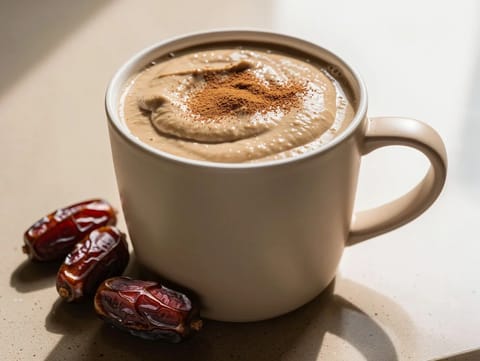
Banana, tahini and date smoothie blended with whole milk.
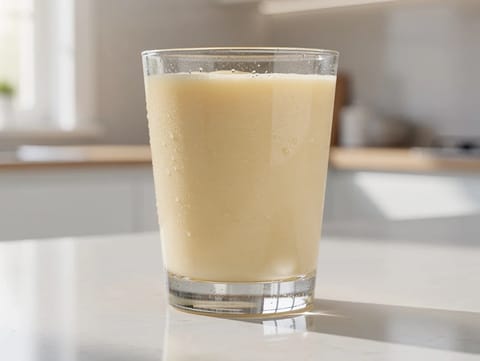
Tropical coconut smoothie with mango, pineapple, lime and honey
For a thick smoothie, start with frozen fruit and add liquid gradually. Frozen banana is a common thickener because it blends to a creamy texture without much added flavour beyond sweetness. If you prefer a lighter drink, use fresh fruit and chill with a small amount of ice rather than relying on ice for bulk.
Pay attention to acidity. Citrus, passion fruit and some berries can taste bright and refreshing, but they can also dominate if the base is very neutral. A creamy base softens sharpness; a juice base tends to emphasise it.
If you are prepping ahead, portioning ingredients into freezer packs helps with speed and consistency. Keep liquids separate until blending, and add delicate ingredients such as herbs at the last moment so they stay aromatic rather than tasting bruised.
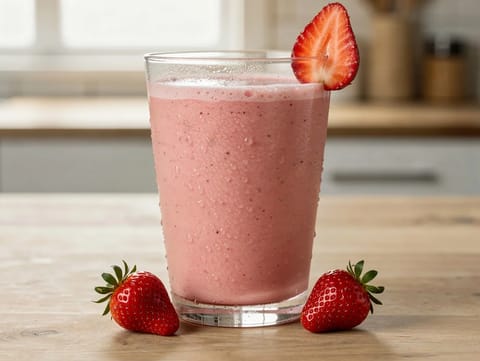
Cold strawberry smoothie with Greek yoghurt, milk and honey
Tropical coconut smoothie with mango, pineapple, lime and honey
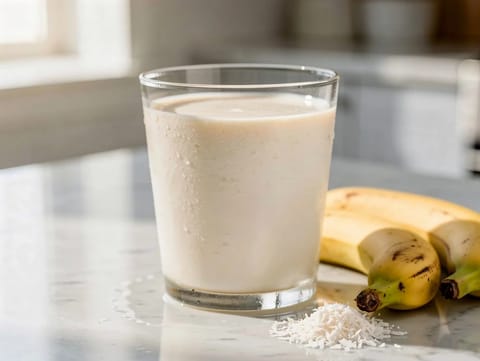
Banana and coconut milk smoothie with a hint of lime.
A creamy smoothie with banana, black sesame and soy milk.
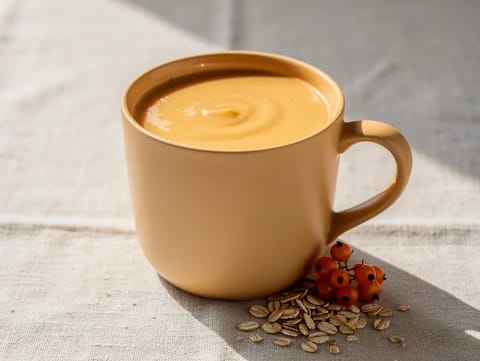
Cloudberries, oats and skyr blended into a thick breakfast smoothie.
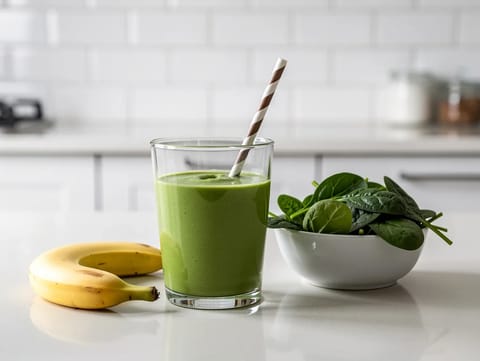
Green smoothie with spinach, banana and lemon
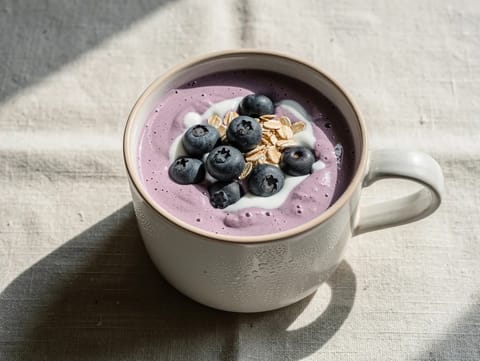
Blueberry breakfast smoothie with oats and Greek yoghurt
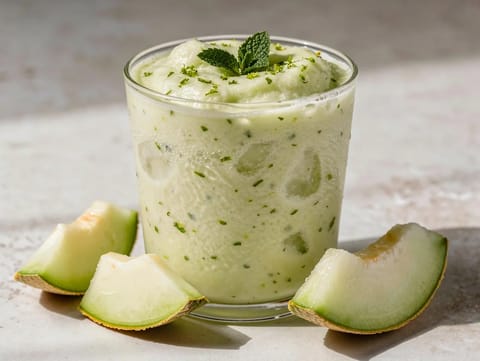
A refreshing melon smoothie with mint, lime and yoghurt.
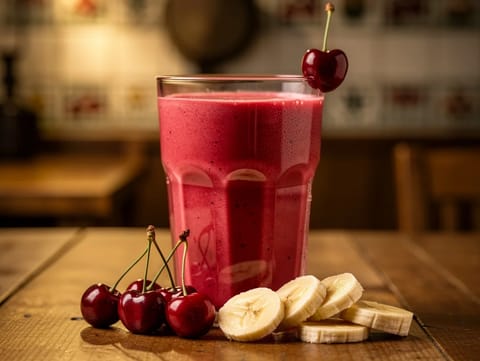
Cherries blended with yoghurt, milk and banana until smooth.
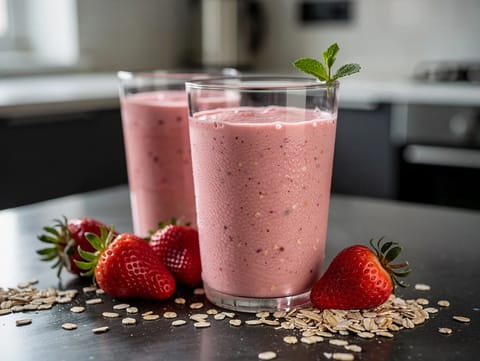
Strawberry oat breakfast smoothie with Greek yoghurt and banana
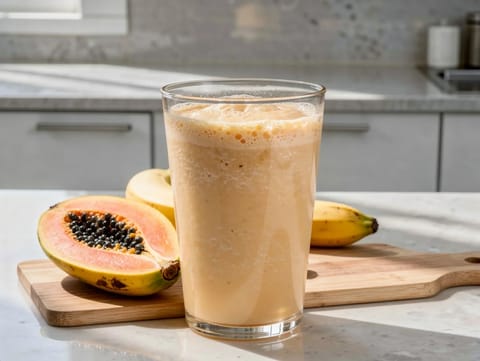
Papaya and banana smoothie with yoghurt, lime and coconut milk.
Banana, tahini and date smoothie blended with whole milk.
Banana pairs well with cocoa, coffee and peanut butter because it adds sweetness and a rounded texture. Mango and pineapple work with lime, coconut and ginger, where a little acidity keeps the drink from tasting flat. Berries are comfortable with vanilla and yoghurt, which support their perfume without making them taste jammy.
For green smoothies, spinach is mild and tends to disappear into fruit; kale is more assertive and often benefits from a stronger partner such as pineapple, citrus or ginger. If you are using spices, add them sparingly at first. In a cold drink, cinnamon, turmeric and cardamom can read as more intense than they do in baked or simmered dishes.
Cooking method is useful here because smoothies are all about blending technique and ingredient temperature, rather than heat. If you want a smoothie to play a particular role at the table, Course can help you compare drink-style smoothies with thicker, more substantial options that sit closer to a light meal.
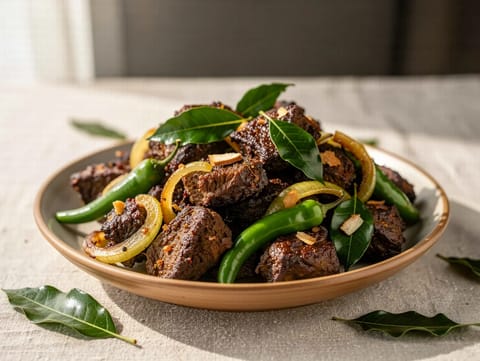
Dry Kerala beef fry with curry leaves and coconut
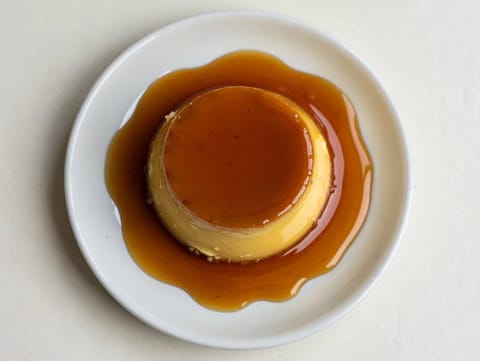
Baked orange caramel flan turned out with its caramel sauce
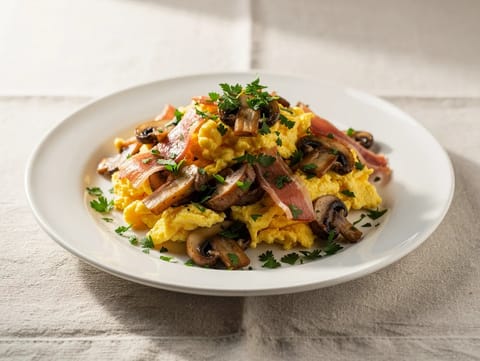
Soft scrambled eggs with mushrooms and serrano ham

Vegetarian burrito with black beans, rice, salsa and cheddar
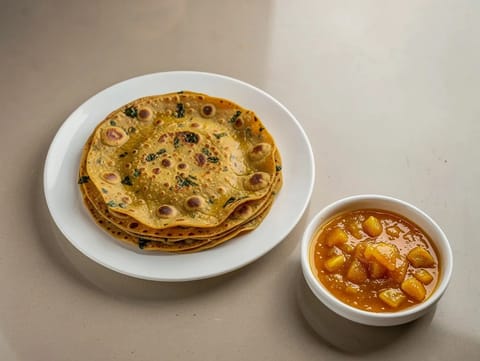
Spiced fenugreek flatbreads served warm with mango pickle
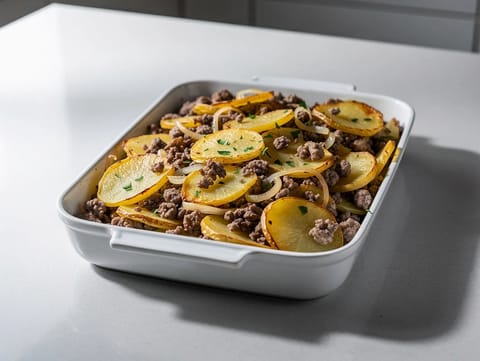
Baked Finnish potato and sausage casserole set with egg
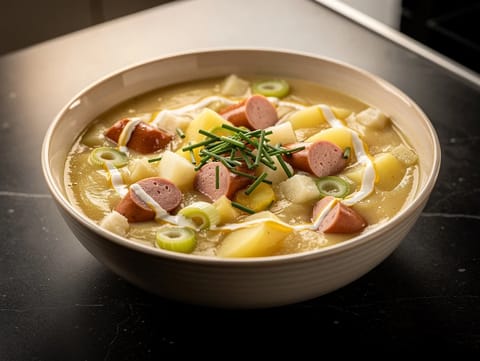
German potato soup with frankfurters, leeks and crème fraîche
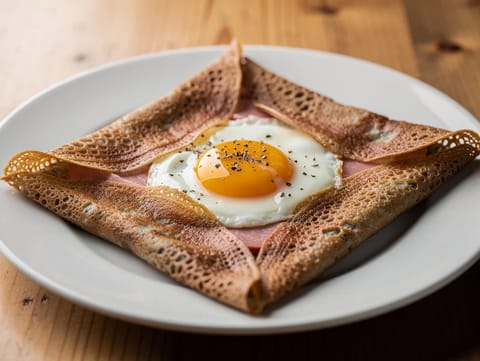
Buckwheat galette with ham and egg, folded and served hot
Usually frozen fruit, banana, yoghurt and ingredients such as oats or nut butter. Thickness comes from the ratio of solids to liquid, not from blending for longer.
Too much liquid or too much ice can dilute flavour. Using more frozen fruit, adding liquid gradually, and relying on chilled ingredients rather than lots of ice can help.
You can, but texture and flavour may change as the mixture sits. A practical compromise is to prep freezer packs of fruit and add the liquid just before blending.
It depends on what you blend. Softer fruit and yoghurt are forgiving; fibrous greens, frozen chunks and seeds are more demanding and may need a stronger blender or a little extra liquid.
Use mild greens, choose ripe fruit, and balance with a creamy base or a squeeze of citrus. Very cold, diluted smoothies can make bitterness more noticeable.
Separation is common when fruit pulp and liquid settle at different rates. Ingredients that emulsify, such as yoghurt or nut butter, can help it stay more uniform for longer.
Decide first whether you want a light drink or a thick, creamy smoothie, then build the ingredient list to match. Once the texture is right, small changes, a squeeze of citrus, a pinch of spice, a spoon of yoghurt, make the flavour feel intentional.
