
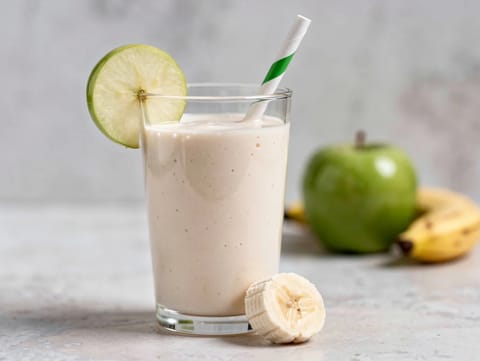
Apple Kefir Smoothie
Blend kefir with apple, banana and cinnamon until smooth.
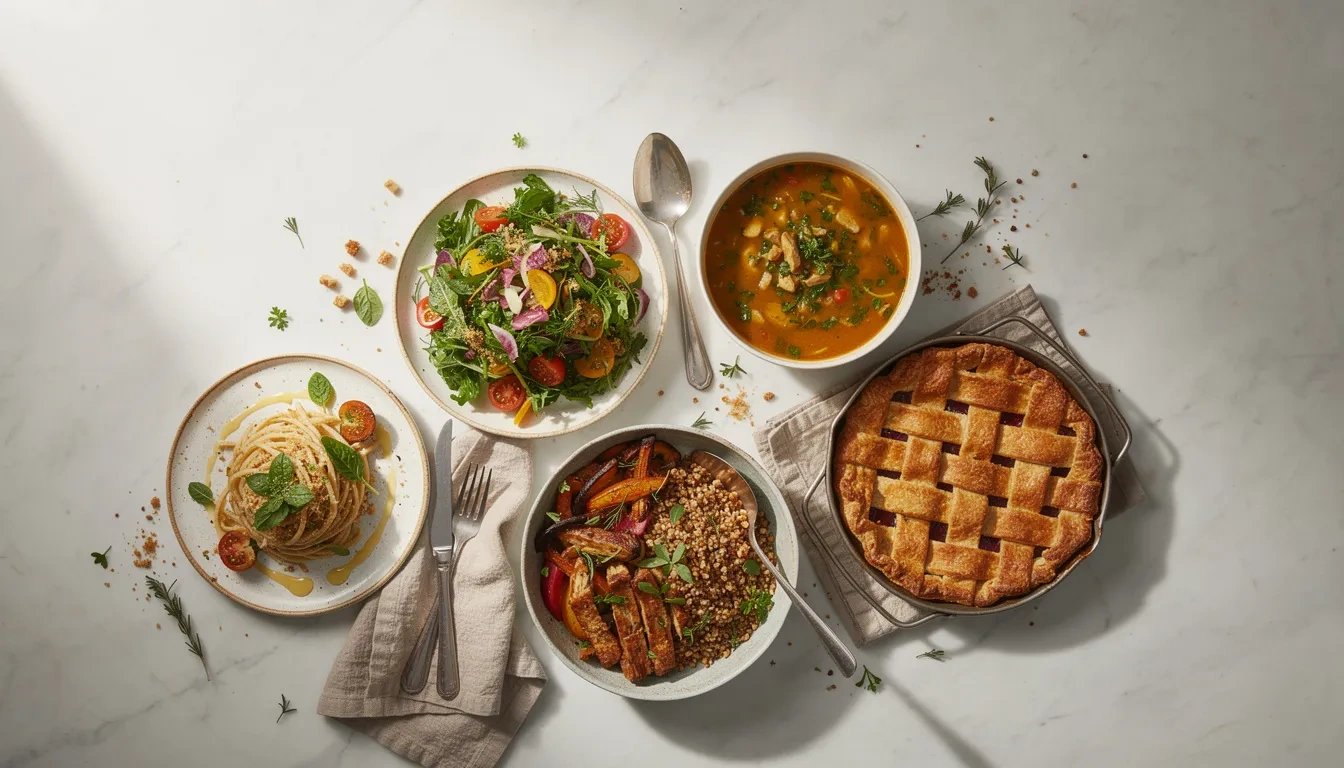
A smoothie is a blended drink built around fruit, a liquid base and, often, something to add body such as yoghurt, oats, nut butter or seeds. Because there is no cooking to soften flavours, the ingredient choices show up clearly: ripe fruit tastes sweeter, citrus tastes sharper, and too much ice can mute everything.
When you are planning ahead, the key decision is texture. Some smoothies are light and sippable; others are thick enough to feel almost spoonable. That thickness comes from the balance of frozen ingredients, liquid and emulsifying elements, not from blending longer.
Fruit-forward smoothies lean on bananas, berries, mango or pineapple for flavour and natural sweetness. They can be made with water, juice or milk, depending on how rich you want the finish.
Creamier smoothies use yoghurt, kefir or a dairy-free alternative to add tang and body. These bases also help carry spices such as cinnamon, vanilla or ginger without the drink tasting thin.
Green smoothies typically combine leafy greens with a sweeter fruit to keep the flavour rounded. The greens contribute freshness and colour, but they can taste grassy if the fruit is not ripe enough or if the drink is too cold and diluted.
Protein-leaning smoothies often include nut butters, seeds or oats for a thicker, more filling texture. These ingredients also change how the smoothie pours, so they usually need a little more liquid to blend smoothly.
Blend kefir with apple, banana and cinnamon until smooth.
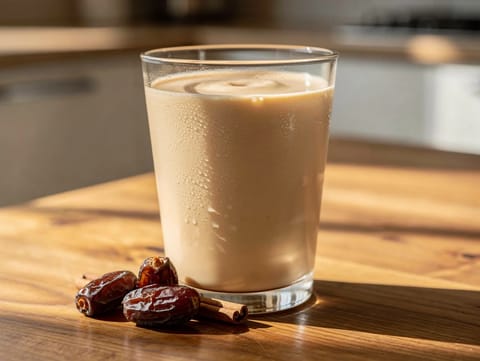
Creamy date smoothie with milk, yoghurt, honey and cinnamon
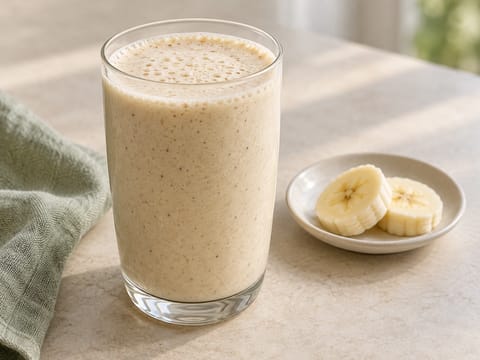
Banana and buttermilk blended into a lightly tangy smoothie.
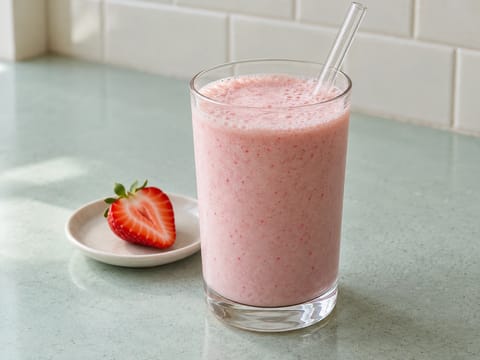
Creamy strawberry milk smoothie blended with ice.
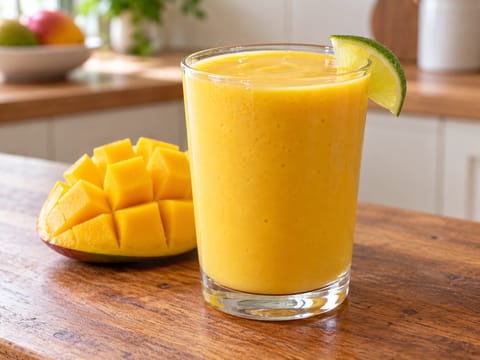
Blend mango with condensed milk, whole milk and ice.
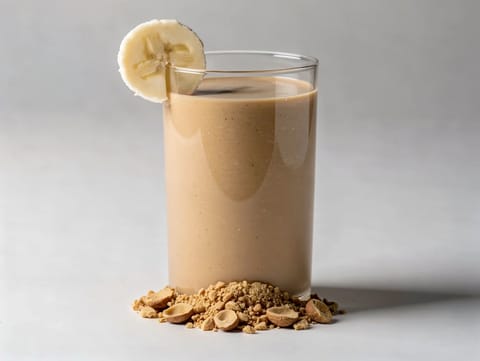
Creamy peanut butter banana smoothie with milk, yoghurt and honey
For a thick smoothie, start with frozen fruit and add liquid gradually. Frozen banana is a common thickener because it blends to a creamy texture without much added flavour beyond sweetness. If you prefer a lighter drink, use fresh fruit and chill with a small amount of ice rather than relying on ice for bulk.
Pay attention to acidity. Citrus, passion fruit and some berries can taste bright and refreshing, but they can also dominate if the base is very neutral. A creamy base softens sharpness; a juice base tends to emphasise it.
If you are prepping ahead, portioning ingredients into freezer packs helps with speed and consistency. Keep liquids separate until blending, and add delicate ingredients such as herbs at the last moment so they stay aromatic rather than tasting bruised.
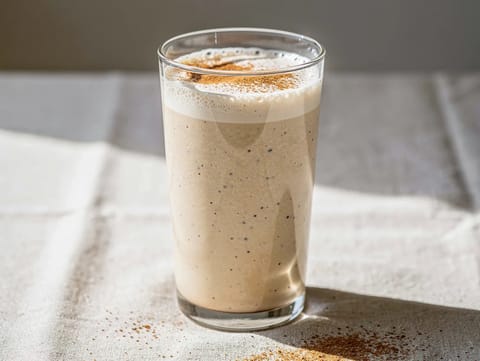
A creamy espresso banana smoothie with milk and yoghurt.
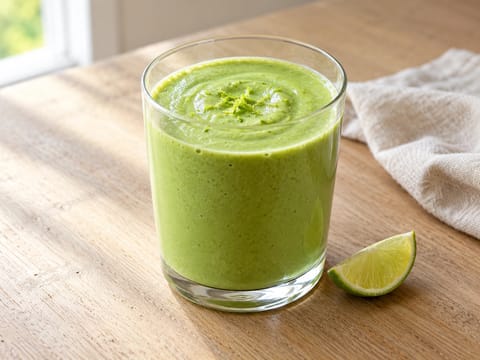
Creamy spinach, avocado and lime smoothie with banana and yoghurt.
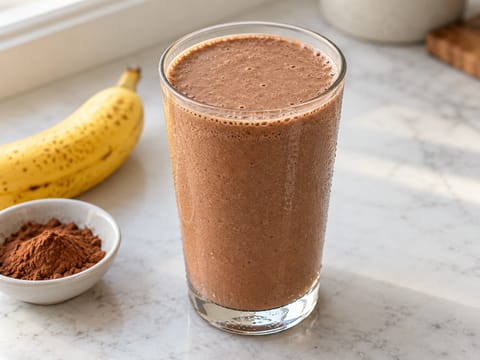
Chocolate banana smoothie with cocoa, peanut butter and whole milk
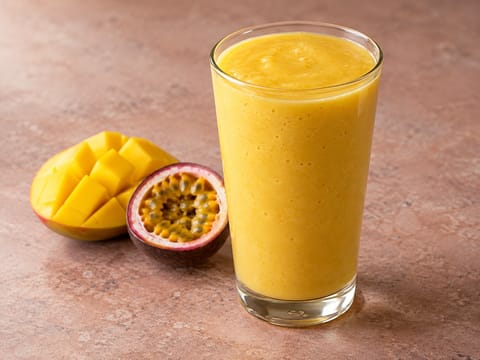
Passion fruit and mango smoothie blended with banana and orange juice.
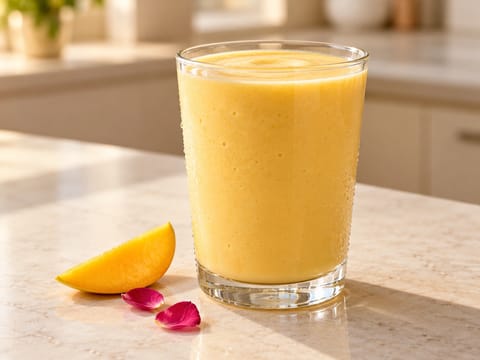
A chilled mango yoghurt smoothie lightly scented with rose.
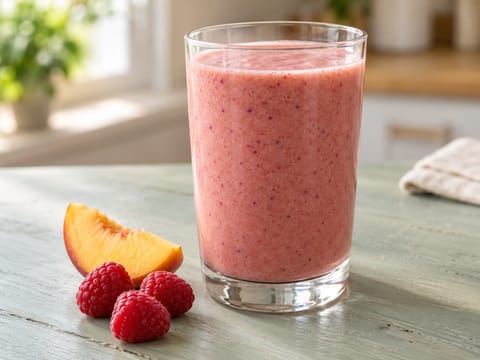
Peaches, raspberries and Greek yoghurt blended into a creamy smoothie.
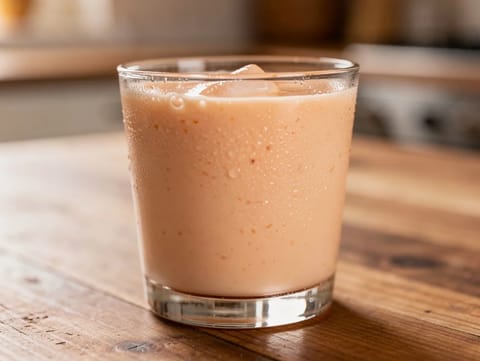
Peach yoghurt smoothie blended with milk and a little honey.
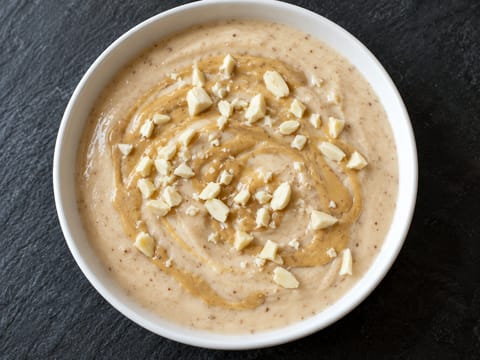
Date and tahini smoothie bowl with banana and yoghurt
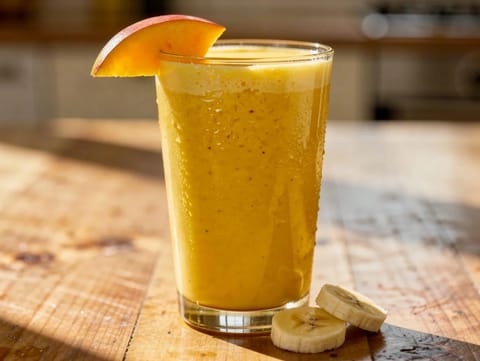
Tropical mango and pineapple smoothie with banana and Greek yoghurt
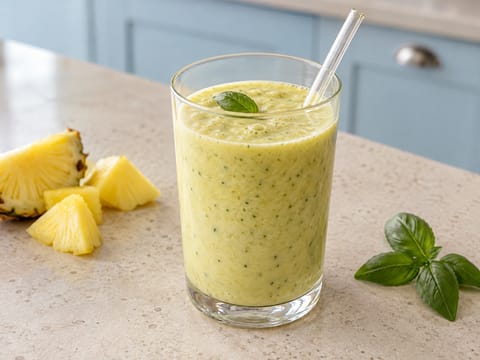
Pineapple smoothie with coconut milk, basil, and lime.
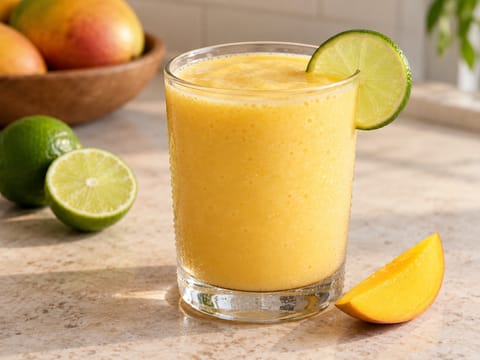
Mango smoothie blended with coconut milk, lime, and crushed ice.
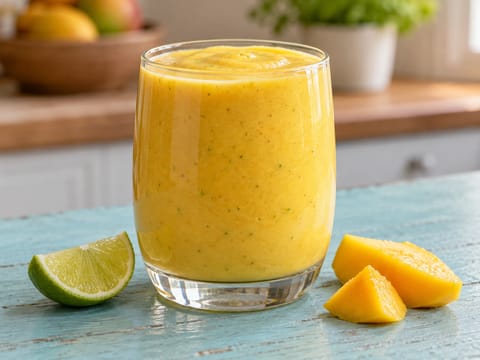
Mango smoothie with lime and a touch of chilli.
Banana pairs well with cocoa, coffee and peanut butter because it adds sweetness and a rounded texture. Mango and pineapple work with lime, coconut and ginger, where a little acidity keeps the drink from tasting flat. Berries are comfortable with vanilla and yoghurt, which support their perfume without making them taste jammy.
For green smoothies, spinach is mild and tends to disappear into fruit; kale is more assertive and often benefits from a stronger partner such as pineapple, citrus or ginger. If you are using spices, add them sparingly at first. In a cold drink, cinnamon, turmeric and cardamom can read as more intense than they do in baked or simmered dishes.
Cooking method is useful here because smoothies are all about blending technique and ingredient temperature, rather than heat. If you want a smoothie to play a particular role at the table, Course can help you compare drink-style smoothies with thicker, more substantial options that sit closer to a light meal.

Yeast-raised Belgian waffles dusted with icing sugar
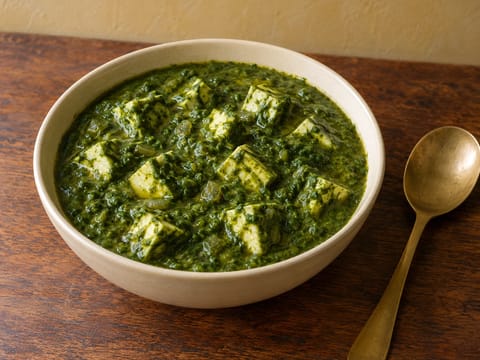
Vivid spinach purée curry with paneer and butter
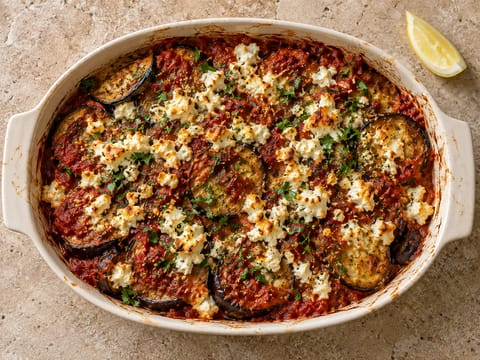
Roasted aubergine baked in tomato sauce with feta and oregano

Rye pastries filled with rice porridge and served with egg butter
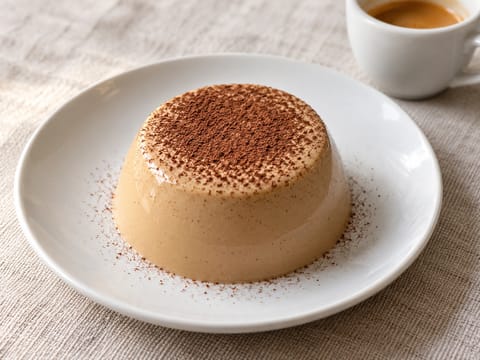
Silky espresso panna cotta finished with a dusting of cocoa
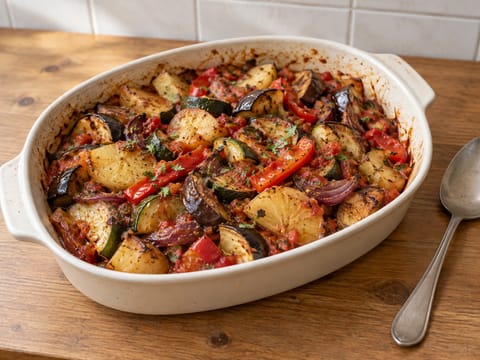
Greek roasted vegetable bake with tomato and olive oil
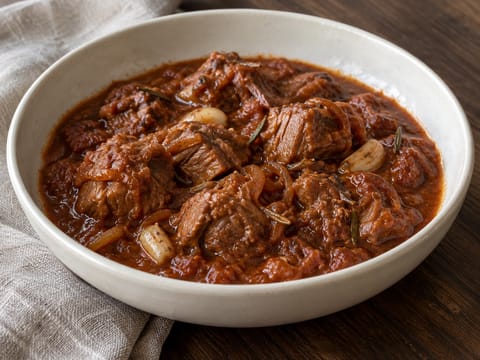
Italian lamb stew with tomato, white wine, garlic and rosemary
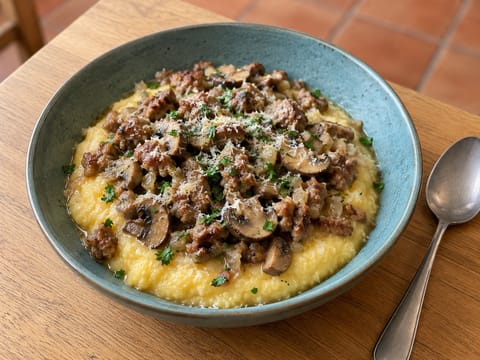
Creamy polenta topped with sausage, mushrooms and Parmesan
Usually frozen fruit, banana, yoghurt and ingredients such as oats or nut butter. Thickness comes from the ratio of solids to liquid, not from blending for longer.
Too much liquid or too much ice can dilute flavour. Using more frozen fruit, adding liquid gradually, and relying on chilled ingredients rather than lots of ice can help.
You can, but texture and flavour may change as the mixture sits. A practical compromise is to prep freezer packs of fruit and add the liquid just before blending.
It depends on what you blend. Softer fruit and yoghurt are forgiving; fibrous greens, frozen chunks and seeds are more demanding and may need a stronger blender or a little extra liquid.
Use mild greens, choose ripe fruit, and balance with a creamy base or a squeeze of citrus. Very cold, diluted smoothies can make bitterness more noticeable.
Separation is common when fruit pulp and liquid settle at different rates. Ingredients that emulsify, such as yoghurt or nut butter, can help it stay more uniform for longer.
Decide first whether you want a light drink or a thick, creamy smoothie, then build the ingredient list to match. Once the texture is right, small changes, a squeeze of citrus, a pinch of spice, a spoon of yoghurt, make the flavour feel intentional.
