
Waffle Bites
Bite-sized waffles from a simple batter, cooked until golden and crisp.

Waffles are at their best when you treat them as a texture project: a crisp, browned shell with a tender centre that can carry sweet or savoury toppings without collapsing. For guests, the appeal is practical as well as delicious. You can cook them in batches, keep them warm, and let everyone build their own plate. The key choices are the style of batter, the depth and pattern of the waffle iron, and how you handle steam so the waffles stay crisp rather than turning soft.
A waffle is a batter cooked between two hot plates, which sets it apart from pancakes and crêpes. The grid does more than look pretty: it increases surface area for browning and creates pockets that catch butter, syrup, yoghurt or sauces. Most waffle batters sit somewhere between cake batter and pancake batter, but the method matters as much as the ingredients. A hotter iron and a batter with enough structure will give you a clean release and a crisp finish. Because waffles trap steam in their pockets, they can soften quickly once stacked, so serving and holding are part of the definition in practice, not an afterthought.
Bite-sized waffles from a simple batter, cooked until golden and crisp.
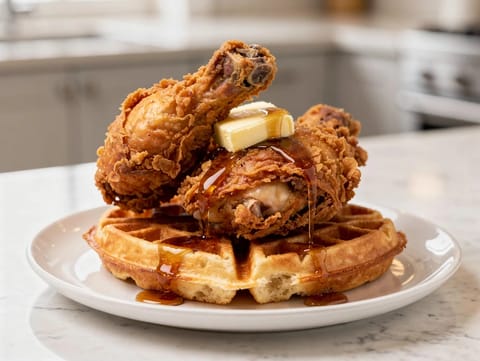
Crisp fried chicken served with waffles and maple syrup
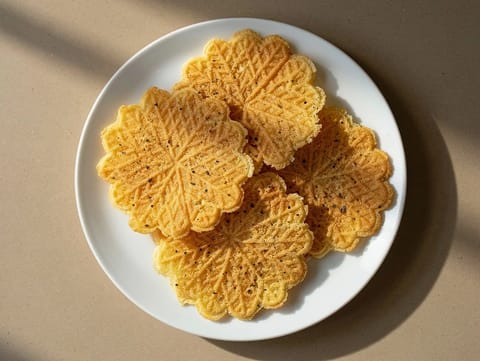
Thin Italian waffle biscuits with anise and lemon zest
Brazilian-inspired tapioca flour waffles with Parmesan-style cheese, crisp edges and a chewy centre
Crisp, airy Brussels waffles made with yeast and whipped egg whites
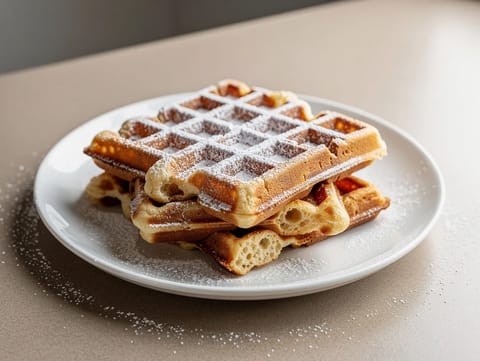
Yeast-raised Belgian waffles dusted with icing sugar
Classic American-style waffles are usually medium-thick and evenly browned, designed for butter and syrup and forgiving of a wide range of toppings. Belgian-style waffles tend to be deeper and lighter inside, which makes them excellent for fruit and cream but also means they can feel fragile if heavily sauced. Some recipes lean on whipped egg whites or a yeast-raised batter for extra lift and a more open crumb. Others go in the opposite direction with denser, crisp-edged batters that behave almost like a biscuit once cooked. You may also see savoury waffles, where the batter is seasoned and the topping becomes the main event, such as eggs, smoked fish or vegetables.
Thin Italian waffle biscuits with anise and lemon zest
Yeast-raised Belgian waffles dusted with icing sugar
Crisp fried chicken served with waffles and maple syrup
Bite-sized waffles from a simple batter, cooked until golden and crisp.
Crisp, airy Brussels waffles made with yeast and whipped egg whites
Rich yeasted Liège waffles with butter, eggs and caramelised pearl sugar
Brazilian-inspired tapioca flour waffles with Parmesan-style cheese, crisp edges and a chewy centre
If you want waffles that stay crisp on a platter, look for batters that brown well and cook through without needing to be pale and soft. A slightly drier finish and a well-heated iron help, as does letting cooked waffles sit in a single layer so steam can escape. For a more delicate, airy waffle, plan to serve straight from the iron and keep toppings light and spooned on at the last moment. If you’re feeding a mixed table, choose a neutral batter and offer toppings in separate bowls so guests can go sweet or savoury without you cooking two different batches. When timing is tight, a batter that can rest while you set the table is often easier to manage than one that demands immediate cooking.
Think in layers: something that melts into the grid, something that adds moisture, and something that adds contrast. Butter, honey or a spoonful of yoghurt settles into the pockets; fruit compote, jam or a warm sauce adds juiciness; toasted nuts, seeds or a crumble-style topping brings back crunch. For savoury waffles, keep an eye on weight and wetness. Creamy toppings are best thick rather than runny, and crisp elements such as bacon, fried onions or a fresh salad stop the plate feeling heavy. If you’re serving a spread, offer at least one topping that is not syrup-based so the waffles can read as either sweet or savoury without tasting confused.
If you’re deciding how to build a menu around waffles, browsing by Course helps you choose whether they sit as a main dish, a sweet finish or part of a larger spread. Cooking method is also useful: it separates recipes that rely on a waffle iron from those that mimic waffle textures in other ways, which can matter if you’re cooking for a crowd with limited equipment.
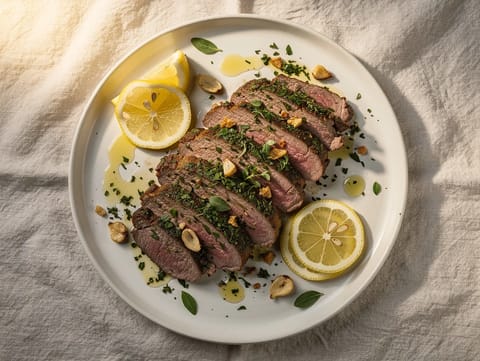
Air-fried lamb with garlic, lemon and herbs.
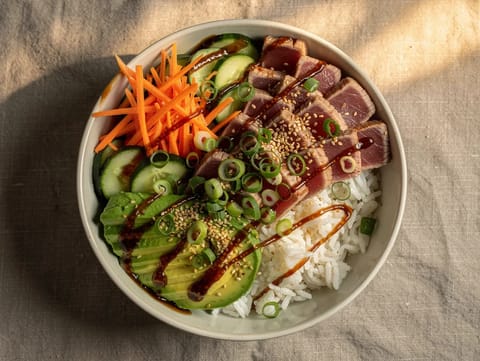
Jasmine rice poke bowl with seared tuna and avocado.
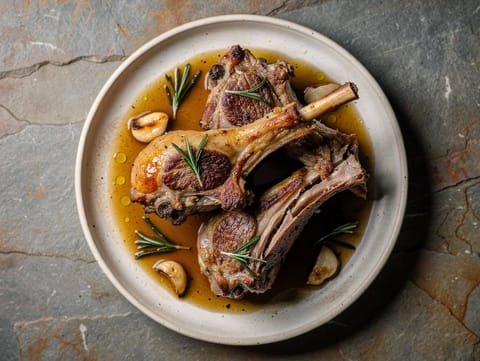
Roman-style braised lamb with rosemary, white wine and lemon
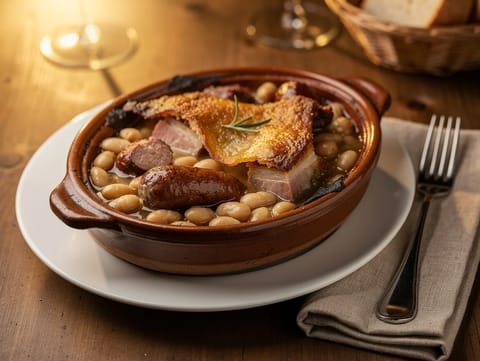
Slow-baked cassoulet with white beans, duck confit and sausages
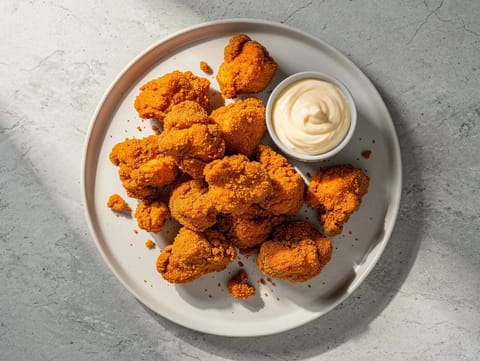
Crisp air fryer popcorn chicken with a cornflour coating.
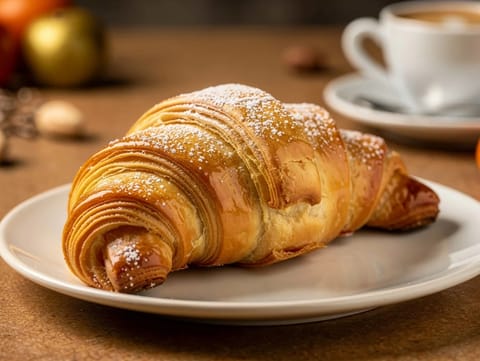
Italian butter cornetti baked golden and finished with icing sugar
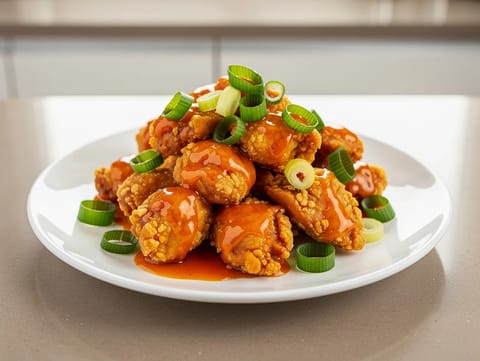
Crispy air fryer orange chicken tossed in a sticky sauce.
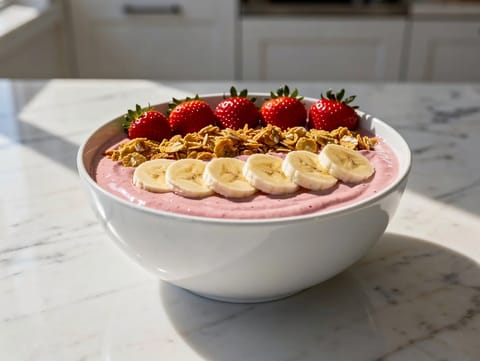
Strawberry and banana smoothie bowl topped with granola.
Avoid stacking them hot. Let cooked waffles sit in a single layer so steam can escape, and keep them warm in a dry heat rather than covering them, which traps moisture.
Belgian-style waffles are typically deeper and lighter inside, which suits airy toppings like fruit and cream. American-style waffles are often thinner and sturdier, which can handle heavier sauces and spreads.
No. Yeast can give a more open, aromatic crumb, but many excellent waffles use baking powder or whipped egg whites for lift. Choose based on the time and texture you want.
Sticking often comes from insufficient heat, opening too early, or a batter that hasn’t set and browned enough. A properly preheated iron and patience before lifting usually make the biggest difference.
Yes. A lightly sweet batter can still work with savoury toppings, but fully savoury waffles are usually seasoned in the batter and paired with thicker, less runny toppings so the grid stays crisp.
Offer a mix of thick and spoonable toppings that won’t flood the waffle: butter or yoghurt, fruit compote or jam, and a crunchy element such as nuts or toasted seeds. Include at least one savoury option if you want flexibility.
Start by choosing the waffle style that matches how you want to serve: crisp and platter-friendly, or airy and straight-from-the-iron. Then build toppings that respect the grid, thick enough to sit in the pockets and varied enough to give contrast on every bite.
