
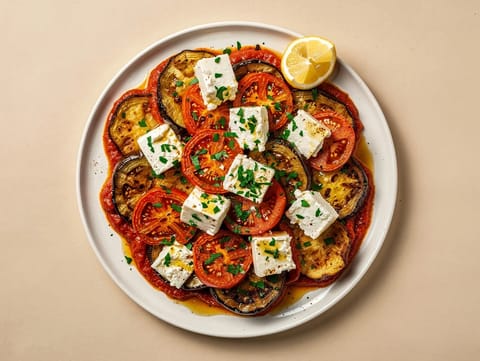
Aubergine and Feta Bake with Tomato Sauce
Roasted aubergine baked in tomato sauce with feta and oregano

A baking dish is designed for oven cooking where the food sits in a relatively deep layer: think gratins, casseroles, baked pasta, fruit crumbles and set desserts. The dish you use affects how quickly the centre heats and how the top browns. A wide, shallow dish encourages evaporation and a well-coloured crust; a deeper dish keeps things moister but can take longer to heat through. Once you understand that trade-off, it becomes easier to pick a dish that matches the texture the recipe is aiming for.
In recipe terms, a baking dish is an oven-safe vessel with sides, commonly ceramic, glass or metal. It is different from a baking tray, which is shallow and built for airflow and crisping, and different from a roasting tin, which is often sturdier and designed to handle higher heat and heavier joints. Baking dishes are used when you want the contents to cook together and stay contained, whether that’s a creamy gratin, a saucy bake or a pudding that sets. Because the sides hold heat, the edges often cook first, which is useful for bubbling sauces and browned corners, but it also means stirring and resting times can matter.
Roasted aubergine baked in tomato sauce with feta and oregano
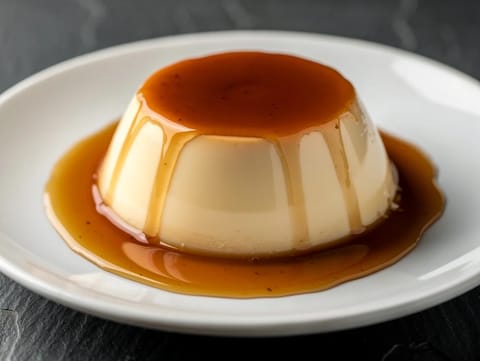
Silky baked caramel custard turned out with caramel sauce
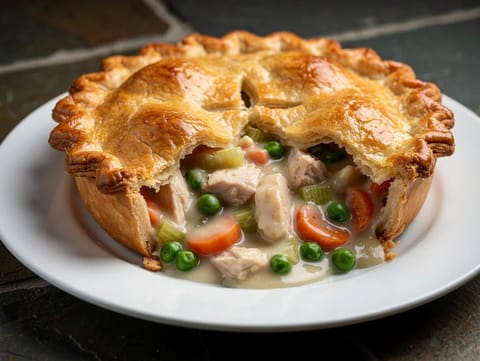
Chicken and vegetable pie with shortcrust pastry
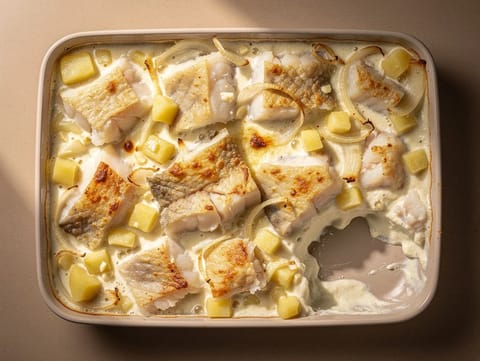
Creamy baked salt cod and potato casserole
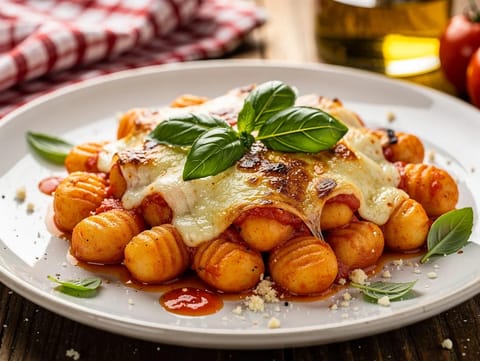
One-pan gnocchi baked in tomato sauce with mozzarella
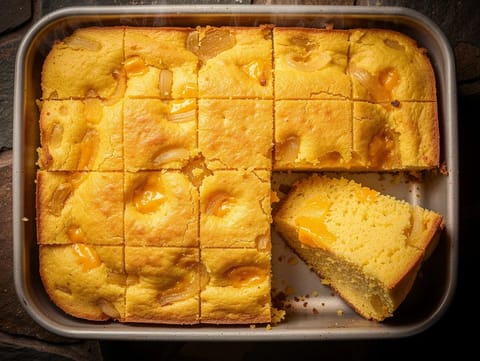
Savoury cornbread baked with cheese and softened onions
Ceramic and glass hold heat well, so they tend to cook steadily and stay hot at the table, but they can be slower to heat up. Metal dishes heat quickly and can brown more aggressively, which is helpful for crisp edges but can catch if the oven runs hot. Darker pans generally absorb more heat than pale ones, so the same recipe may colour faster. Shape matters too: a wider dish gives more surface area for browning and thickening; a deeper dish protects the top but can leave the centre looser for longer. If a recipe specifies a size, it is usually to control depth as much as volume.
Baked lasagne verdi layered with beef and pork ragù, béchamel and Parmesan
Baked mac and cheese with cheddar, Gruyère, Dijon mustard and crisp panko
Parboiled potatoes and tinned tuna baked in a garlicky crème fraîche sauce with Gruyère
Whole baked sea bass with cherry tomatoes, olives, capers, lemon and parsley
Tomatoes and peppers stuffed with herby rice and minced beef, baked with potatoes
Rich Swedish potato and anchovy gratin baked until golden with breadcrumbs
Melanzane alla parmigiana with tender aubergine, tomato passata and melted mozzarella and Parmesan
Provençal tian of layered vegetables baked with onions, garlic, thyme and olive oil
Crisp striftopita filled with feta, eggs and fresh dill
Layered potatoes baked slowly in garlic cream, optionally topped with Gruyère
Roasted aubergine involtini filled with ricotta and basil, baked in tomato passata
Provençal vegetable tian layered with potatoes, baked with garlic, thyme and breadcrumbs
Overfilling is the classic mistake. Saucy bakes bubble as they heat, and a dish filled to the brim is likely to spill and burn on the oven floor. Another issue is uneven cooking when ingredients are layered without considering density: thin slices and pre-cooked components heat quickly, while raw chunks take longer and can leave the top overbrowned before the centre is ready. Finally, be cautious moving a hot glass or ceramic dish onto a cold, wet surface, as sudden temperature changes can cause cracking. A dry cloth or wooden board is a safer landing spot.
Cooking method is a helpful next step because baking dishes are used for everything from slow bakes to high-heat gratins, and the method tells you what texture to expect. Difficulty can also guide you towards recipes that match your comfort level with layering, timing and judging when a bake is set through the middle.
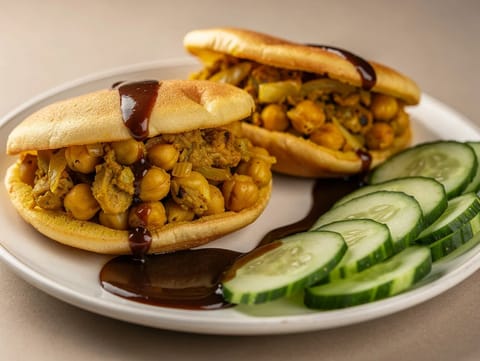
Soft fried bara filled with fragrant curried chickpeas
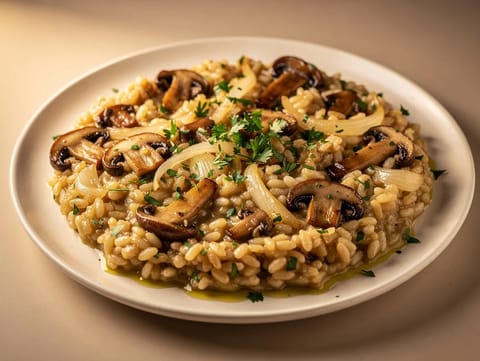
Creamy Spanish rice with wild mushrooms and parsley
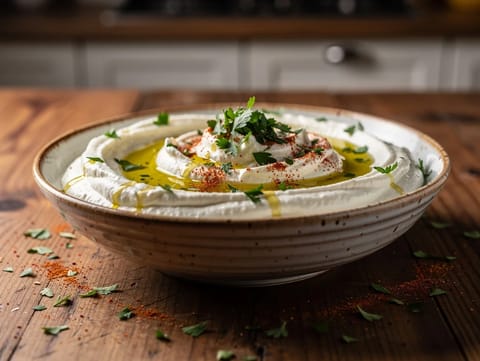
Roasted aubergine dip mixed with yoghurt, garlic and lemon
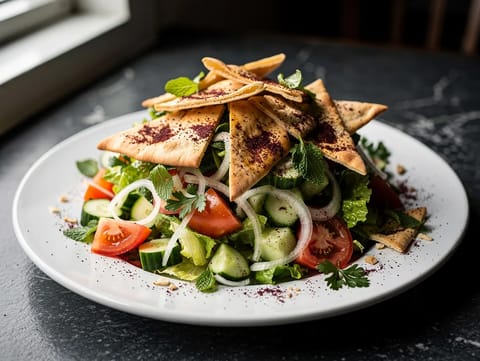
Fattoush bowl with pitta chips and lemon sumac dressing
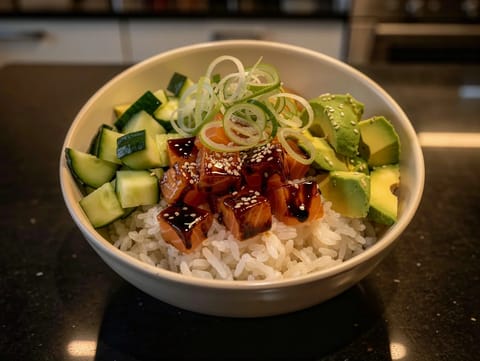
Salmon poke bowl with sushi rice, cucumber and avocado.
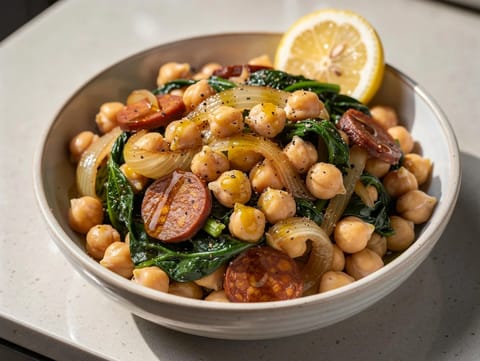
Warm chickpea bowl with chouriço, greens and smoked paprika
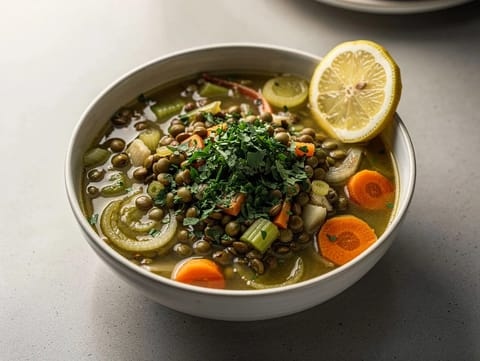
Green lentil soup with vegetables, bay leaf and lemon
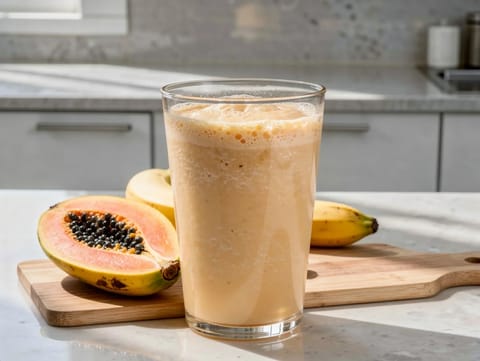
Papaya and banana smoothie with yoghurt, lime and coconut milk.
A baking dish has sides and is meant to hold saucy or layered foods. A baking tray is shallow and encourages airflow for roasting and crisping.
It can. Metal heats quickly and can brown more; ceramic and glass heat more gently and retain heat longer. The same recipe may need small timing adjustments.
Depth is often the reason. A smaller or deeper dish makes a thicker layer, which takes longer to heat through than a wider, shallower one.
Often, yes, but expect differences in browning and speed. Watch the top and edges, and be prepared to adjust the oven temperature or timing slightly.
Leave headroom for bubbling, especially with sauces. Many bakes rise and simmer as they cook, and a little space prevents overflow.
The sides heat first. A wider, shallower dish helps, and some recipes benefit from a short rest after baking so the centre can finish setting.
When choosing a baking dish, think about depth and surface area first, then material. Those details decide whether you get a crisp, browned top, a softer bake, or something in between.
