
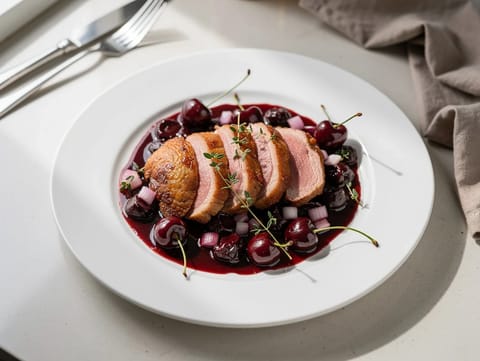
Pan-Seared Duck Breast with Cherry Bourbon Sauce
Pan-seared duck with cherry bourbon pan sauce

A frying pan is the workhorse for direct-heat cooking: searing, sautéing, shallow-frying and reducing sauces quickly. Recipes that specify a frying pan are usually relying on a wide base for evaporation and browning, plus enough side height to toss or stir without spilling. The details matter, though. A thin pan reacts quickly but can scorch; a heavier pan holds heat but needs a moment to recover after you add food. This guide helps you match pan type and size to the technique the recipe is asking for.
Size is the first decision. If the food is crowded, moisture builds up and you lose browning, so a larger pan often gives a better sear and crisper edges. Material comes next. Stainless steel is excellent for building fond for pan sauces, but it needs enough heat and fat to prevent sticking. Non-stick is useful for delicate foods and lower-fat cooking, though it is less suited to very high heat and aggressive deglazing. Cast iron holds heat well for steaks, chops and cornbread-style bakes, but it is slower to respond when you need to dial the heat down. Carbon steel sits between, with good heat response once seasoned. A lid turns a frying pan into a gentle steamer for finishing thicker pieces through.
Pan-seared duck with cherry bourbon pan sauce
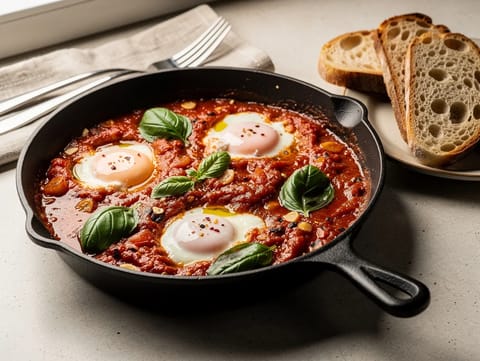
Eggs poached in garlicky tomato sauce with chilli and basil
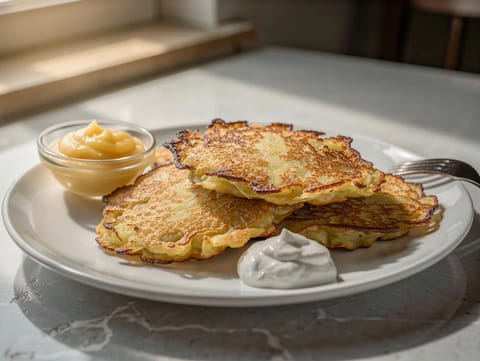
Crisp German potato pancakes with onion, egg and flour
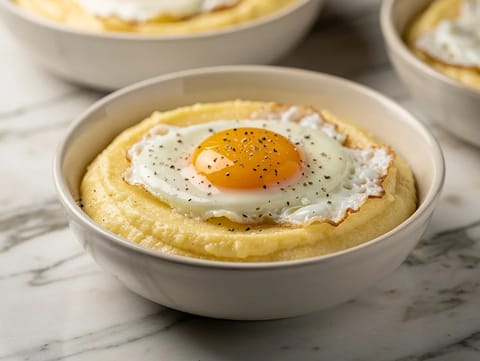
Creamy polenta with butter, Parmesan and fried eggs
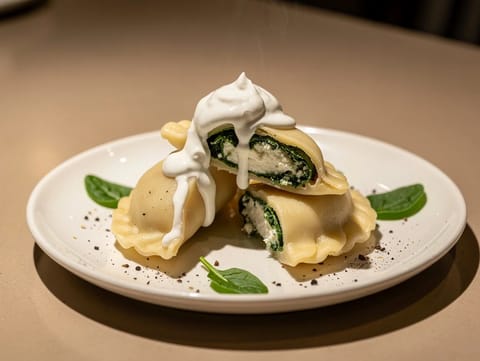
Pierogi filled with spinach and ricotta
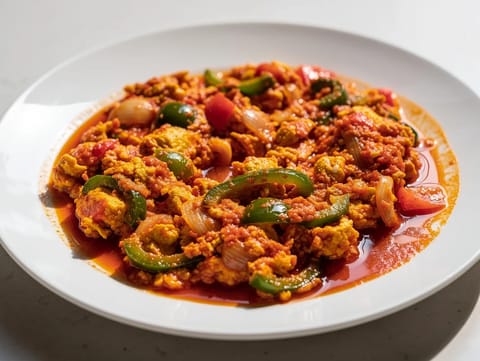
Turkish scrambled eggs with tomatoes, peppers and onion
For crisp, browned surfaces, look for recipes that cook in batches and leave space around the food. For quick sautéing, you want small, evenly cut pieces that cook at the same rate, plus a pan that is easy to toss or stir. For shallow-frying, pay attention to side height and stability: you need room for oil and for turning without splashing. For pan sauces, recipes often ask you to deglaze after searing; stainless steel is particularly cooperative here because the browned bits release into the liquid. If a recipe involves finishing in the oven, check that the handle is oven-safe and that the pan is not too shallow for bubbling sauces.
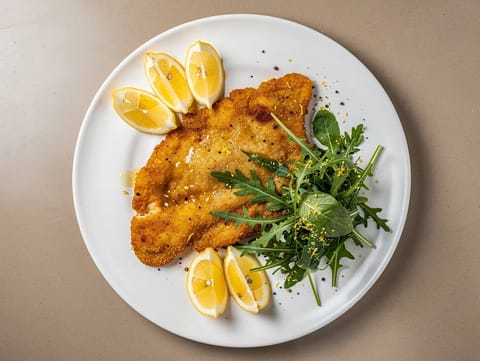
Crisp chicken Milanese served with rocket and lemon
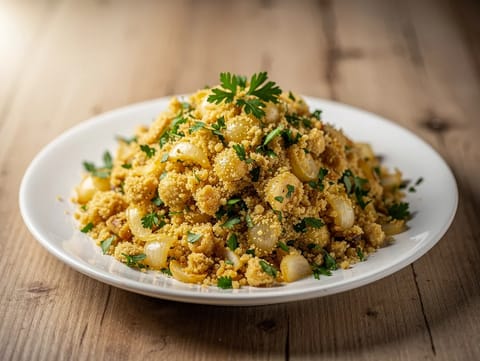
Toasted cassava flour side with butter, onion and garlic
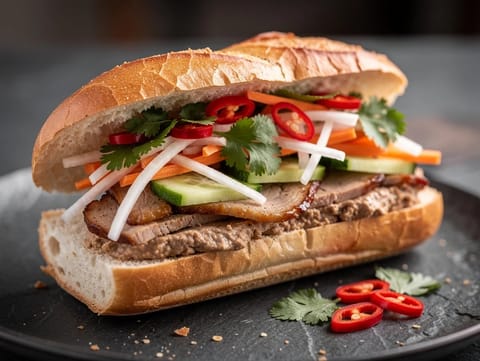
Vietnamese baguette sandwich with pork, pâté and pickled vegetables
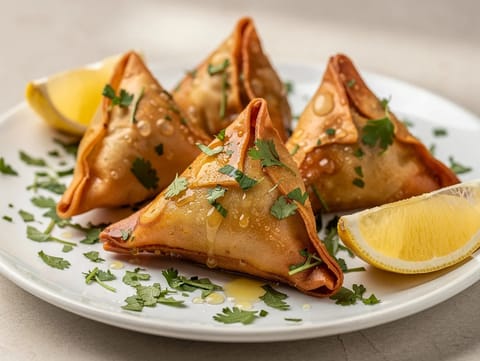
Fried pastry parcels with spiced potato and peas
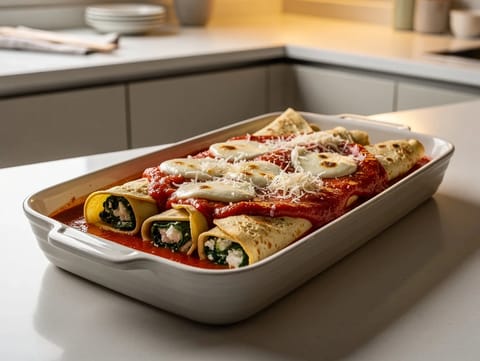
Spinach and ricotta crêpes baked with tomato sauce and mozzarella
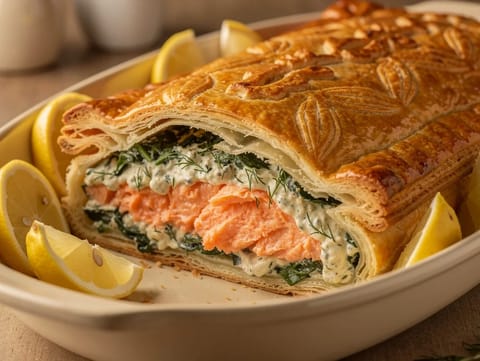
Salmon Wellington with spinach and crème fraîche in puff pastry

Pan-seared cod with romesco sauce
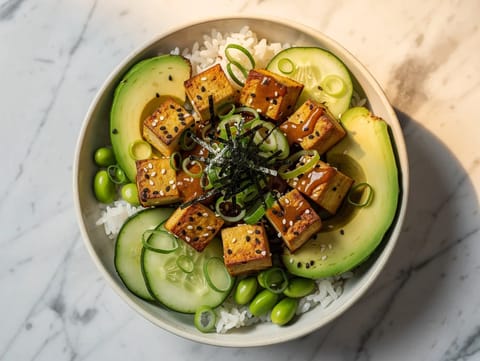
Crispy tofu over sushi rice with fresh vegetables.
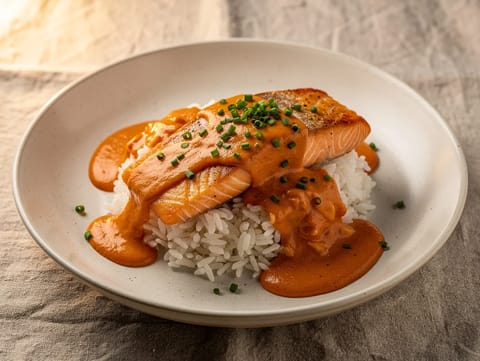
Pan-seared salmon with kimchi beurre blanc
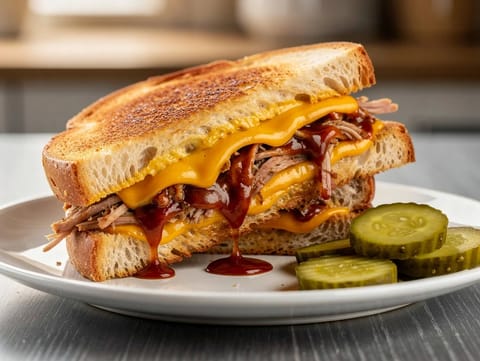
Pulled pork grilled cheese with cheddar and pickles
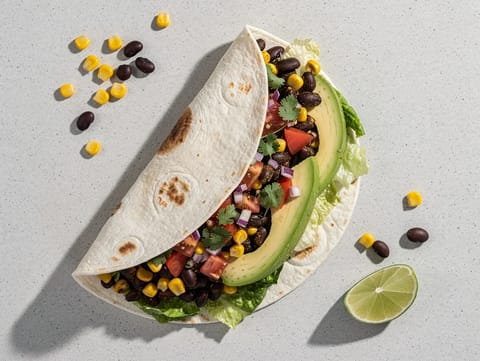
Toasted wraps filled with black beans, avocado and tomato salsa
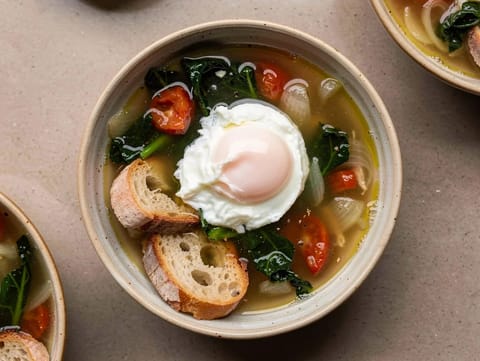
Tuscan vegetable soup with poached eggs over toasted bread
Sticking often comes from adding food before the pan and fat are properly heated, especially with stainless steel. Give the pan time to heat, then add oil, then the food. Steaming is usually overcrowding: moisture has nowhere to go, so it condenses and softens the surface. Cook in batches and keep the heat steady. Burning can be as simple as heat that is too high for the pan’s thickness, or sugar-rich marinades that darken quickly. If you are using cast iron, remember it stores heat; reduce the flame earlier than you think and use the pan’s residual heat to finish gently.
Cooking method is the natural companion to frying pan recipes, because the same pan can be used for searing, sautéing, shallow-frying or finishing with a lid, each with different cues to watch. Difficulty can also help you gauge how much attention a recipe needs at the hob, from simple flipping to timing a pan sauce and managing heat changes.
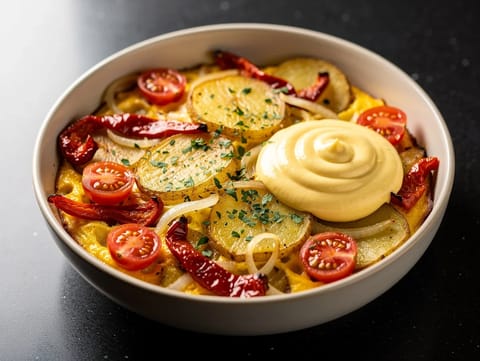
Tortilla española style bowl with potatoes, eggs and garlic aioli
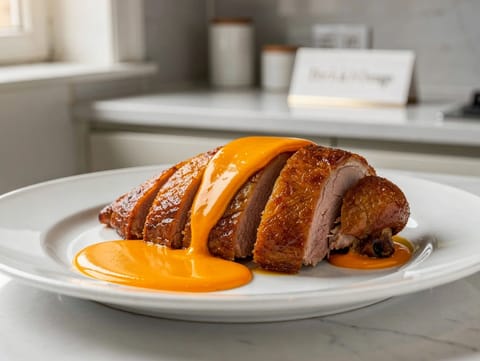
Roast duck with a glossy orange sauce finished with butter
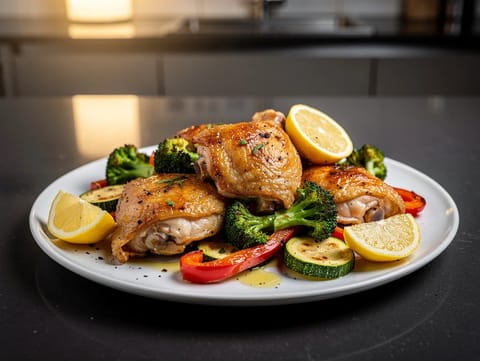
Air-fried chicken thighs with vegetables, paprika and lemon.
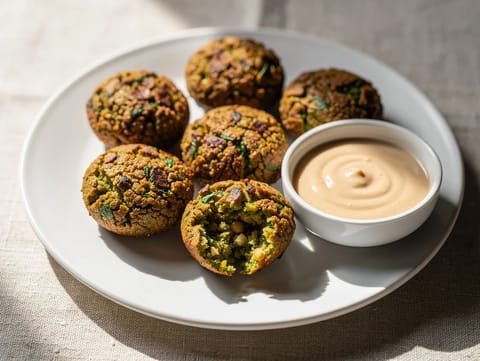
Air-fried falafel made with chickpeas, herbs, spices and tahini.
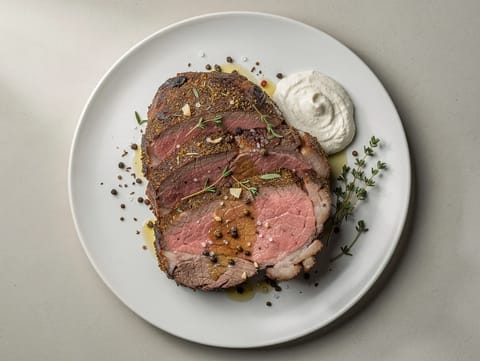
Slow-roasted prime rib with horseradish cream
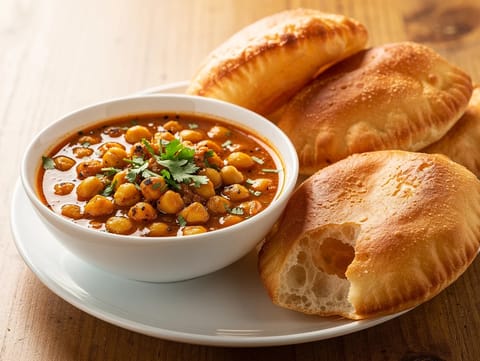
Spiced chickpea curry served with puffed fried bhature
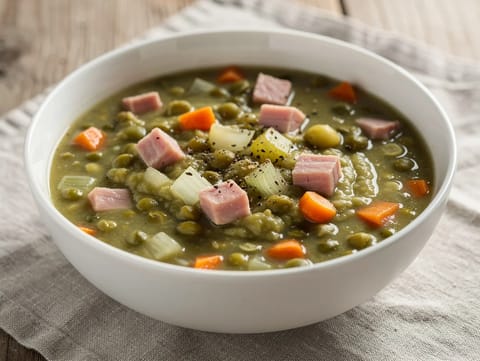
Thick split pea and ham soup with vegetables
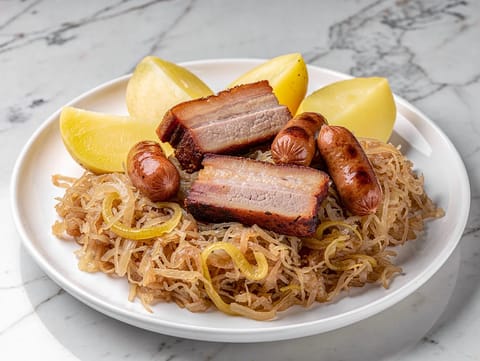
Braised sauerkraut with pork belly, sausages, potatoes and mustard
A frying pan usually has sloped sides, which makes it easier to toss and turn. A sauté pan has straighter, higher sides and often a lid, which helps with sauces and larger volumes of food.
It can be useful for eggs, fish and other delicate foods. Many cooks also keep a stainless-steel or cast-iron pan for higher-heat searing and pan sauces.
Common causes are overcrowding, heat that is too low, or food that is very wet. Dry the surface, give the pan time to heat, and cook in batches so moisture can evaporate.
Some are oven-safe, some are not. Check the handle material and any manufacturer guidance. Recipes that finish in the oven usually assume an oven-safe pan.
A sauté pan, a wok (for high-heat stir-frying), or a shallow casserole can sometimes stand in, depending on the technique. The key is a wide base for browning and enough side height to contain the food.
Many recipes sear first, then deglaze the hot pan with wine, stock or another liquid, scraping up browned bits. Reduce to concentrate, then finish with butter, cream or a splash of acid, depending on the style.
A frying pan is less about a single dish and more about a set of fast, direct-heat techniques. Once you match pan size and material to the job, recipes become easier to time and browning becomes more predictable.
