
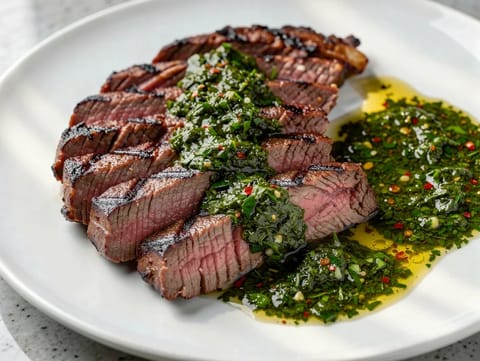
Argentine Asado with Chimichurri
Grilled ribeye served with parsley and garlic chimichurri

Grill recipes reward you for managing heat rather than simply turning food often. The key decisions are whether you need fierce direct heat for quick browning, gentler indirect heat for thicker pieces, or a mix of both to cook through without scorching. This page focuses on the practical pitfalls that make grilling frustrating, such as sticking, flare-ups and food that colours before it’s cooked, and the small adjustments that usually fix them.
A grill cooks with radiant heat from below (or above, depending on the design), plus convection from hot air moving around the food. That combination encourages fast surface browning and a lightly smoky, charred edge, especially when fat drips onto a hot surface and vapour rises back up. Grilling is not the same as barbecuing low and slow, and it is not the same as oven grilling (broiling), even though the flavour cues can overlap. Many grill recipes rely on two-zone cooking: a hotter area to sear and a cooler area to finish cooking more gently. If a recipe mentions a lid, it is usually aiming to trap heat so thicker foods cook through before the outside over-colours.
Grilled ribeye served with parsley and garlic chimichurri
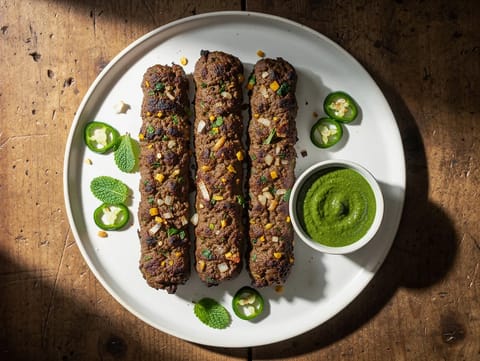
Grilled lamb seekh kebabs served with mint chutney
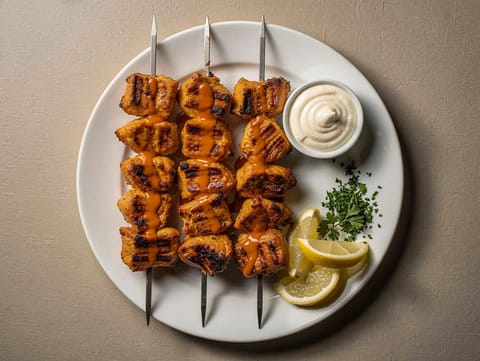
Grilled chicken skewers marinated in yoghurt, lemon and garlic
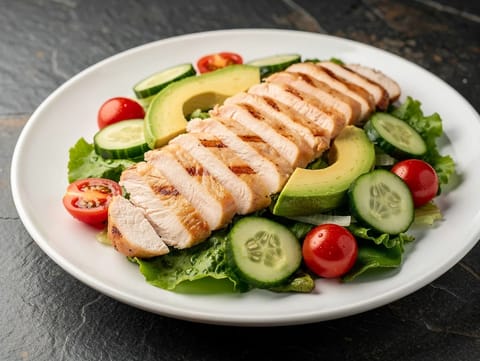
Grilled chicken salad with avocado and lime dressing
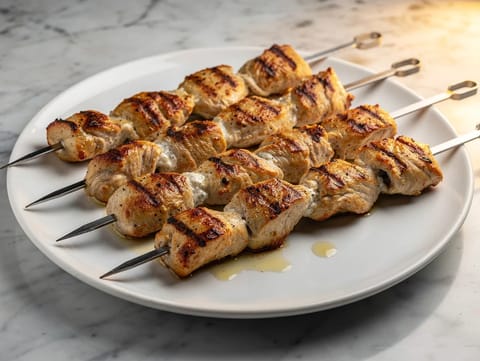
Turkish chicken skewers in a yoghurt, lemon and garlic marinade
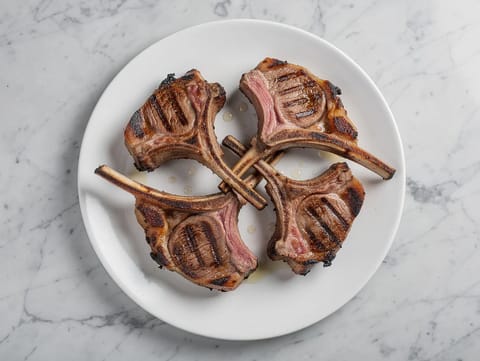
Grilled lamb cutlets with rosemary, garlic and lemon
Food that sticks is often a heat and timing issue rather than a lack of oil. A properly heated grill helps proteins release once a crust forms; if you try to move them too soon, they tear. Flare-ups are usually driven by dripping fat and sugary marinades. Keep a cooler zone ready, and move food away from flames rather than repeatedly flipping in place. If the outside is charring before the centre is done, the grill is too hot for the thickness. Start on a cooler area, or sear briefly then finish with the lid down. Finally, don’t underestimate carryover heat: taking food off just before it seems “perfect” often prevents dryness, especially with lean cuts and fish.
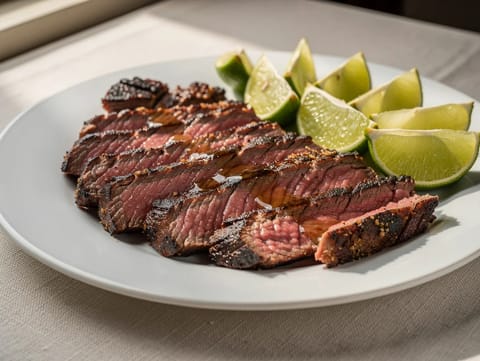
High-heat grilled beef with coarse salt and lime
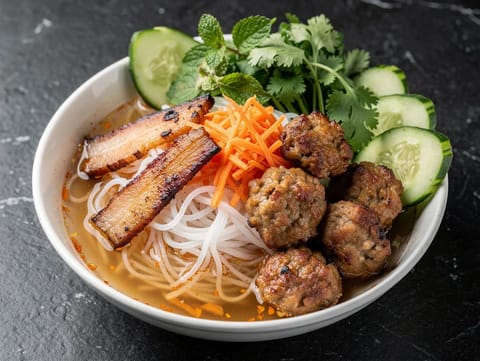
Grilled pork with rice vermicelli, herbs and dipping sauce
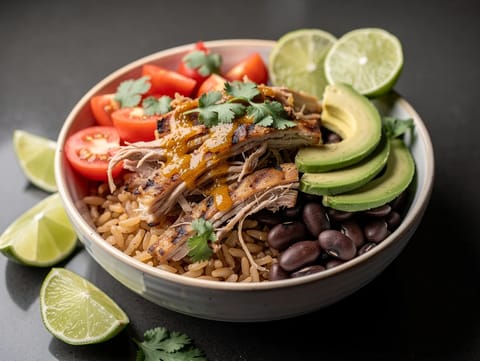
Carnitas bowl with brown rice, black beans, avocado and pico
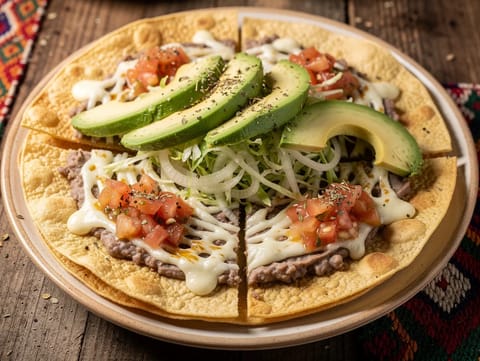
Crisped tortillas topped with beans, cabbage, avocado and cheese
Flaky grilled sea bass served with a glossy beurre blanc sauce
High-heat grilled lamb chops seasoned with olive oil, garlic, rosemary and lemon
Marinated pork served on herbed rice with cucumber, tomato, red onion and Greek yoghurt
Adana kebab made from minced lamb, shaped onto skewers and cooked until lightly charred
Vietnamese pork sausage shaped onto skewers and grilled until browned and juicy
Grilled aubergine involtini with ricotta and Parmesan in tomato passata
Blistered, melted provolone finished with oregano, chilli flakes, olive oil and lemon
Crisp tortilla flatbread topped with refried beans, Oaxaca style cheese, vegetables and lime
For thin, quick-cooking foods, look for recipes that lean on direct heat and short contact time: skewers, sliced vegetables, prawns, thin steaks and flatbreads all benefit from fast browning. For thicker pieces, choose recipes that build in a gentler finish, often by using a lid, indirect heat, or a two-stage approach. If a recipe uses a glaze or sweet sauce, expect it to go on late, once the surface has already coloured, to reduce burning. For delicate foods, recipes that specify a grill basket, foil, or a plancha-style surface are usually aiming to prevent breakage and sticking. When the goal is simply even cooking with less smoke, a heavy frying pan or oven tray can be the more predictable route.
If you want to compare outcomes rather than equipment, browse by Cooking method to see when grilling is used for searing, charring or finishing. Difficulty is also useful here: some grill recipes are straightforward, while others depend on confident heat control and timing cues.
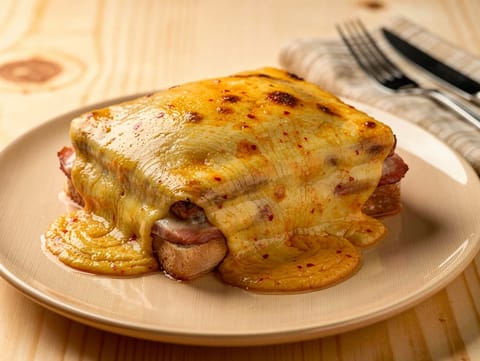
Toasted Porto sandwich with meats, melted cheese and beer sauce
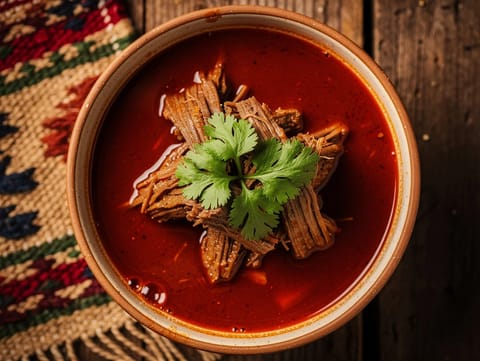
Slow-braised birria beef stew with dried chillies, tomato and spices
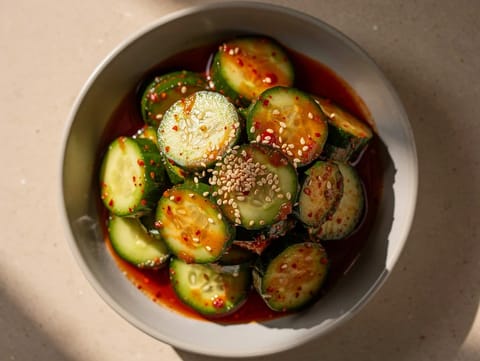
Spicy cucumber salad with gochugaru, vinegar and sesame oil
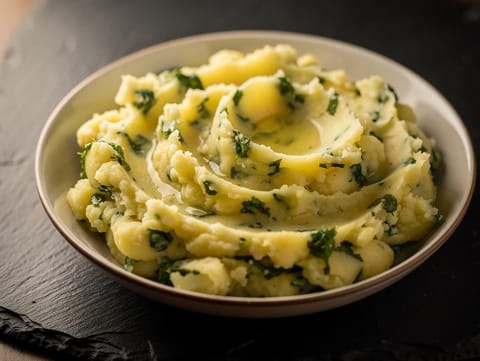
Warm Dutch potato and endive mash with mustard
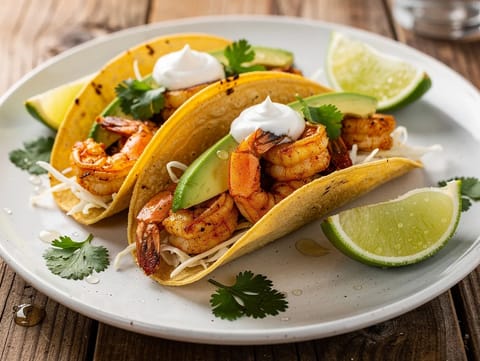
Shrimp tacos with lime, cabbage, avocado and sour cream
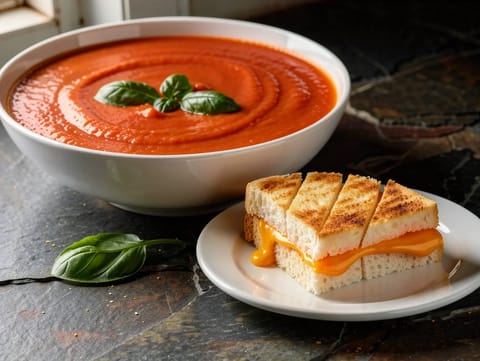
Cheddar grilled cheese served with smooth tomato soup
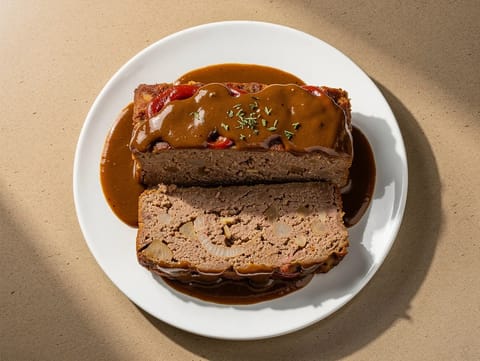
Baked beef meatloaf served with an easy brown gravy
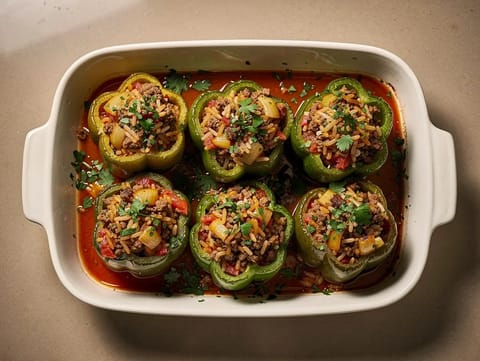
Baked stuffed peppers with minced beef, rice and tomatoes
Not necessarily. Grilling usually means cooking over relatively high heat for quicker browning, while barbecuing often refers to lower, slower cooking with smoke. Some recipes blur the line, but the heat level and time are the practical difference.
A lid helps when you need the heat to circulate so thicker foods cook through without the outside burning. For very thin foods, an open grill can be easier because you can watch browning closely.
Sticking often happens when the grill is not hot enough, or when you try to turn food before a crust has formed. Preheating and giving the food time to sear usually helps it release.
Flare-ups are commonly caused by dripping fat or sugary marinades. Keep a cooler zone, move food away from flames, and add sweet glazes towards the end rather than at the start.
Yes. Recipes may use larger cuts, skewers, a grill basket, foil, or a flat metal surface so smaller pieces don’t drop between the grates.
When you want steady, even heat with less smoke, or when the food is very delicate. A heavy pan can also give good browning without the flare-up risk of dripping fat.
The most reliable grill cooking comes from matching heat level to thickness, and keeping a cooler area ready for control. Once you know whether a recipe needs searing, gentle finishing, or both, the rest becomes simple timing and attention.
