
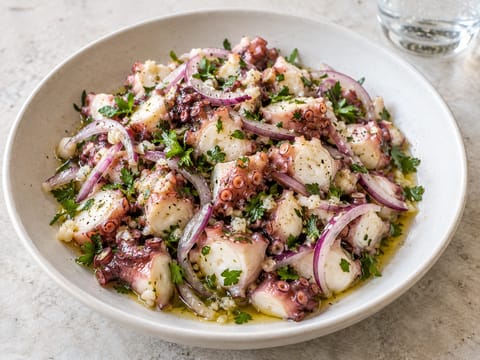
Citrus Octopus Salad
Chilled octopus salad with orange, lemon and parsley

A large pot is about capacity and steady heat. It gives you enough depth for boiling pasta, simmering soups and stews, cooking grains, blanching vegetables, or making stock without constant topping up. The extra volume also makes cooking calmer: liquids are less likely to boil over, and you can stir without sloshing. The trade-off is responsiveness. A big pot takes longer to heat and cool, and it can be inefficient for small quantities. Knowing when a recipe genuinely needs a large pot helps you avoid watery results, scorched bases and awkward overcrowding.
Choose a large pot when the method involves a lot of water or a long, gentle simmer. Boiling pasta and potatoes works better with enough water to return to the boil quickly after you add food. Soups, stews and stocks benefit from depth because ingredients can be fully submerged and the surface can simmer without splashing. A large pot is also useful for blanching, where you want water hot enough to cook quickly and then recover its temperature. Where it is less helpful is high-evaporation cooking. If you are reducing a sauce or trying to brown ingredients, a wide, shallower pan gives faster evaporation and better contact with heat.
Chilled octopus salad with orange, lemon and parsley
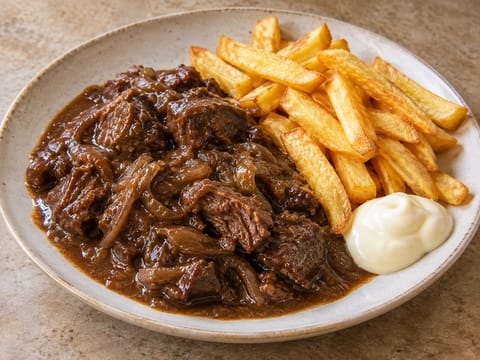
Belgian beef stew with dark beer, served with chips
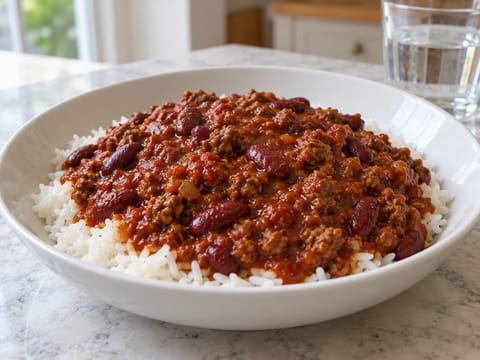
Spiced minced beef and kidney bean chilli served with rice
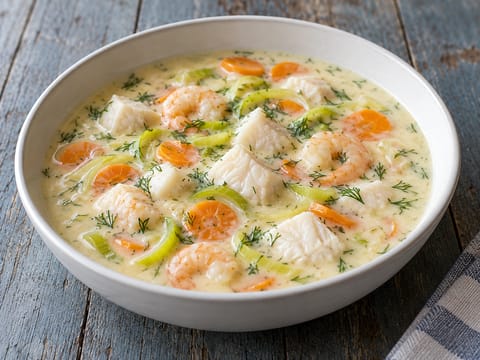
Creamy fish soup with prawns, lemon and dill
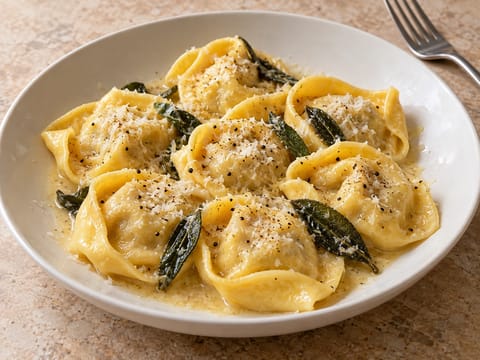
Tortelloni tossed with butter, sage and Parmesan
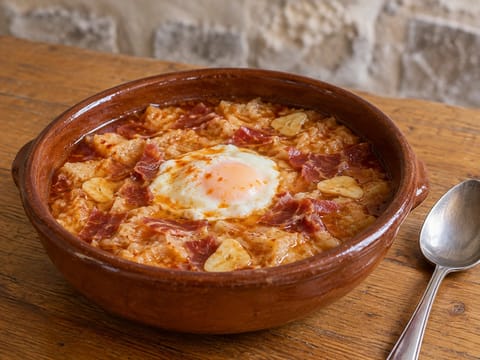
Garlic and bread soup with poached eggs and serrano ham
Overfilling is the obvious one, but the more subtle issue is under-seasoning. Large volumes dilute salt and aromatics, so recipes often ask you to season in stages and taste as you go. Another mistake is starting with too high a heat and walking away. Big pots can take time to come up to temperature, then suddenly surge into a rolling boil and foam over, especially with starchy foods. Reduce to a steady simmer once boiling. Finally, do not ignore the base. Thick soups and porridge-like mixtures can catch if you do not stir down to the bottom, particularly on powerful burners where the heat is concentrated in the centre.
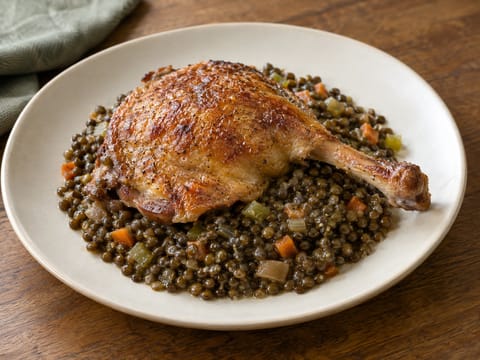
Crisp duck legs with Puy lentils
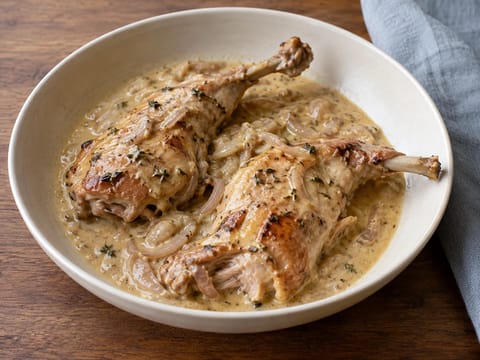
Rabbit braised in cider with Dijon mustard and crème fraîche
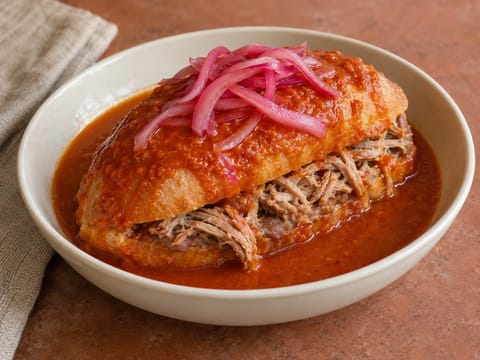
Drowned sandwich with pulled pork, beans and chilli tomato sauce
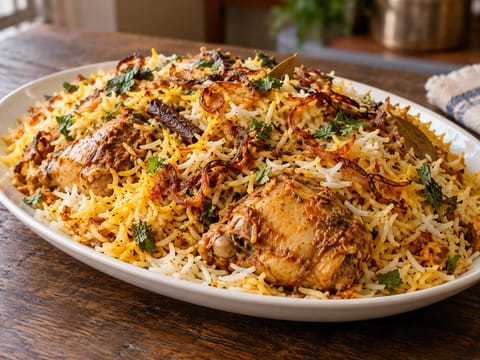
Layered Hyderabadi dum biryani with saffron, rose water and fried onions
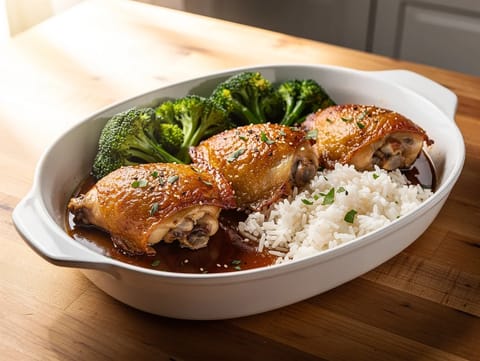
Baked chicken thighs with a sticky honey garlic soy glaze
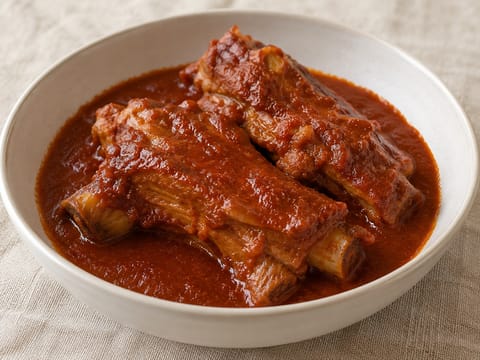
Tender pork ribs in smooth red chilli sauce
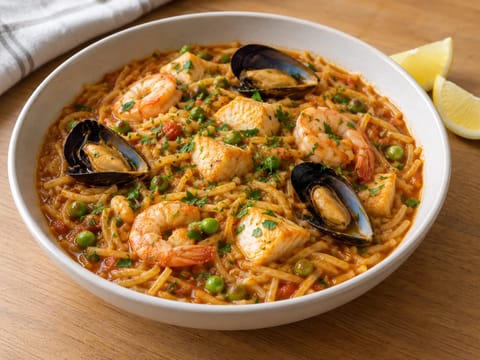
Catalan fideos casserole with seafood in tomato and saffron broth
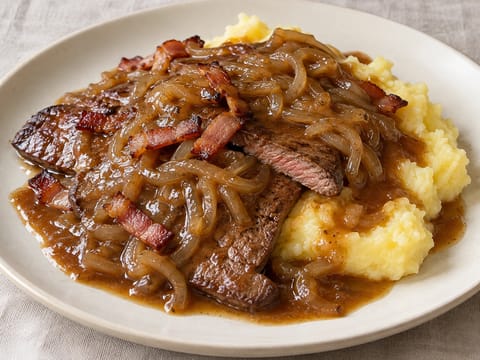
Seared liver and crisp bacon with mash and onion gravy
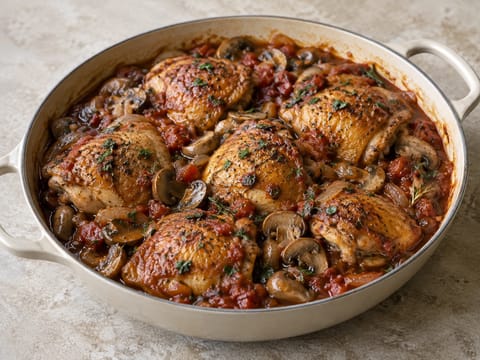
Italian braised chicken with tomatoes, red wine and mushrooms
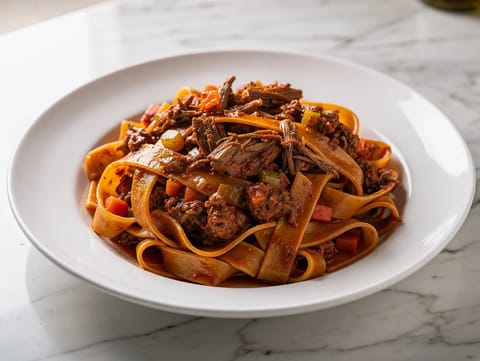
Wild boar ragù tossed through pappardelle with rosemary and juniper
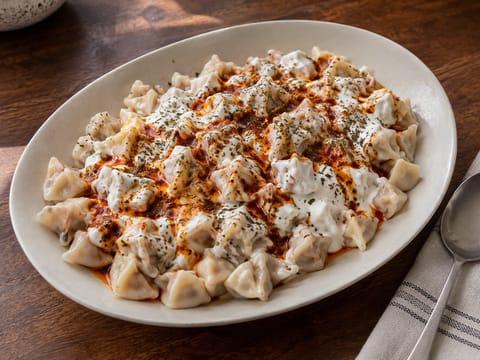
Lamb filled Turkish dumplings with garlic yoghurt and Aleppo butter
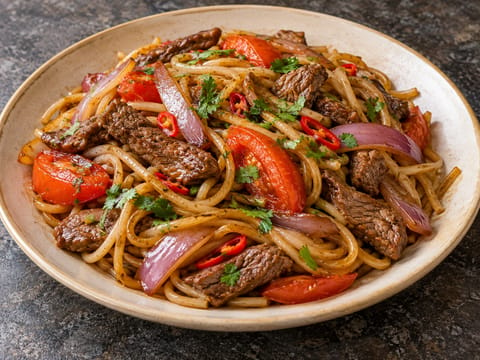
Stir-fried noodles with beef, tomato, red onion and soy
If the recipe is about boiling, you can often split the job between two smaller pots. This keeps the water at a stronger boil and prevents crowding. For soups and stews, a deep sauté pan or a Dutch oven can substitute, though you may need to adjust the simmer to prevent excessive evaporation. If the recipe needs a large volume mainly for blanching, a wide pot is often more effective than a very tall one because it heats more evenly and is easier to retrieve food from quickly. Whatever you use, match the vessel to the behaviour you need: room for bubbling, enough depth to submerge, and a base that will not scorch.
Cooking method pairs naturally with a large pot because boiling, simmering and braising each place different demands on capacity and heat control. Difficulty can also help set expectations: some pot-cooked recipes are largely hands-off, while others need attentive stirring and careful simmering to avoid catching or boiling over.
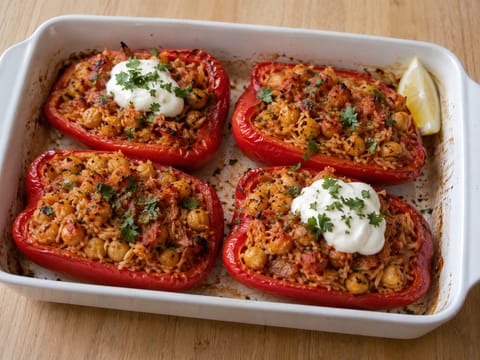
Baked peppers stuffed with spiced rice and chickpeas
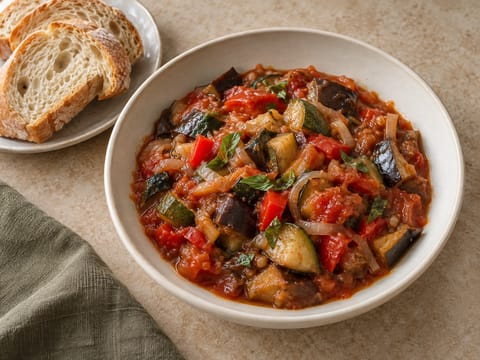
Slow-cooked ratatouille served with crusty bread
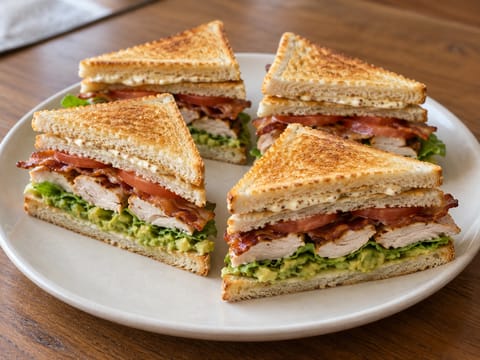
Toasted club sandwich with avocado, bacon and chicken
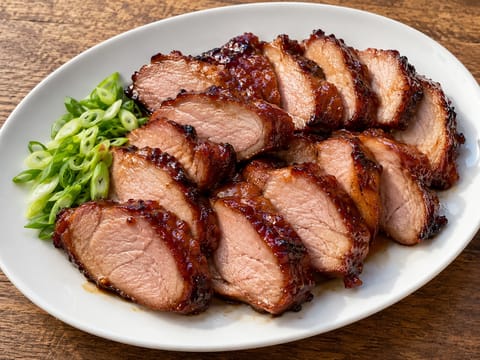
Roasted char siu pork with a glossy hoisin and honey glaze
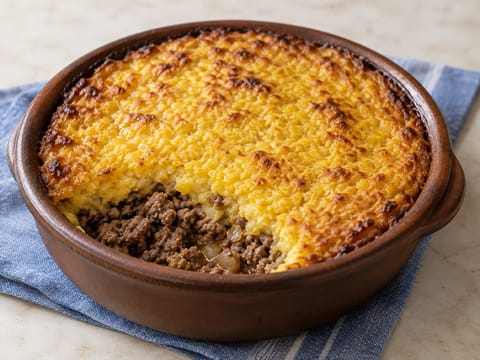
Chilean corn pie with minced beef, onion and cumin
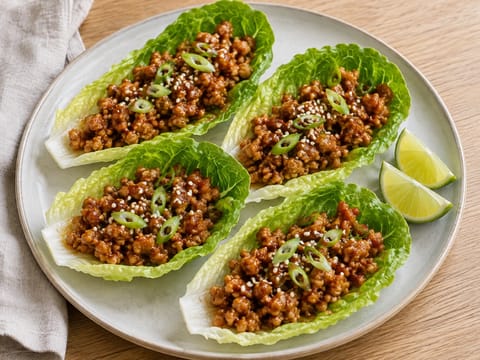
Gochujang chicken served in romaine lettuce cups with sesame
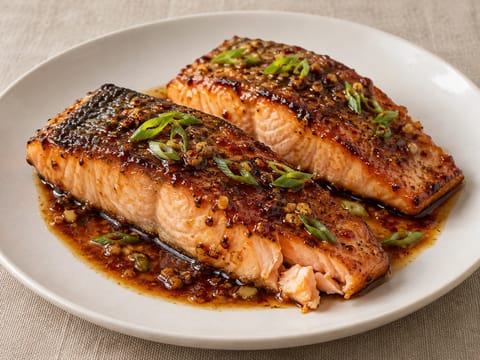
Pan-seared salmon with a sticky Sichuan-style soy glaze
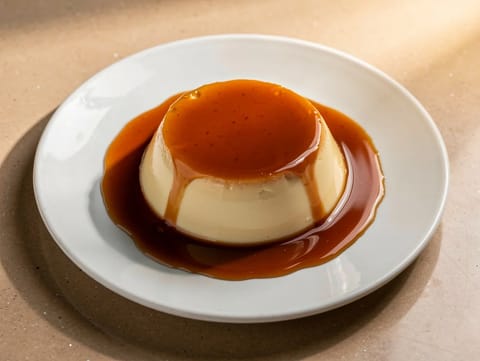
Light vanilla flan baked over caramel and chilled until set
You want headroom. For boiling, leave space for bubbling and foam. For simmering, the liquid should cover ingredients comfortably without sitting right at the rim when you stir.
Usually because it was not stirred in the first minute or two, or the water was not at a strong boil when the pasta went in. A large pot helps, but technique still matters.
Sometimes, but it depends on the pot’s width. Browning needs surface area; if the base is narrow, meat steams. Brown in batches, or use a wide pan and transfer.
A tall pot holds volume in a smaller footprint, but a wider pot is often easier for stirring, reducing, and retrieving food. The best shape depends on whether you need depth, surface area, or both.
Heat may be too high for the thickness of the soup, or stirring is not reaching the base. Lower the heat to a gentle simmer and stir more thoroughly, especially with starchy or creamy soups.
Reach for a large pot when you need stable boiling or a calm simmer with plenty of headroom. If the goal is browning or fast reduction, a wider, shallower pan will usually do the job more efficiently.
