
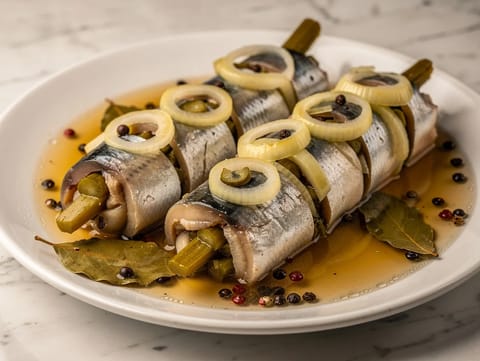
Rollmops (Pickled Herring Rolls with Gherkins and Onion)
Pickled herring rolls filled with gherkins and onion

Measuring cups look straightforward, but most measuring errors come from using the right tool in the wrong way. Dry measuring cups are designed to be filled and levelled; liquid measuring jugs are designed to be read at eye level. Swap those roles and you can be surprisingly far off, especially with flour, sugar and sticky ingredients. If a recipe depends on ratios, as many bakes do, consistent measuring matters more than perfection. The aim is repeatability: you want the same cupful to mean the same thing every time you cook.
Dry measuring cups are usually a set of nested cups with a flat rim. You fill them to the top and level off, which gives a consistent volume. Liquid measuring cups are typically a jug with a spout and headspace above the marked line, so you can pour without spilling. They are meant to be set on the counter and read at eye level. Using a liquid jug for flour encourages scooping and packing, while trying to measure liquids in a dry cup often leads to spills and guesswork. Some ingredients sit in between, such as yoghurt or peanut butter, where the best choice depends on how thick it is and how precise the recipe needs to be.
Pickled herring rolls filled with gherkins and onion
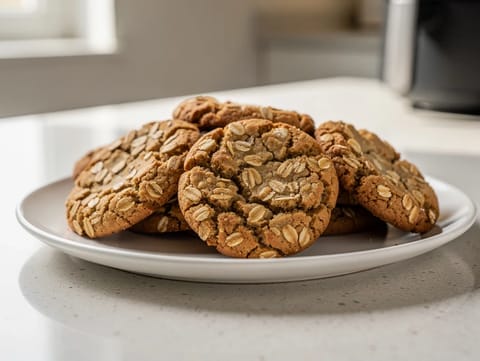
Air fryer oatmeal cookies with a chewy centre and crisp edges.
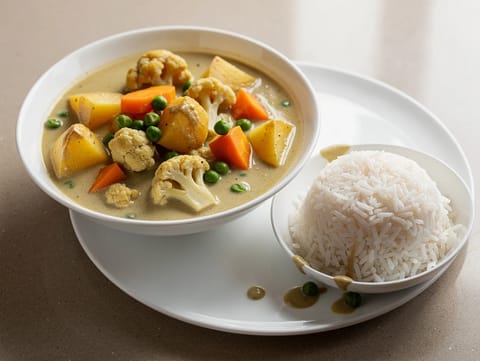
Mild vegetable korma with coconut, yoghurt and almonds
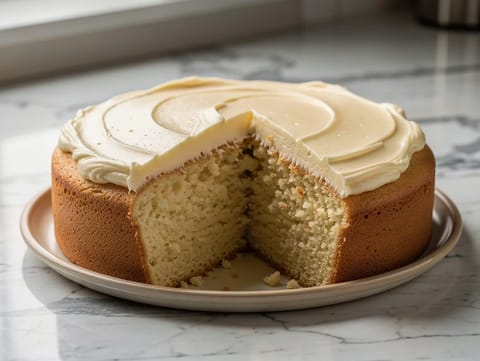
Air fryer vanilla sponge cake with simple vanilla buttercream.
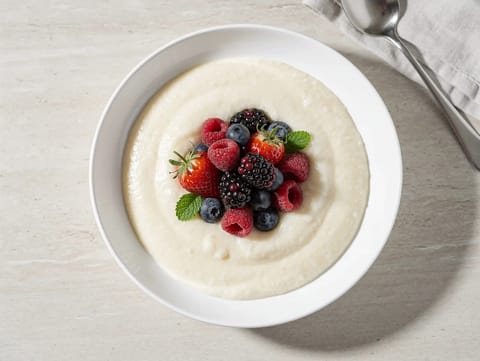
Creamy semolina porridge with butter and mixed berries
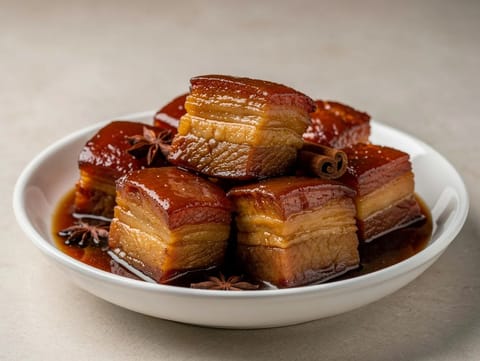
Tender red-braised pork belly in a glossy soy sauce
Packing is the big one. Flour can compact dramatically if you scoop with the cup, tap it, or store it tightly, which can make a bake dry and heavy. A common approach is to spoon flour into the cup and level it, rather than digging in. Brown sugar is the opposite: many recipes expect it to be packed, so “loosely filled” can under-sweeten and change texture. With sticky ingredients, coating the cup lightly with oil or using a flexible spatula to scrape can help you get closer to the intended amount. Finally, check that you are using the correct cup size from the set; it is easy to grab the wrong one when they are stacked.
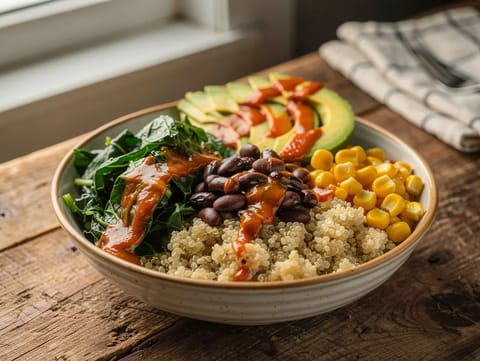
Quinoa bowl with black beans, collard greens, lime and avocado
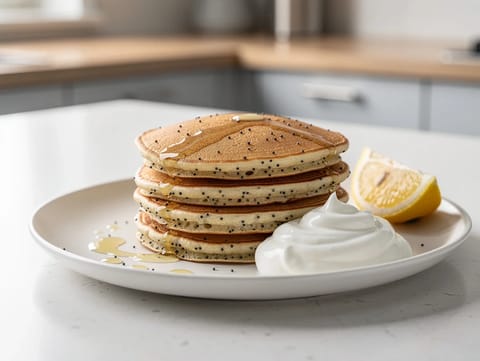
Fluffy lemon poppy seed pancakes with Greek yoghurt and honey
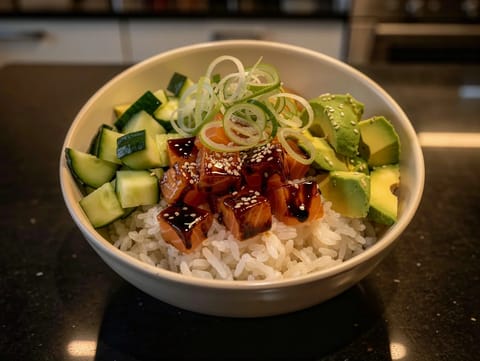
Salmon poke bowl with sushi rice, cucumber and avocado.
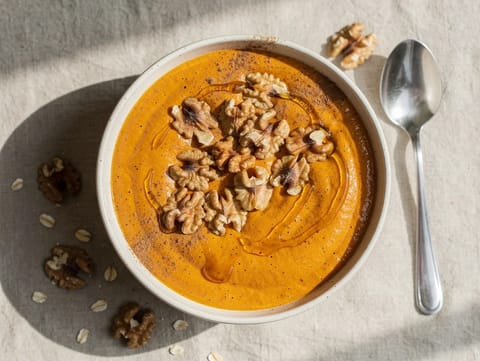
Carrot cake smoothie bowl with banana, yoghurt, oats and spice.
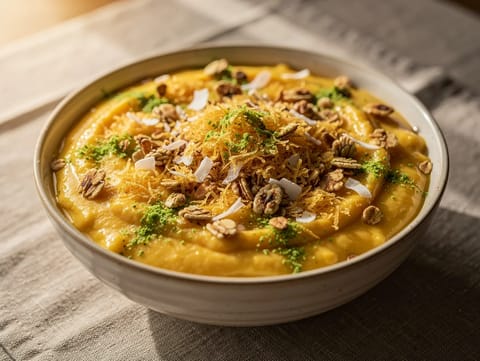
Mango and pineapple smoothie bowl with coconut yoghurt and granola.
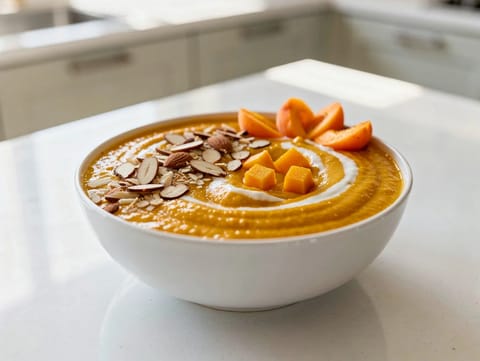
A thick apricot almond smoothie bowl with Greek yoghurt.
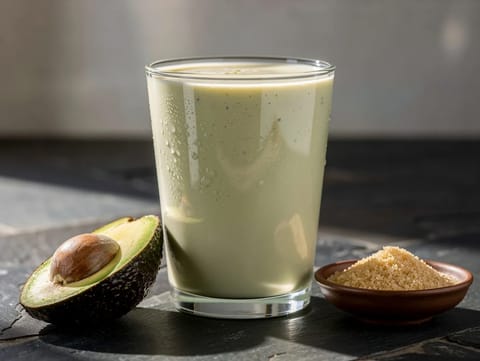
Creamy avocado smoothie sweetened with palm sugar and coconut milk.
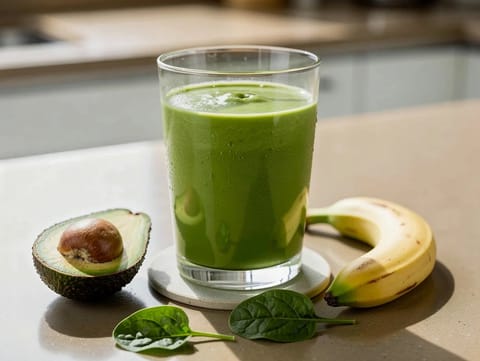
High protein green smoothie with spinach, yoghurt, banana and avocado.
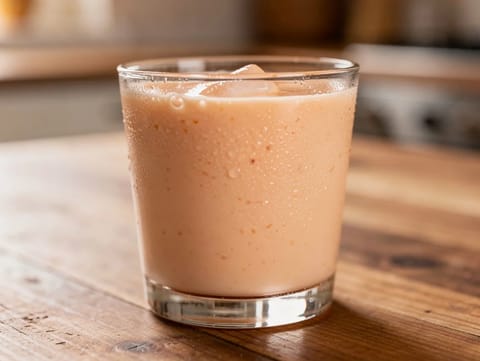
Peach yoghurt smoothie blended with milk and a little honey.

One-pot Cuban-style chicken and rice with peppers and tomatoes
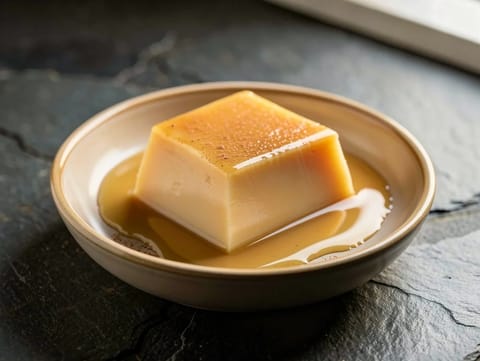
Colombian set milk custard thickened with cornflour and cinnamon
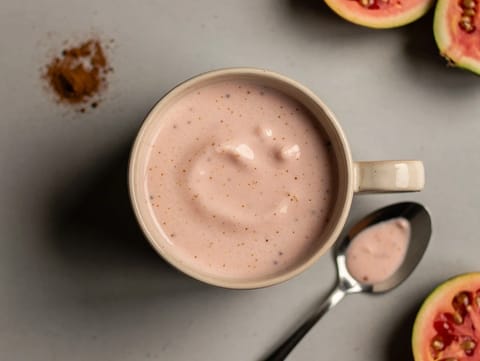
Warm guava atole thickened with masa harina and milk
Measuring cups are useful for quick, low-fuss cooking, and they are often the default in recipes written by volume. They are less reliable when ingredients vary in density, especially flour, grated cheese, chopped nuts and cocoa. If you bake often, a digital scale can remove a lot of uncertainty and reduces washing-up because you can weigh into one bowl. That said, you can still get consistent results with cups by using the same method each time and paying attention to how ingredients are filled, levelled and scraped. The key is not switching techniques mid-recipe.
If you are choosing recipes by how exact the measuring needs to be, Difficulty can be a helpful companion: some bakes are sensitive to small changes, while many everyday dishes are forgiving. Cooking method also adds context, because baking and confectionery tend to reward precision more than simmering a sauce or assembling a salad.
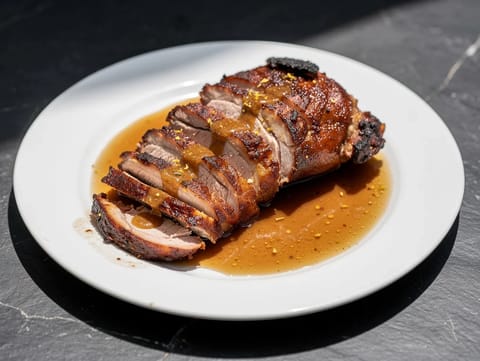
Slow-roasted pork shoulder with garlic, oregano and lime
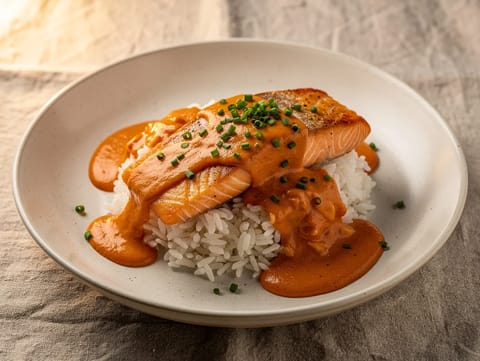
Pan-seared salmon with kimchi beurre blanc
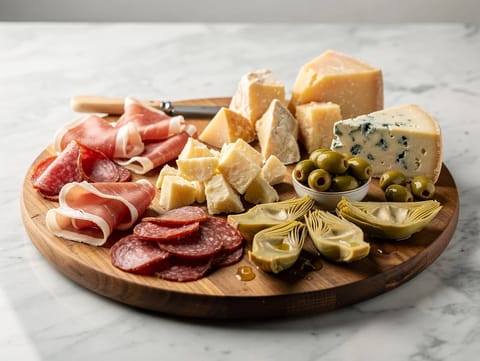
Italian board with salami, prosciutto, cheeses, olives and artichokes

Glazed salmon with green beans
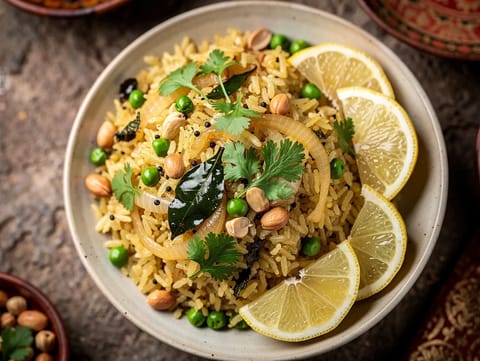
Flattened rice poha with peas, lemon and peanuts
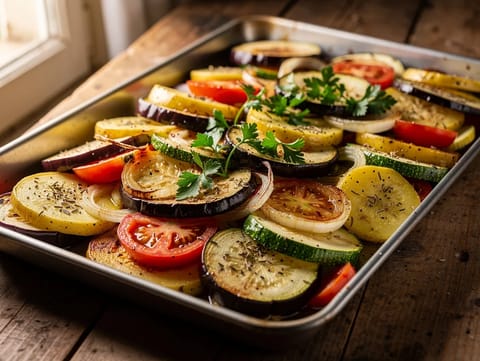
Greek olive oil roasted vegetable traybake
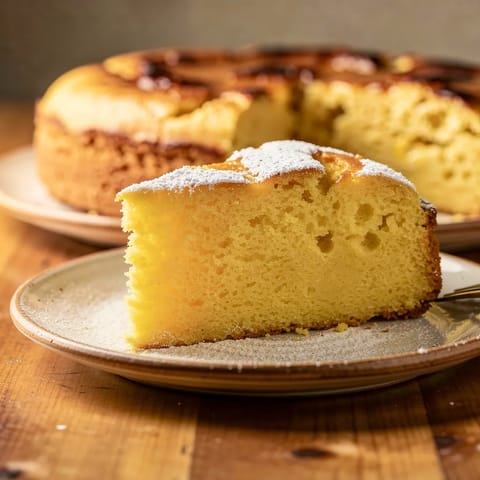
Mexican corn cake made with sweetcorn
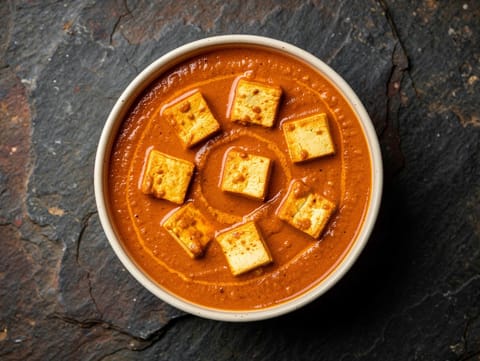
Paneer curry in a tomato and cashew sauce
You can, but it is easier to be accurate with the right style of cup. Dry cups are meant to be levelled; liquid cups are meant to be read at eye level with headspace for pouring.
Scooping often compacts flour. Many cooks get more consistent results by spooning flour into the cup and levelling it off.
Many recipes that specify brown sugar by cup assume it is packed, because it is naturally clumpy and compressible. If a recipe wants it loose, it will often say so.
Volume measures are sensitive to how ingredients are filled and levelled, and to ingredient density. Using the same technique each time improves repeatability.
Cup measures vary by region and recipe source. If a recipe provides weights, using a scale avoids that mismatch.
Use dry cups for fill-and-level ingredients and a liquid jug for pourable ones, then stick to the same measuring habits from start to finish. That consistency is what makes recipes repeatable.
