
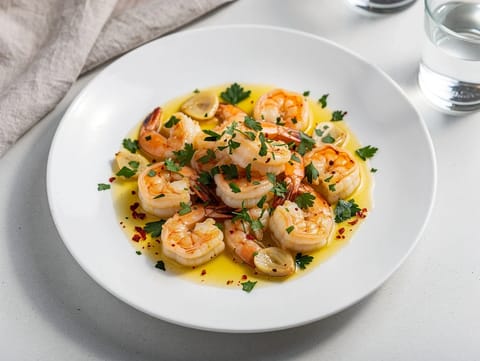
Gambas al Limón (Lemon Garlic Prawns)
Spanish lemon garlic prawns with chilli and parsley

A Microplane is a very fine grater, designed to shave rather than shred. That difference shows up immediately in the bowl: you get fluffy, almost melting strands of hard cheese, a paste-like garlic, and clean citrus zest without much bitter pith. If you are deciding whether you need one, the question is not “can I grate with something else?” but “do I want that particular texture?”. For many recipes it is a finishing tool, adding aroma and lift right at the end, rather than doing the bulk of the prep.
The fine teeth excel at ingredients where you want maximum surface area and minimal chunks: citrus zest, nutmeg, ginger, garlic, Parmesan-style cheeses and chocolate for garnishing. Because the shavings are so small, they disperse quickly into butter, dressings, batters and sauces, which can make flavour feel more integrated. A box grater is usually better when you need volume and structure, such as coarsely grated vegetables or a mound of cheese for topping. A peeler can replace a Microplane for citrus, but it gives strips that often need chopping, and it is easier to take pith along with the peel.
Spanish lemon garlic prawns with chilli and parsley
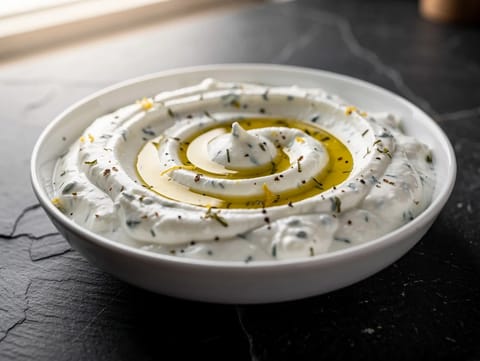
Thick Turkish yoghurt dip with garlic, mint and olive oil
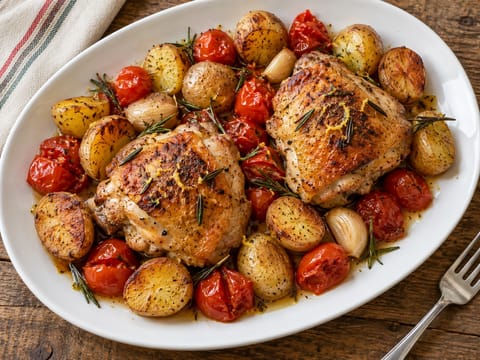
Oven-baked chicken with cherry tomatoes, rosemary and lemon
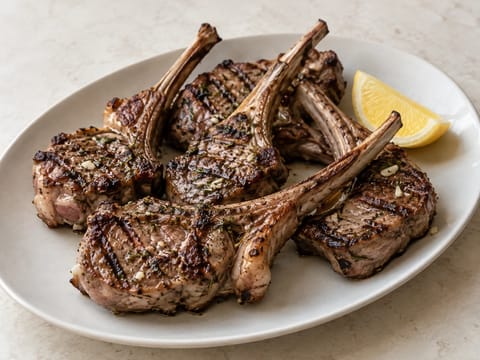
Roman-style grilled lamb chops with rosemary, garlic and lemon
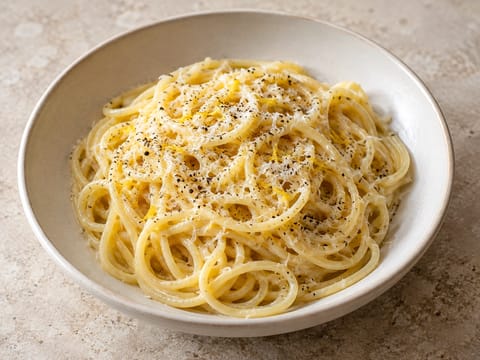
Spaghetti tossed in a silky lemon and Parmesan sauce
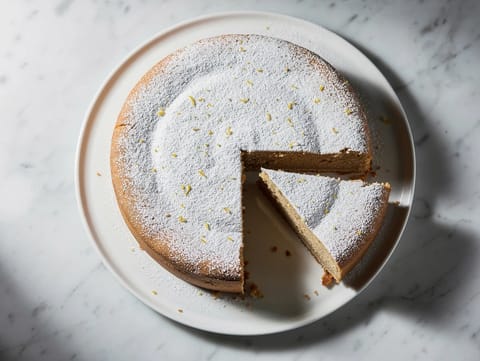
Spanish almond cake dusted with icing sugar
If the recipe calls for zest, a fine zester or the smallest holes on a box grater can work, but aim for the coloured outer layer only. For garlic and ginger, a garlic press or a very fine mince with a knife gives a similar effect, though it can be slightly chunkier and less juicy. For hard cheese, the fine side of a box grater is the closest substitute; expect a denser pile that melts a little differently. For nutmeg and other whole spices, a dedicated spice grater or a small rasp-style grater is often the most practical stand-in. The main thing is to match the texture the recipe relies on, not the tool name.
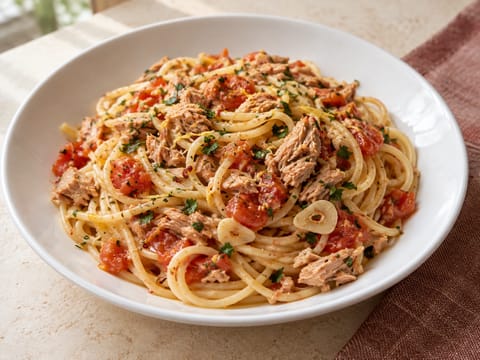
Spaghetti with tuna, tomato, garlic, chilli, parsley and lemon zest
Thick Turkish yoghurt dip with garlic, mint and olive oil
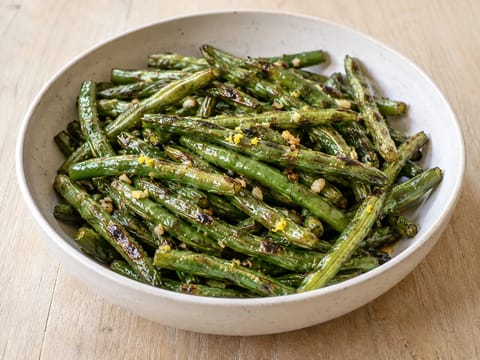
Air-fried green beans with garlic, lemon and olive oil.
Roman-style grilled lamb chops with rosemary, garlic and lemon

Whipped syllabub with lemon and white wine
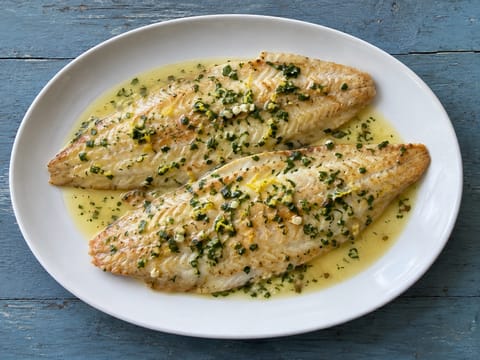
Pan-cooked sole with lemon butter sauce
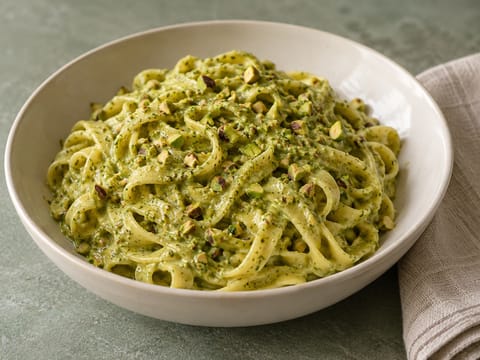
Pasta tossed with pistachio pesto, Parmesan and lemon
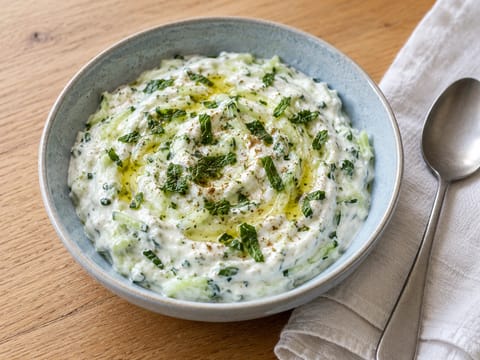
Chilled yoghurt and cucumber bowl with garlic and mint
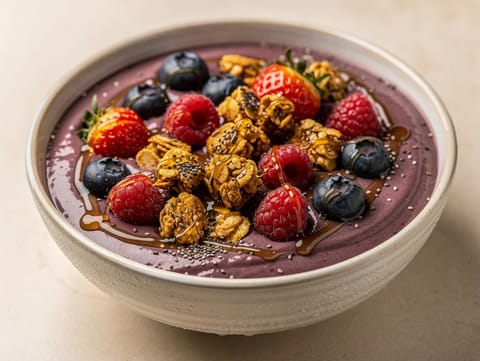
A thick açaí bowl topped with berries and granola.
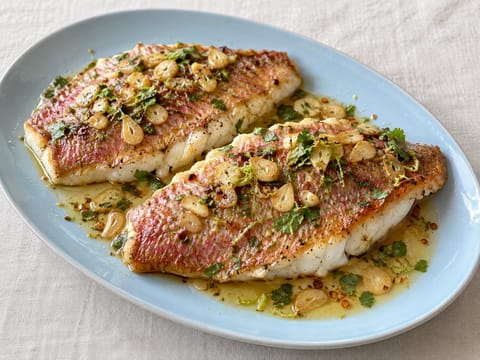
Pan-fried red snapper topped with garlic butter and lime
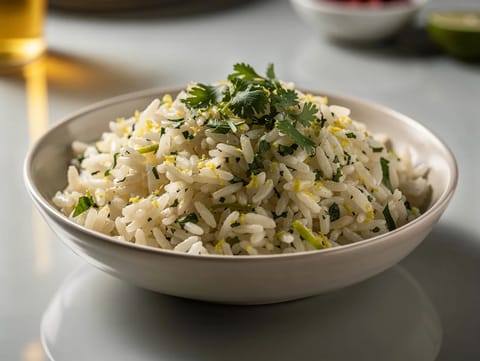
Fluffy lime and coriander rice finished with olive oil
Oven-baked chicken with cherry tomatoes, rosemary and lemon
The classic mistake is grating too far and catching your knuckles. Stop early, switch to a knife for the last bit, or use a guard if you have one. Another issue is clogging: very soft cheese or wet ingredients can smear rather than grate, especially if they are warm. Chilling the ingredient briefly can help it shave cleanly. With citrus, avoid pressing hard; light strokes reduce the chance of digging into pith. Finally, wash carefully. The teeth are sharp, and a sponge can snag. A brush or a rinse under running water is often safer and more effective.
Cooking method is a useful companion for Microplane recipes because the tool is often used at a specific moment, such as finishing a pasta, flavouring a batter, or seasoning a sauce. Difficulty can also help you judge how much precision is expected, since fine grating is sometimes a small but important detail in the overall result.
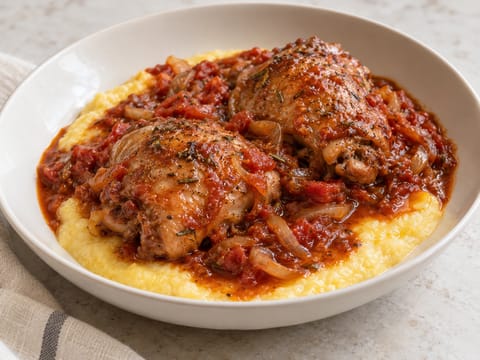
Chicken cacciatore served with buttery Parmesan polenta
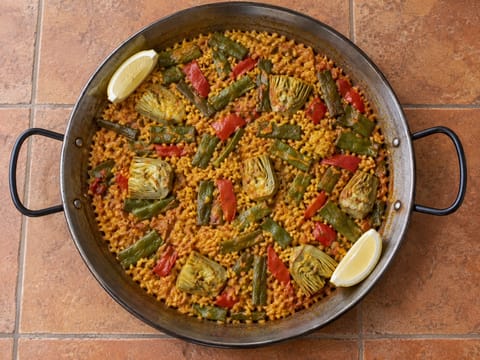
Valencian vegetable rice with saffron tomato stock
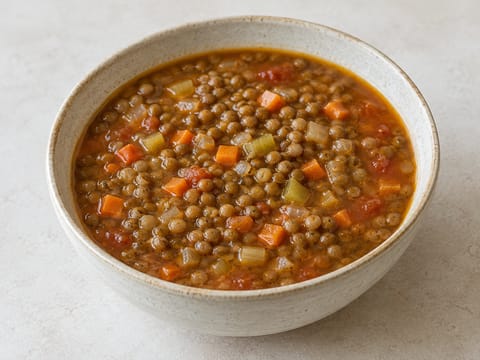
Italian lentil soup with vegetables and extra-virgin olive oil
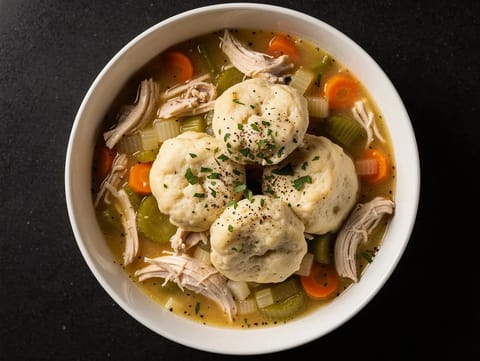
Chicken stew topped with fluffy buttermilk dumplings
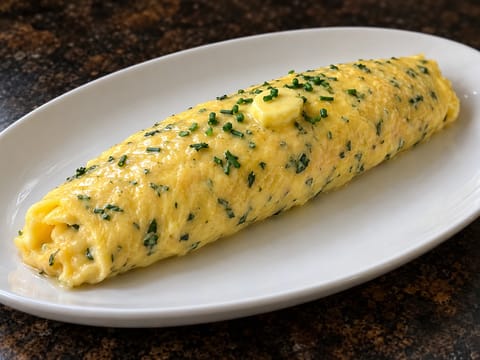
Soft French omelette with chives, parsley and tarragon
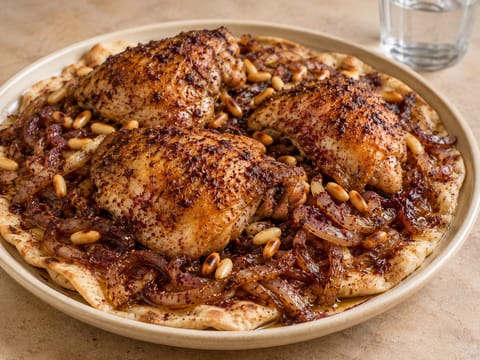
Roast chicken on flatbread with sumac onions and pine nuts

Crispy jackfruit carnitas in warm corn tortillas
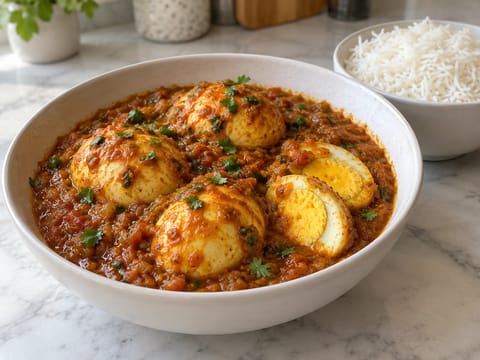
Egg curry in tomato and onion masala with basmati rice
A Microplane can be used as a zester, but it is a type of fine grater. It removes very fine zest; traditional channel-style zesters make longer strips.
It is not ideal. Soft cheeses tend to smear and clog the teeth. A box grater or slicing is usually more practical.
Very fine grating breaks the garlic down more completely, releasing more juice and dispersing it quickly, which can make the flavour feel stronger and more immediate.
Use light strokes and stop when you reach the white pith. Rotate the fruit as you go so you only take the coloured outer layer.
Not strictly. A box grater covers many jobs, but a Microplane gives a finer texture for zest, hard cheese and spices that some recipes and finishes rely on.
If a recipe depends on fine shavings that melt or disappear into the dish, a Microplane is the most direct route. Otherwise, choose the tool that gives the closest texture with the least fuss and the most control.
