
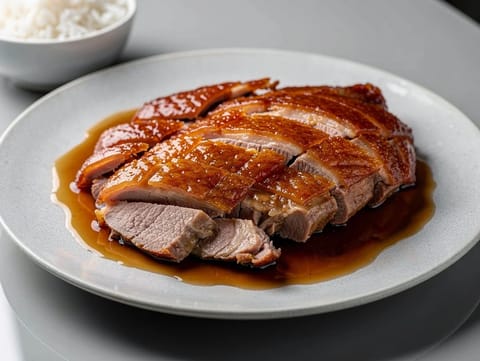
Cantonese Roast Duck (Home-Style Crispy Duck)
Cantonese roast duck with crisp skin

An oven is a controlled hot box: it surrounds food with dry heat so it can bake, roast, crisp and set. That sounds straightforward, but ovens vary in how evenly they heat, how quickly they recover temperature, and how strongly they brown. Recipes that list an oven are often relying on predictable heat over time, whether that’s to set a cake, roast vegetables until caramelised, or cook a tray of food evenly. Understanding the oven’s strengths and limits helps you interpret instructions with more confidence.
When a recipe calls for the oven, it usually expects hands-off cooking once the food is in: the heat does the work while you focus on timing and doneness cues. Oven cooking commonly aims for one or more of these outcomes: a dry, browned surface; a set interior structure (as in baking); or gentle, even heat for larger items. Unlike a hob, the oven is slower to respond to changes, so preheating and shelf position matter more. It also tends to cook from the outside in, which is why thickness and spacing on a tray can change results even when the ingredients are the same.
Cantonese roast duck with crisp skin
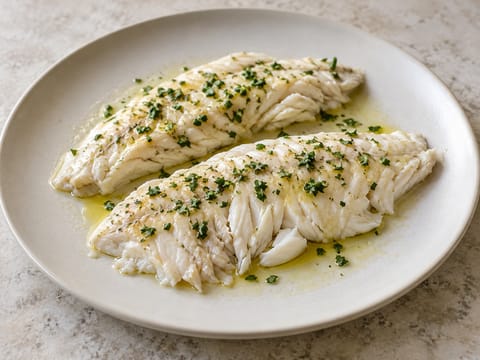
Whole sea bass baked in a salt crust with lemon
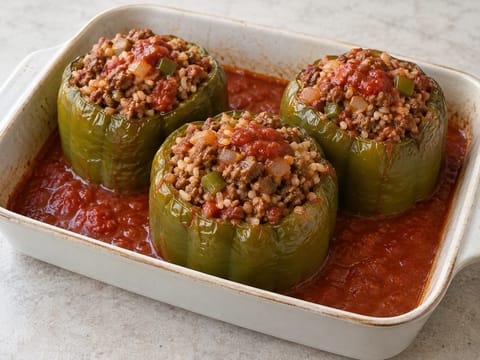
Stuffed peppers baked with spiced beef, rice and tomato sauce
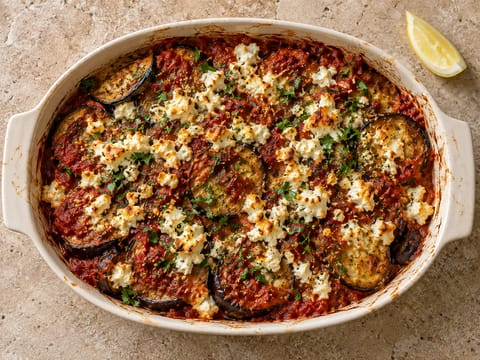
Roasted aubergine baked in tomato sauce with feta and oregano
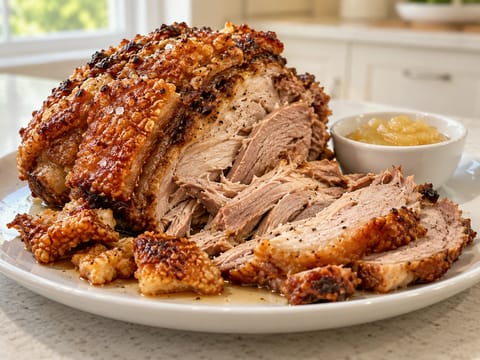
Slow-roasted pork shoulder with crisp crackling and apple sauce
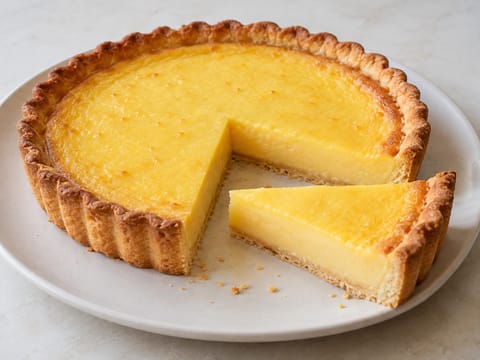
Italian lemon custard tart with a crisp shortcrust base
Conventional ovens heat mainly by radiant heat from the walls and elements, while fan-assisted ovens add airflow that can speed up surface drying and browning. That airflow can be helpful for roasting and crisping, but it can also dry delicate bakes if the recipe isn’t written with a fan in mind. Shelf position is a quiet but powerful control: higher shelves brown tops faster; lower shelves push heat into the base. Crowding is another common issue. If trays are packed tightly, steam builds up and food roasts less and steams more. Leaving space between pieces and between trays helps hot air circulate and encourages caramelisation.
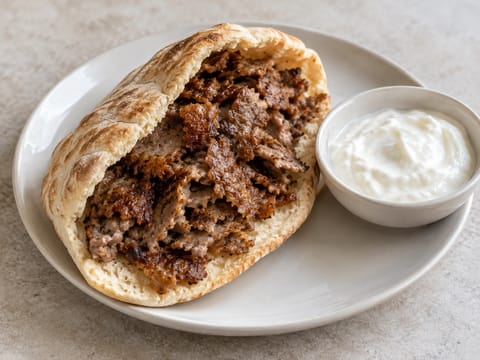
Spiced lamb doner slices served in warm pita
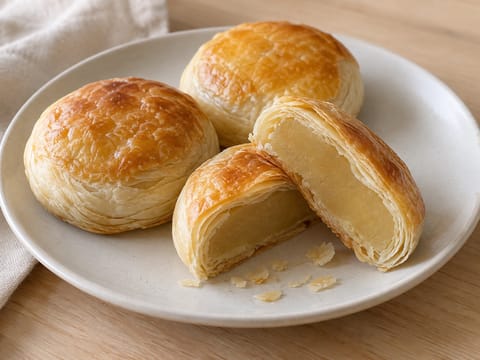
Flaky baked pastries filled with sweet mung bean paste
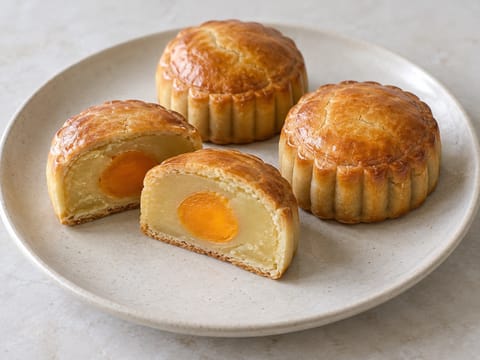
Baked mooncakes with golden syrup crust and mung bean filling
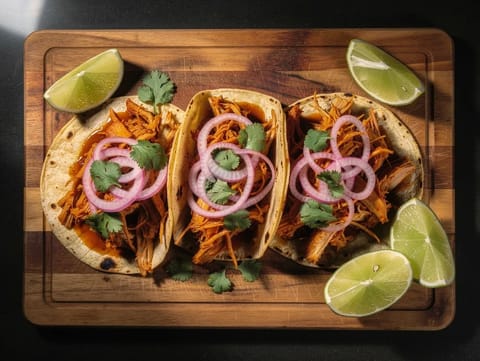
Yucatán slow-roasted pork served in corn tortillas with pickled onions
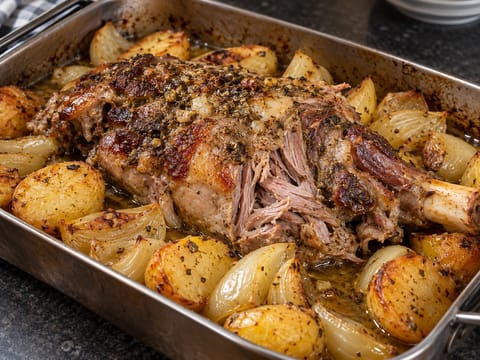
Greek slow-roasted lamb with lemon, oregano and potatoes
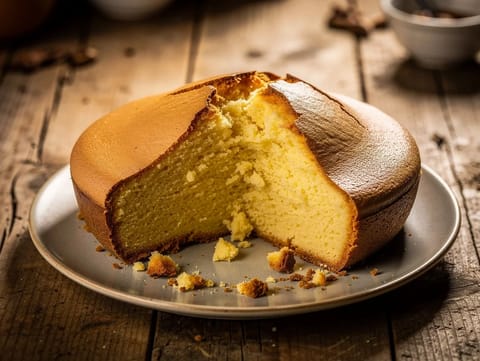
Light Portuguese sponge cake made with whisked eggs and flour
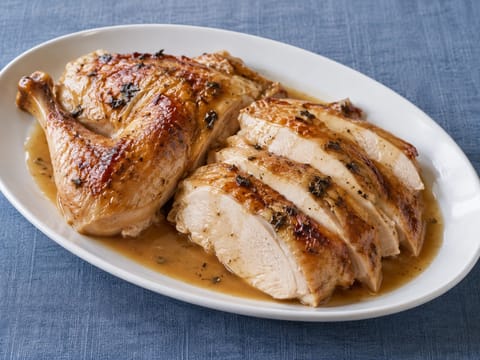
Roast capon with garlic and thyme butter pan gravy
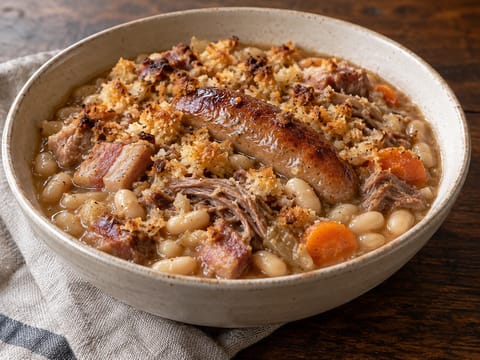
Slow-cooked bean stew with duck confit, pork and sausages
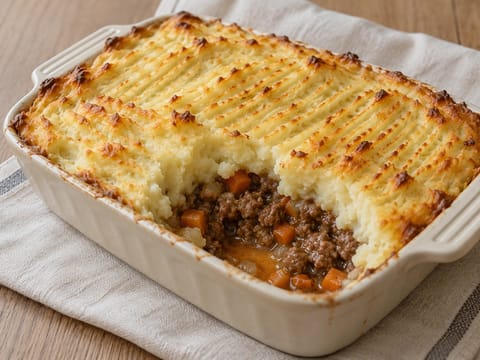
Minced beef pie topped with creamy mashed potatoes
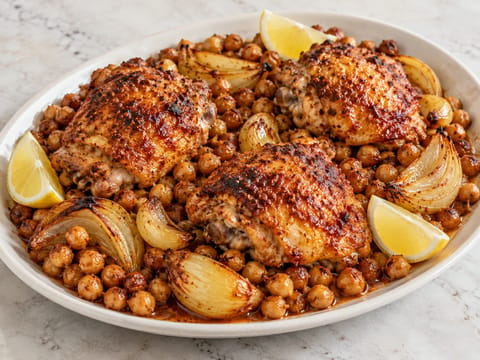
Harissa roasted chicken thighs with chickpeas

Italian breakfast ring cake with lemon zest, mixed in one bowl
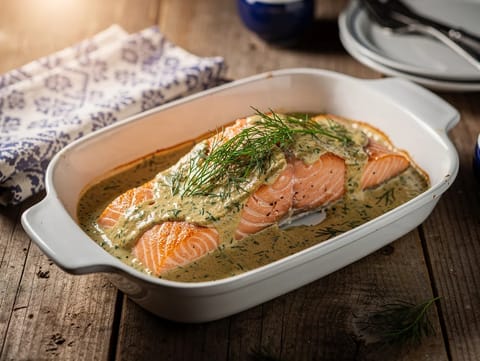
Baked salmon with mustard, dill and lemon
Skipping preheating can throw off timing and texture, especially for baking where structure sets early. Opening the door repeatedly drops temperature and can slow cooking; it matters most for bakes that rely on steady heat. Using the wrong tin or tray can also change outcomes: a heavy tray browns differently from a thin one, and dark metal can colour faster than light. Finally, many ovens run a little hot or cool. If you notice consistent over-browning or undercooking, an oven thermometer can help you interpret recipes more accurately without guessing.
Oven recipes are often best understood through the technique they use: roasting, baking, broiling or slow cooking. Cooking method helps you compare those approaches and the results they produce. Difficulty is also useful, because some oven recipes are largely hands-off, while others depend on confident judgement of colour, rise and doneness.
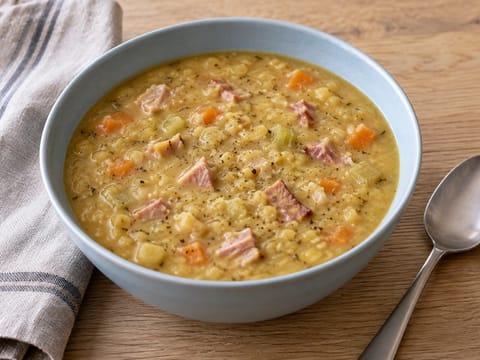
Thick yellow split pea soup with smoked ham and marjoram
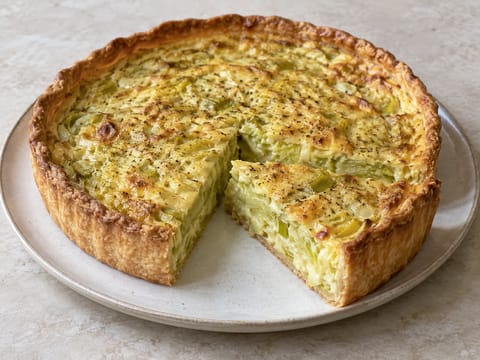
Leek and cream tart baked in a crisp pastry case
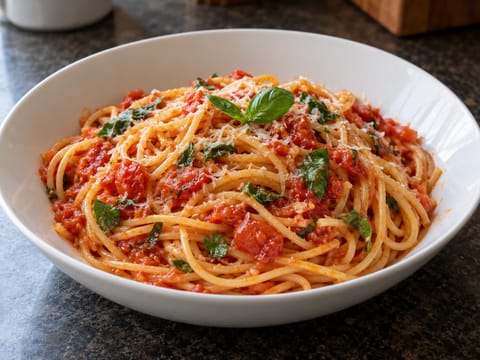
Spaghetti with fresh tomato, garlic and basil
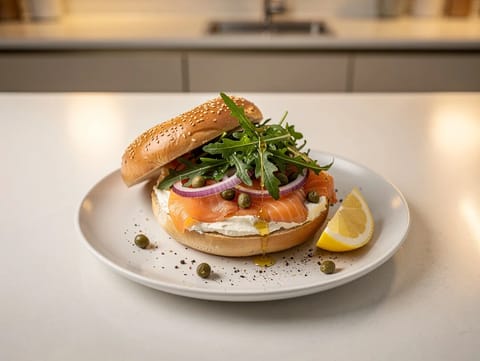
Toasted bagel with smoked salmon, cream cheese and capers
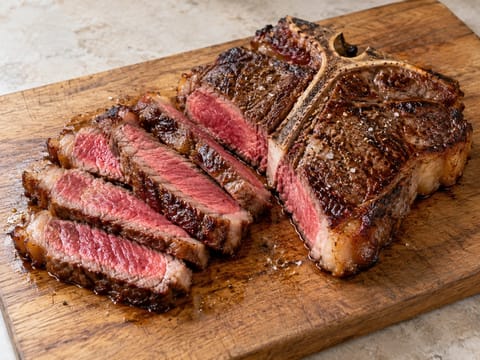
Tuscan T-bone steak, seared and simply seasoned
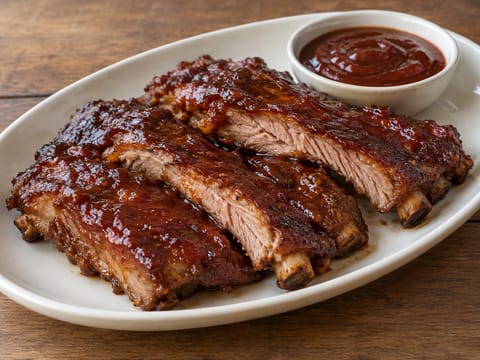
Oven-baked pork ribs with a sweet, smoky molasses glaze
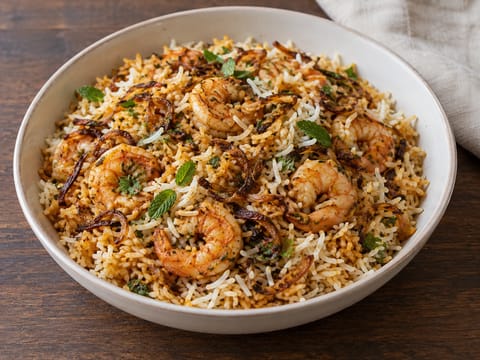
Malabar-style biryani with spiced prawns and basmati rice
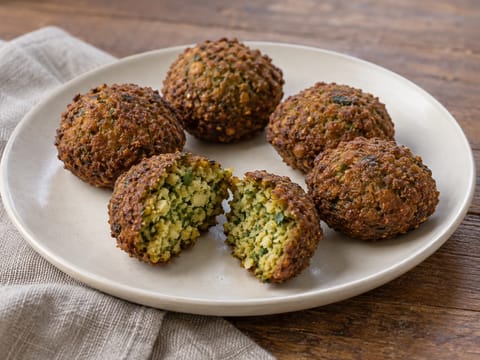
Crisp falafel made from soaked chickpeas, herbs and spices
No. Even ovens of the same type can differ in hotspots, airflow and temperature accuracy. That’s why recipes often include visual cues such as colour and texture alongside timings.
Fan-assisted ovens move hot air around, which can speed up cooking and browning and dry surfaces more readily. Conventional ovens can be gentler for some bakes but may heat less evenly.
If food is crowded, moisture has nowhere to go and the oven environment becomes steamy. Space allows evaporation and airflow, which supports roasting and crisping.
Use higher shelves when you want stronger top browning, such as finishing a gratin. For even baking, many recipes work best nearer the middle where heat is more balanced.
Some oven-safe dishes are designed for it, but sudden temperature changes can crack certain glass or ceramic. If you’re unsure, avoid thermal shock by warming the dish gradually.
Hotspots, an unlevel shelf, or placing tins too close to an oven wall can all cause uneven heat. Rotating tins partway through can help, unless the recipe warns against moving them while setting.
Oven recipes reward small, practical choices: preheat properly, give food space, and use shelf position to control browning. Once you treat the oven as a heat environment rather than a fixed temperature, the instructions make more sense across many different dishes.
