
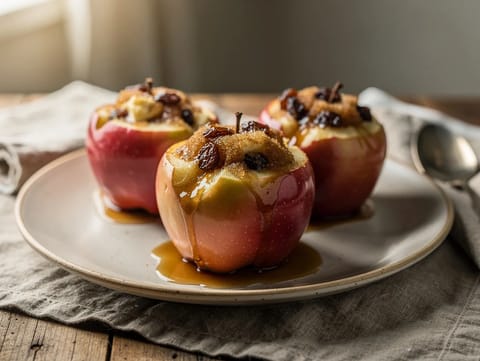
Air Fryer Baked Apples
Air fryer baked apples filled with cinnamon, brown sugar and butter.

A paring knife is the small, sharp knife you reach for when the job is too fiddly for a chef’s knife: peeling fruit, trimming strawberries, removing blemishes, or cutting small garnishes. Because the blade is short, it gives you control close to your fingertips, especially for in-hand work. That same closeness is why technique matters. A paring knife is safest and most efficient when it is sharp, used with a stable grip, and reserved for tasks that suit its size.
Use a paring knife for peeling and turning small fruit and vegetables, coring tomatoes, hulling berries, trimming mushrooms, and scoring shallow cuts in skin or fat. It is also handy for jobs where you want to work in the air rather than on a board, such as peeling an apple in one hand. For chopping piles of herbs, onions or vegetables, a larger chef’s knife is usually faster and keeps your knuckles safely guiding the blade. For bread, cakes and anything with a crust, a serrated knife does the cleanest job. If you do not have a paring knife, a small utility knife can cover many of the same tasks, just with a little less precision.
Air fryer baked apples filled with cinnamon, brown sugar and butter.
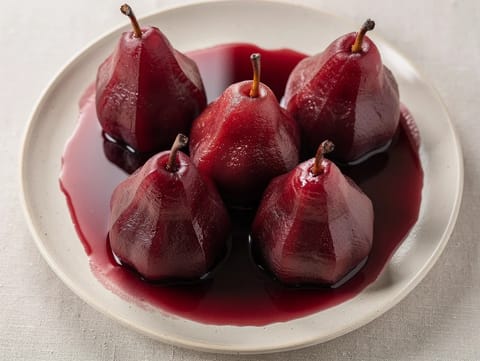
Pears stewed in red wine with cinnamon and cloves
Cored courgettes stuffed with spiced lamb and rice, simmered in tomato and garlic sauce

Courgettes stuffed with minced lamb and rice in tomato sauce
The biggest mistake is using it for board work that needs a longer blade. Short blades encourage extra wrist movement and repeated cuts, which can lead to uneven pieces and slips. Another common issue is peeling towards your thumb with the blade angled inwards. A safer habit is to keep the cutting edge moving away from your hand, taking small, controlled strokes. Finally, a blunt paring knife is deceptively dangerous: it forces you to press harder, and the blade is more likely to skid on smooth skins like tomatoes or peppers.
Air fryer baked apples filled with cinnamon, brown sugar and butter.
Courgettes stuffed with minced lamb and rice in tomato sauce
Pears stewed in red wine with cinnamon and cloves
Cored courgettes stuffed with spiced lamb and rice, simmered in tomato and garlic sauce
You will most often see a paring knife mentioned where neat trimming affects the final look or texture: preparing fruit for tarts, cleaning and shaping vegetables for even cooking, or doing small finishing cuts just before serving. It is also the quiet workhorse for mise en place, when you are removing tough stems, tidying edges, or cutting small amounts of aromatics that would be awkward under a large blade. In baking, it is useful for scoring dough, trimming pastry overhang, or cutting vents with accuracy.
Knife work often changes how demanding a recipe feels, even when the cooking itself is straightforward, so browsing by Difficulty can help you find options with less fine prep. Cooking method is also a useful companion, because some methods rely on careful trimming and portioning, while others are more forgiving about shape and size.
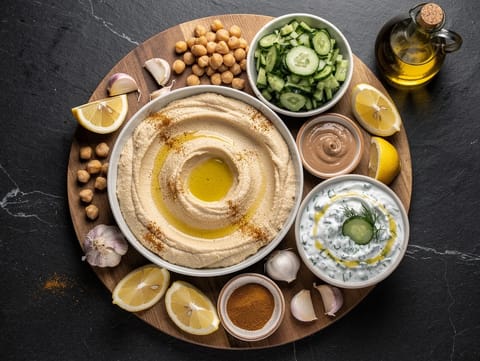
Iftar mezze board with hummus, cacık, olives and pita
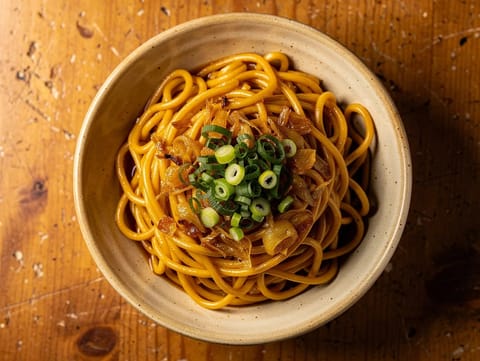
Wheat noodles tossed in fragrant spring onion oil and soy sauce

Tangy hot and sour soup with tofu and shiitake
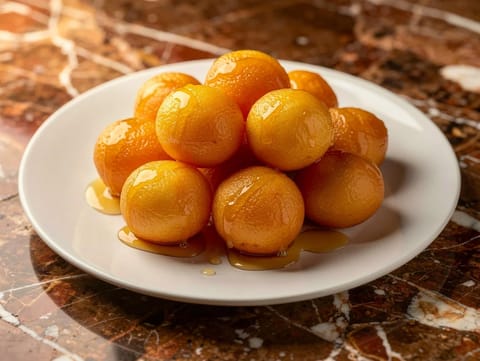
Fried dough bites soaked briefly in lemon syrup
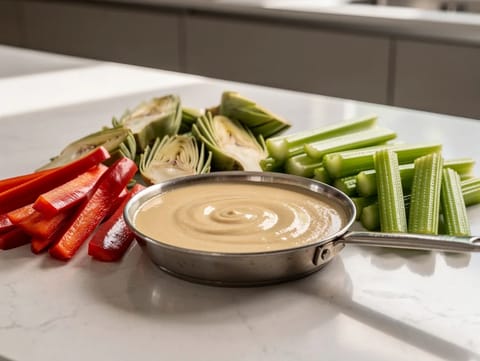
Warm anchovy and garlic dip cooked in olive oil and butter
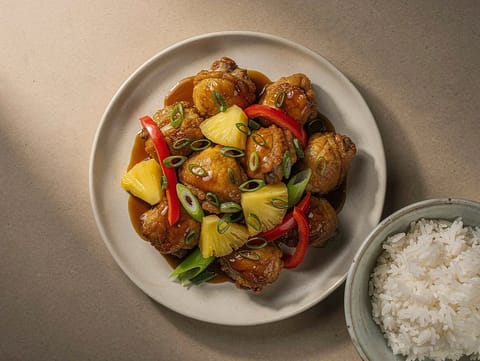
Crispy chicken tossed in a sweet and sour sauce.
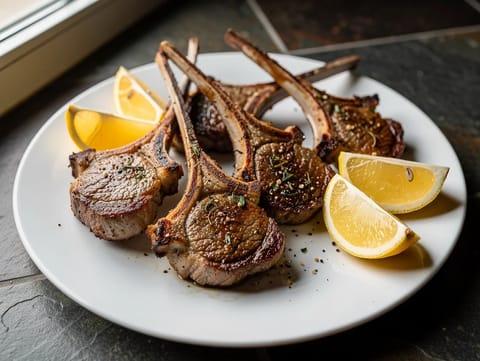
Air fryer lamb chops with olive oil, lemon, garlic, and oregano.
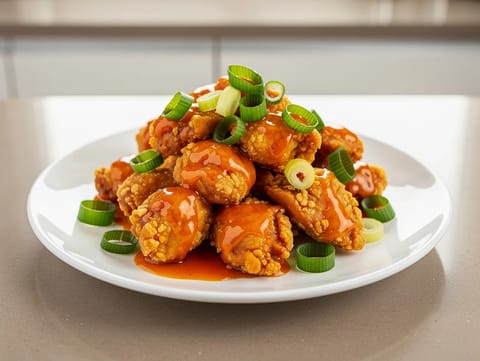
Crispy air fryer orange chicken tossed in a sticky sauce.
A paring knife is short and designed for control in small, precise tasks, often in-hand. A chef’s knife is longer and designed for efficient chopping and slicing on a board.
It depends on the ingredient and your comfort. In-hand peeling suits firm items like apples, but for slippery or awkward shapes, a board and a peeler can be steadier.
It can trim small bits of fat or silver skin, but it is not ideal for slicing cooked meat or carving. A longer slicing or chef’s knife gives cleaner, straighter cuts.
Many cooks like a straight or gently curved edge for general work. The best shape is the one that feels stable in your grip and suits the tasks you do most.
Very sharp. Because you use it close to your fingers, a keen edge lets you use light pressure and make controlled cuts without forcing the blade.
A paring knife earns its place when you need fingertip control and tidy detail work. Use it for peeling and trimming, switch to a larger knife for chopping, and keep the blade sharp so you can work with light pressure and steady hands.
