WMF Mini Saucepan 16 cm with Lid
- High-quality stainless steel
- Even heat distribution
- Higher price point
A saucepan is the everyday pan for simmering, boiling and gentle reduction. Its tall sides help contain liquids and foam, and the smaller surface area slows evaporation compared with a wide frying pan. That makes it a natural fit for cooking grains and pasta, warming soups, making sauces and heating milk-based mixtures. It is less suited to tasks that rely on rapid evaporation or broad, even browning. If you understand how width, depth and lid use change the balance between simmering and reducing, you can choose the right pan and avoid boil-overs and scorched bases.
A saucepan is usually deeper than it is wide, with straight or slightly flared sides and a long handle. Compared with a frying pan, it has less exposed surface area, so liquids evaporate more slowly and the contents are less likely to splash. Compared with a stockpot, it is smaller and easier to control for modest quantities and quicker heat changes. A lid is part of the system: on speeds up heating and traps steam; off encourages reduction and thickening. Those simple choices often matter more than the exact material.
Our recommended options if you're looking for a Saucepan.

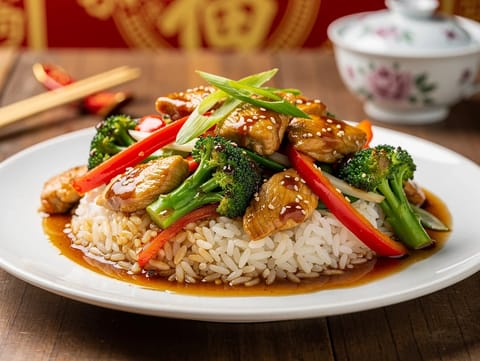
Quick chicken stir fry with vegetables and savoury soy sauce.

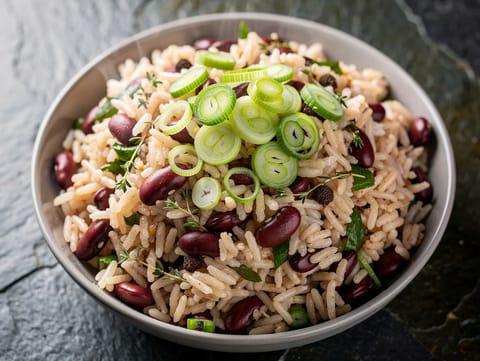
Coconut rice with kidney beans, thyme and allspice

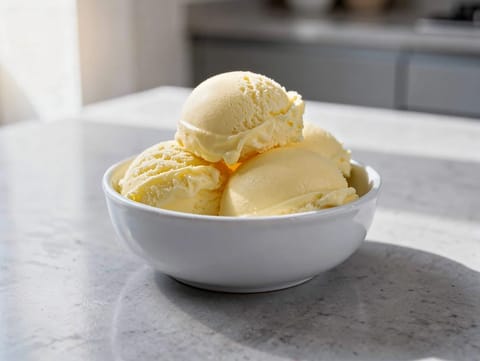
Italian lemon gelato made with fresh zest and juice

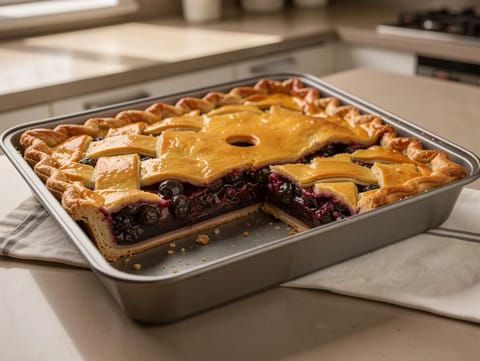
Air fryer blueberry pie with lemon and cornflour-thickened filling.

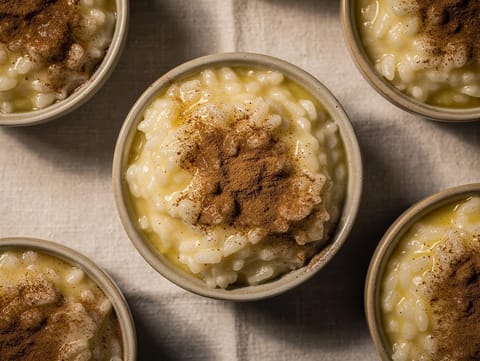
Portuguese rice pudding with cinnamon, egg yolks and lemon zest

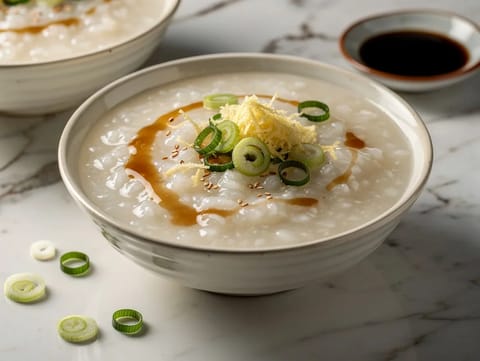
Creamy jasmine rice congee with ginger and spring onion
Choose by volume and by what the food does as it heats. For pasta, grains and anything that foams, you want headroom so bubbles do not climb over the rim. For sauces and custards, a heavier base helps steady the heat and reduces hot spots that can catch. If you are reducing a sauce quickly, a wider pan or sauté pan may be faster because more surface is exposed to the air. For delicate milk or chocolate mixtures, a smaller pan can be easier to keep at a gentle simmer, but you will need to stir more often to prevent sticking.

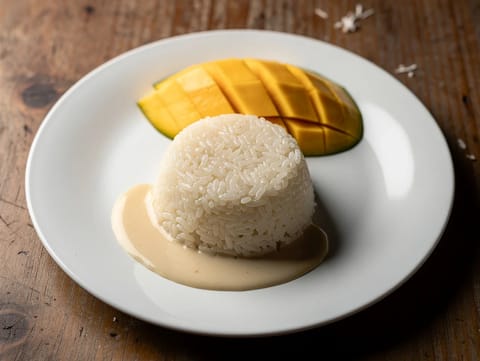
Sticky coconut rice served with ripe mango

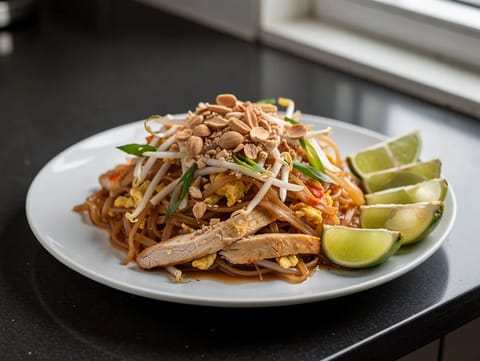
Chicken Pad Thai with tamarind sauce, peanuts, bean sprouts and lime

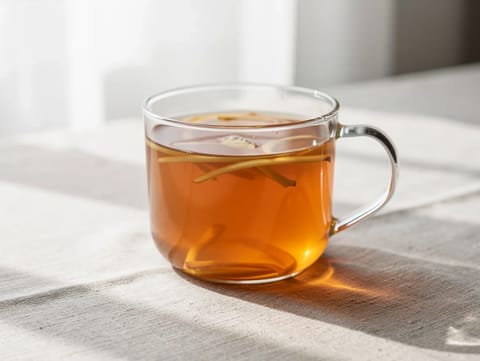
Hot ginger tea sweetened with light brown sugar

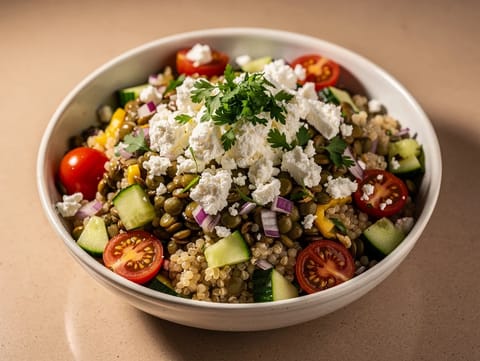
Lentil and bulgur bowl with lemon dressing and feta

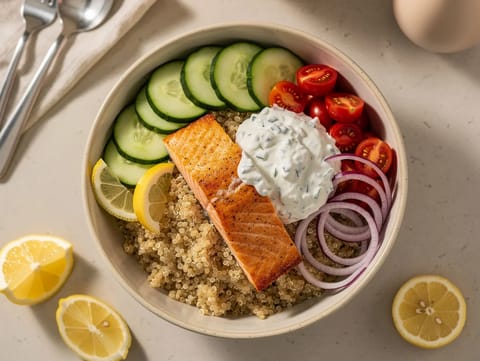
Greek salmon bowl with quinoa, salad veg and tzatziki

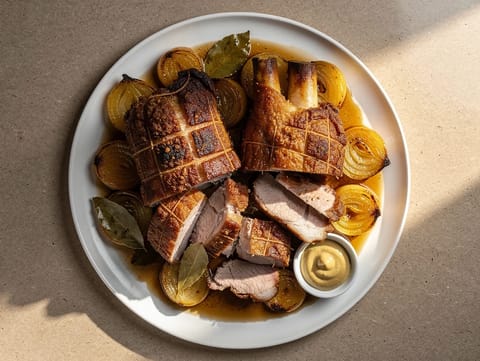
Polish roasted pork knuckle with marjoram, caraway and mustard

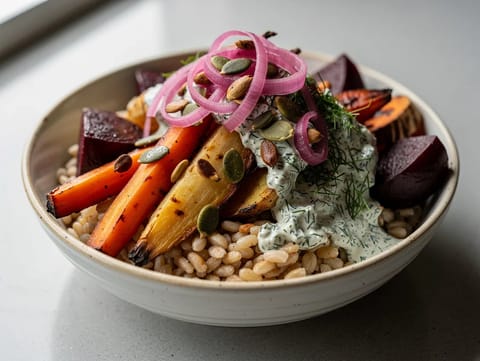
Roasted root vegetables over barley with dill yoghurt dressing

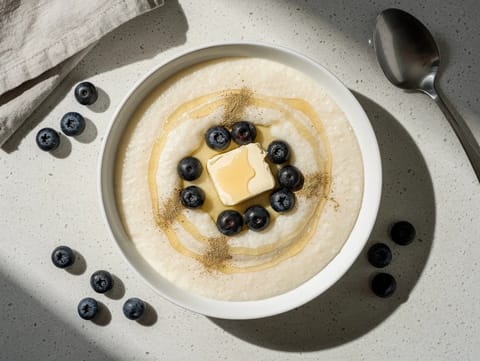
Creamy semolina porridge with honey, cardamom and blueberries

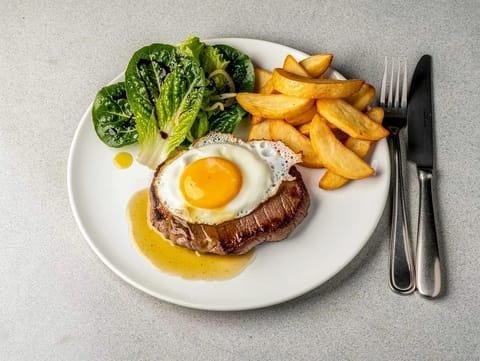
Pan fried steak topped with a fried egg and chips

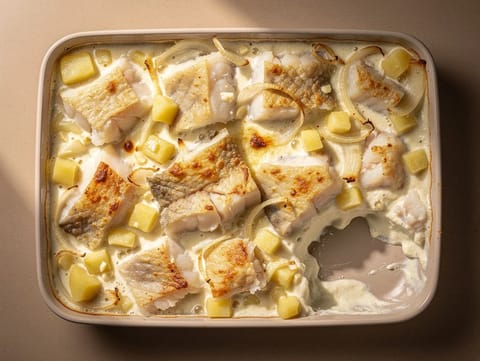
Creamy baked salt cod and potato casserole

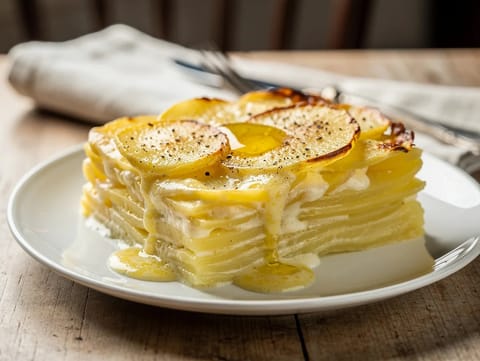
Creamy French potato gratin with garlic and nutmeg

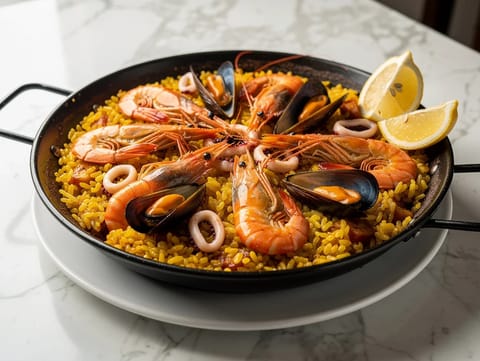
Seafood paella with prawns, mussels and squid
Boil-overs usually happen when the pan is too small or the heat is too high for a starchy liquid. Lowering the heat and leaving the lid slightly ajar reduces the surge. Scorching on the base is often a sign of insufficient stirring for thick mixtures, or a pan with thin metal that creates hot spots. Another common issue is reducing too far with the lid off, then trying to fix it by adding water; that can thin flavour as well as texture. If a recipe needs reduction, aim for a steady simmer and check consistency as you go.
A saucepan shows up across many cooking methods, from simmering and poaching to making syrups and sauces. Browsing by Cooking method helps you compare those techniques and see when a different pan shape is usually chosen. Difficulty can also be useful, because some saucepan recipes are simple heat-and-stir, while others depend on careful temperature control and timing.

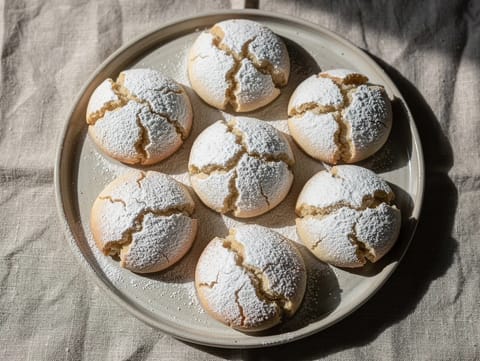
Crackled almond biscuits flavoured with orange blossom water

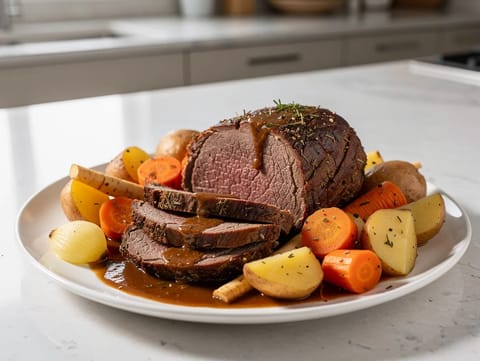
Slow cooker beef pot roast with potatoes, carrots and parsnips

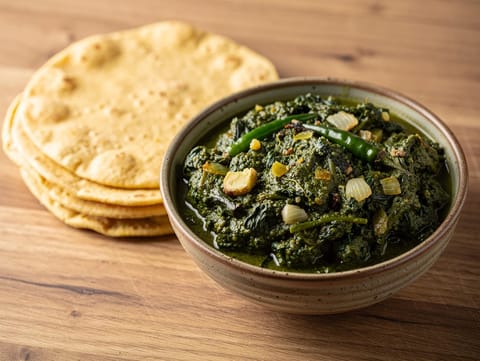
Mustard greens and spinach curry served with maize flatbread

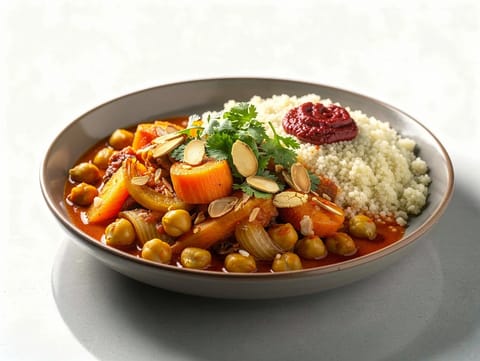
Carrot and chickpea tagine served with couscous and harissa

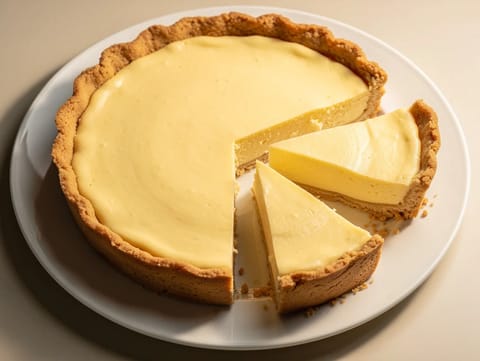
No-bake lemon pie with a crisp biscuit crumb base

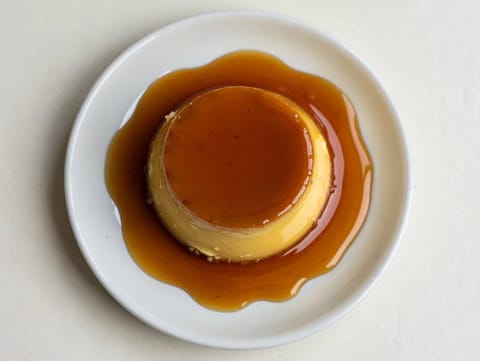
Baked orange caramel flan turned out with its caramel sauce

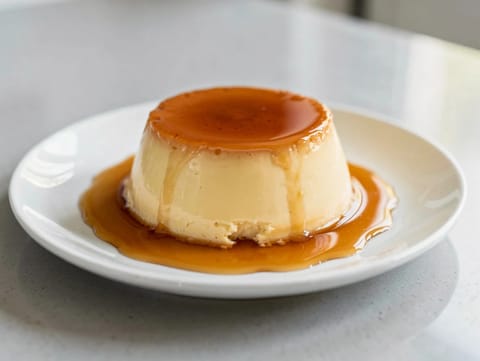
Silky vanilla custard turned out with caramel sauce

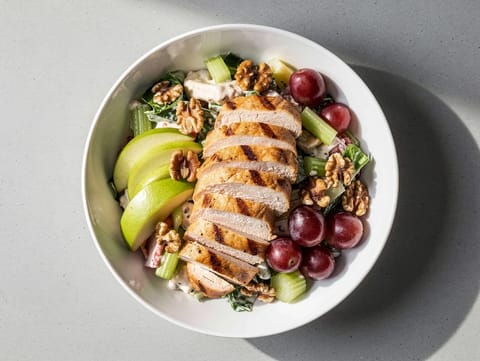
Waldorf salad with grilled chicken, apple, grapes and walnuts
In everyday use, “pot” can mean many things. A saucepan is typically a smaller, handled pan with taller sides, designed for liquids, simmering and controlled reduction.
No. A lid speeds up heating and keeps moisture in, while cooking without a lid encourages evaporation and reduction. Many recipes use both at different stages.
Thick mixtures need steady stirring and moderate heat. A thin-based pan can create hot spots, and high heat can scorch before the sauce thickens evenly.
Sometimes. A frying pan reduces faster because it is wider, but it can also splatter more and may heat less evenly for delicate mixtures.
A medium, general-purpose size is the most flexible. Beyond that, choose a smaller pan for sauces and a larger one for pasta, grains and soups.
Not necessary, but it can help with sticky foods. Stainless steel and enamelled pans work well too, especially when you control heat and stir appropriately.
When a recipe asks for a saucepan, it is usually asking for control: contained simmering, steady heat and the option to cover or reduce. Match the pan size to the amount, then let the simmer, not a hard boil, do the work.