
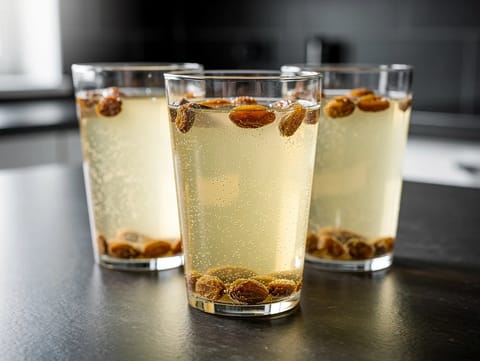
Sima (Finnish Lemon May Day Drink)
Finnish lemon sima, lightly fermented and served chilled with raisins

Sieve and strainer are often used interchangeably, but they solve slightly different problems. A strainer is usually about separating solids from liquid quickly, while a sieve is often about refining texture, removing lumps or aerating dry ingredients. Mesh size, bowl shape and rigidity change what the tool can do, from draining pasta to pressing purées or dusting icing sugar. If you know whether the recipe needs speed, smoothness or fine filtration, you can choose the right tool, or improvise safely with what you have.
A colander has larger holes and is built for fast draining of bulky foods such as pasta and vegetables. A fine-mesh strainer drains smaller items and catches grains, seeds or curds, and it is often used for rinsing. A sieve is typically finer again and may be used dry, for flour or cocoa, or wet, for smoothing custards and sauces. The key variable is mesh size: finer mesh gives a smoother result but clogs more easily, so it suits small quantities and gentle pressing rather than rapid draining.
Finnish lemon sima, lightly fermented and served chilled with raisins
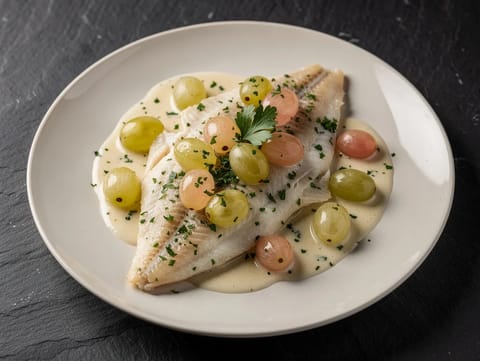
Poached sole with grapes in a white wine cream sauce

Layered dessert with beans, pandan jelly, coconut milk and ice
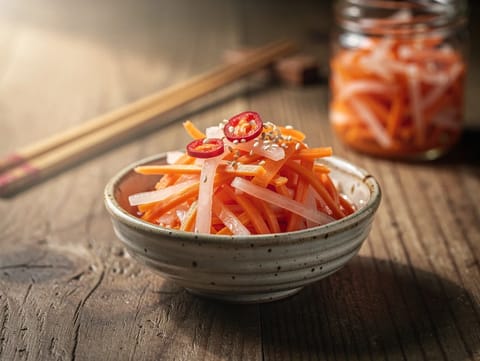
Crisp pickled carrot and daikon in sweet vinegar brine

Strong iced tea topped with sweetened condensed milk
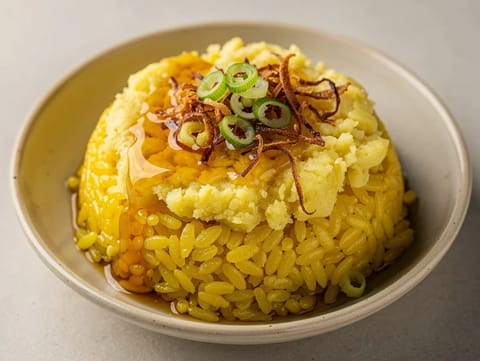
Turmeric sticky rice with mung beans and fried shallots
For draining, pick a tool that matches the size of what you are draining. Fine grains and small pasta shapes can slip through a colander, while a fine-mesh strainer can back up and overflow if you pour too quickly. For smoothing, a fine sieve or strainer works best when you push with a ladle or spatula and keep the mixture moving; thick purées may need a sturdier tool and patience. For sifting dry ingredients, a dry, clean sieve is important, and tapping gently is usually more effective than shaking hard, which can compact flour into lumps.
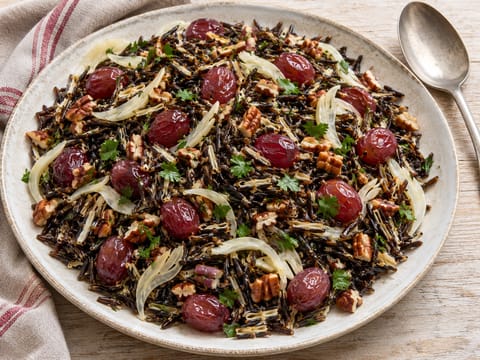
Wild rice salad with roasted grapes and toasted pecans
Fluffy coconut rice with lemongrass and pandan, topped with crunchy garnishes
Jakarta-style nasi uduk is fragrant coconut rice finished with crisp fried shallots

A tangy cranberry-rosemary spritz with ice and sparkling water
The most common problem is using too fine a mesh for a large volume of liquid, then pouring fast and flooding the rim. Work in batches and give the liquid time to pass through. Another issue is pressing very hot mixtures aggressively, which can force splashes through the mesh; slow, steady pressure is safer and usually gives a smoother result. For sifting, dampness is the enemy: even a little moisture in the sieve can make flour clump and stick, so dry the tool thoroughly before you start.
This tool often signals a texture step rather than a specific dish. Cooking method is a useful next route because straining, sieving and rinsing show up in everything from stocks and sauces to baking. Difficulty can also help you judge whether the recipe expects a quick drain or a more precise, fine-texture finish.
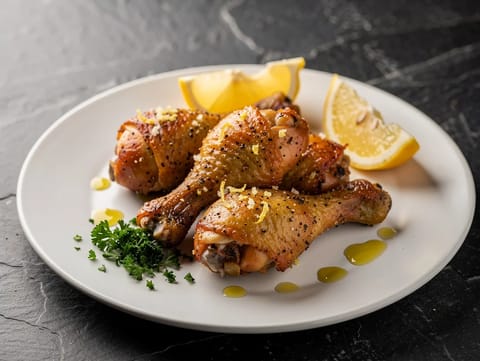
Crisp air fryer chicken drumsticks with lemon and black pepper.
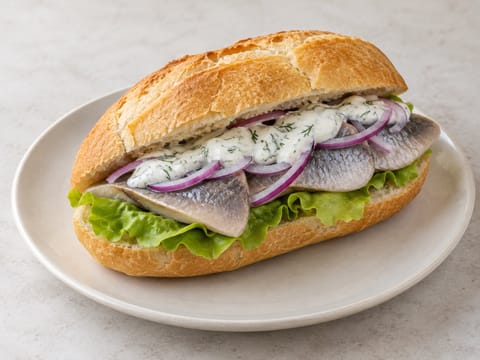
Fish roll with matjes herring, lettuce and yoghurt dill sauce
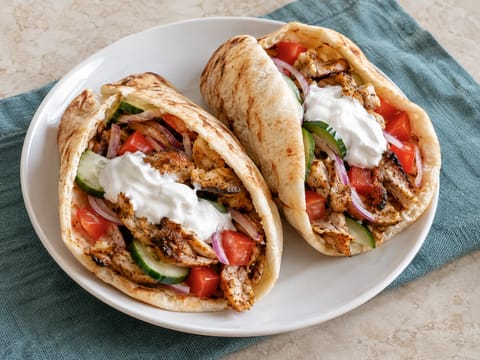
Air fryer gyro chicken served in pitta with yoghurt and salad.

Spanish brothy rice cooked in saffron stock with tomato sofrito
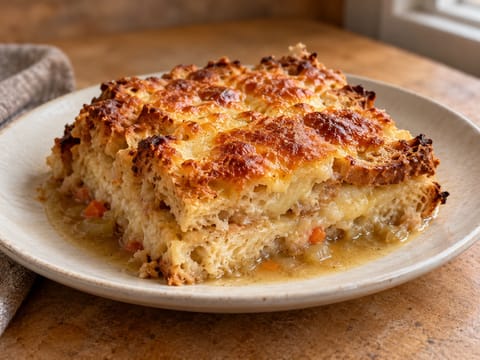
Sardinian bread and pecorino bake soaked in beef stock
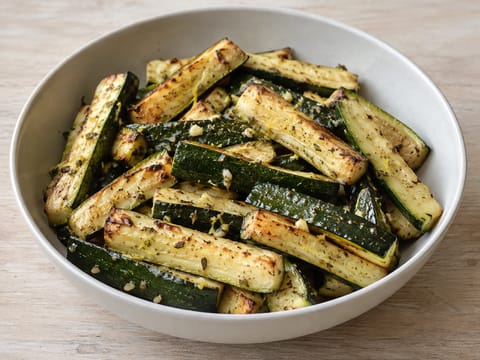
Air fried courgettes with garlic, herbs and lemon.
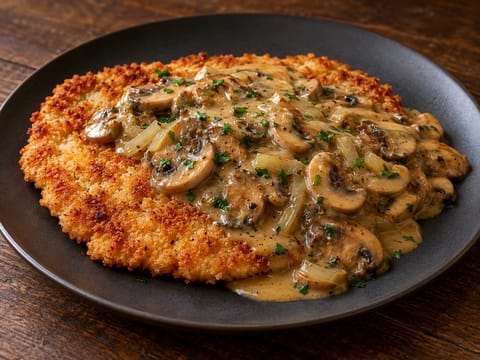
Crisp pork schnitzel topped with creamy mushroom gravy

Sushi rice with spicy mayo prawns, avocado and cucumber.
They overlap. Many fine-mesh strainers can act as sieves, but a sieve is often designed for sifting dry ingredients as well as refining wet mixtures.
Use a colander when you need fast draining of larger foods, such as pasta or blanched vegetables. Fine mesh can slow draining and cause overflow with big volumes.
For draining, a colander or slotted spoon may work. For fine straining, a clean cloth or coffee filter can substitute, but it will be slower and may absorb some liquid.
The mesh is too fine for the mixture, or the mixture contains starch or pulp that blocks the holes. Work in smaller batches and stir gently to keep liquid moving through.
Only if the recipe is aiming for a particularly smooth texture or to remove solids such as herbs, spices or curdled bits. Many sauces are meant to be rustic.
You can whisk flour in a bowl to break up lumps and add air. It is not identical to sifting, but it often achieves the practical goal for everyday baking.
Think first about what you are trying to separate: big solids, small grains, or fine lumps. Once you choose the right mesh and work at a sensible pace, sieves and strainers become quiet, reliable tools for cleaner textures and clearer liquids.
