
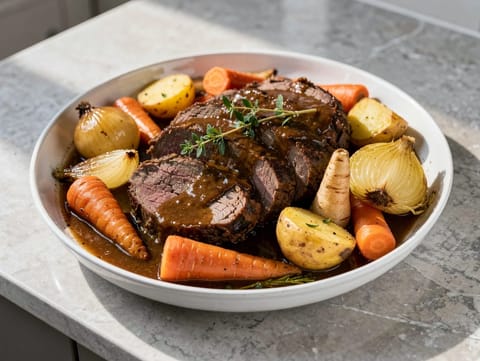
Slow Cooker Beef Pot Roast with Root Vegetables
Slow cooker beef pot roast with root vegetables and gravy

A slow cooker is built for steady, low-temperature cooking in a covered pot, with very little evaporation. That combination is ideal for dishes that benefit from time and moisture, but it also explains most slow-cooker disappointments: flavours can taste muted, sauces can stay thin, and vegetables can turn soft if they sit too long. Use this page to compare when a slow cooker makes sense versus other methods, and to spot the small adjustments that help slow-cooked food taste properly finished.
Compared with an oven or hob, a slow cooker holds a stable, gentle heat and traps steam. You get tenderising over time and a forgiving simmer, but you do not get the same surface browning you’d expect from roasting or pan-frying. Because the lid stays on, liquid doesn’t reduce much, so the starting amount of stock, tomatoes or other wet ingredients matters. Slow cookers also reward a different kind of planning: prep happens up front, then the dish largely looks after itself until the end, when you may finish seasoning or thicken the sauce.
Slow cooker beef pot roast with root vegetables and gravy
Tender beef brisket slow-cooked with a smoky spice rub and reduced gravy
Tender BBQ brisket with a smoked paprika and brown sugar rub
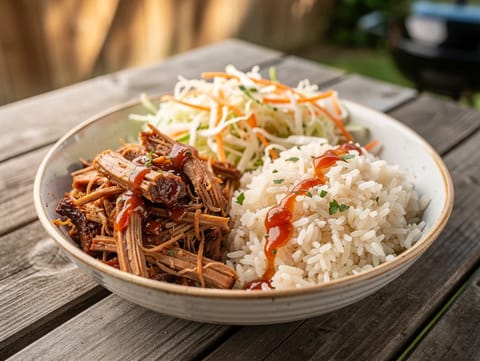
BBQ pulled pork over rice with cabbage and carrot coleslaw
Slow-cooked chipotle pulled chicken served in corn tortillas with onion, coriander and lime
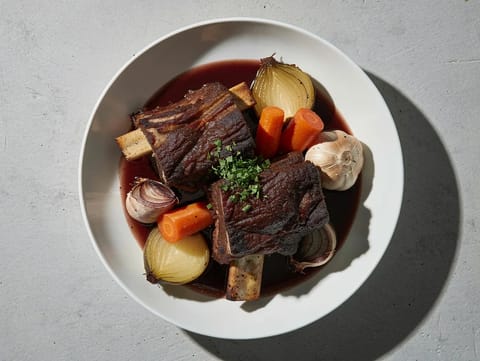
Slow-cooked beef short ribs in red wine sauce
Choose a slow cooker when you want gentle heat and a moist environment: tougher cuts of meat that need time, beans and pulses that soften slowly, or soups and stews where ingredients can mingle without constant attention. It can also suit dishes where you want to hold food warm for serving.
Pick another method when browning and crisp edges are central to the result, or when you need fast reduction for a glossy sauce. If a recipe relies on quick-cooking vegetables staying bright and distinct, consider adding them later, or using a method with more control over timing and evaporation.
Tender BBQ brisket with a smoked paprika and brown sugar rub
Tender beef brisket slow-cooked with a smoky spice rub and reduced gravy
Slow-cooked beef brisket with onion gravy made from stock and pan juices
Minced beef chilli slow-cooked with kidney beans, tomatoes and warming spices
Lifting the lid repeatedly slows cooking because you lose heat and steam, and the appliance takes time to recover. If you need to check doneness, do it sparingly.
Watery results are usually about evaporation: a slow cooker doesn’t reduce like an uncovered pot. Use less added liquid than you would on the hob, or plan to thicken at the end.
Bland flavour often comes from missing browning. Many recipes benefit from browning meat or sautéing aromatics first, then transferring. If you skip that step, finishing with a bright element such as herbs, citrus or a sharp condiment can help the flavours read more clearly.
Slow cookers are designed to cook safely when used as directed, but they are not meant for partially cooking food and leaving it to sit. Start with properly chilled ingredients, follow the recipe’s order, and avoid using the slow cooker as a storage container. If you’re adapting a recipe, be cautious with very large pieces of meat, which can take longer to heat through evenly.
Cooking method is the most useful companion here, because slow-cooker recipes often overlap with braising, stewing and soup-making, and the method tells you what kind of browning or reduction to expect. Difficulty can also help you compare how much hands-on work happens before and after the slow cooker does its part.
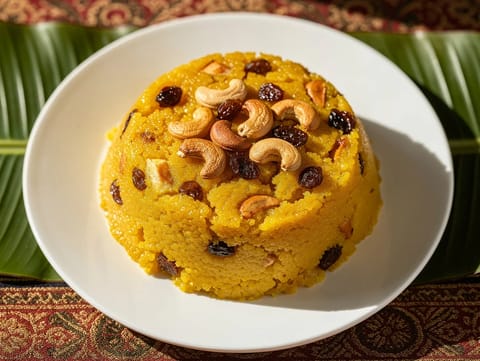
South Indian semolina pudding with saffron, cardamom, cashews and raisins
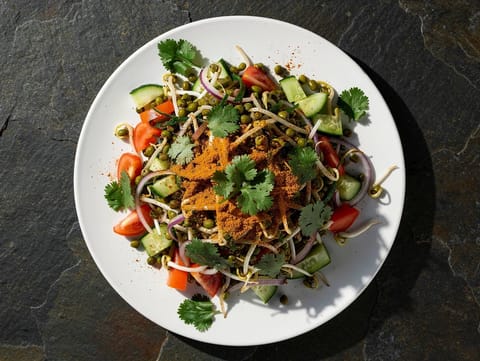
Sprouted moong salad with lemon, chaat masala and vegetables
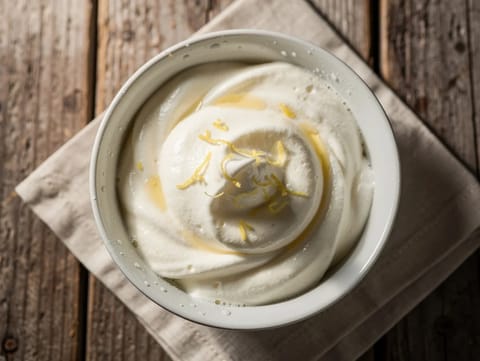
Whipped syllabub with lemon and white wine
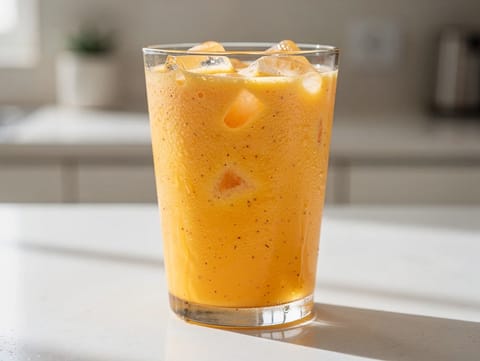
A creamy orange and date smoothie with cinnamon.
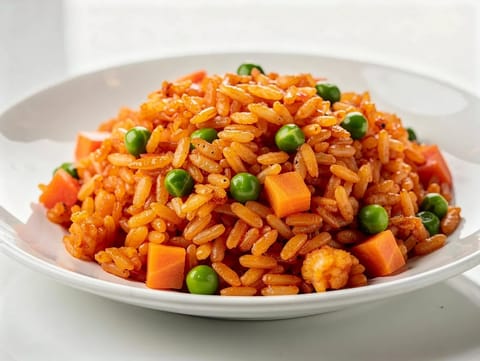
Fluffy Mexican red rice with tomato, carrots and peas
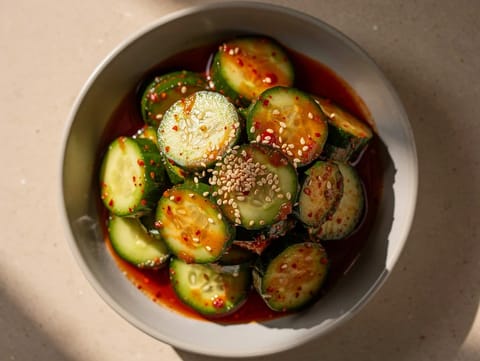
Spicy cucumber salad with gochugaru, vinegar and sesame oil
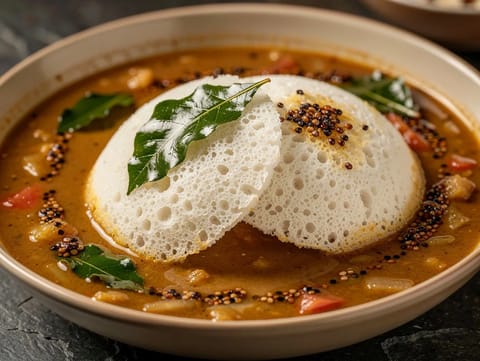
Steamed idli with tangy lentil and vegetable sambar
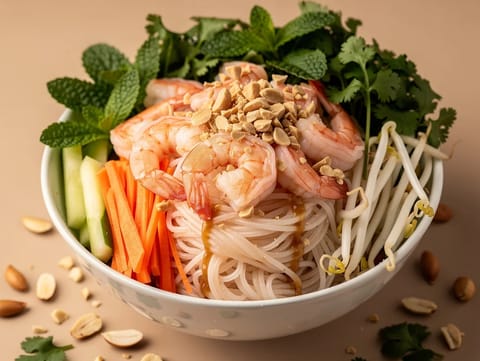
Vermicelli bowl with prawns, herbs and nuoc cham dressing
Not always, but browning adds flavour compounds you won’t get from gentle, covered cooking alone. If the finished dish tastes flat, browning is often the missing step.
Because very little water evaporates under the lid. Many dishes need less added liquid than a stovetop version, or a thickening step at the end.
It’s generally safer to start with thawed ingredients so the contents heat through promptly and evenly. If a recipe specifies frozen ingredients, follow it closely.
Usually not necessary, and frequent lid-lifting slows the cooking. Stir only when the recipe calls for it.
Vegetables soften steadily in moist heat. Cut them larger, choose sturdier varieties, or add quicker-cooking vegetables later so they keep some shape.
No. A pressure cooker cooks faster by raising the boiling point under pressure; a slow cooker cooks gently over a longer time with a covered, low-evaporation environment.
A slow cooker is at its best when you lean into what it does: steady simmering, tenderness and hands-off cooking. If you plan for low evaporation and add flavour where browning would normally help, the results taste intentional rather than merely convenient.
