
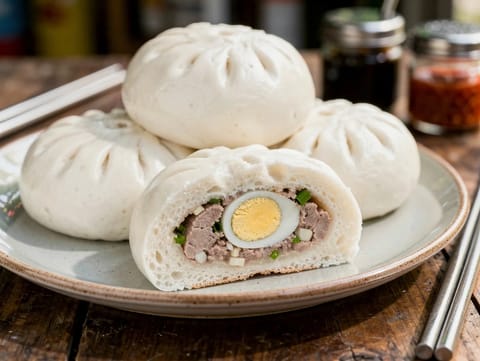
Bánh Bao (Vietnamese Steamed Pork Buns)
Fluffy steamed buns filled with minced pork and hard-boiled egg

A steamer cooks with moist heat, so it excels at keeping delicate foods tender and clean-tasting. It is also a method with clear limits: it will not brown, crisp or reduce sauces, and it can dilute flavours if you rely on the steam alone. Recipes that call for a steamer often depend on timing and thickness more than exact temperatures, so it helps to know what the tool can and cannot deliver before you choose a dish.
A steamer can be a bamboo stack, a metal insert that sits in a saucepan, a folding basket, or an electric steamer. The shared idea is a perforated platform that holds food above simmering water so it cooks in steam rather than boiling liquid. That distinction matters: steaming is gentle and relatively even, but it is also surface-driven, so thin pieces cook quickly while thicker pieces need more time and space around them. A steamer is often used alongside other techniques, such as marinating, making a dipping sauce, or finishing with a quick sear for colour.
Fluffy steamed buns filled with minced pork and hard-boiled egg
Snowy white steamed rice cake made from milled short-grain rice and sugar
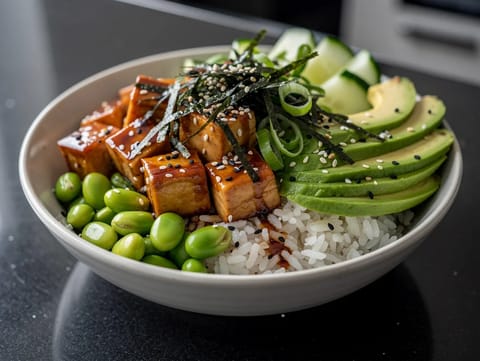
Vegetarian poke bowl with tofu, sushi rice and vegetables.
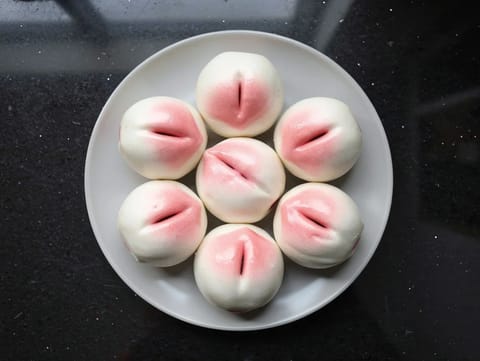
Peach-shaped steamed buns filled with sweet red bean paste
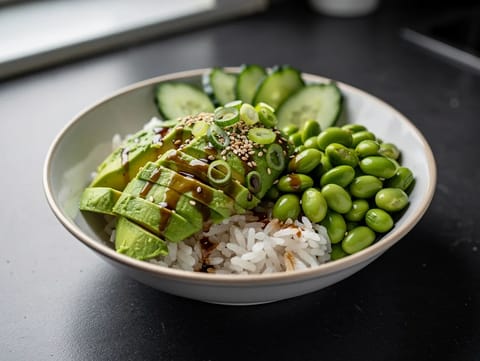
Sushi rice bowl with avocado, cucumber, edamame, and soy dressing.
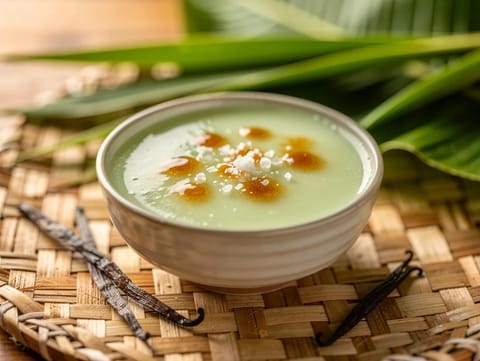
Thai steamed custard flavoured with pandan and coconut milk
Steam is ideal for foods that dry out easily or break apart, including fish fillets, dumplings and many vegetables. It is less suited to foods where you want caramelisation or a thickened glaze, because steam keeps the surface wet. If you do not have a dedicated steamer, a heatproof plate set on an upturned bowl inside a lidded pot can work, as can a colander over a saucepan if it fits securely and the lid traps steam. Whatever the setup, keep the water level below the food and check it does not boil dry during longer cooks.
Tacos de canasta filled with potato and chorizo, brushed with chilli oil
Chinese New Year whole fish steamed and finished with hot oil and light soy dressing
Soft steamed dumplings made with coconut milk and filled with coconut and palm sugar
Overcrowding is the main culprit. When pieces touch, steam cannot circulate and you get uneven cooking. Leave gaps and steam in batches if needed. Another common issue is lifting the lid too often: each peek drops the temperature and extends cooking time, which can turn vegetables dull and soft. Finally, watch condensation. In bamboo steamers, line the basket to prevent sticking; in metal steamers, tilt the lid slightly when appropriate so droplets do not fall back and waterlog delicate items. If a recipe includes a sauce, keep it separate until serving unless it is designed to be steamed with the food.
Steaming is often paired with other techniques, so browsing by Cooking method helps you find recipes that steam, then grill, stir-fry or bake for contrast. Difficulty can also be a useful guide, because many steamed dishes are simple once you understand timing and how to avoid overcrowding.
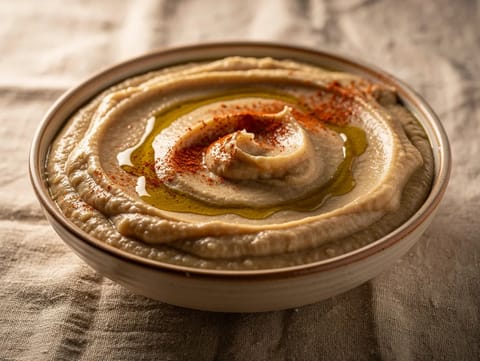
Moroccan fava bean soup blended smooth with cumin and garlic
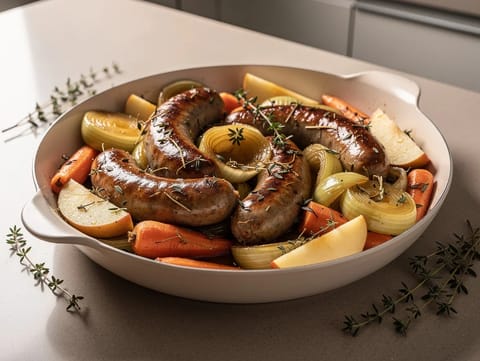
Sausage casserole simmered in cider with leeks, carrots and apples
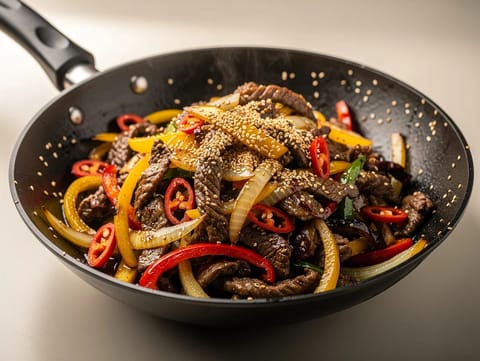
Xinjiang-style cumin lamb stir-fry with chillies, onion and peppers
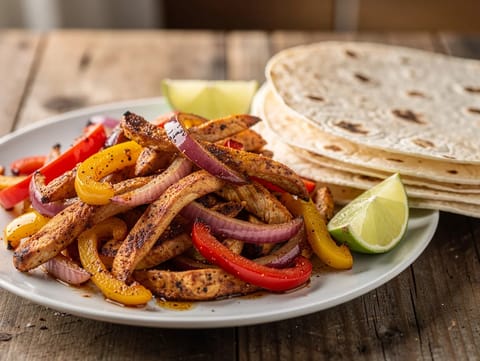
Sheet-pan chicken fajitas with peppers, onion and lime
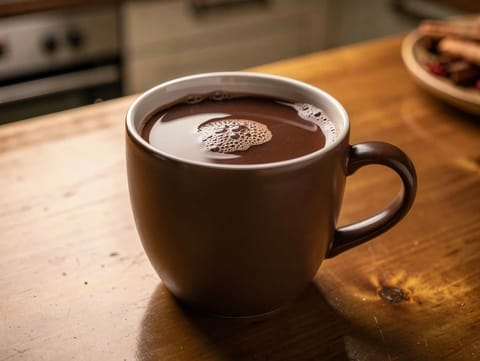
Spiced hot chocolate with cinnamon and a pinch of chilli
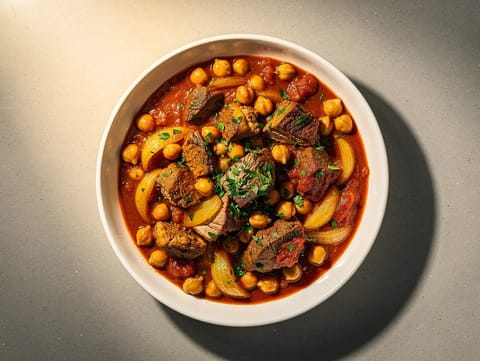
Slow-simmered lamb and chickpea stew in a spiced tomato sauce
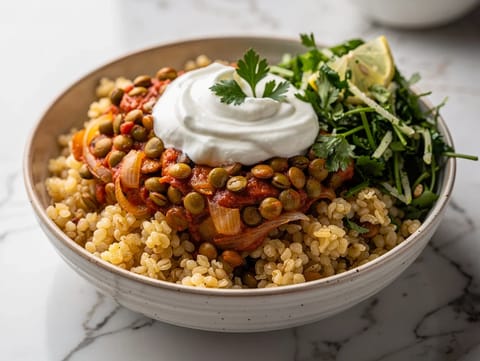
Meal prep lentil bowl with bulgur, lemon and yoghurt
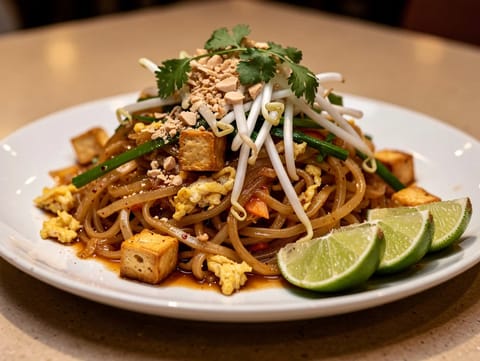
Vegetable Pad Thai with tofu, egg and roasted peanuts
No. Boiling cooks food immersed in water; steaming cooks it above the water in hot vapour. Steaming tends to keep flavours cleaner and textures more intact, but it will not concentrate flavours through reduction.
Not necessarily. A saucepan with a steamer insert, a bamboo steamer over a wok, or a secure improvised rack in a lidded pot can all produce good results. The key is steady simmering water and a well-fitting lid.
They were likely overcooked or crowded. Cut pieces to a similar thickness, leave space for steam to circulate, and stop cooking while they are still just tender.
Often, yes, but timing changes because the food must thaw and heat through. Spread pieces out so steam can reach all sides, and check the centre for doneness rather than relying on the clock alone.
Line the basket with parchment, cabbage leaves or a suitable liner, and avoid letting condensation drip directly onto the dough. Make sure the steamer is hot before you add dumplings so the surface sets quickly.
A weak simmer, too much water cooling the pot, or a lid that leaks steam can all slow cooking. Bring the water to a steady simmer first, then add the steamer and food, and keep the lid closed.
Choose steamed recipes when you want tenderness and a clean finish, and look for methods that add flavour through marinades, aromatics or a sauce on the side. If you want colour or crisp edges, plan on a second step after steaming.
