
Herbata z Miodem (Tea with Honey and Lemon)
Brewed black tea is cooled slightly, then sweetened with honey and lemon

A teapot is a simple tool, but it changes how tea behaves: it holds heat, gives the leaves space to open, and lets you pour cleanly without disturbing the infusion. Recipes that specify a teapot usually rely on that steady, enclosed steeping rather than tea brewed directly in a mug.
The details that matter are practical ones: how well the lid stays put, whether the spout drips, and how easy it is to rinse out leaves. Those small points affect flavour and workflow more than decoration ever will.
A teapot is designed for infusing tea in a larger volume than a single cup, then decanting it smoothly. Compared with brewing in a mug, the pot’s shape and lid help retain heat, which can make extraction faster and more even. That can be useful for black teas and many herbal infusions, but it also means delicate teas can tip from fragrant to astringent if left too long.
A teapot is not a kettle: it is not meant for boiling water on the hob unless it is explicitly a stovetop model. It also does not automatically strain fine particles. Some pots have built-in strainers, but many rely on loose leaves settling or on an external strainer when pouring.
Brewed black tea is cooled slightly, then sweetened with honey and lemon
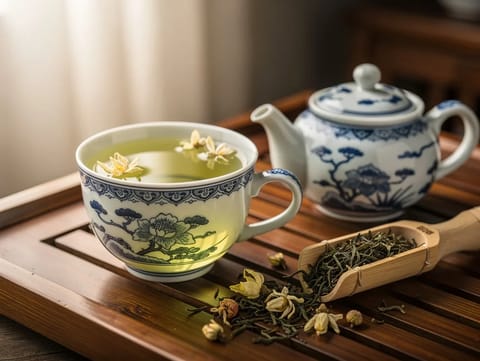
Light, floral jasmine-scented green tea
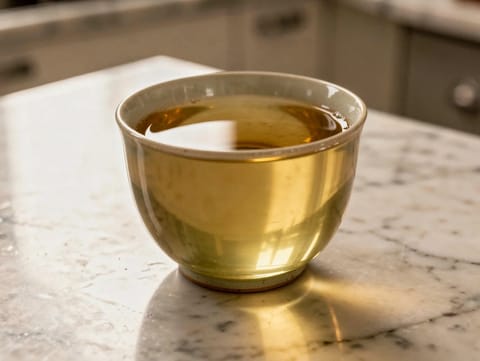
Japanese green tea blended with toasted rice
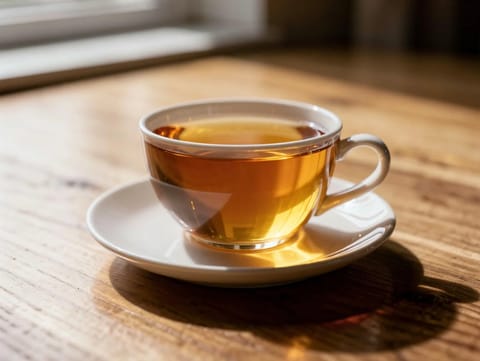
Fragrant oolong tea brewed in hot water, served plain or sweetened
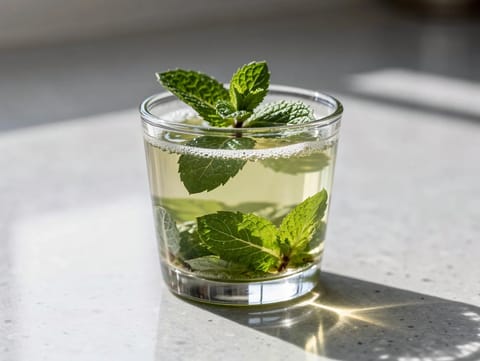
Green tea steeped with fresh mint and sugar, served hot
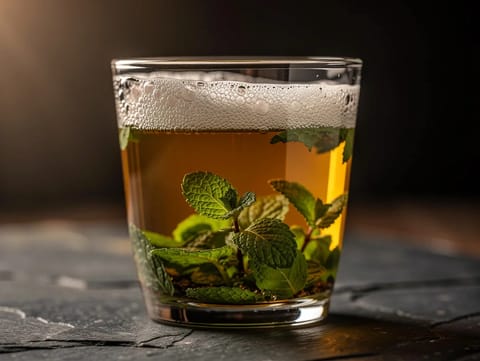
Sweet mint green tea served hot with a light foam
Material affects heat retention and, sometimes, flavour. Porcelain and glazed ceramic are neutral and easy to live with; cast iron holds heat well but is often enamel-lined for brewing; glass lets you judge colour and strength at a glance but cools more quickly. Size matters in a very ordinary way: a pot that is too large for the amount you brew cools fast and can taste flat.
Look for a spout that pours in a steady stream and a lid that stays seated when you tip the pot. If you often use loose leaf, a removable basket infuser makes it easier to stop the brew at the right moment. If you do not have a teapot, a heatproof jug or saucepan plus a fine strainer can stand in for most brewed drinks.
Green tea steeped with fresh mint and sugar, served hot
Japanese green tea blended with toasted rice
Sweet mint green tea served hot with a light foam
Fragrant oolong tea brewed in hot water, served plain or sweetened
Light, floral jasmine-scented green tea
Steamed green tea leaves brewed in hot water, then strained and served immediately
Brewed black tea is cooled slightly, then sweetened with honey and lemon
The most common problem is over-extraction. In a teapot, heat is held in, so tea can become bitter simply because it sits too long. If you are brewing for more than one person, it often helps to decant promptly into cups or a serving jug rather than leaving leaves in the pot.
Another frequent issue is stale flavours from old tannins and oils. A quick rinse is not always enough if leaves have dried onto the inside or around the spout. Rinse thoroughly, and avoid strongly scented washing-up liquid residues. Finally, be careful with sudden temperature changes: pouring boiling water into a cold glass pot, or rinsing a hot pot under cold water, can crack it.
If you are choosing between brewing styles, Cooking method helps you compare infusing, simmering and steeping approaches used for tea-based drinks. Difficulty is also useful here: some recipes are simply about timing and pouring, while others add steps such as spicing, sweetening or frothing that change the level of attention needed.
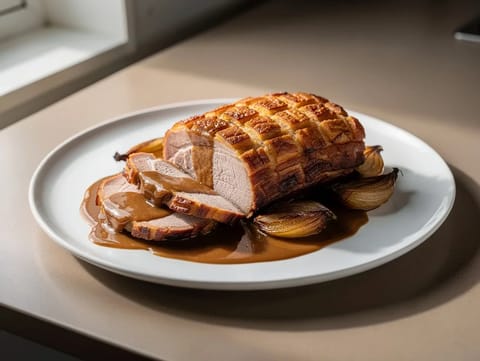
Roast pork shoulder with crisp crackling and rich gravy
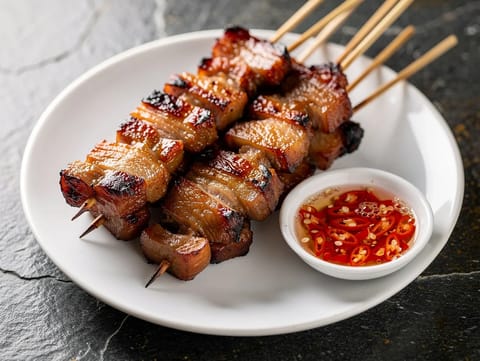
Thai grilled pork skewers marinated with coconut milk and fish sauce
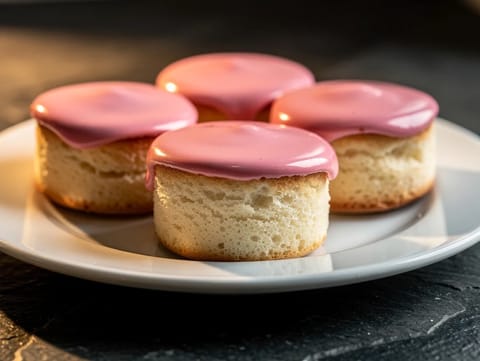
Soft Dutch sponge cakes topped with smooth pink icing
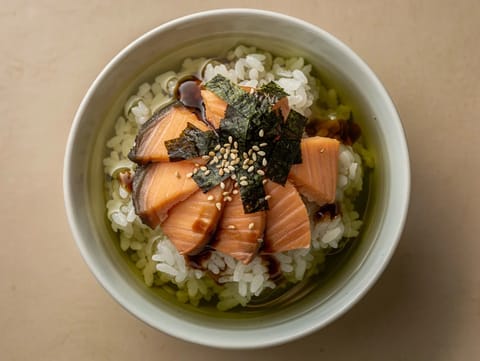
Steamed rice with salmon and nori, topped with green tea
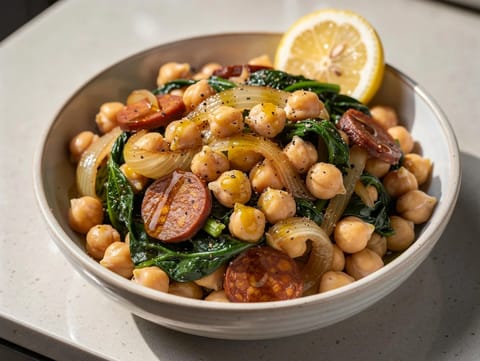
Warm chickpea bowl with chouriço, greens and smoked paprika

Vermicelli simmered in sweetened milk with dates, raisins and nuts
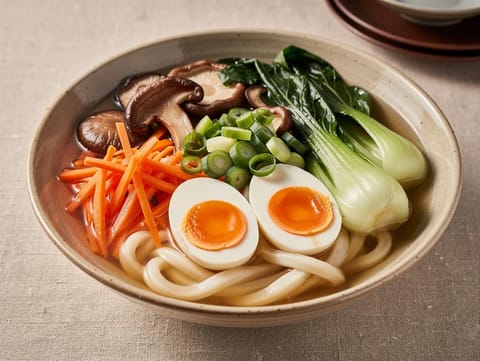
Udon noodle soup with mixed vegetables and softly set egg
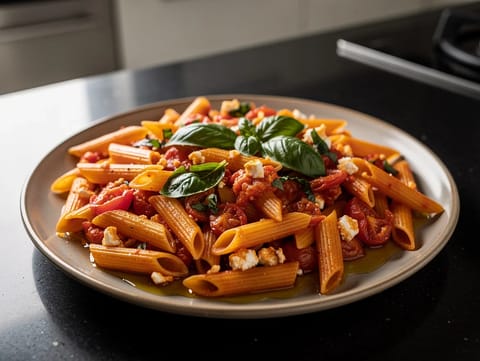
Penne in a creamy baked feta and cherry tomato sauce
A kettle boils water; a teapot controls the steep. If a recipe expects you to infuse and then pour cleanly for several servings, a teapot (or a jug plus strainer) is the closer match.
Often, yes. Loose leaves can circulate freely and then settle, but fine leaves may pour out. If the tea is very broken or dusty, an infuser basket or a separate strainer makes pouring easier.
A pot tends to retain heat, so extraction can be stronger. If the leaves stay in contact with hot water after the tea is at the strength you like, bitterness and astringency build.
Ceramic holds heat well and is neutral; glass lets you see the colour but cools faster. The better choice depends on whether you value heat retention or visual cues more for the teas you brew.
Only if it is made and labelled for stovetop use. Many ceramic and glass teapots are for brewing with boiled water, not for heating directly.
When a recipe calls for a teapot, it is usually asking for steady heat, enough space for the leaves, and a clean pour. Choose one that pours well, and treat timing as an ingredient.
