
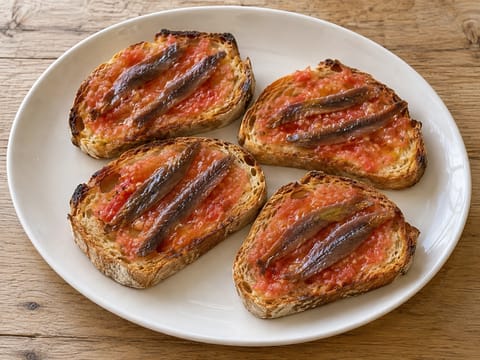
Pan con Tomate y Anchoas (Tomato Bread with Anchovies)
Tomato rubbed toast topped with salt cured anchovies

A toaster is a specialist for one thing: quick, dry heat that browns the surface while leaving the middle warm and soft. That makes it useful in recipes where crispness matters, or where you want a warm base for toppings without turning on the oven.
It is also a tool with firm limits. Slot toasters handle flat, fairly dry items best, and they are unforgiving of drips. Understanding what can safely go in, and what should go under a grill or into a pan instead, keeps the speed advantage without the mess.
A toaster excels at browning thin, evenly cut bread and similar bakery items, giving a crisp exterior that stands up to spreads, eggs or juicy toppings. Because the heat is dry and close, it can also refresh items that have gone slightly soft, restoring snap without adding oil.
Where it struggles is anything thick, very sugary on the outside, or likely to leak. Melted cheese, syrupy glazes and wet batters can drip into the base and burn. If a recipe involves melting, bubbling or sticky toppings, a toaster oven, grill or frying pan is usually the safer match. If you do not have a toaster, a hot dry frying pan or the oven grill can mimic the browning, just with a little more attention.
Tomato rubbed toast topped with salt cured anchovies
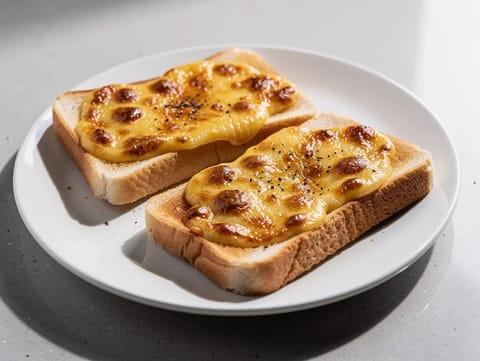
Toast topped with bubbling cheddar and ale sauce
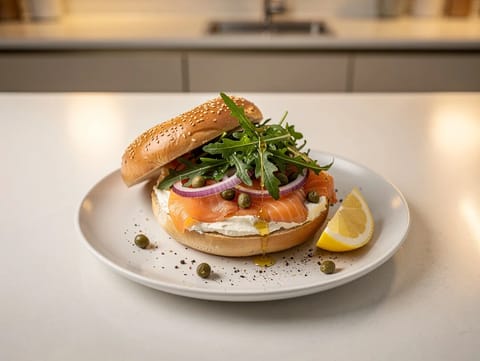
Toasted bagel with smoked salmon, cream cheese and capers
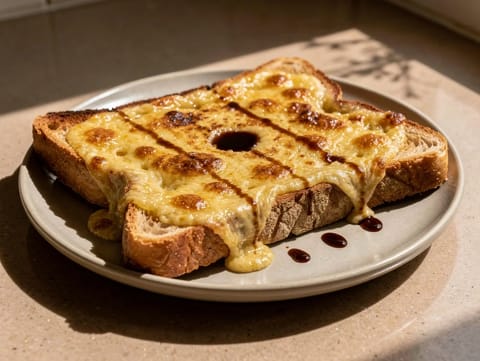
Sourdough topped with ale and mustard cheese sauce, grilled
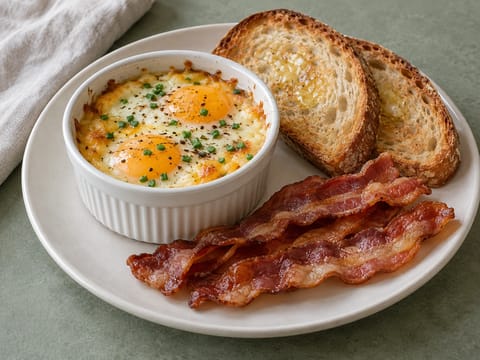
Crispy bacon with air-fryer eggs cooked in ramekins.
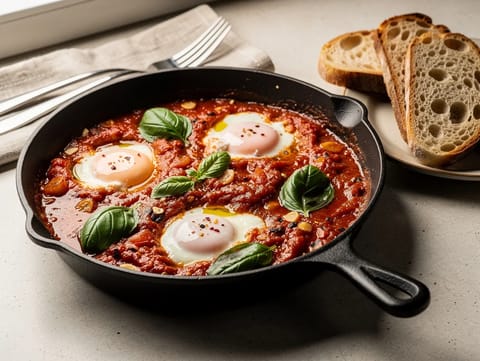
Eggs poached in garlicky tomato sauce with chilli and basil
For crispness and structure, look for recipes that toast first and top afterwards. This keeps the surface dry so it stays crunchy under butter, jam, avocado or tomatoes. If the topping is hot or saucy, recipes may ask you to toast more deeply than you normally would, because steam softens bread quickly.
For melt-and-brown finishes, prefer approaches that move the toast to a grill or oven once topped. A slot toaster is not designed for open-faced melting, even if it seems convenient. For sweet toast, watch for sugar: cinnamon sugar and honey can scorch on the edges, so recipes that add sweetness after toasting often taste cleaner and are easier on the appliance.
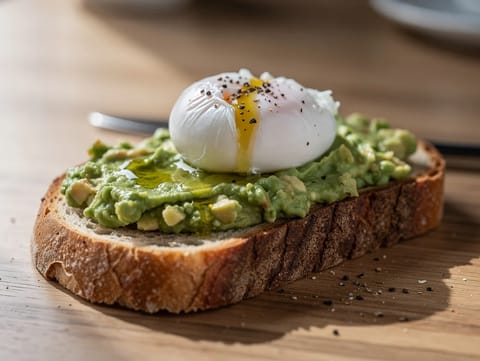
Sourdough avocado toast topped with a softly poached egg
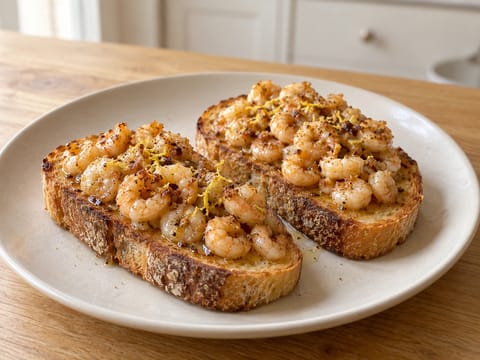
Potted prawns in brown butter served over toast
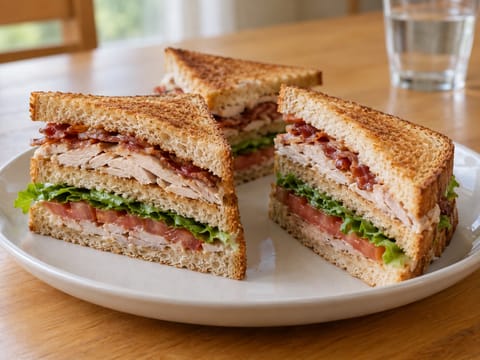
Toasted turkey club with streaky bacon, lettuce, tomato and mayo
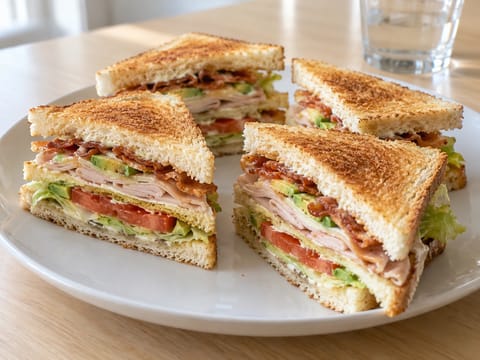
Toasted club sandwich with smoked turkey, avocado and bacon
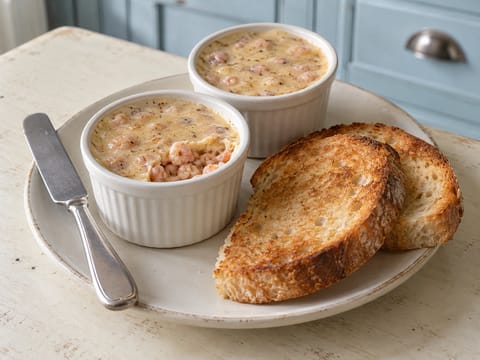
Potted prawns set in brown butter, served with toast
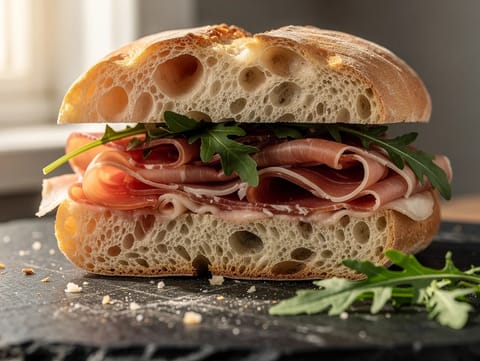
Crisp schiacciata with prosciutto, rocket, olive oil and lemon
Keep the crumb tray emptied and the base clear, as accumulated crumbs can smoke and taint flavour. Avoid toasting items that can drip fat, cheese or syrup into the toaster, and never try to retrieve stuck food with a metal knife or fork while the toaster is plugged in. If a recipe suggests warming filled sandwiches, use a pan, sandwich press or oven instead, where heat and melting can be controlled without leaks.
Cooking method is a helpful companion to toaster recipes because many of the same ideas can be finished under a grill, in a pan, or in the oven when melting or charring is required. Difficulty can also guide you: some toast-based recipes are pure assembly, while others add steps like frying, poaching or making a topping from scratch.
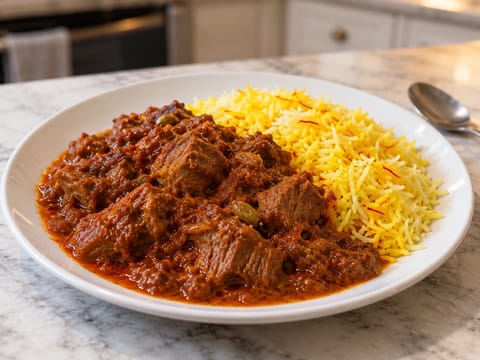
Tender lamb rogan josh served with saffron basmati rice
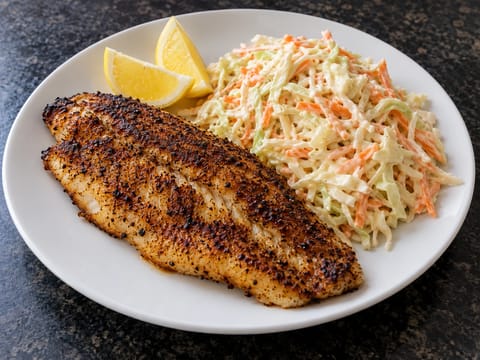
Blackened Cajun catfish with quick lemony coleslaw
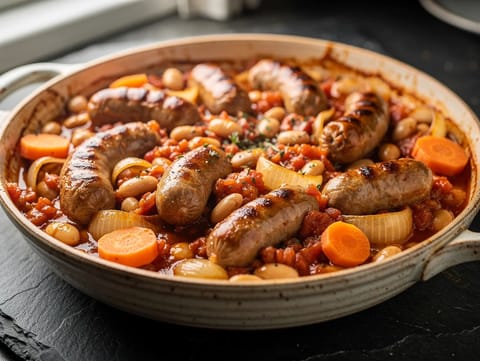
Pork sausage casserole with butter beans in a rosemary tomato sauce
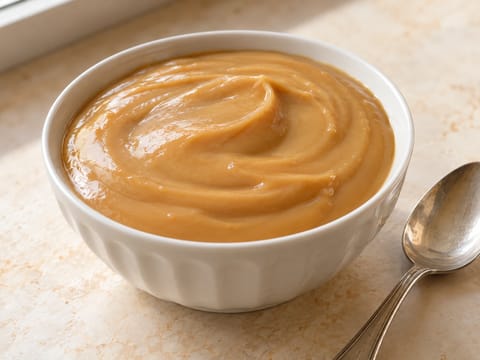
Smooth stovetop butterscotch pudding with vanilla
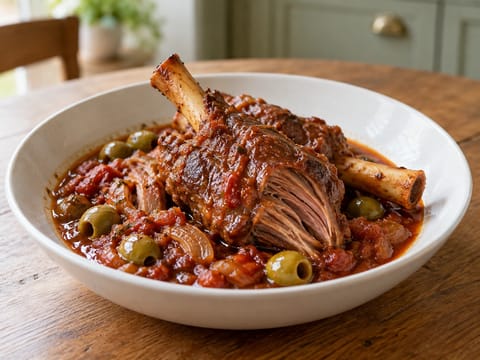
Slow-braised lamb shanks with tomatoes, rosemary and green olives
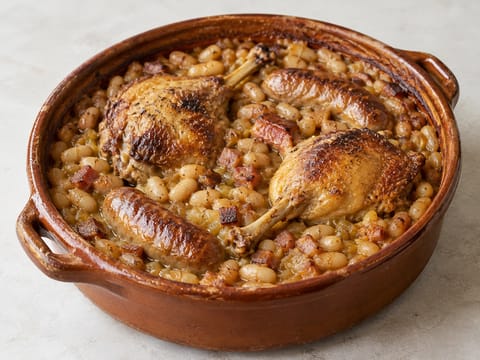
Slow-cooked white bean cassoulet with duck legs and sausages
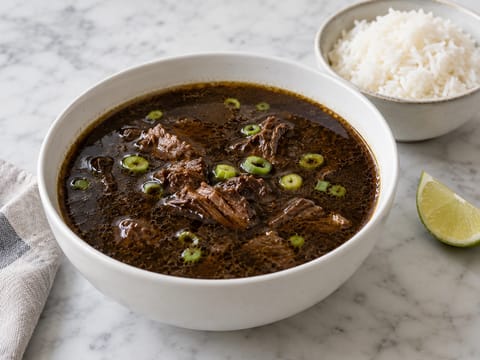
Black beef soup flavoured with keluak
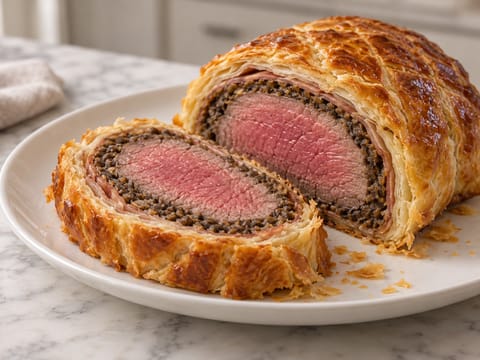
Beef Wellington wrapped with mushroom duxelles, prosciutto and pastry
Only items that are dry, fairly flat and unlikely to shed sugar or fillings. If it can drip, crumble heavily, or melt, it is usually better under a grill or in a pan.
Uneven thickness, very airy bread, or a toaster that heats more strongly at the sides can all do it. Cutting evenly and choosing a slightly lower setting with a second short toast can help.
They overlap, but a toaster oven behaves more like a small oven or grill, so it can handle open-faced melts and thicker items more safely than a slot toaster.
Steam and moisture migrate into the bread. Toasting a little deeper, and adding wet toppings at the last moment, helps keep the surface crisp.
A dry frying pan over medium heat gives good browning with control. The oven grill works well for larger batches, but needs watching.
Think of a toaster as a fast browning tool. When a recipe needs crisp bread, it is ideal; when it needs melting, bubbling or sticky toppings, switch to a grill, oven or pan.
