
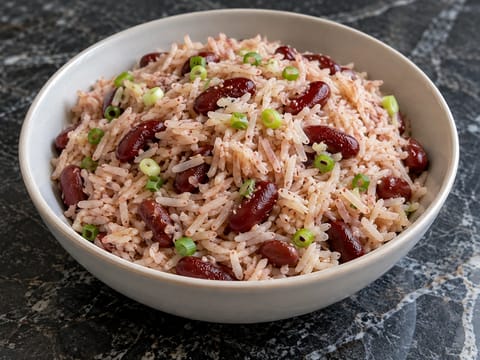
Rice and Peas (Jamaican Coconut Rice with Kidney Beans)
Coconut rice with kidney beans, thyme and allspice

A wooden spoon is less about speed and more about control. It is comfortable for long stirring, gentle enough for non-stick cookware, and sturdy enough to scrape the bottom of a pan as onions soften or a sauce thickens. It is not the right tool for every job, though: some mixtures need the flexibility of a spatula, and some tasks call for a whisk or a heatproof spoon. Knowing where a wooden spoon excels helps you choose recipes and methods that feel calm rather than fiddly.
When a recipe specifies a wooden spoon, it is usually signalling a style of cooking where you stir, scrape and fold rather than beat or whip. The firm edge is useful for moving ingredients around a pan and for checking what is happening on the bottom, which is where sticking and scorching begin. Wood is also a poor conductor of heat, so the handle stays comfortable in the hand during longer cooking.
A wooden spoon does not replace tools designed for aeration or precision. If a recipe needs you to emulsify, whip, or incorporate air, a whisk or electric mixer is more appropriate. If it needs you to lift and turn a fragile item cleanly, a thin spatula often does the job better.
Coconut rice with kidney beans, thyme and allspice
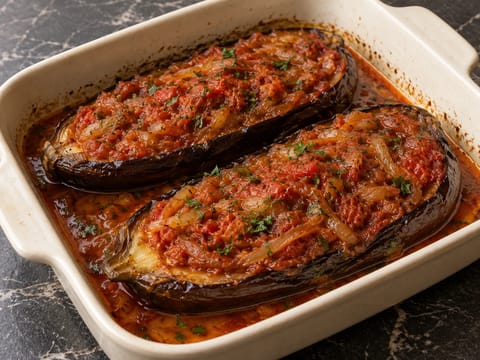
Baked aubergines stuffed with tomato, onion and garlic
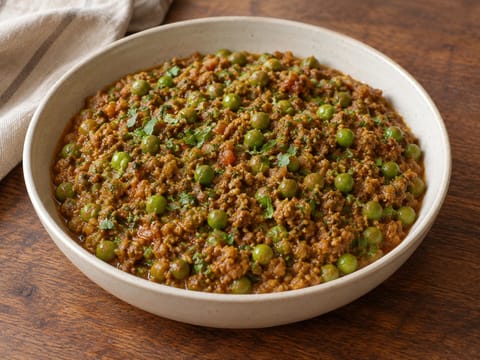
Spiced minced lamb curry with peas
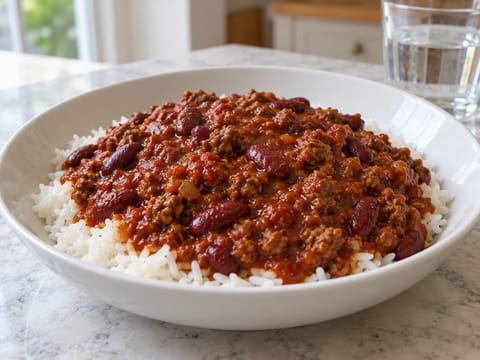
Spiced minced beef and kidney bean chilli served with rice
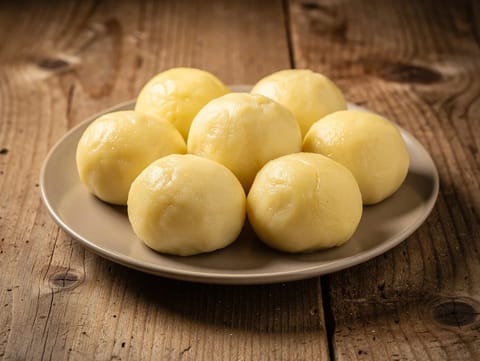
German potato dumplings gently simmered until tender
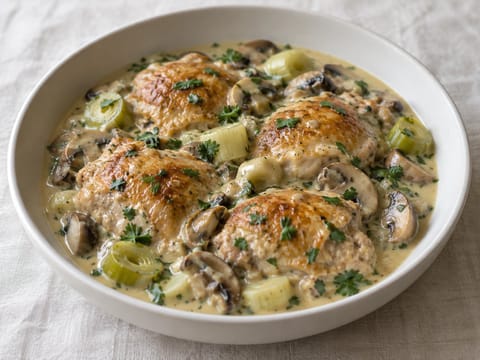
Chicken fricassée with mushrooms in a white wine cream sauce
Wooden spoons suit stovetop methods where you build flavour gradually: sweating aromatics, stirring spices in oil, loosening browned bits, and keeping a simmering sauce moving so it thickens evenly. They are also practical for folding thicker batters and doughs where a flimsy utensil bends too much.
Where they can be less effective is with very sticky mixtures that cling to the grain, or when you need a flexible edge to sweep a bowl clean. In those cases, a silicone spatula is often easier. For smooth sauces and custards, a heatproof spoon or spatula can reach corners more neatly, while a whisk helps prevent lumps when you add flour, starch or eggs.
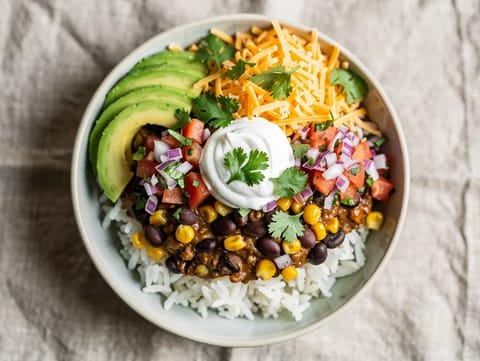
Lime rice burrito bowl with black beans, salsa and avocado
German potato dumplings gently simmered until tender
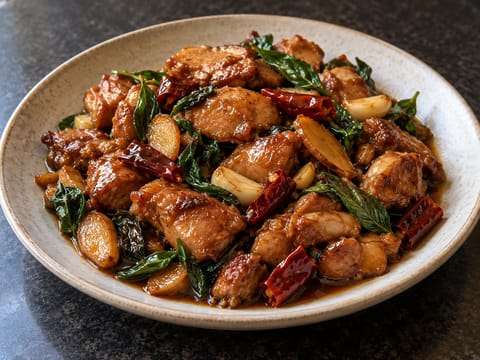
Three-cup chicken with basil, soy sauce and sesame oil
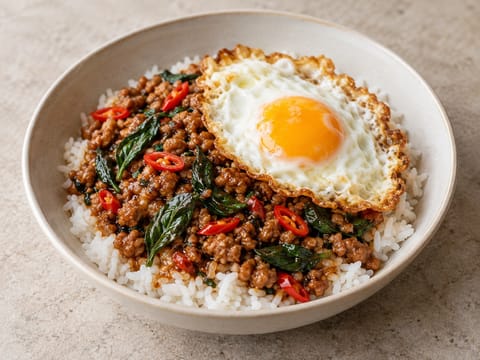
Thai basil minced pork stir-fry with rice and fried egg
Baked aubergines stuffed with tomato, onion and garlic
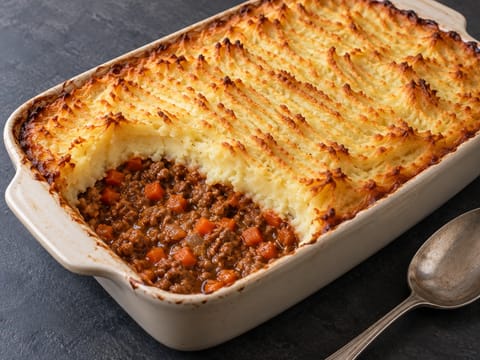
Shepherd’s pie with minced lamb and creamy mash
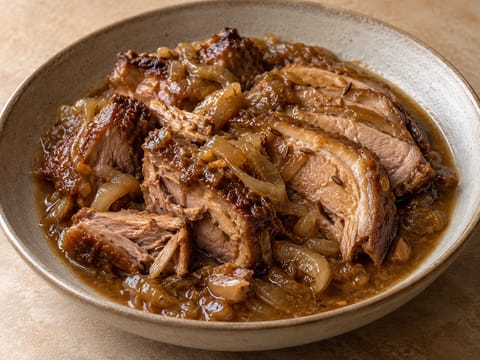
Pork shoulder slow-braised in lager with onion and caraway
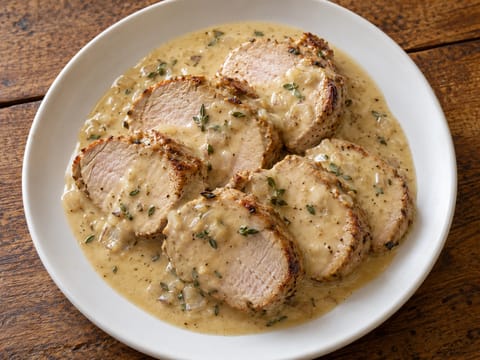
Pan-seared pork with a quick Dijon mustard sauce
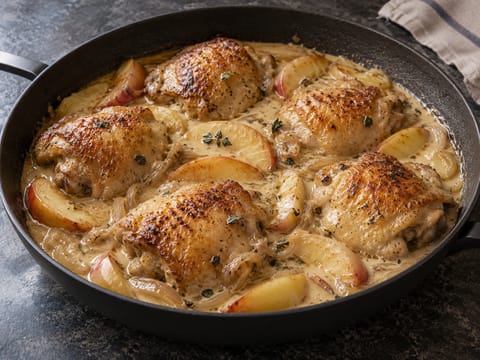
Chicken with Calvados, apples and double cream sauce
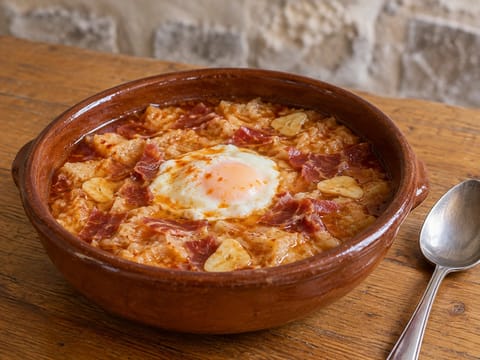
Garlic and bread soup with poached eggs and serrano ham
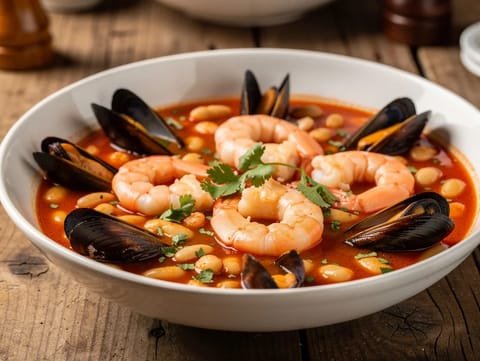
Seafood and white bean stew in a tomato and wine broth
Spiced minced beef and kidney bean chilli served with rice
Leaving a wooden spoon soaking in water can cause swelling, roughness and, over time, cracking. A quick wash and thorough drying is usually kinder to the wood. Another common issue is lingering flavours: wood can hold onto strong aromas such as garlic or chilli. Keeping one spoon for savoury cooking and another for baking-style tasks can help.
Also watch for wear. If the spoon develops deep grooves or splinters, it becomes harder to clean and less pleasant to use. Finally, match the spoon to the pan: a broad, flat-ended wooden spoon scrapes the base of a sauté pan well, while a rounder bowl is more comfortable for stirring soups and stews.
Wooden spoons show up across many cooking methods, but they are especially tied to techniques that rely on stirring and pan control. Exploring Cooking method can help you spot recipes where the spoon is doing real work, such as thickening, reducing or building a base. Difficulty can also be a useful guide, since some methods demand more attention at the stove than others.
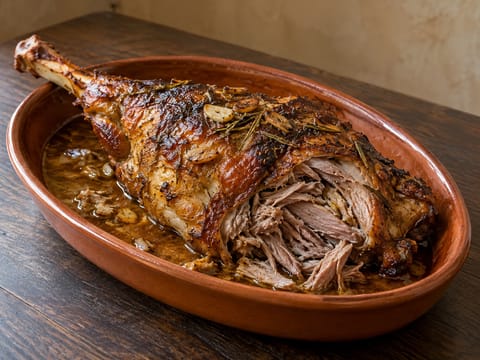
Castilian slow roasted lamb with garlic and rosemary
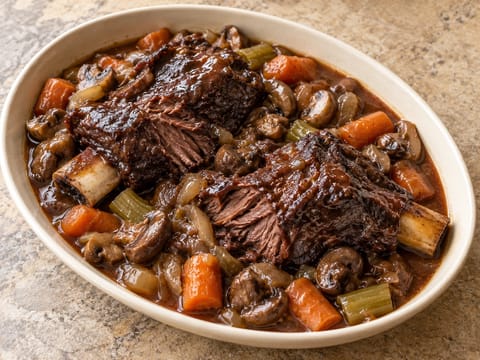
Red wine braised beef short ribs with mushrooms and onions
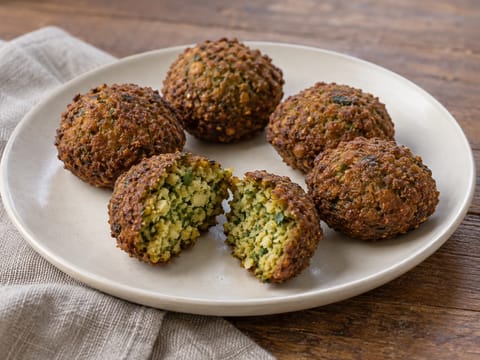
Crisp falafel made from soaked chickpeas, herbs and spices
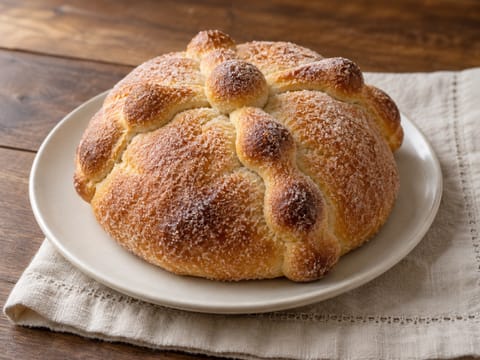
Soft orange-scented sweet bread brushed with butter and coated in sugar
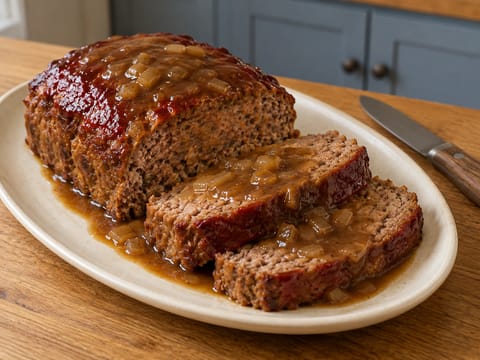
Juicy baked meatloaf served with rich brown onion gravy
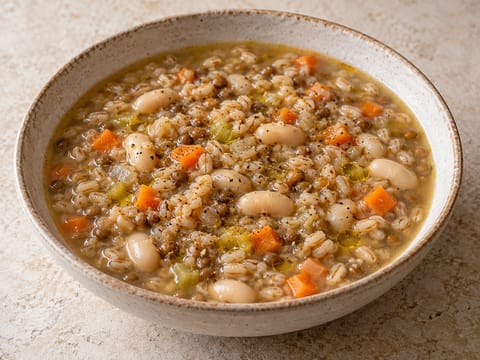
Spelt and legume soup with rosemary and vegetables
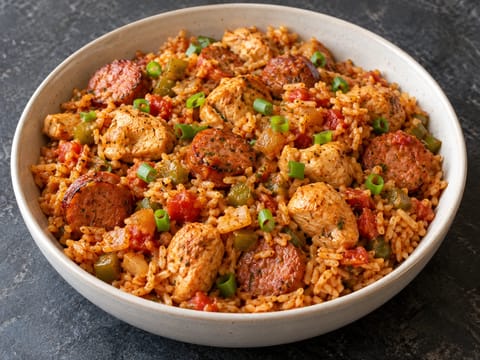
One-pot rice dish with chicken thighs, andouille and tomatoes
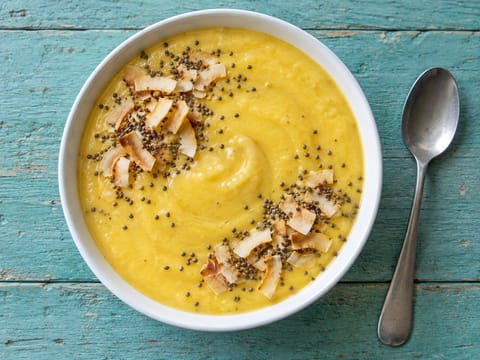
A thick pineapple and mango bowl with coconut and lime.
Generally, yes. Wood is unlikely to scratch non-stick surfaces in normal use, which is why many cooks reach for it with coated cookware.
Use a spatula when you need a flexible edge to scrape a bowl clean, fold very gently, or lift and turn something delicate. A wooden spoon is better for firm stirring and scraping the base of a pan.
Often it is shorthand for steady, controlled stirring and scraping, especially when softening onions, cooking a roux, or reducing a sauce where the bottom of the pan needs attention.
Many cooks do, but very hot sugar can cling and burn. A heatproof silicone spatula is often easier to clean and can feel safer for sticky, high-temperature mixtures.
Wash promptly, dry well, and consider keeping separate spoons for strongly flavoured savoury cooking and for neutral tasks. Over time, some aroma retention is normal with wood.
It can, but a whisk is usually more effective at breaking up lumps quickly when you add flour, cornflour or eggs. You can switch back to a wooden spoon once the mixture is smooth and thickening.
Choose wooden-spoon recipes when the method depends on steady stirring, scraping and watching the pan. If the instructions focus on whisking smooth, lifting delicate pieces, or scraping every last streak from a bowl, reach for a whisk or flexible spatula alongside it.
