
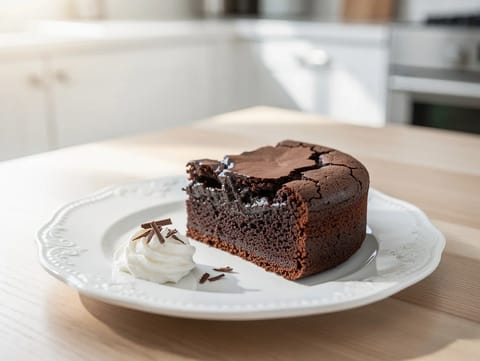
Belgian Chocolate Brownie Torte
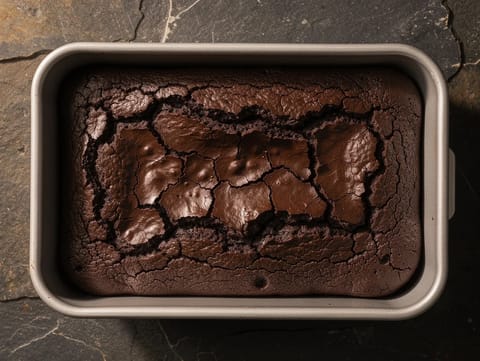
Dense chocolate brownie torte with a crisp top

Chocolatey recipes sit on a spectrum: some taste dark and cocoa-forward with a faint bitterness, others are softer, milkier and more dessert-like. The mood is usually warm and rounded, but the finish can be either clean or lingering depending on the cocoa and the fat. This page helps you choose the kind of chocolatey you mean, and spot the ingredients that push it towards deep, grown-up intensity or towards gentle sweetness.
Chocolate flavour is a mix of cocoa solids (which bring bitterness and aroma) and cocoa butter or other fats (which bring smoothness and a slow melt). Dark chocolate and cocoa powder tend to read more intense and less sweet; milk chocolate brings more sugar and dairy notes; white chocolate is mostly cocoa butter and sweetness, with no cocoa solids, so it tastes creamy rather than cocoa-like. In baking, chocolatey can describe both flavour and colour, but the two do not always match: some recipes look dark without tasting strongly of chocolate, while others taste deeply chocolatey with a lighter crumb. Texture is part of the signal too, from fudgy centres to crisp edges and airy sponges.
Dense chocolate brownie torte with a crisp top
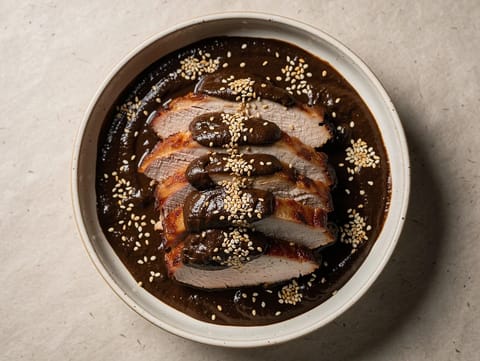
Roast turkey served with traditional mole sauce and dark chocolate
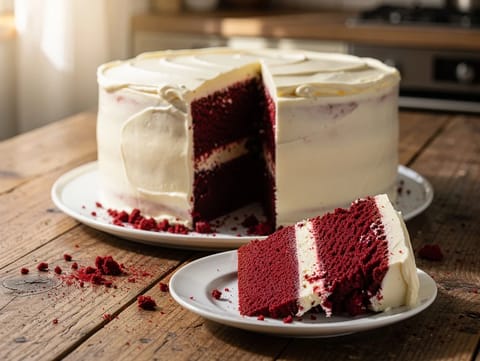
Red velvet cake with cocoa and cream cheese icing
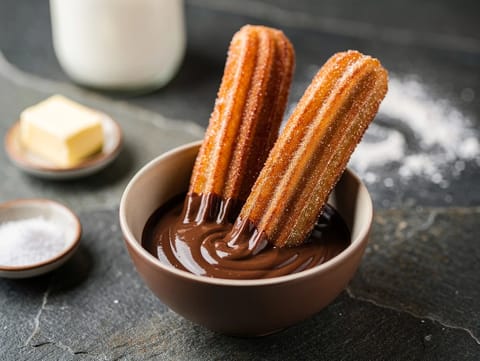
Crisp churros rolled in cinnamon sugar with chocolate dipping sauce
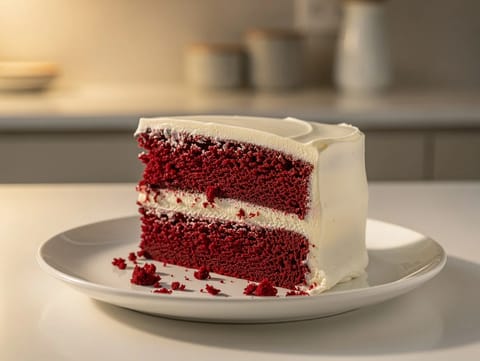
Red velvet cake layered with cream cheese frosting

Florentine dome cake with cocoa sponge and ricotta filling
Chocolate pairs well with salt, which sharpens cocoa notes and makes sweetness taste clearer. Coffee often deepens chocolate aroma without making a dessert taste like coffee, while vanilla rounds the edges and reads as “baked” warmth. Fruit pairings tend to fall into two camps: bright, acidic fruits such as orange, cherry and raspberry lift dark chocolate, while ripe, mellow fruits such as banana and pear lean into softness. Nuts add both flavour and texture, echoing chocolate’s roasted notes. Dairy, from cream to yoghurt, can either enrich or lighten depending on its tang, which is why chocolatey recipes often include a deliberate choice of dairy ingredient.
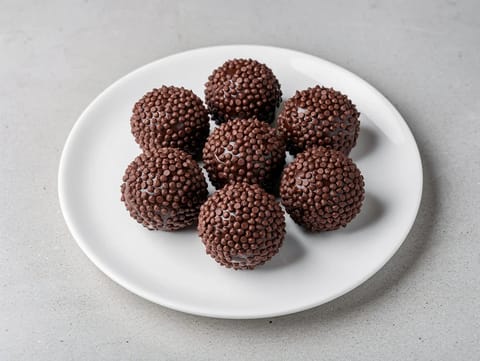
Brazilian chocolate truffles rolled in chocolate sprinkles
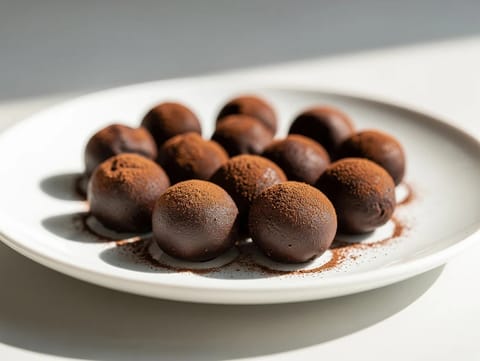
Dark chocolate truffles coated in cocoa powder
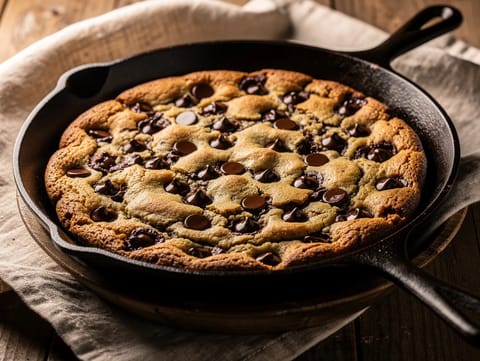
Giant skillet cookie with dark chocolate chips and vanilla
Fudgy air fryer brownie bites with cocoa and dark chocolate.
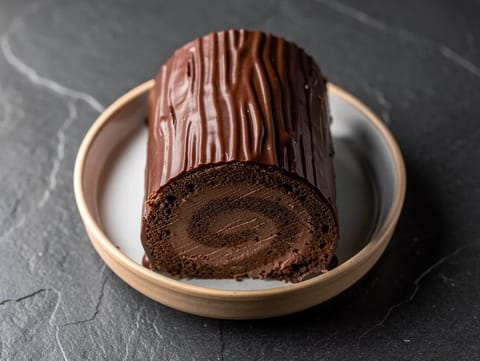
Rolled chocolate sponge with chocolate cream and ganache
Chewy New York-style cookies made with brown sugar dough and dark chocolate chips
Rum-soaked sponge layered with vanilla pastry cream and topped with whipped cream
Air fryer chocolate chip cookies bake in small batches until lightly golden.
Air fried bananas are dipped in dark chocolate, then topped with hazelnuts.
Belgian-style hot chocolate with melted dark chocolate, whole milk and a pinch of salt
Rich air fryer brownies bake up fudgy with dark chocolate and cocoa.
Air fryer fudge brownies with dark chocolate, cocoa powder and butter, cooled before slicing.
Some chocolatey recipes are built around melted chocolate for a dense, glossy texture, while others rely on cocoa powder for a drier, more cake-like crumb and a clearer cocoa aroma. You may also see chocolate used as a layer or coating, where snap and contrast matter as much as flavour. In some savoury recipes, cocoa or dark chocolate is used in small amounts to add colour and bitterness, acting more like a spice than a sweet ingredient. When you are choosing, look for clues about sweetness level and richness: chocolatey does not automatically mean very sweet, and the supporting ingredients often tell you whether the result will be light, creamy, or intensely dark.
If you want to cook with a specific form, such as cocoa powder, dark chocolate or white chocolate, browsing by Ingredient helps you find recipes that use it in the way you expect. Dish type is also a useful guide because chocolate behaves very differently in cakes, biscuits, puddings and sauces, and the format often determines whether the texture is fudgy, airy or crisp.
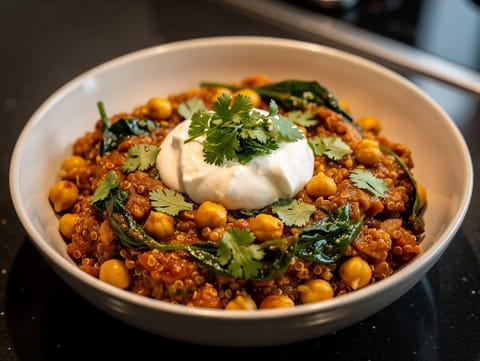
Masala quinoa with chickpeas, spinach, yoghurt and coriander
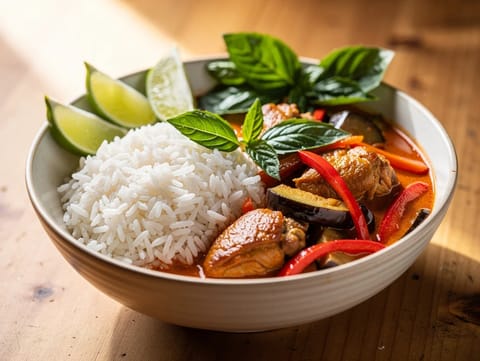
Thai red curry chicken bowl with jasmine rice
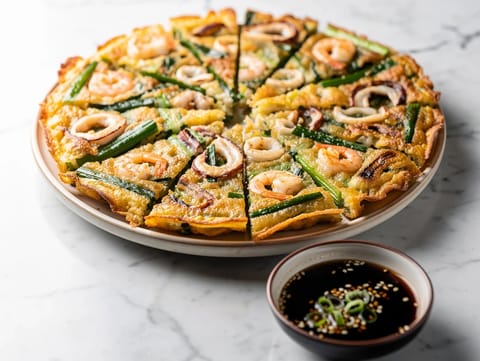
Seafood and spring onion pancake with soy vinegar dipping sauce
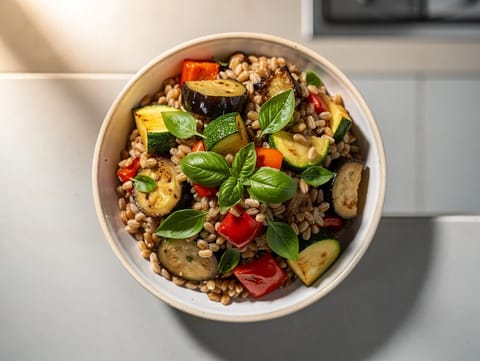
Farro with roasted vegetables, lemon, garlic and basil
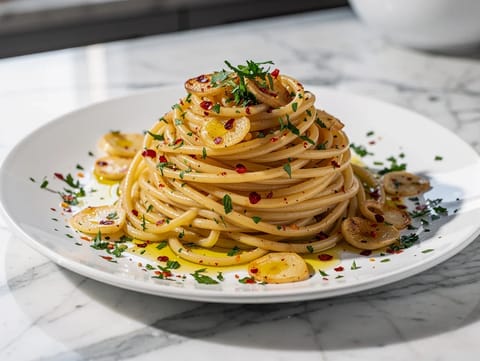
Spaghetti with garlic, olive oil and chilli flakes
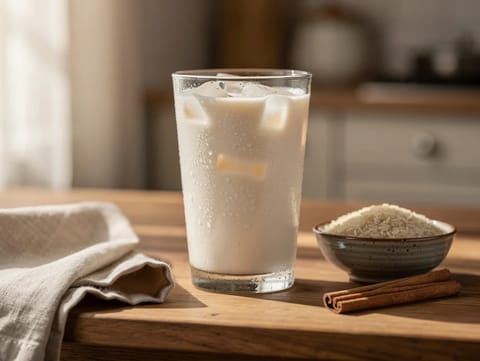
Chilled rice drink blended with cinnamon, vanilla and sugar
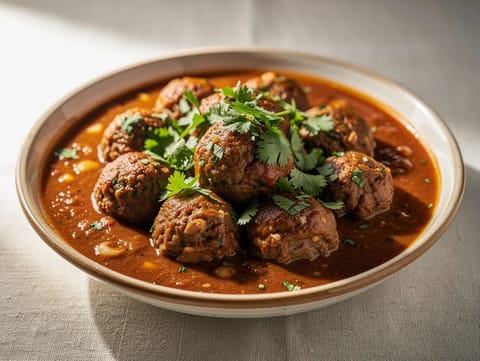
Beef meatballs simmered in smoky chipotle tomato sauce
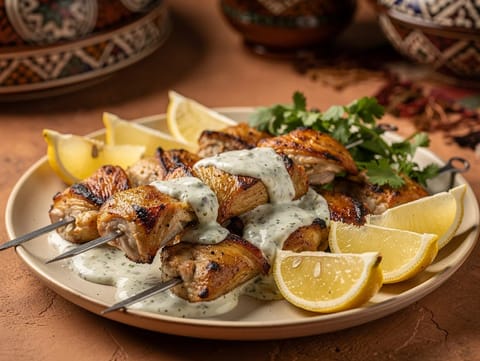
Yoghurt-marinated chicken skewers grilled with cumin and paprika
Not necessarily. Cocoa brings bitterness as well as aroma, so many chocolatey recipes taste deep rather than sugary. The sweetness depends on the type of chocolate used and how much sugar is in the overall recipe.
Colour can come from cocoa or from other dark ingredients, but strong chocolate flavour usually needs enough cocoa solids and often a little salt. Fat and sugar levels also affect how clearly you taste cocoa.
Cocoa powder contributes cocoa solids with little fat, so it can give a clearer cocoa aroma but a drier texture unless balanced. Melted chocolate adds cocoa butter and often sugar, which tends to produce a richer, smoother mouthfeel.
Salt heightens aroma and reduces the perception of flat sweetness. With chocolate, it can make cocoa notes taste more defined and stop rich desserts from feeling heavy.
Yes, in small amounts. Dark chocolate or cocoa can add bitterness and roasted depth to sauces and stews, functioning more like a seasoning than a sweet element.
Decide whether you want dark cocoa depth or a softer, milkier sweetness, then pick recipes whose ingredients support that direction. Chocolate flavour is at its best when sweetness, salt and richness are clearly in balance.
