
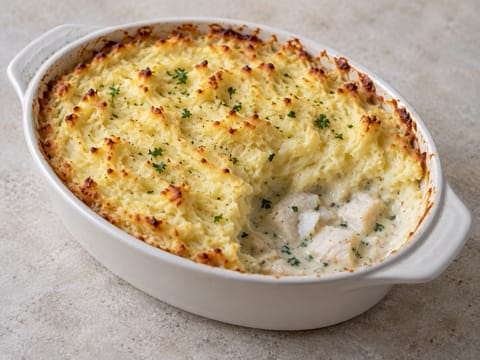
Gluten-Free Fish Pie with Mashed Potato Topping
Gluten-free fish pie topped with buttery mashed potato
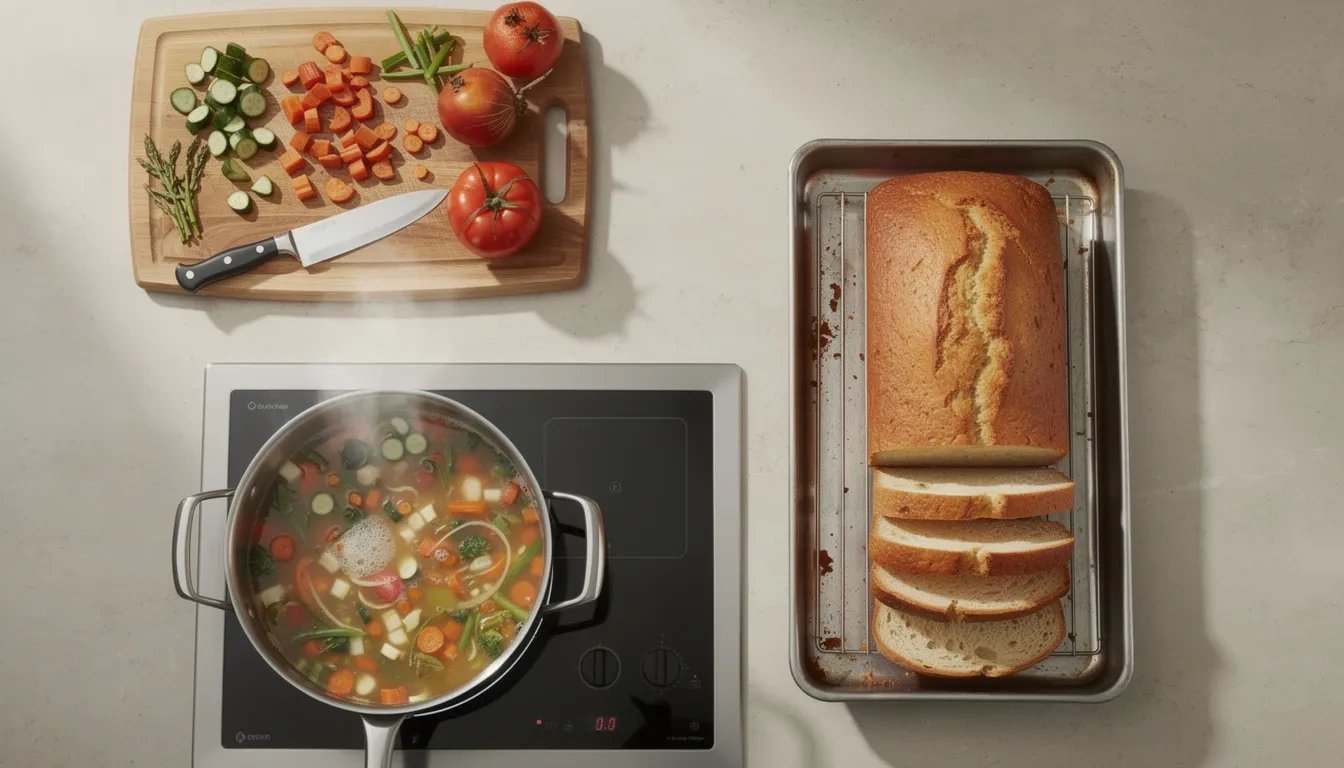
Boiling means cooking in liquid at a vigorous, rolling bubble. It is a straightforward method, but it is not a single setting you leave on for everything. Some foods benefit from the movement and high heat, while others turn tough, break apart or cloud the cooking liquid if boiled too hard.
Use this page to choose recipes where boiling is the point, and to spot when a gentler simmer or a brief blanch is doing the real work.
A true boil is most useful when you want rapid heat transfer and active movement in the pot. That is why it is common for pasta, noodles and dumplings, for boiling potatoes and other roots, and for blanching vegetables before cooling, peeling or finishing by another method.
Boiling is different from simmering. A simmer is gentler, with smaller bubbles and less agitation, and it is often used for soups, stocks and braises where you want flavours to mingle without breaking ingredients apart. If a recipe says “boil” but then talks about keeping the surface barely moving, it is usually describing a simmer in everyday language.
Gluten-free fish pie topped with buttery mashed potato
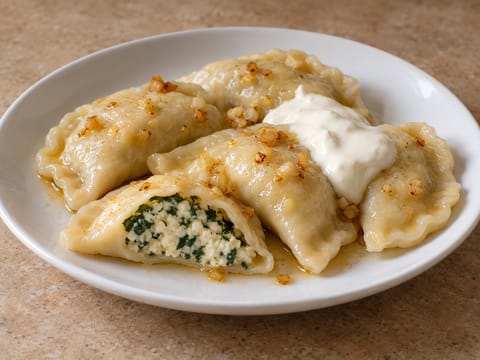
Pierogi filled with spinach and ricotta
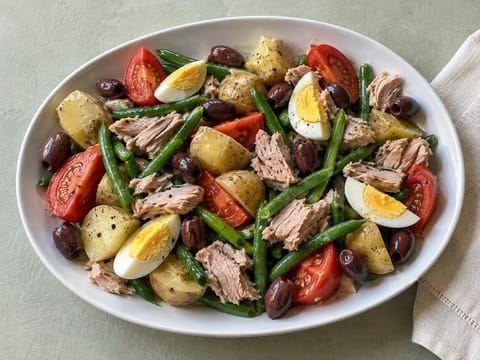
Niçoise salad with tuna, eggs, vegetables and an olive oil dressing
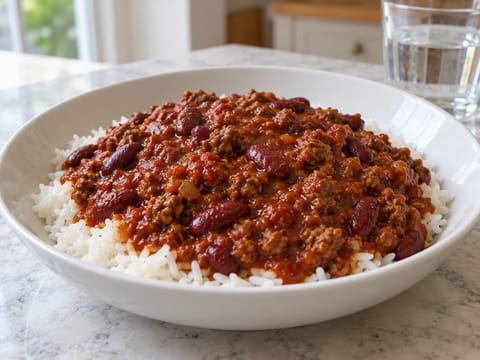
Spiced minced beef and kidney bean chilli served with rice
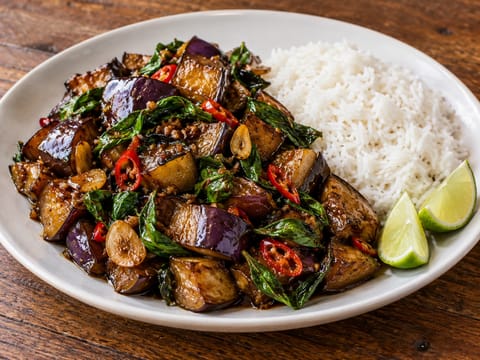
Aubergine stir-fry with Thai basil, garlic and chilli
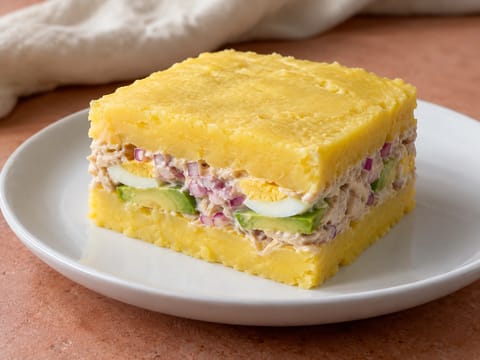
Chilled potato terrine filled with tuna and avocado
First is boil-and-drain: pasta, noodles, potatoes and some vegetables are cooked in plenty of water, then drained and finished with sauce, butter, oil or seasoning. Second is boil-as-part-of-a-sauce: ingredients cook in a flavoured liquid that is reduced or thickened, as with some one-pot pastas, brothy noodles or dumplings.
Third is blanching: a short boil followed by cooling (often in cold water) to stop cooking. This is used to set colour in green vegetables, loosen skins on tomatoes or peaches, or par-cook ingredients before stir-frying, roasting or grilling. Each pattern asks for a different pot size, water amount and level of attention.
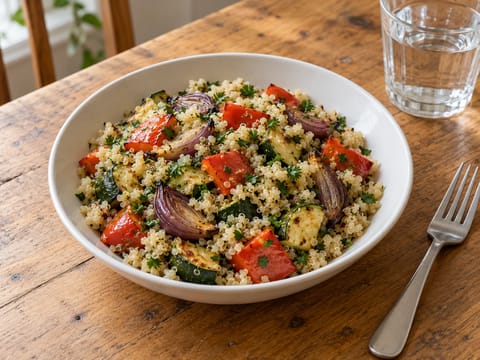
Quinoa salad with roasted courgette, pepper and onion
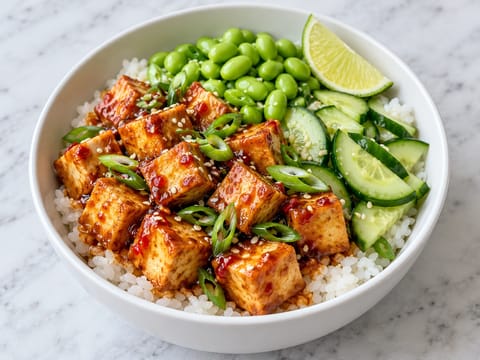
Sweet chilli tofu poke bowl with sushi rice and edamame.
Gluten-free fish pie topped with buttery mashed potato
Chilled potato terrine filled with tuna and avocado
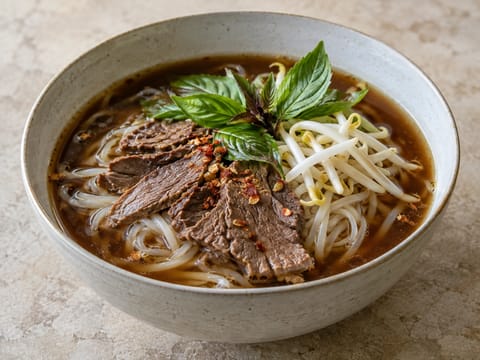
Thai rice noodle soup with beef and dark broth
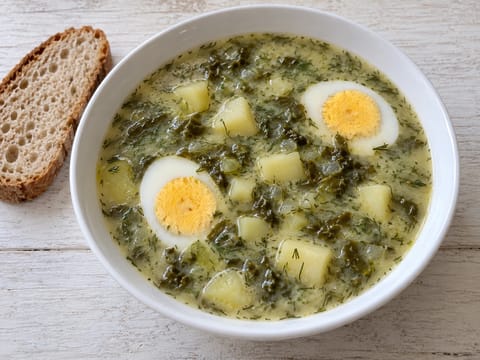
Polish sorrel soup with sour cream and hard-boiled eggs
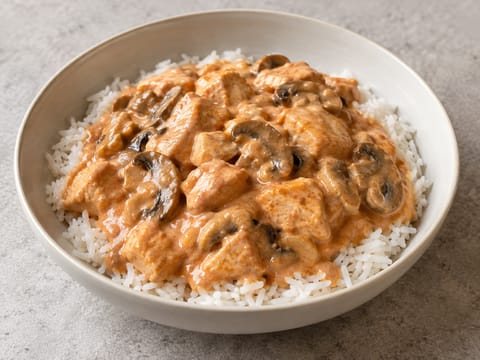
Chicken and mushrooms in a creamy tomato and double cream sauce
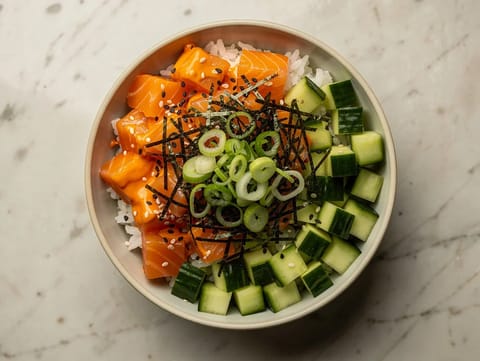
Salmon poke bowl with sushi rice and sriracha mayo.
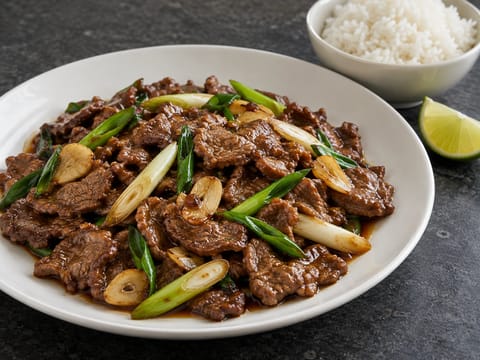
Thai beef stir-fry coated in oyster sauce and light soy
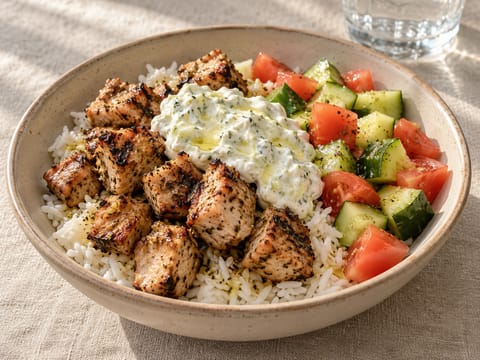
Grilled pork souvlaki served over rice with tzatziki
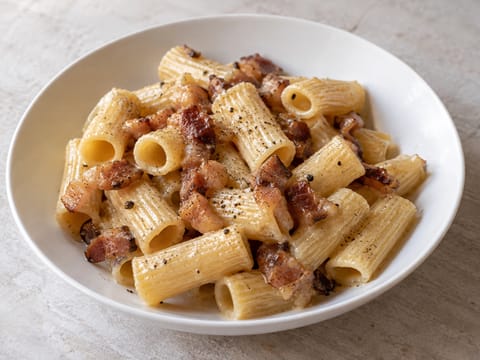
Rigatoni with crisp guanciale and peppery pecorino sauce
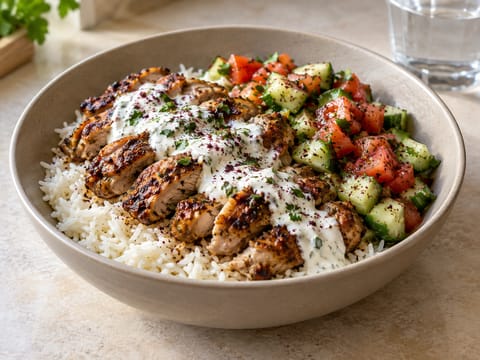
Turkish chicken bowl with rice, garlic yoghurt and salad
If you want clean flavours and good texture, choose recipes that specify the size of the pieces and give a clear doneness cue, such as “tender when pierced” for potatoes or “al dente” for pasta. For foods that can turn waterlogged, recipes that finish with a quick dry-off step (steam-drying potatoes, tossing pasta with sauce over heat) often taste more integrated.
For delicate items, look for recipes that keep the boil gentle or use a wide pot so pieces have room without being battered. And if the cooking liquid matters, choose recipes that describe whether it should stay clear, be starchy, or be reduced into the final dish.
Overcrowding is a frequent cause of sticking and uneven cooking, especially with pasta and dumplings. Too fierce a boil can also break fragile foods apart and turn soups cloudy. At the other extreme, water that never returns to a boil can leave starches gummy.
Another common issue is under-seasoned results when the cooking water is the only chance to season the interior, as with pasta and potatoes. Finally, be careful when draining: steam burns happen quickly, and heavy pots are easiest to handle when you plan the route to the sink before you lift them.
Cooking time is useful for boiling because the clock often starts only once the water returns to a boil, and some recipes include resting or finishing steps after draining. Difficulty can help too: boiling itself is simple, but timing, finishing and sauce work can make a recipe more involved than it first appears.
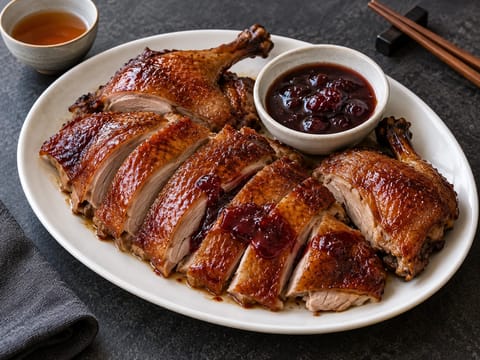
Cantonese roast duck with crisp skin and plum sauce
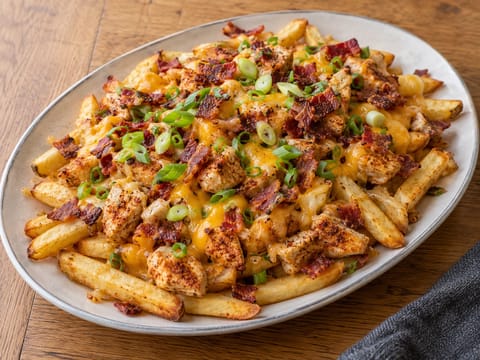
Loaded air fryer chicken and chips topped with cheddar and bacon.
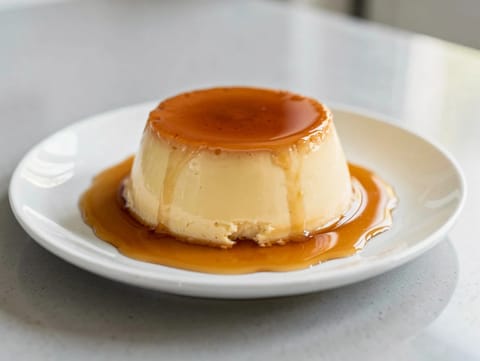
Silky vanilla custard turned out with caramel sauce
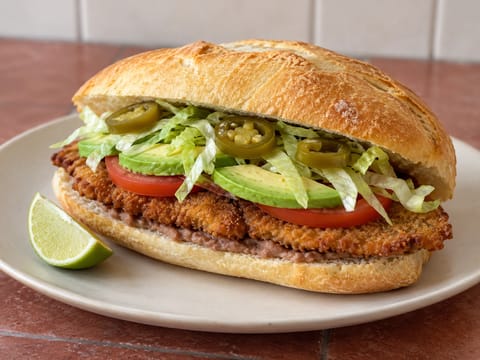
Mexican torta with breaded pork, beans, avocado and jalapeños
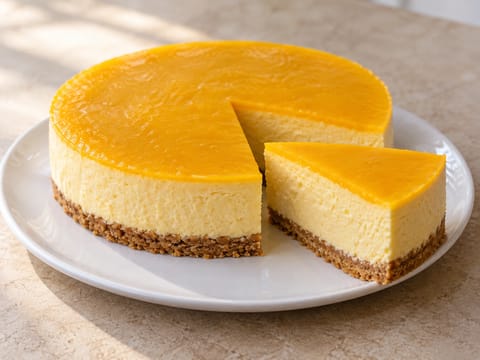
Chilled mango cheesecake with cardamom and biscuit base
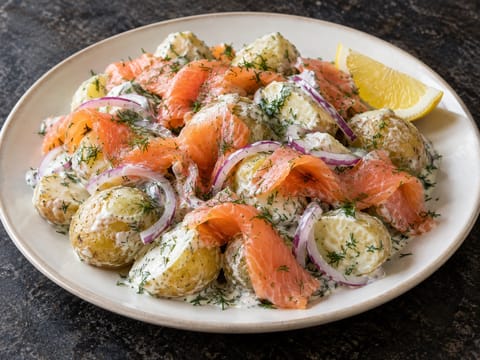
Smoked salmon with new potatoes, sour cream and dill
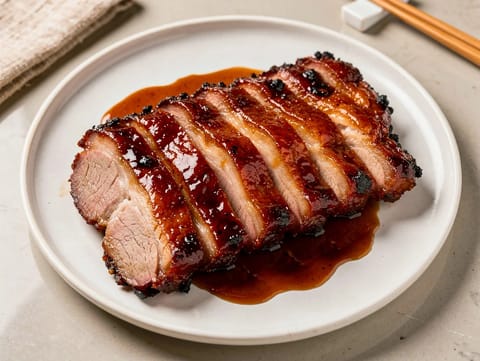
Cantonese barbecued pork with hoisin, honey and soy glaze
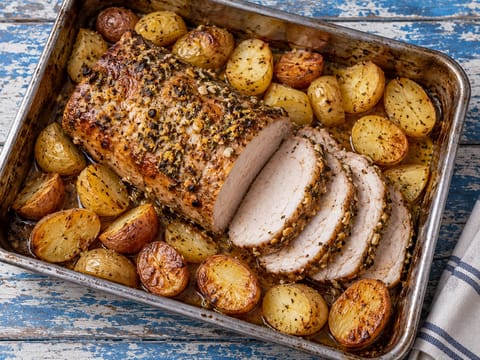
Greek-style pork roast with lemon, oregano and tray potatoes
Boiling is vigorous bubbling and strong movement in the pot. Simmering is gentler, with smaller bubbles and less agitation. Many soups and sauces prefer a simmer to avoid breaking ingredients and to keep the liquid clearer.
Common causes include too little water, not stirring early on, or cooking at a weak heat so starch leaches out without enough movement. Draining and finishing with sauce over heat can also help separate strands.
A lid helps water come to the boil faster, but once boiling it can cause boil-overs and makes it harder to control the intensity. Many cooks boil with the lid slightly ajar or off, depending on the pot and the food.
Potatoes can absorb water if cooked too long or cut too small. Starting in cold water helps them cook evenly, and letting them steam-dry after draining reduces surface moisture before mashing or roasting.
Blanching uses boiling water, but only briefly, and it is usually followed by cooling to stop the cooking. It is a texture and colour-setting step rather than a full cook.
Yes, especially with brief cooking and good seasoning. Longer boiling can leach flavour into the water, so recipes may use blanching, steaming, or finishing in a sauce to keep taste concentrated.
Boiling is at its best when you match the intensity to the ingredient: a lively boil for pasta, a controlled boil for potatoes, and a brief blanch when you only need a head start. Choose recipes that tell you what the liquid is for, and you will get more consistent texture.
