
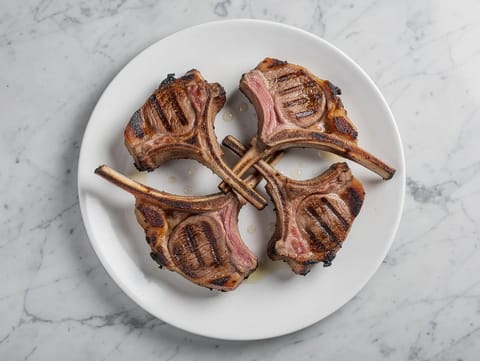
Agnello alla Scottadito (Italian Grilled Lamb Cutlets)
Grilled lamb cutlets with rosemary, garlic and lemon
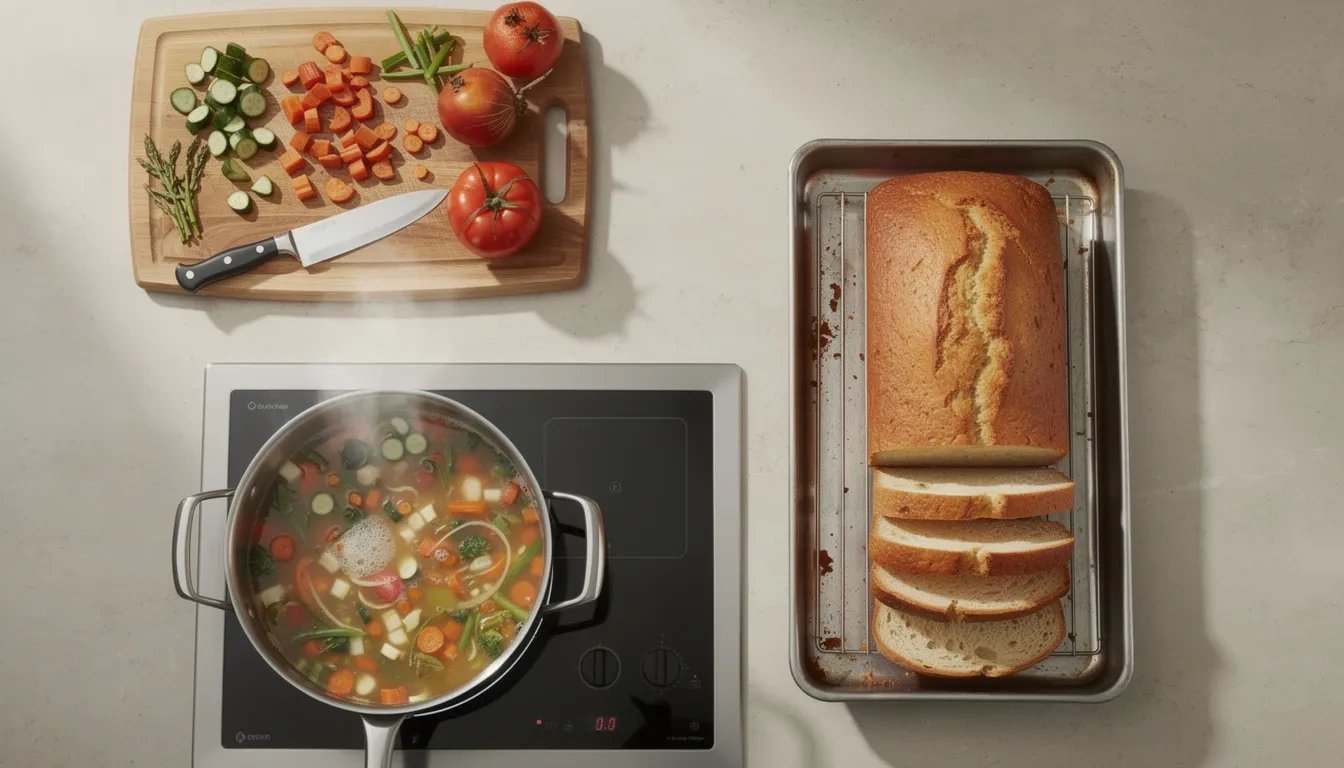
Marinating is a preparation method that seasons food before cooking or serving, often improving flavour penetration and surface browning. It can also change texture, depending on what’s in the marinade and how long the food sits.
When you’re choosing marinated recipes, the useful comparison is not just flavour. It’s whether the marinade is doing mainly seasoning, tenderising, or acting as a protective coating for high heat.
A marinade is typically a mix of salt, aromatics and a liquid carrier such as oil, an acidic ingredient (citrus, vinegar, wine) or a cultured dairy base (like yoghurt). Salt is the most reliable driver of seasoning. Oil carries fat-soluble flavours and helps with browning and sticking. Acids and enzymes can soften the surface of proteins, but they can also make textures turn chalky or mushy if left too long.
Not every marinated dish is cooked. Some are marinated to be served cold or at room temperature, where the marinade acts more like a dressing that mellows as it sits.
Grilled lamb cutlets with rosemary, garlic and lemon
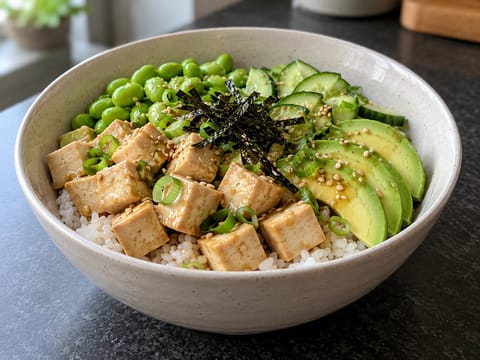
Vegetarian poke bowl with tofu, sushi rice and vegetables.
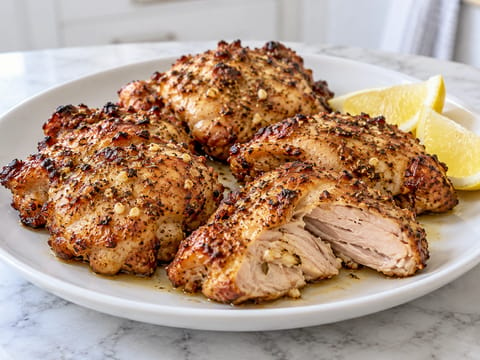
Air fryer Greek chicken with lemon, garlic and oregano.
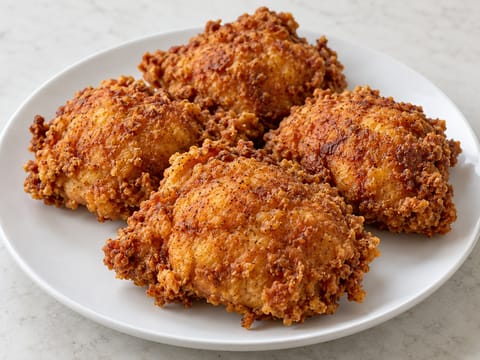
Buttermilk-brined fried chicken with a crisp seasoned coating
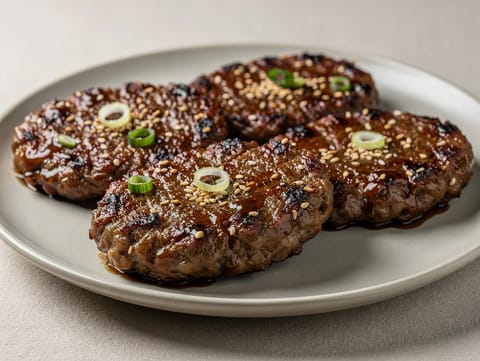
Korean beef short rib patties with soy, garlic and pear
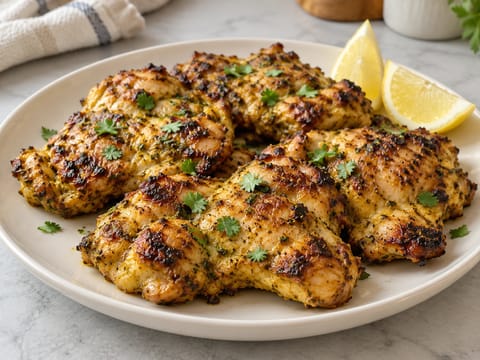
Yoghurt-marinated chicken cooked in the air fryer until charred.
Oil-forward marinades are often about aroma and browning. They suit grilling, roasting and pan-frying, where a lightly oiled surface helps prevent sticking and encourages colour.
Acid-forward marinades tend to brighten and lightly “cook” the surface, which can be useful for quick-cooking cuts and vegetables, but they need careful timing.
Yoghurt or buttermilk-style marinades coat and cling. They can protect food from fierce heat and encourage even browning, while the dairy’s acidity works more gently over time. Recipes may also include sugar or honey for caramelisation, which changes how closely you need to watch the heat.
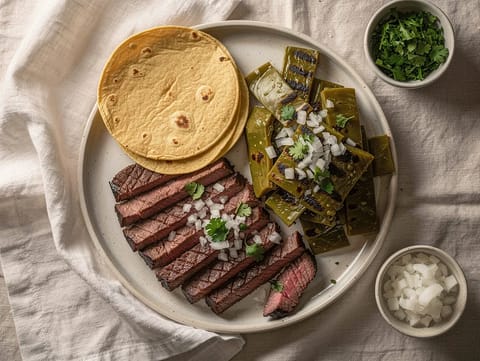
Grilled skirt steak and nopales served in corn tortillas
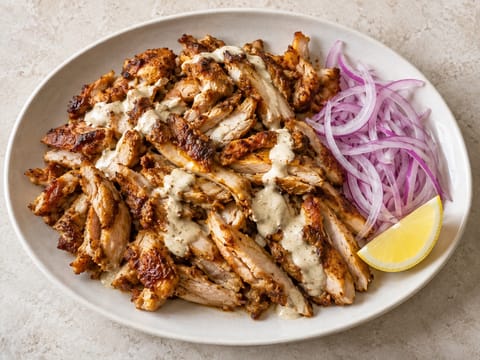
Roasted chicken shawarma with yoghurt marinade and tahini
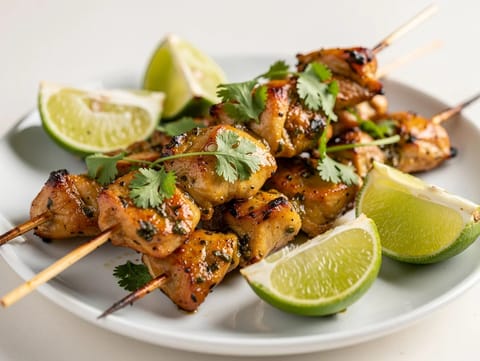
Oven-roasted Thai chicken skewers with lemongrass and lime
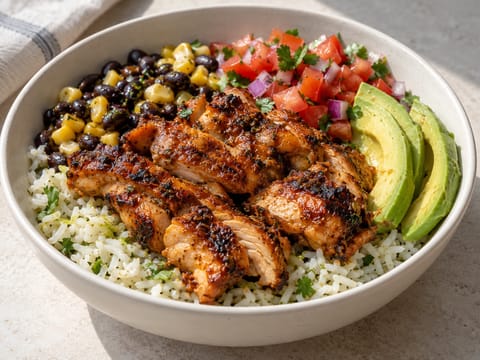
Chipotle chicken bowl with lime rice, beans and avocado
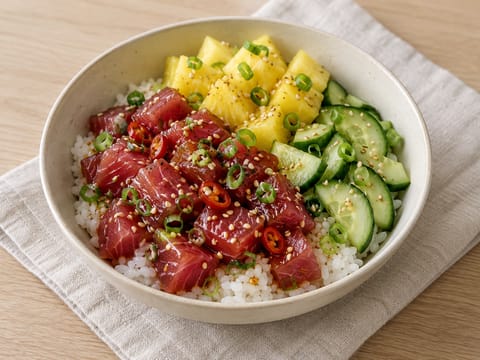
Sushi rice poke bowl with tuna, pineapple and chilli.
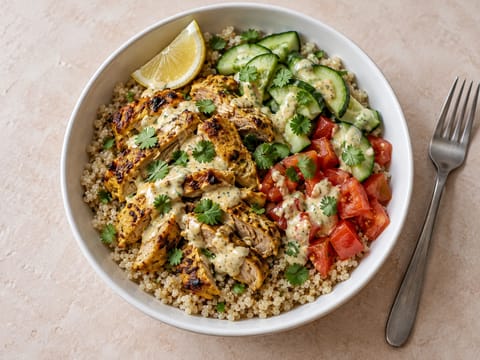
Chicken tikka served over quinoa with cucumber and tomato
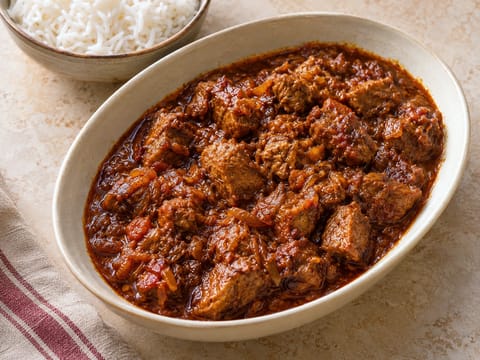
Goan-style pork vindaloo with vinegar, garlic and spices
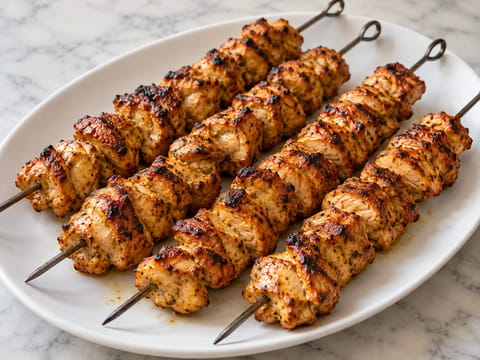
Turkish chicken skewers in a yoghurt, lemon and garlic marinade
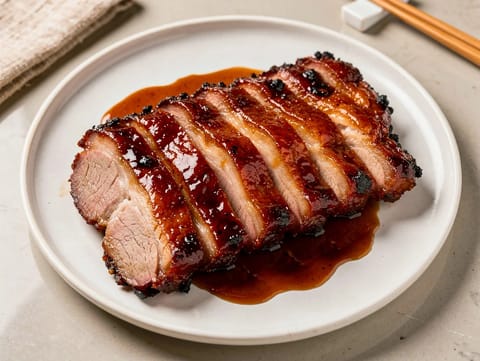
Cantonese barbecued pork with hoisin, honey and soy glaze
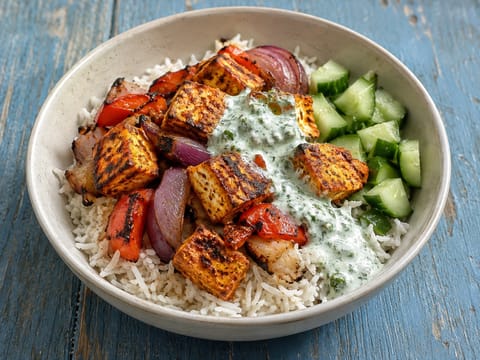
Paneer tikka bowl with rice, grilled vegetables and mint yoghurt
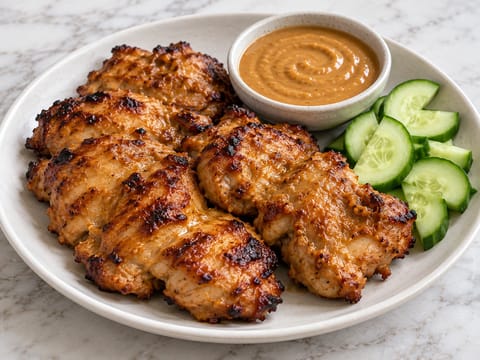
Air-fried satay chicken with peanut, lime and soy sauce.
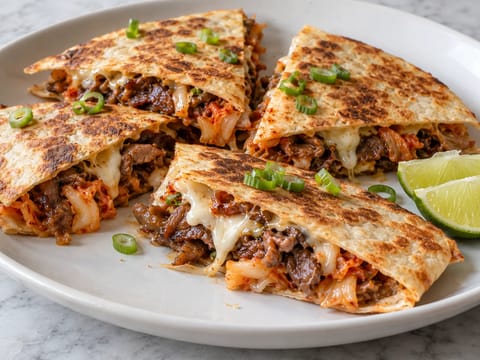
Crisp bulgogi beef quesadilla with kimchi and mozzarella
The most common issue is under-seasoning. A marinade heavy on oil and herbs can smell fragrant but still taste flat if it lacks enough salt.
Another frequent problem is over-marinating in strong acid. The outside can turn soft and grainy while the inside stays unchanged. If a recipe calls for an acidic marinade, treat the timing as part of the method, not a flexible suggestion.
Finally, wet marinades can steam rather than sear. Many recipes pat food dry or shake off excess before high-heat cooking, especially when you want good browning.
Marinating is naturally make-ahead friendly, but the best window depends on the ingredient. Firmer vegetables and larger cuts can often take longer contact with aromatics, while delicate seafood and thin slices can change texture quickly.
If you want flexibility, look for recipes where the marinade can be made separately and used as both a soaking liquid and a finishing sauce, with a portion kept back before it touches raw ingredients. A resealable bag, shallow dish or lidded container all work; the practical goal is maximum contact with minimal liquid.
Marinated recipes often hinge on how long you have and how confident you feel judging texture. Cooking time helps you compare quick marinades with longer, plan-ahead ones. Difficulty can also be a useful guide, since some marinades are forgiving while others depend on careful timing and heat management.

Steak sandwich with fried egg, bacon, tomato and mayonnaise
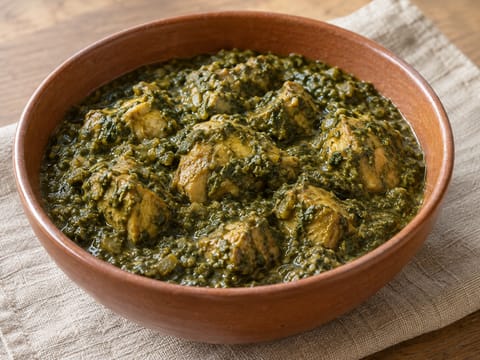
Chicken saag with a smooth spiced spinach and yoghurt sauce
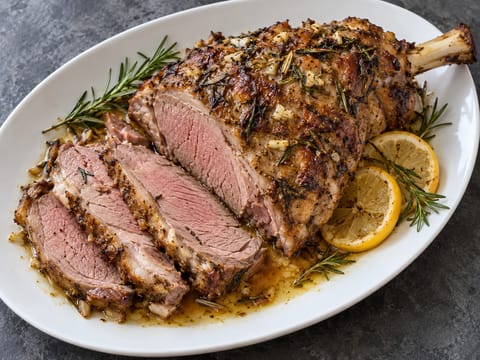
Roast lamb with rosemary, garlic and lemon
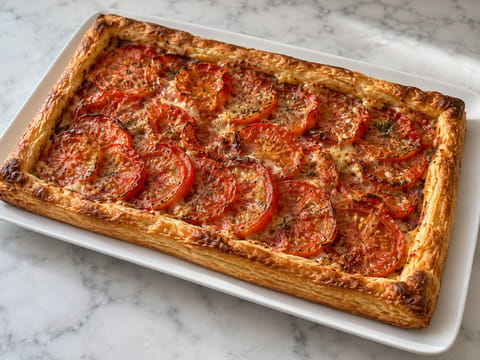
Puff pastry tart with Dijon mustard, tomatoes and Gruyère
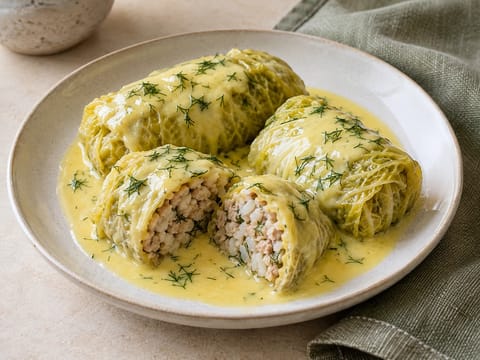
Greek cabbage rolls with pork, rice and egg lemon sauce
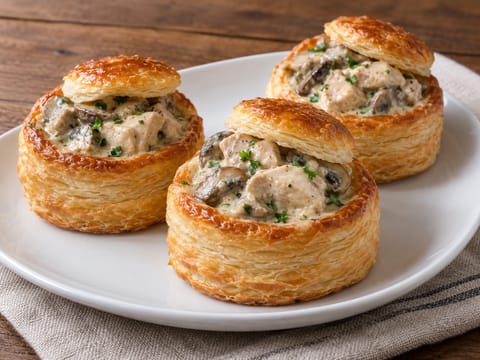
Puff pastry cases filled with creamy chicken and mushrooms
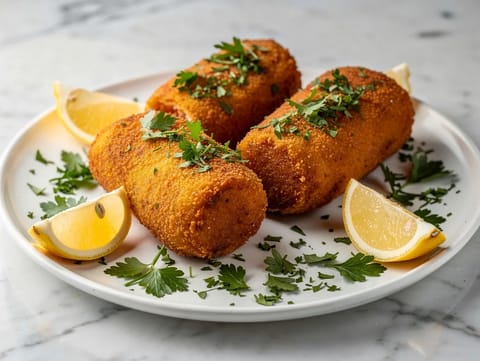
Crisp grey shrimp croquettes with nutmeg béchamel filling
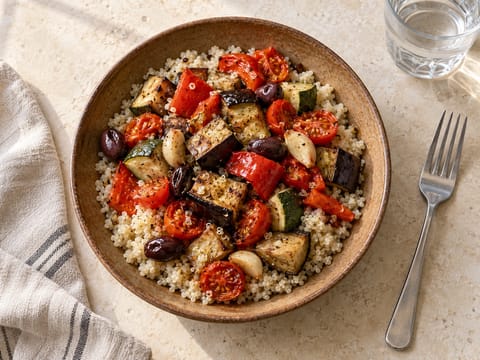
Quinoa bowl topped with roasted vegetables, olives and lemon
Not always. Salt can help meat hold onto moisture, but many marinades mainly flavour the surface. Strong acids or enzymes can soften the exterior, sometimes too much, without tenderising the centre.
Marinades with sugar, honey or thick dairy can brown quickly over high heat. Many recipes manage this by cooking over slightly lower heat, shaking off excess marinade, or glazing near the end.
It is usually unnecessary and can let juices escape during cooking. Better contact comes from time, a thin cut, or using a bag or shallow dish so the surface is evenly coated.
Only if it has not been in contact with raw meat, poultry or fish. Many recipes have you reserve a portion for serving before adding the rest to the raw ingredient.
Acid can denature proteins at the surface, changing colour and texture. That effect can be desirable in some preparations, but it also means timing matters to avoid a tough or chalky finish.
A good marinade is specific: it either seasons, protects, or gently changes texture, and the timing follows from that job. Choose the style that suits your cooking heat and your schedule, and you’ll avoid the usual traps of bland centres and overworked surfaces.
