
Yiaprakia (Greek Cabbage Rolls with Pork, Rice and Egg Lemon Sauce)
Why this recipe works
- Layered savoury flavour: Softened onion, garlic, dill, pork and stock give the filling depth without making the dish heavy.
- Bright lemon balance: The egg-and-lemon sauce cuts through the richness of the pork and rice, keeping each serving fresh and lively.
- Silky sauce: Tempering the eggs with warm cooking liquid creates a smooth, lightly thickened sauce without cream.
- Tender, satisfying rolls: A gentle braise cooks the rice and pork inside the cabbage leaves while keeping the rolls soft and cohesive.
Get the most out of this recipe
Authenticity notes
- Northern Greek style: Yiaprakia are closely associated with Northern Greek cooking, where cabbage leaves are commonly used for hearty stuffed rolls.
- Avgolemono finish: The egg-and-lemon sauce is a classic Greek technique that turns the braising liquid into a tangy, silky coating.
Ingredient notes
- Choose flexible cabbage leaves: Savoy cabbage works well because the leaves soften easily and roll without cracking once blanched.
- Trim thick ribs: Shaving down the firm centre ribs helps the leaves fold neatly around the filling.
- Short-grain rice matters: Short-grain rice plumps during the braise and helps the pork filling hold together.
Common mistakes
- Boiling the rolls too hard: Keep the braise at a very gentle simmer; aggressive bubbling can split the cabbage and toughen the filling.
- Overheating the sauce: Add the warm cooking liquid gradually to the eggs, then keep the sauce over low heat so it thickens without scrambling.
- Rolling too loosely: Roll the cabbage snugly and place each piece seam-side down so the filling stays enclosed as it cooks.
Make-ahead tips
- Cook ahead: The rolls can be cooked and refrigerated with the sauce once cooled, making them practical for preparing in advance.
- Reheat gently: Warm in a covered pan over low heat with a splash of water, stirring the sauce often and avoiding a boil.
- Good the next day: The filling settles well after chilling, though the sauce needs gentle handling to stay smooth.
Equipment you'll need
Ingredients
Instructions
- Bring a large pot of water to the boil. Core the savoy cabbage, then blanch it for 6 to 10 minutes, peeling off leaves as they soften. Drain and cool until you can handle the leaves, then trim any thick ribs so they roll easily.
- Finely chop the yellow onion and crush the garlic. Pick and finely chop the fresh dill. Lightly crush the black peppercorns with the side of a knife or in a mortar and pestle.
- Heat the extra virgin olive oil in a frying pan over medium heat and cook the onion with a pinch of the fine sea salt for 6 to 8 minutes until soft and sweet. Add the garlic and cook for 1 minute, then scrape into a mixing bowl to cool for 2 minutes.
- Add the minced pork, short-grain rice, most of the dill (reserve a little for finishing), 1.5 tsp of the fine sea salt, and the crushed peppercorns to the bowl. Mix well with your hands until evenly combined. Fry a small piece to check seasoning, then adjust with the remaining salt if needed.
- Lay out a cabbage leaf and place a small handful of filling near the base, then fold in the sides and roll up snugly. Repeat with the remaining leaves and filling, using smaller leaves for smaller rolls. If any leaves tear, double them up to prevent leaking.
- Arrange the rolls seam-side down in a single snug layer in a dutch oven, adding a second layer if needed. Pour over the chicken stock; the rolls should be mostly covered, so top up with a little water if required. Bring to a gentle simmer, cover, and cook on low for 60 to 70 minutes until the rice is tender and the rolls feel soft when pressed.
- Lift the rolls to a warm dish with tongs and keep covered. Strain or ladle 300 ml of the hot cooking liquid into a jug and let it cool for 2 minutes so it does not scramble the eggs. Finely grate the lemon zest and squeeze the juice.
- In a bowl, whisk the eggs until frothy, then whisk in the lemon juice and zest. Slowly whisk in the warm cooking liquid a little at a time to temper the eggs. Return the mixture to the dutch oven over low heat and stir gently for 3 to 5 minutes until silky and lightly thickened; do not let it boil.
- Return the rolls to the pot and spoon the sauce over them to coat. Warm through for 2 to 3 minutes, then scatter over the reserved dill. Serve hot with plenty of the lemony egg sauce.
Recipe notes
Tips
- Keep the braise at the gentlest simmer; a hard boil can split the cabbage and make the filling tough.
- For a smooth egg and lemon sauce, temper slowly and keep the heat low; if it starts to steam heavily, take the pot off the heat and stir until it settles.
- Eggs in the sauce are lightly cooked; if you are pregnant, elderly, immunocompromised, or serving young children, use eggs that are safe for raw and lightly cooked dishes.
Substitutions
- Replace fresh dill with fresh parsley for a milder, greener finish.
- Replace chicken stock with vegetable broth for a lighter, less meaty braising liquid.
Storage
- Refrigerate up to 3 days
- Cool, then refrigerate the rolls and sauce together in a sealed container. Reheat gently in a covered pan over low heat with a splash of water, stirring the sauce often and avoiding boiling so it stays silky.
Ratings & reviews
Liked this recipe? Share your feedback to support our cooking community.
Tried this recipe?
Choose 1–5 stars. A comment is optional.
Stay inspired
Discover new recipes, seasonal favourites and cooking inspiration every day. Follow JustRecipes on Pinterest and Spillt.
Recipe overview
- Servings: 4 servings
- Total time: 2h 30min (50min active)
- Difficulty: Medium
- Cuisine: Greek
-
Allergens:
Eggs
Plan your meals and get a complete grocery list automatically.
Add to meal plannerEquipment you'll need
Got ingredients left?
Find recipes using ingredients from this recipe or what you already have at home.
Find recipes with these ingredients →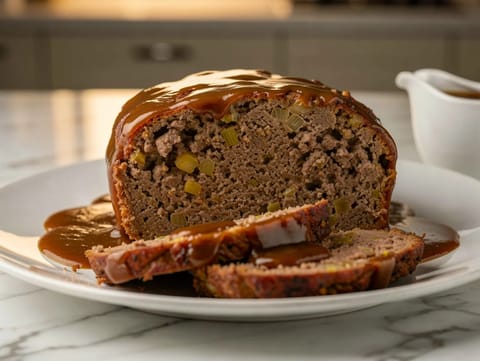
Classic Beef Meatloaf with Brown Gravy
Minced beef meatloaf served with simple brown gravy
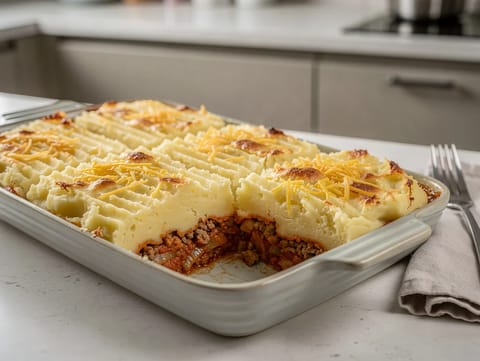
Ovenschotel Gehakt en Aardappel (Dutch Minced Beef and Potato Casserole)
Minced beef and mashed potato casserole with Cheddar topping
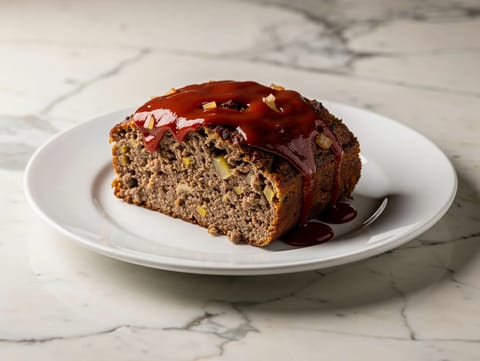
Southern Meatloaf with Ketchup Glaze
Minced beef meatloaf baked with a sticky ketchup glaze
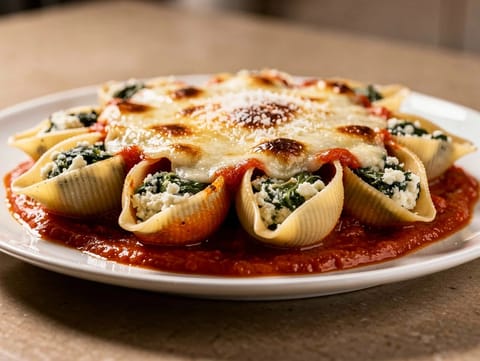
Conchiglie Ripiene (Stuffed Pasta Shells with Ricotta and Spinach)
Stuffed pasta shells baked with ricotta, spinach and melted mozzarella
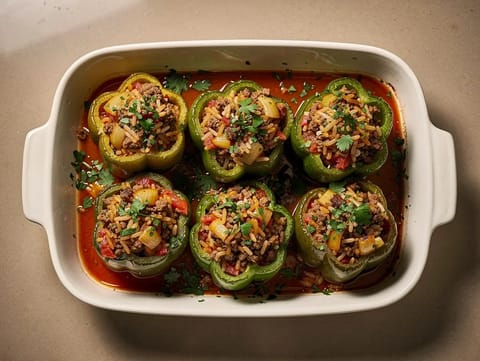
Stuffed Peppers with Minced Beef and Rice
Baked stuffed peppers with minced beef, rice and tomatoes
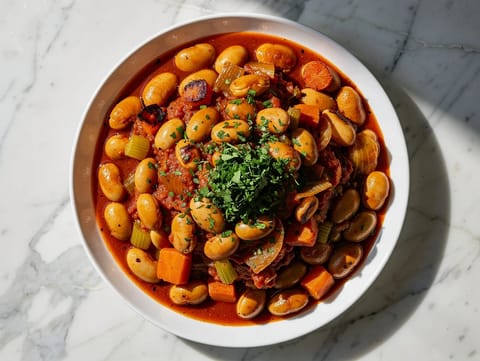
Gigantes Plaki (Greek Baked Giant Beans in Tomato Sauce)
Greek baked giant beans in tomato and olive oil sauce
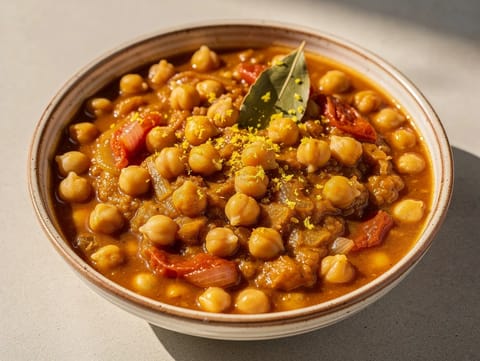
Revithada (Greek Slow Cooked Chickpea Stew with Tomato and Lemon)
Slow cooked Greek chickpea stew with tomato and lemon
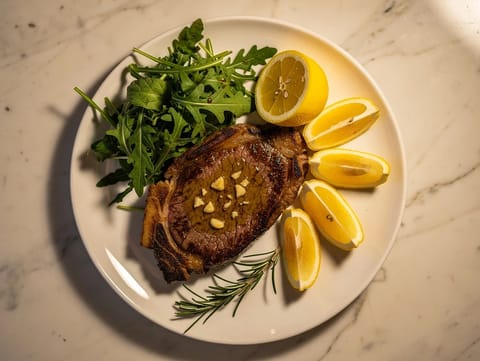
Pan-Seared Ribeye Steak with Garlic Butter
Pan-seared ribeye with garlic butter and rocket salad
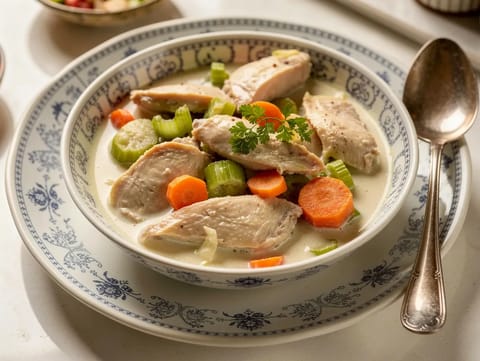
Waterzooi (Belgian Creamy Chicken Stew)
Creamy Belgian chicken stew finished with egg yolks and cream

Prawn Saganaki with Tomato and Feta
Prawns in garlicky tomato sauce topped with feta
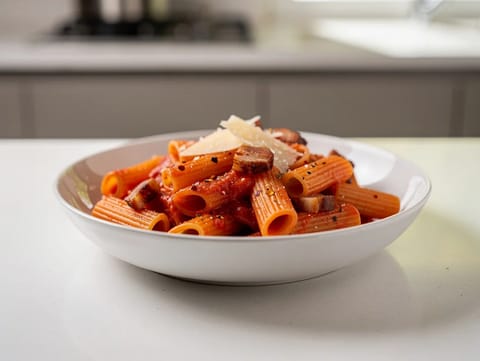
Rigatoni all’Amatriciana (Rigatoni with Guanciale and Tomato)
Rigatoni with guanciale, tomato sauce and Pecorino Romano
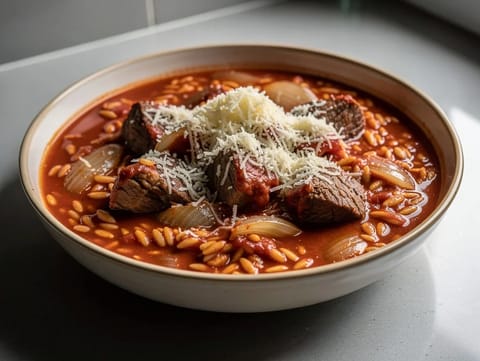
Youvetsi (Greek Beef Stew with Orzo)
Greek beef stew baked with orzo in tomato and cinnamon

Arroz con Pollo (Spanish Chicken and Rice)
One-pan Spanish chicken and rice with saffron and paprika
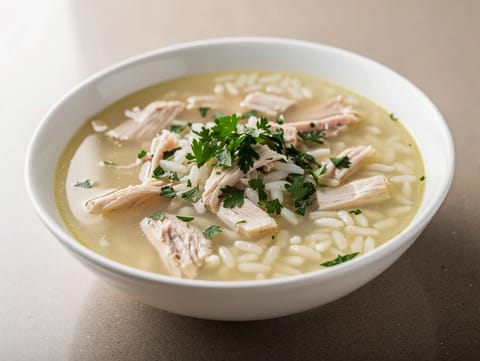
Avgolemono Soup (Greek Chicken, Rice, Egg and Lemon)
Greek chicken and rice soup thickened with egg and lemon

Avgolemono Soup (Greek Lemon and Egg Chicken Soup)
Greek chicken and rice soup with egg and lemon
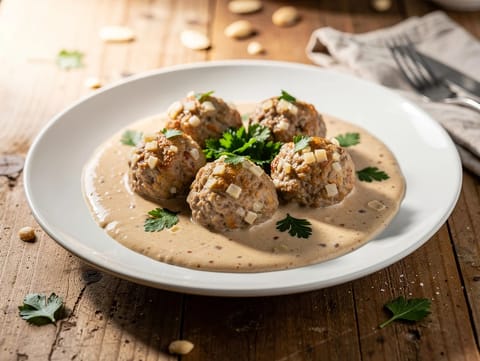
Albóndigas en Salsa de Almendras (Pork Meatballs in Almond Sauce)
Pork meatballs simmered in a smooth almond sauce
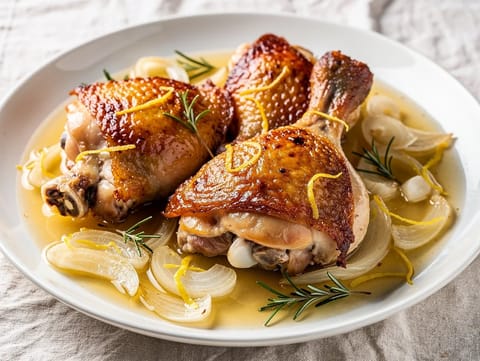
Pollo alla Cacciatora Bianca (White Wine Chicken with Rosemary and Lemon)
White wine chicken thighs simmered with rosemary, garlic and lemon
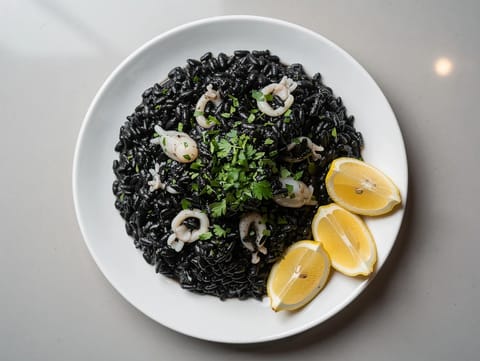
Arroz Negro (Squid Ink Rice)
Spanish squid ink rice cooked with squid and fish stock
You might also like

Air Fryer Chicken Thighs
Chicken thighs air-fried with garlic and paprika until browned.

Zwetschgenkuchen (German Plum Cake with Yeasted Base)
German plum cake with yeasted base and cinnamon sugar

BBQ Chicken Bowl with Brown Rice and Black Beans
Sticky BBQ chicken with brown rice, black beans and sweetcorn
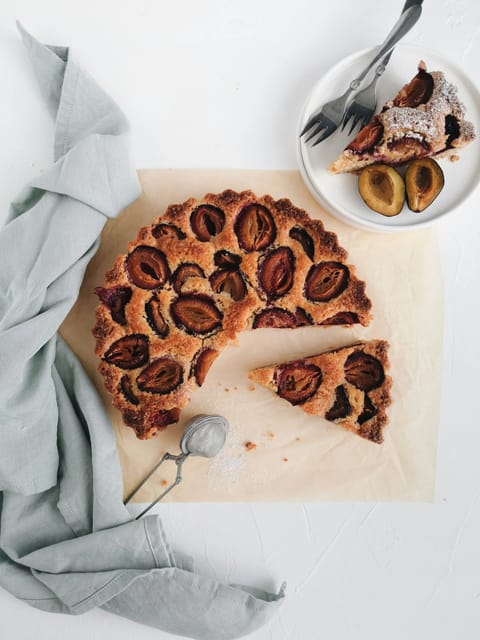
Pflaumenkuchen (German Yeast Plum Cake)
German yeast plum cake topped with fresh plums and cinnamon sugar
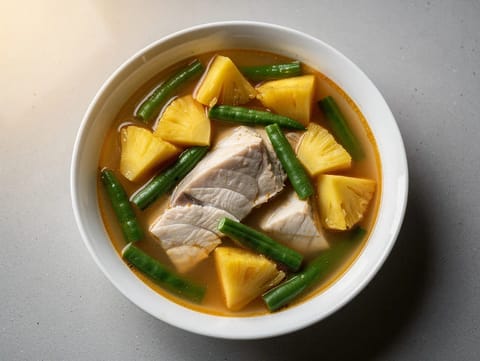
Gaeng Som (Thai Sour Orange Curry with Fish)
Sour orange Thai fish curry with tamarind and pineapple

Queen of Puddings (Breadcrumb Custard with Jam and Meringue)
Breadcrumb custard baked with jam and meringue
Make this recipe easier next time
AdvertisementThese tools help you get better results with less effort.
KitchenAid Stainless Steel Mixing Bowls
- Non-slip base
- Stainless steel
- Not microwave safe
Pyrex Glass Mixing Bowls with Lids
- Microwave safe
- BPA-free lids
- Glass is heavier
OXO Good Grips Stainless Mixing Bowl Set
- Non-slip base
- Comfort grip
- Higher price
Enjoy cooking with JustRecipes?
Add JustRecipes as one of your preferred Google sources to discover our recipes more easily across Google Search.
Add JustRecipes to GoogleEvery recipe on JustRecipes follows the same structured editorial process. Learn how recipes are created, validated, translated, illustrated, and continuously improved across the platform. How we create recipes.
