
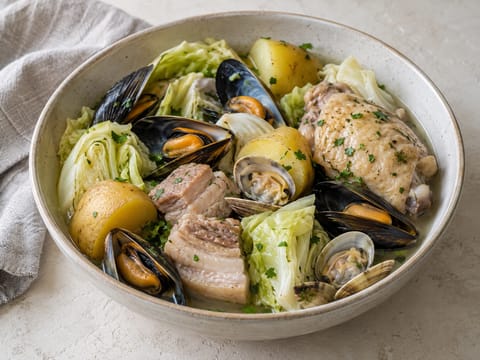
Chilean Curanto (Steamed Seafood and Meat Feast)
Steamed seafood and meat with potatoes, cabbage and white wine
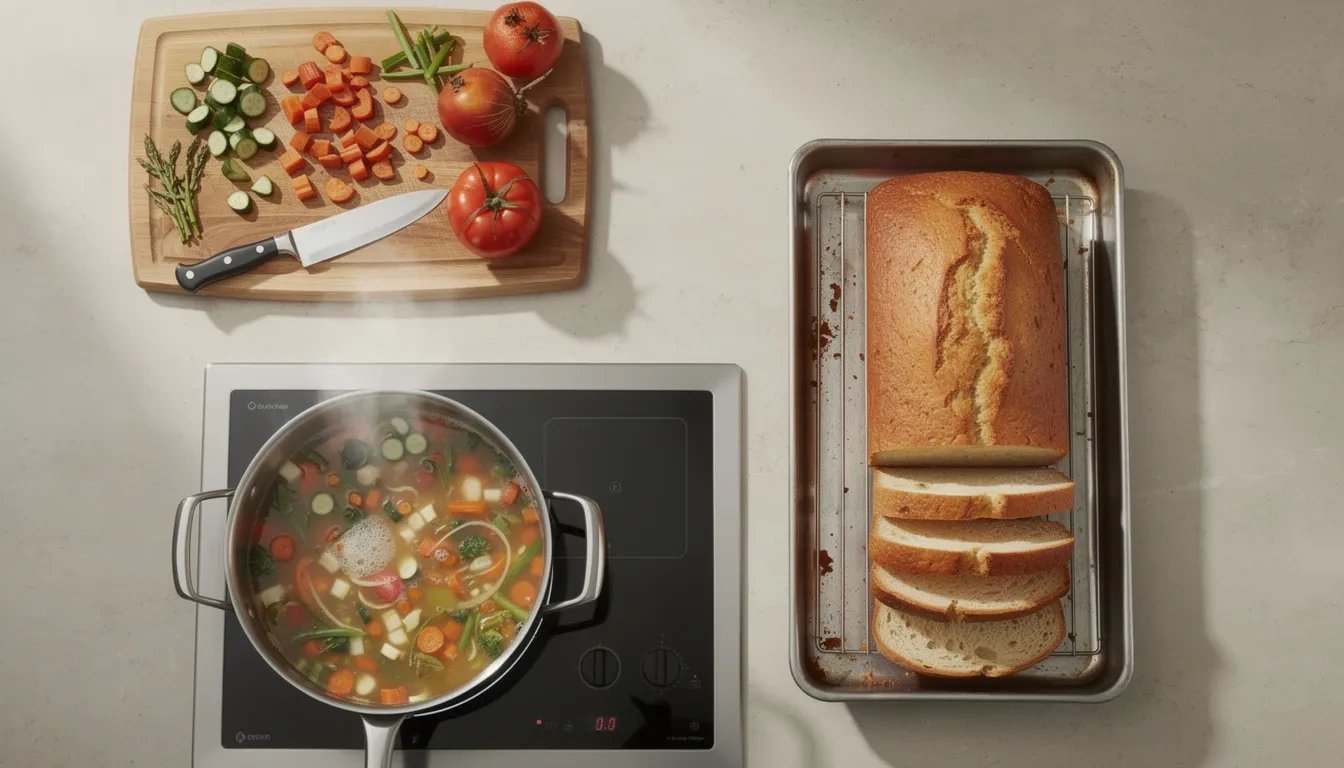
One-pot cooking is about sequencing: you build flavour in stages, then let the pot do the rest. It suits dishes that can simmer, braise or gently cook together, and it often holds well, which makes it practical when you want food that can wait for you.
The key is understanding what goes in first, what needs protecting from overcooking, and how much liquid the pot should carry by the end.
Many one-pot recipes follow a familiar pattern. You start by softening aromatics in a little fat, then add spices, tomato paste or other flavour bases so they bloom and lose any raw edge. Next comes the main ingredient and the cooking liquid, which might be stock, water, coconut milk, wine, or a combination.
From there, the pot shifts into a gentler phase: simmering, braising or steaming under a lid. Ingredients that cook quickly, such as tender greens, seafood, or some pasta shapes, are often added later so they finish in the residual heat. The final adjustment is usually about balance: a squeeze of citrus, a spoon of yoghurt, fresh herbs, or a last check for salt.
Steamed seafood and meat with potatoes, cabbage and white wine
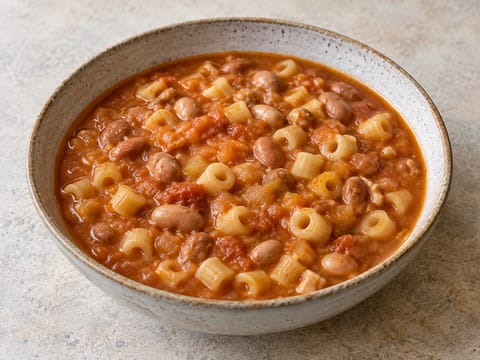
Thick pasta and bean soup with borlotti beans, tomato and rosemary
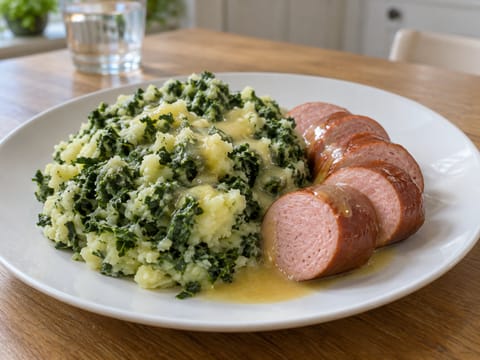
Dutch potato and kale mash with smoked sausage and mustard gravy
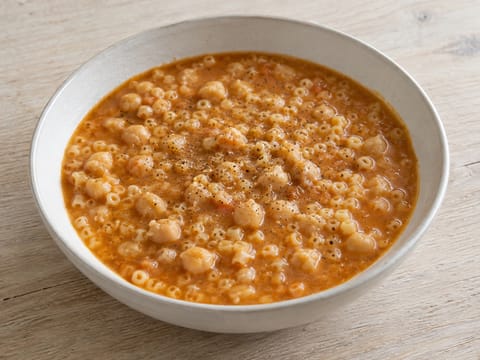
Roman chickpea and pasta soup with rosemary and tomato
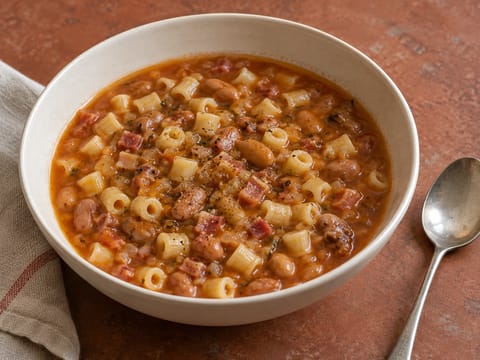
Venetian pasta and bean soup with pancetta and rosemary
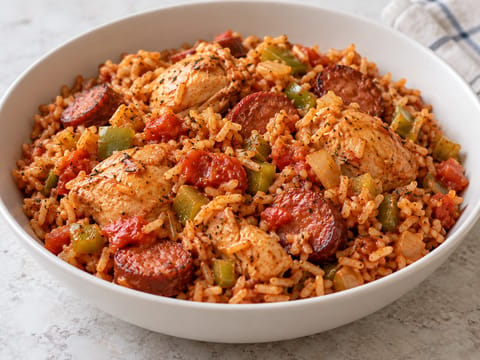
One-pot jambalaya with chicken, andouille sausage and rice
One-pot recipes are finished in a single main vessel, but that does not always mean everything is cooked at the same time. Some dishes start with browning, then switch to simmering; others rely on gentle heat throughout. It also does not automatically mean fast. A pot can be quick for soups and simple pastas, or slow for stews and braises.
The method is less about a specific cuisine and more about workflow: fewer pans, fewer transitions, and flavours that develop in the same cooking environment. That can be especially helpful when you want a dish that tastes cohesive after resting.
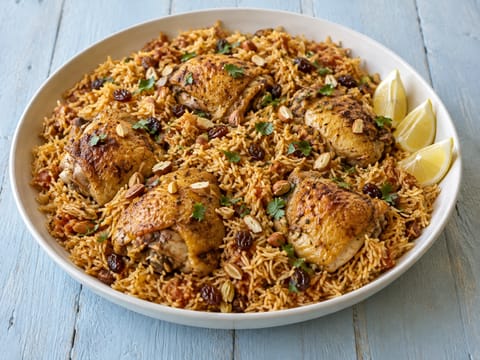
Saudi style kabsa with spiced chicken, rice, tomatoes and nuts
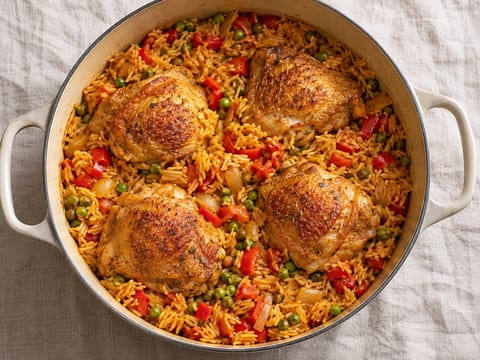
One-pan chicken and rice with peppers and peas
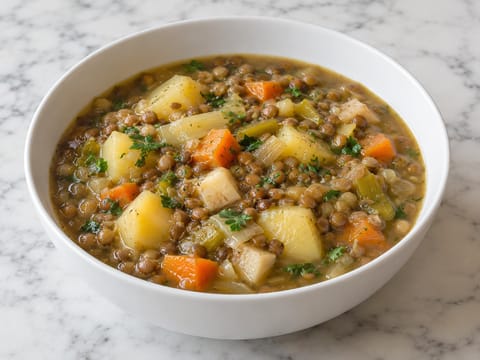
German-style lentil and potato stew with carrots, leeks and herbs
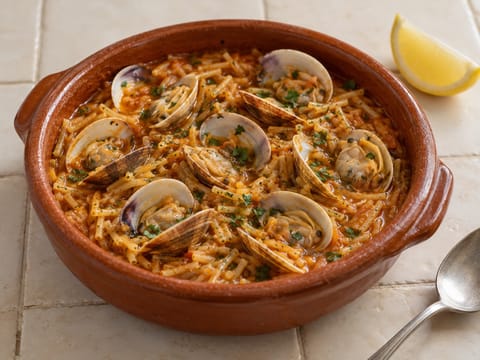
Toasted fideo noodles simmered with clams in fish stock
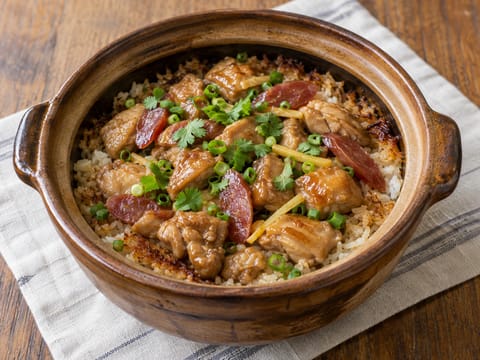
Clay pot jasmine rice with chicken thighs and Chinese sausage
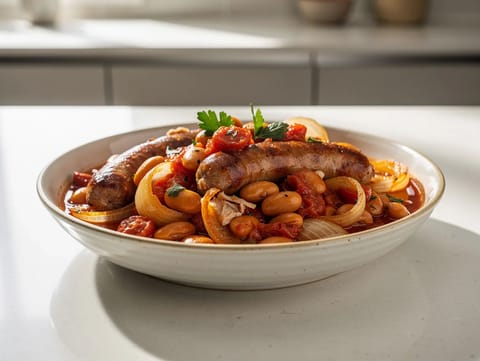
Sausage casserole with butter beans, tomatoes and rosemary
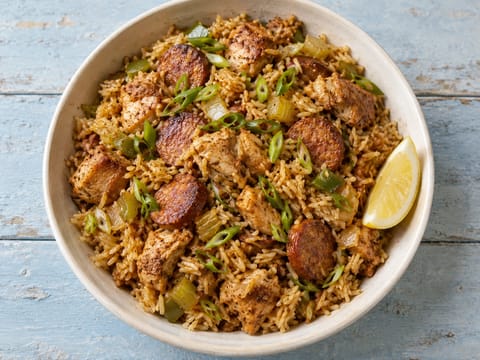
One-pot Cajun rice with chicken and andouille sausage
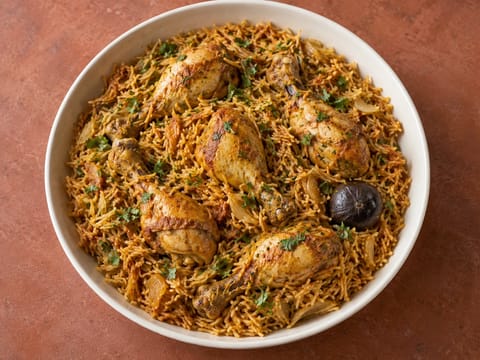
Chicken machboos with spiced basmati rice, baharat and dried lime
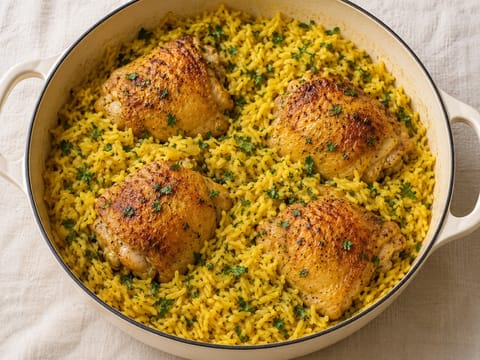
One-pot chicken and rice with turmeric, onion, garlic and parsley
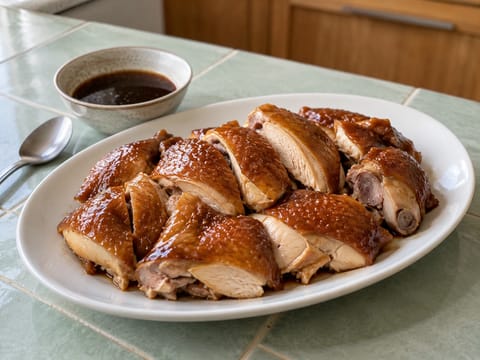
Whole chicken poached in Cantonese soy master stock
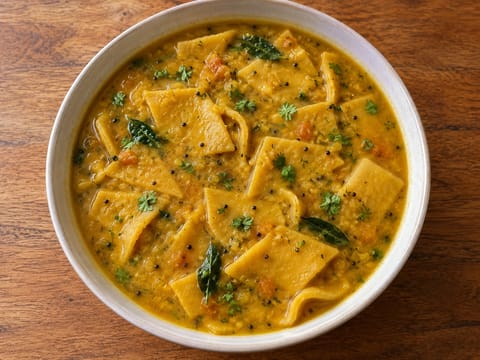
Toor dal broth with tender wheat dumplings and spiced tempering
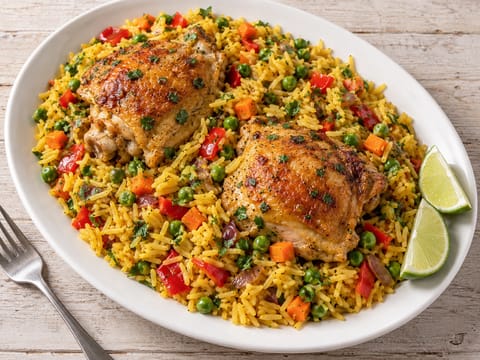
One-pot rice with chicken thighs, vegetables and spices
A heavy-based saucepan or casserole with a tight-fitting lid is the workhorse here. A wider pot encourages evaporation and reduction, which suits thicker sauces and rice dishes; a taller, narrower pot holds heat well for soups and broths.
If a recipe begins with browning, a pot with enough surface area helps you avoid steaming the ingredients. Non-stick can be useful for starchy one-pot pastas and rice, while enamelled cast iron is steady for longer, gentler cooking. If you do not have a lid that fits, a baking tray or foil can stand in, but you may need to watch the liquid level more closely.
Bland results often come from skipping the early flavour-building stage. Even a brief sauté of onions, garlic and spices can make the finished pot taste more rounded.
Uneven doneness is usually a timing issue. Dense vegetables and tougher cuts need a head start; quick-cooking ingredients should be added later, or stirred in off the heat.
A watery finish can happen when the lid stays on for too long. If the dish tastes right but looks thin, simmer uncovered for a short reduction, then rest so starches and proteins settle into the sauce.
If you are choosing one-pot recipes for a particular day, Cooking time helps you separate quick simmer-and-serve dishes from longer braises that need patience. Equipment is also useful: a recipe written for a wide casserole behaves differently from one designed for a tall stockpot or an electric multi-cooker.
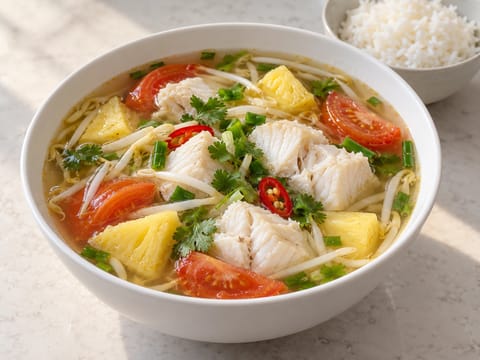
Sweet and sour Vietnamese fish soup with tamarind and pineapple
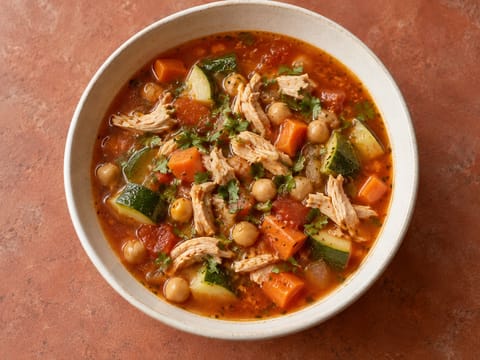
Chicken and vegetable soup with chickpeas, chipotle, lime and coriander
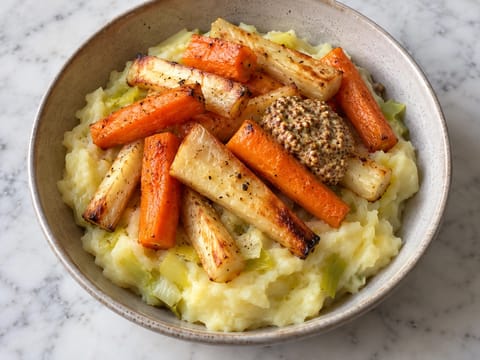
Leek mash topped with roasted carrots and parsnips
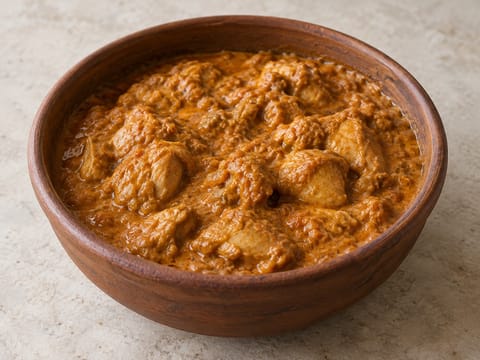
Slow-cooked chicken curry with yoghurt, tomatoes and cream
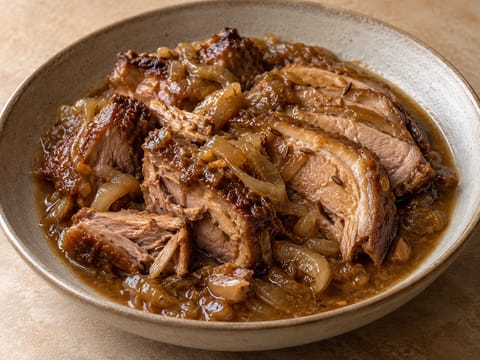
Pork shoulder slow-braised in lager with onion and caraway
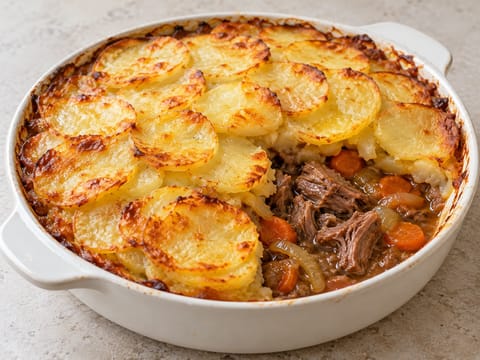
Lamb and onion hotpot with a golden sliced potato topping
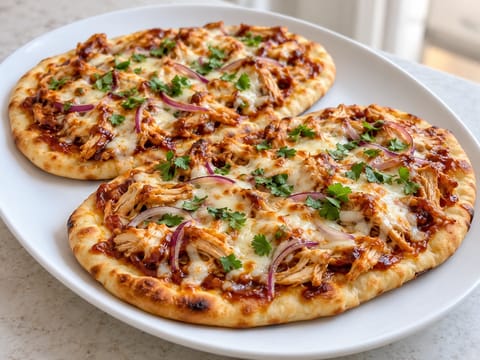
BBQ chicken flatbread with mozzarella and red onion
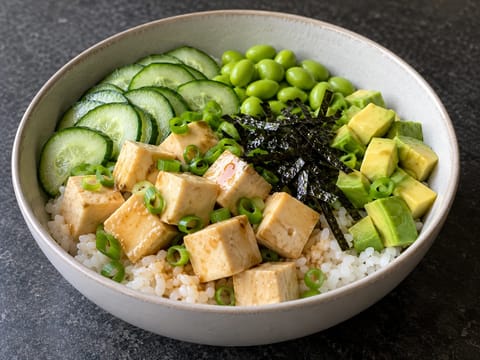
Tofu poke bowl with sushi rice, avocado and edamame.
They overlap in spirit, but one-pot usually means a deeper vessel where simmering and covered cooking are common. One-pan often implies a shallow pan where browning and evaporation are easier.
Resting gives flavours time to mingle and lets starches and fats settle, which can make the sauce taste more integrated. Not every dish improves, but many stews and bean-based pots do.
It depends on shape and timing. Many recipes add pasta later, keep the simmer gentle, and stop cooking while it is still slightly firm, letting it finish as the pot rests.
Not always. Browning adds roasted flavours, but some one-pot dishes rely on gentle cooking and seasoning instead. The recipe’s flavour base and cooking time usually determine whether browning matters.
Heat may be too high, the pot may be too thin, or the mixture may be too thick for the stage you are at. Stir, lower the heat, and add a splash of liquid if the recipe allows.
The most reliable one-pot dishes are clear about sequence: what builds the base, what simmers, and what is added at the end. Choose recipes that match your pot and your patience, and you will get the payoff of a cohesive dish with minimal washing up.
