
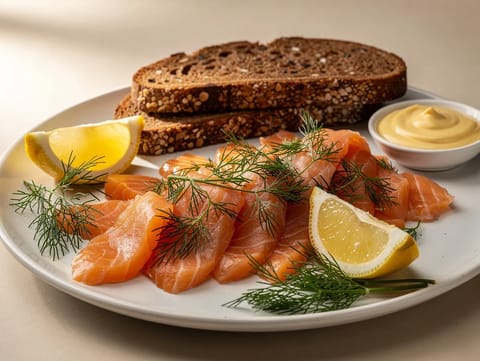
Gravlax Platter with Dill, Rye Bread and Mustard Sauce
Dill-cured salmon served with rye bread and mustard sauce

Raw recipes are defined less by heat and more by preparation: slicing, grating, pounding, blending and dressing ingredients so they taste finished without cooking. That can be as simple as a chopped salad, or as precise as a fish tartare where knife work and seasoning do the heavy lifting.
This is a useful place to start if you want low-fuss dishes, but it helps to know what “raw” does and does not promise, especially around texture, flavour balance and ingredient quality.
In cooking-method terms, raw means the dish is served without a cooking step that sets proteins or softens vegetables through heat. Many raw recipes still involve active preparation: salting to draw out moisture, marinating in citrus, pounding aromatics, or blending to change texture. You will often see crisp, clean flavours and a strong role for acids, oils and salt, because there is no browning to add depth.
Raw does not automatically mean cold, and it does not automatically mean quick. A dish can be raw yet require careful chopping, resting time for a dressing to mellow, or time for vegetables to soften slightly in salt and lemon.
Dill-cured salmon served with rye bread and mustard sauce
Tuna and salmon poke bowl with sushi rice, soy dressing and cucumber.
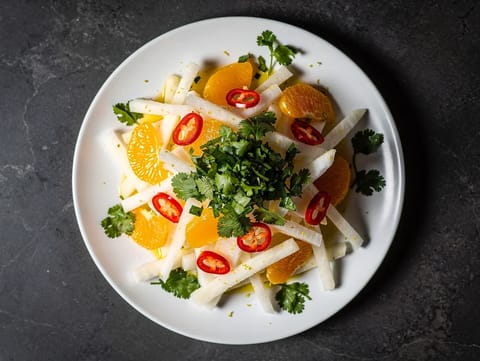
Crunchy jícama salad with orange, lime and chilli
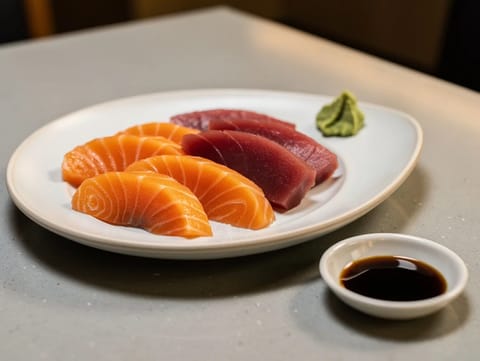
Thinly sliced sashimi with salmon and tuna
Ceviche bowl with lime-cured white fish, rice, avocado, cucumber, onion and coriander
French celeriac rémoulade with mayonnaise, Dijon mustard and lemon, served chilled
Raw methods suit ingredients that are pleasant to eat as they are: tender leaves, ripe tomatoes, cucumbers, soft herbs, fresh fruit, and good-quality fish or meat intended for raw service. The payoff is immediacy: bright aromatics stay vivid, and textures stay crisp.
The same approach can be less forgiving with fibrous vegetables, under-ripe fruit, or very lean proteins, which can read as dry or tough without heat. In those cases, raw recipes often rely on thin slicing, grating, or a brief cure or marinade to make the bite more yielding and the flavour more rounded.
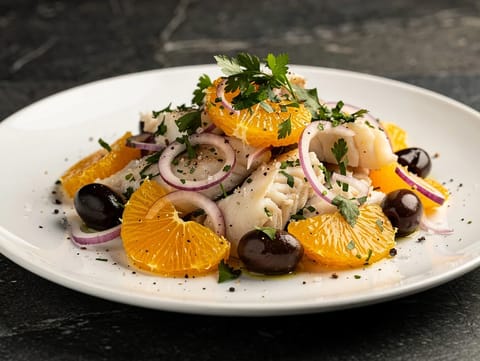
Orange and salt cod salad with red onion and olives
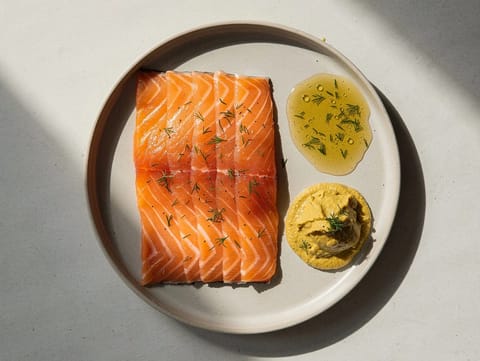
Cured salmon with dill, sliced thin and served with mustard sauce

Freshly squeezed orange juice served straight away
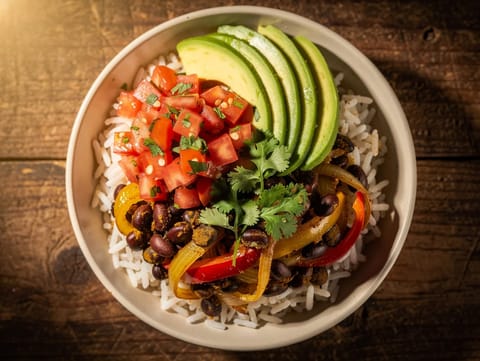
Veggie burrito bowl with black beans, peppers and avocado
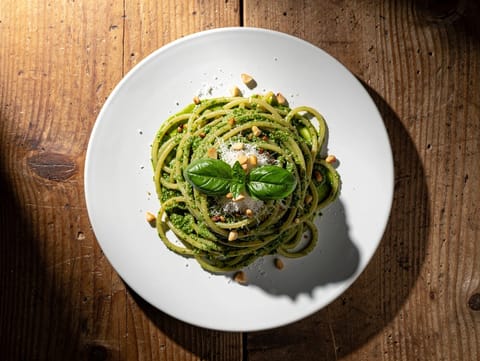
Spaghetti tossed with fresh basil pesto and Parmesan
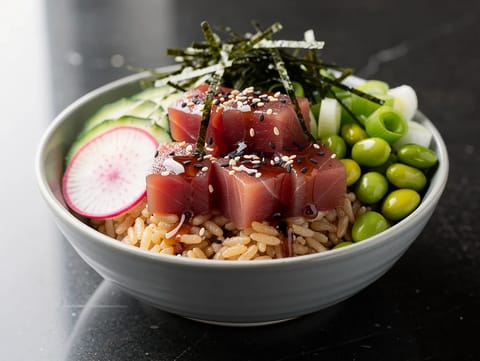
Sushi rice bowl with tuna, cucumber, edamame and nori.
Crunchy jícama salad with orange, lime and chilli
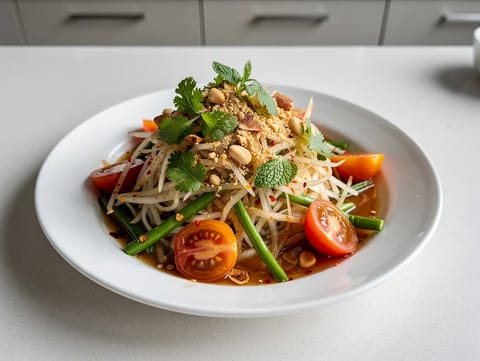
Som tam style green papaya salad with peanuts and herbs
Thinly sliced sashimi with salmon and tuna
Dill-cured salmon served with rye bread and mustard sauce
French celeriac rémoulade with mayonnaise, Dijon mustard and lemon, served chilled
Wasabi tuna poke over sushi rice with cucumber and radishes.
Cut size is your main “heat control”. Thin slices soften quickly in a dressing; chunky pieces stay crunchy and need more assertive seasoning. When a recipe uses onion, garlic or chilli, pay attention to how it is treated: finely chopped alliums can be harsh unless they are rinsed, soaked, or given time in acid.
Build flavour in layers. Season the main ingredient, then taste again after adding acid and oil, because acidity changes how salty something seems. If a dish includes nuts, seeds or crouton-like toppings, keep them separate until serving so the contrast stays sharp.
The most common issue is watery results. Many raw ingredients release liquid once salted or dressed, so recipes may ask you to salt briefly, drain, or dress at the last moment. Another is uneven seasoning: large pieces need more time with salt and acid, while finely cut ingredients can become over-seasoned quickly.
For raw proteins, temperature and freshness matter for both texture and safety. Use ingredients sold for raw consumption where that is the norm, keep them properly chilled, and follow the recipe’s handling guidance closely.
If you want truly hands-off options, explore Cooking time to find recipes that are quick to assemble versus those that benefit from curing or marinating. Equipment is also a helpful companion here: a sharp knife, mandoline or blender changes what “raw” can look like, from finely shredded salads to smooth chilled soups.
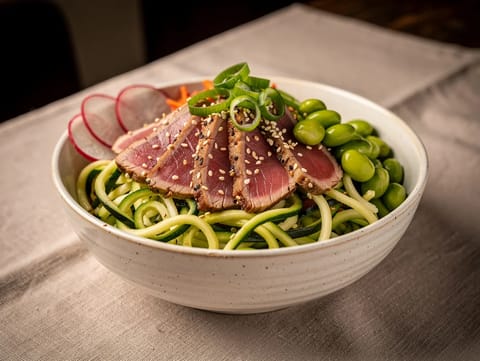
Tuna poke over courgette noodles with edamame and radishes.
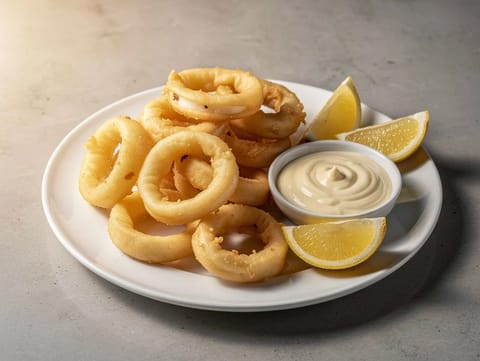
Crispy battered squid rings served with lemon and mayonnaise

Air fryer snickerdoodles rolled in cinnamon sugar and baked until puffed.
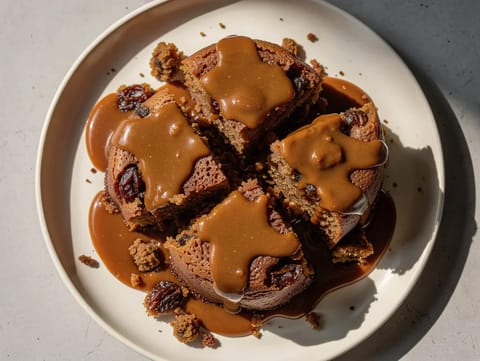
Warm date sponge pudding served with rich toffee sauce
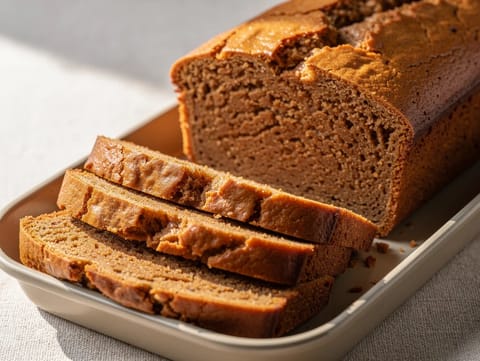
Moist spiced loaf cake made with brown sugar and milk
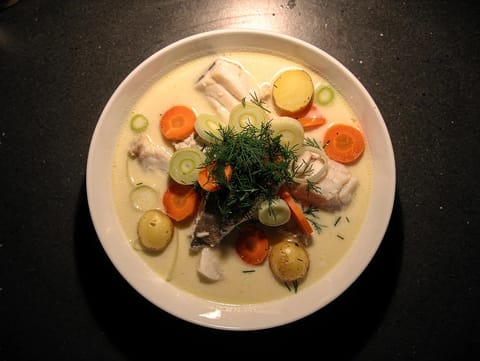
Light cod soup with leeks, potatoes, dill and lemon
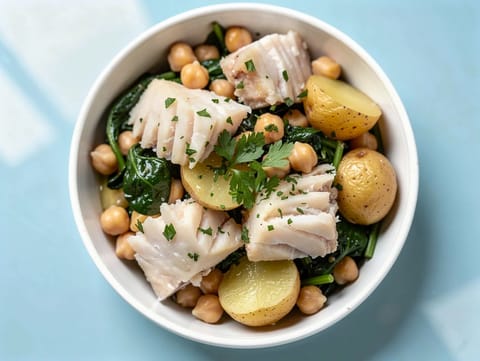
Poached cod with chickpeas, potatoes and spinach

Chilled rice drink blended with cinnamon, vanilla and sugar
Often, but not always. “Raw” describes the finished dish, not every component. Some recipes include toasted nuts, warmed spices, or a cooked element served alongside otherwise raw ingredients.
Marinating is a technique that can be used in raw dishes, but it is not required. A raw recipe might be dressed and served immediately, or it might use time in acid and salt to soften texture and mellow sharp flavours.
They often need clearer seasoning, because there is no browning or reduction to concentrate flavour. Salt, acid and aromatic ingredients tend to be more noticeable, so tasting as you go matters.
Salt and acidic dressings draw water out of vegetables and break down their structure. Dressing just before serving, or keeping watery ingredients separate until the end, helps maintain crunch.
Citrus can firm the surface and change the appearance, but it does not heat the fish. Treat it as a raw preparation and follow recipes that are written specifically for that style of dish.
The best raw dishes feel deliberate: the cut is right, the seasoning is balanced, and the texture has contrast. Start by picking recipes whose prep you can do comfortably, then use time and equipment as your guides for how refined the result will be.
