
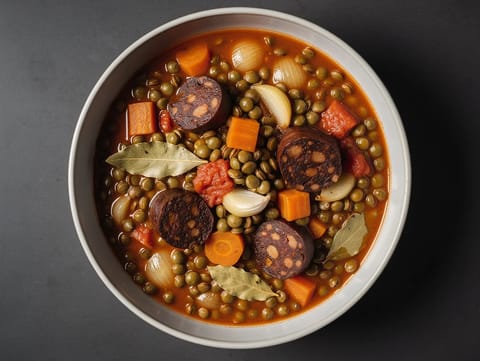
Lentejas con Chorizo y Morcilla (Spanish Lentil Stew)
Spanish lentil stew with chorizo and morcilla

Family dinner is rarely one fixed moment with one set of preferences. The most useful recipes here are the ones that tolerate interruptions, different appetites and small substitutions without falling apart. Look for dishes that can be served in the middle of the table, portioned easily, and adjusted at the end with toppings or sides. A family dinner can be simple or more involved, but it usually benefits from a clear plan for how everyone will eat, not just what you’ll cook.
If you need a calm service, favour traybakes, pasta bakes, stews and other dishes that can sit for a few minutes without losing their appeal. For picky eaters, recipes with separable components help: a base plus a sauce on the side, or a build-your-own format where vegetables, protein and toppings can be combined to taste. When you want to include more vegetables without a separate side, look for one-pot meals where vegetables cook into the sauce, or dishes that roast vegetables alongside the main element. If you’re feeding a mix of ages, keep heat and strong aromatics adjustable at the table rather than baked into the whole dish.
Spanish lentil stew with chorizo and morcilla
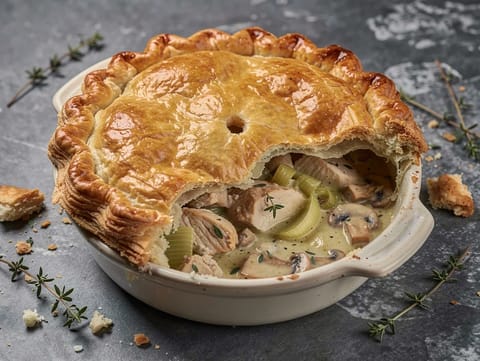
Chicken and leek pie with mushrooms and puff pastry

Crisp beef schnitzel topped with ham and melted mozzarella
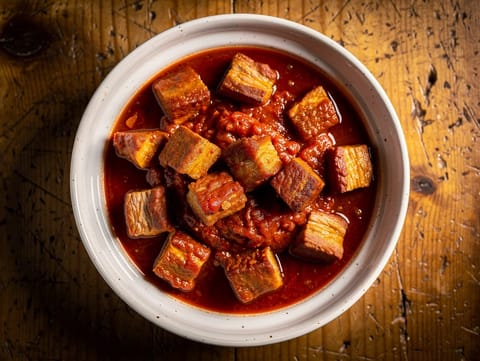
Pork simmered in a thick tomato and paprika sauce
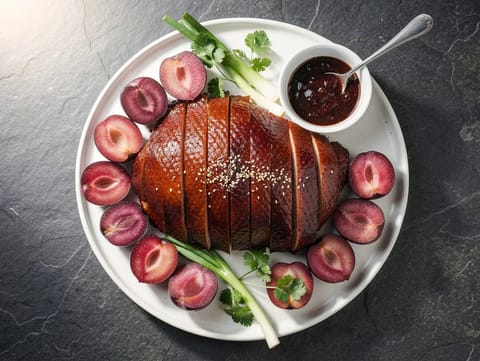
Cantonese roast duck with crisp skin and plum sauce

Chilean baked milk custard with a caramelised browned top
Season in layers. A well-salted base tastes complete, while chilli oil, hot sauce, grated cheese, herbs or toasted seeds can be offered as optional extras. Pay attention to texture: a crunchy salad, toasted breadcrumbs or roasted nuts can make soft foods feel more satisfying without changing the core recipe. Think about serving vessels too. A large platter or bowl encourages sharing and makes it easier to give someone a smaller portion without it looking like an afterthought. If timing is unpredictable, keep the last step simple, such as reheating, dressing a salad, or finishing with a squeeze of lemon.
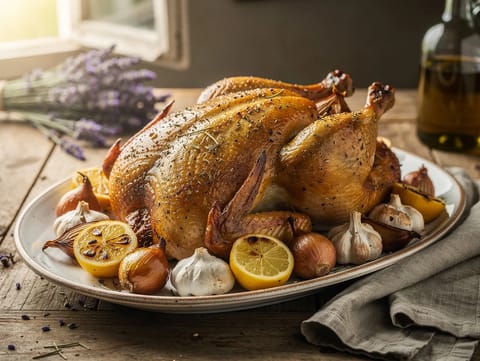
French roast chicken with herbs and lemon

Slow-cooked pork carnitas braised with orange and spices
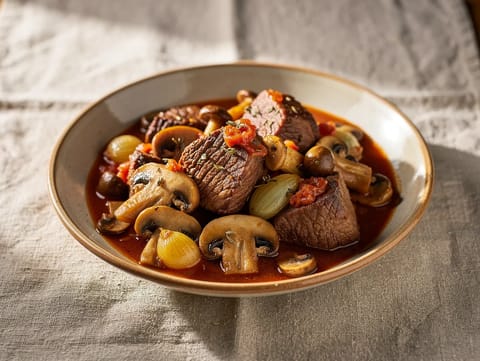
Wild boar and mushroom stew braised with red wine
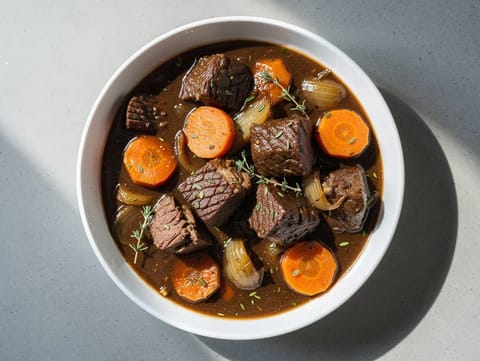
Beef and Guinness stew with carrots and crusty bread
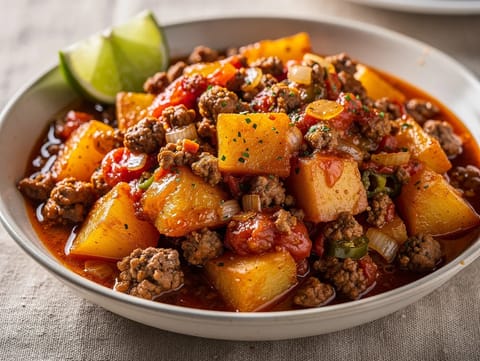
Mexican minced beef and potato stew with tomatoes and spices
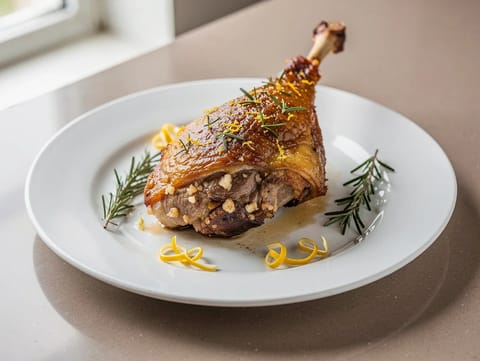
Leg of lamb roasted with garlic and rosemary.
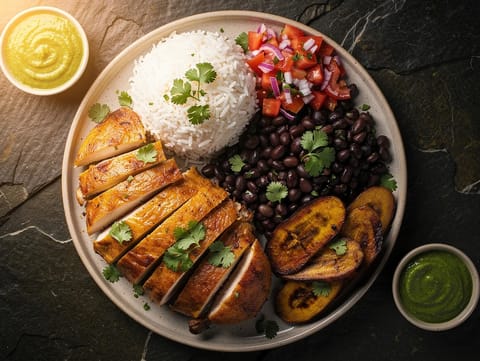
Roast chicken with rice, beans, plantain, and salsa.

Thai pineapple fried rice with prawns, egg and spring onion

Pan-fried gammon steak with parsley sauce and buttered peas
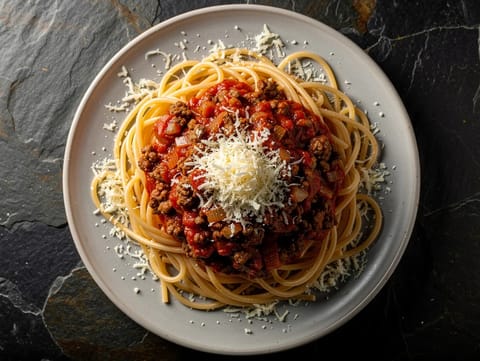
Greek spaghetti with minced beef, tomato and cinnamon
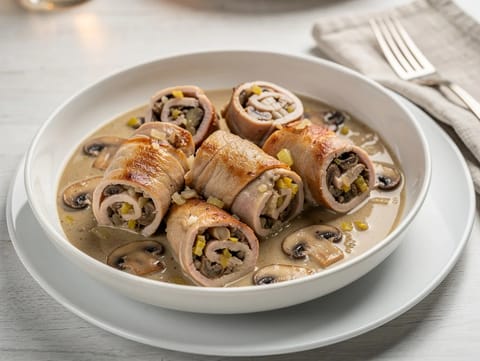
Polish pork rolls filled with mushrooms and onion

Chicken tinga on crisp tostadas with avocado and crema
A family dinner often works best when the meal has an obvious centre and one or two supporting pieces. If the main is saucy, you’ll usually want something to catch it: rice, pasta, potatoes or bread. If the main is dry-roasted, a sauce, yoghurt dressing or gravy can make serving easier and help leftovers stay pleasant. Add one fresh element for contrast, even if it’s as simple as sliced cucumbers, tomatoes, or a bagged salad dressed well. Dessert, if you want it, can be uncomplicated: fruit, yoghurt, or a bake that can be portioned without ceremony.
Meal time can help when you’re deciding whether you want a lighter early-evening meal or something more substantial later on. Collections are also useful for narrowing in on family-friendly formats, such as one-pot cooking or recipes that scale without extra complexity.

Pimm’s Cup with lemonade, cucumber, fruit and fresh mint

Chilled cinnamon and citrus custard with a caramelised sugar crust

Cured salmon with dill, sliced thin and served with mustard sauce

Thin, crisp speculoos biscuits with warming spices

Soft French omelette with chives, parsley and tarragon
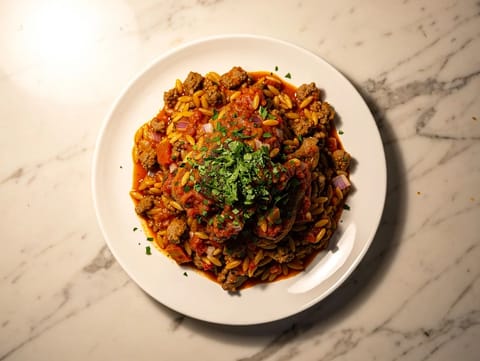
Orzo tossed with rich minced lamb ragù and warm spices
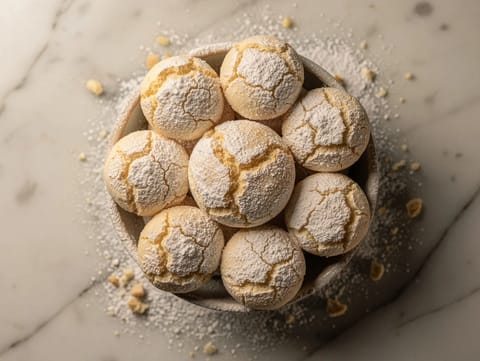
Soft almond macaroons with a crisp icing sugar crust

Crisp churros rolled in cinnamon sugar with chocolate dipping sauce
It usually serves easily, doesn’t rely on perfect timing, and can be adjusted for different preferences. Recipes with optional toppings or sides are particularly adaptable.
Build flavour into the base with aromatics and seasoning, then offer heat separately. Chilli flakes, hot sauce, chilli oil or fresh chillies let people adjust their own plates.
Not necessarily. The common thread is shared eating. Platter meals, bowls and help-yourself serving can work just as well as plated food.
Choose recipes where vegetables cook into the main dish, or roast them on the same tray. Sauces, soups and stews are especially good at carrying extra vegetables.
Pick dishes that hold well, such as bakes, stews and many pasta dishes. Keep crisp elements, like salads or toasted toppings, separate until serving.
Use a shared base and vary the finish. A mild main plus optional toppings, sauces and sides can satisfy different eaters without doubling the work.
The best family dinner recipes are the ones that still work when plans change. Choose a dependable main, keep the contrasts simple, and let toppings and sides do the fine-tuning at the table.
