
Tamales (Corn Dough Parcels with Pork and Red Chilli Sauce)
Why this recipe works
- Classic steaming method: Wrapping masa in soaked corn husks and steaming it upright helps the dough set gently while keeping it moist.
- Deep savoury filling: Pork simmers with onion, garlic, guajillo chilli, cumin and oregano until the stock reduces into a thick red sauce.
- Good for planning ahead: Tamales reheat well by steaming, making them practical for batch cooking, freezing or serving to a group.
Get the most out of this recipe
Timing notes
- Allow time for assembly: Most of the work is in soaking the husks, preparing the filling and spreading the masa, so set up the steamer and workspace before shaping.
- Rest before serving: Keeping the tamales covered off the heat for 10 minutes helps the masa firm up and peel cleanly from the husks.
Texture tips
- Aim for spreadable masa: The dough should feel soft and spreadable, similar to thick mashed potato; if it cracks, loosen it gradually with warm stock.
- Steam steadily, not aggressively: A steady simmer cooks the parcels evenly and reduces the risk of the pot drying out before the masa has set.
Adjust the heat
- For less heat: Reduce the guajillo chilli powder slightly and balance the filling with extra lime at the table.
- For more heat: Add a hotter chilli powder alongside the guajillo, keeping the same simmering method so the sauce stays thick and spoonable.
Make-ahead tips
- Freeze after steaming: Cool cooked tamales completely, wrap well and freeze; defrost overnight in the fridge before reheating.
- Reheat with steam: Steam refrigerated or defrosted tamales until piping hot throughout to restore the soft, moist texture of the masa.
Equipment you'll need
Ingredients
Red chilli pork filling
Masa and assembly
To serve
Instructions
- Soak the corn husks in very hot water for 45 minutes until pliable, keeping them submerged. Drain well and keep covered with a clean tea towel so they stay soft while you work.
- Finely chop the onion and crush the garlic. Heat 2 tbsp lard in a saucepan over medium heat, then cook the onion with a pinch of the salt for 6 to 8 minutes until softened.
- Add the minced pork and cook for 8 to 10 minutes, breaking it up, until no longer pink. Stir in the garlic, guajillo chilli powder, cumin and oregano and cook for 1 minute until fragrant.
- Pour in 750 ml chicken stock and bring to a gentle simmer. Cook for 35 to 45 minutes, stirring occasionally, until the pork is tender and the liquid has reduced to a thick, spoonable red sauce; season with 1 tsp of the salt.
- While the filling simmers, make the masa. In a mixing bowl, whisk 120 g lard until lighter and creamy, about 2 minutes.
- Add the masa harina and the remaining 1 tsp salt, then mix well. Gradually work in 450 ml warm chicken stock until you have a soft, spreadable dough that holds its shape; it should feel like thick mashed potato.
- Set up a steamer in a large pot with a good depth of water that sits below the steaming rack, then bring to a steady simmer. Tear a few soaked husks into thin strips for tying.
- Lay a husk smooth side up and spread about 2 tbsp of masa over the centre, leaving a border at the sides and the top. Spoon a line of pork filling down the middle, then fold the sides in to enclose the filling and fold the narrow end up; tie with a strip if needed.
- Stand the tamales upright in the steamer with the open ends facing up, packing them snugly so they do not unravel. Cover and steam for 60 to 70 minutes, topping up with boiling water as needed, until the masa is set and pulls cleanly away from the husk.
- Rest the tamales off the heat, covered, for 10 minutes to firm up. Serve hot with lime wedges and scatter over fresh coriander.
Recipe notes
Tips
- If the masa feels stiff or cracks as you spread it, mix in a little more warm chicken stock, 1 tbsp at a time, until it spreads easily.
- Keep the steamer at a steady simmer rather than a hard boil so the tamales cook evenly and the water does not evaporate too quickly.
- Food safety: make sure the pork is cooked through and piping hot before filling the tamales, and reheat leftovers until piping hot throughout.
Substitutions
- Replace chicken stock with vegetable stock for a lighter, less meaty base while keeping the same method.
- Replace lard with olive oil for a different richness; the masa will be less traditional and slightly less tender.
Storage
- Refrigerate up to 3 days
- Cool tamales completely, then refrigerate in a sealed container. Reheat by steaming for 10 to 15 minutes until piping hot, or microwave covered with a splash of water. Freeze cooled tamales well wrapped; defrost overnight in the fridge and re-steam until piping hot.
Ratings & reviews
Liked this recipe? Share your feedback to support our cooking community.
Tried this recipe?
Choose 1–5 stars. A comment is optional.
Stay inspired
Discover new recipes, seasonal favourites and cooking inspiration every day. Follow JustRecipes on Pinterest and Spillt.
Recipe overview
- Servings: 4 servings
- Total time: 3h 30min (1h 10min active)
- Difficulty: Advanced
- Cuisine: Latin American
Plan your meals and get a complete grocery list automatically.
Add to meal plannerEquipment you'll need
Got ingredients left?
Find recipes using ingredients from this recipe or what you already have at home.
Find recipes with these ingredients →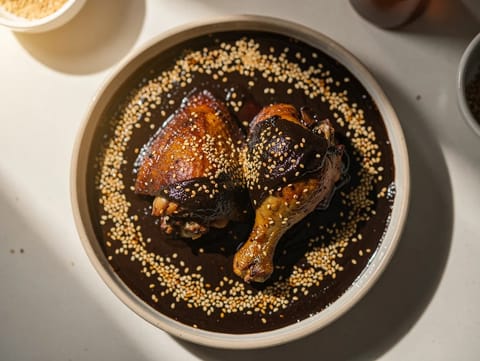
Pollo en Mole Negro Oaxaqueño (Chicken in Oaxacan Black Mole)
Chicken served with Oaxacan mole negro and sesame seeds
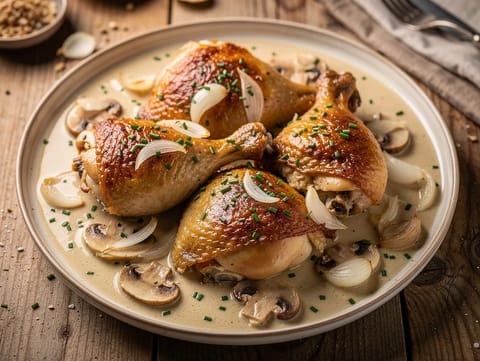
Hähnchen in Rieslingsoße (Chicken Braised in Riesling)
Chicken braised in Riesling with mushrooms
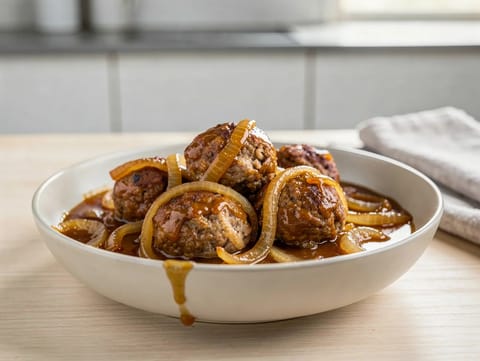
Boulets à la Liégeoise (Liège Meatballs in Sweet-Sour Onion Sauce)
Liège meatballs simmered in sweet-sour onion sauce
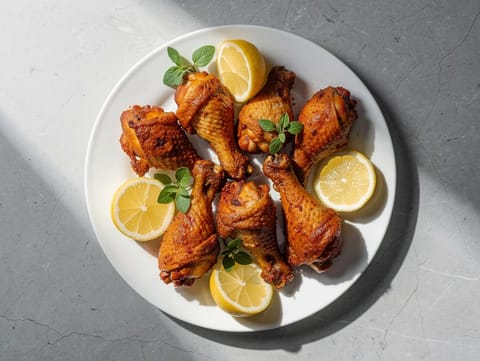
Air Fryer Spicy Chicken Drumsticks
Spiced chicken drumsticks air-fried until crisp and juicy.
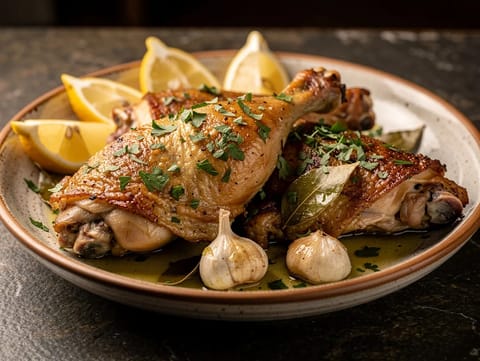
Pollo al Ajillo (Garlic Chicken in White Wine)
Spanish garlic chicken simmered in olive oil and white wine

Air Fryer Italian Meatballs
Air-fried Italian meatballs with parmesan, garlic and marinara sauce.
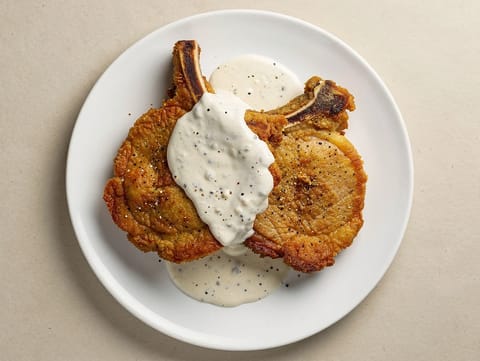
Country-Fried Pork Chops with White Gravy
Crisp pork chops topped with peppery white gravy
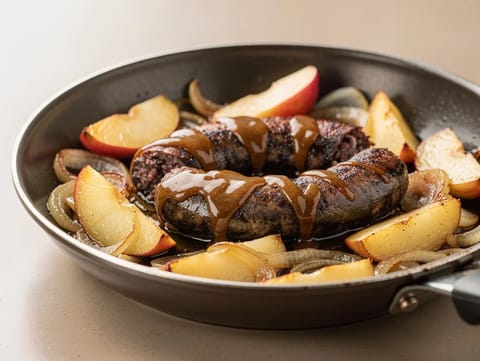
Boudin Noir met Appels (Blood Sausage with Apples)
Pan-fried blood sausage with buttery apples and onions
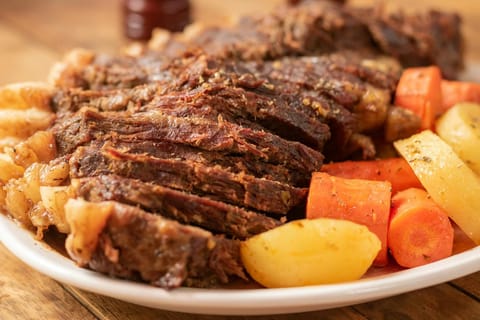
Yankee Pot Roast (Braised Beef Brisket with Vegetables)
Braised beef brisket with carrots, potatoes and gravy
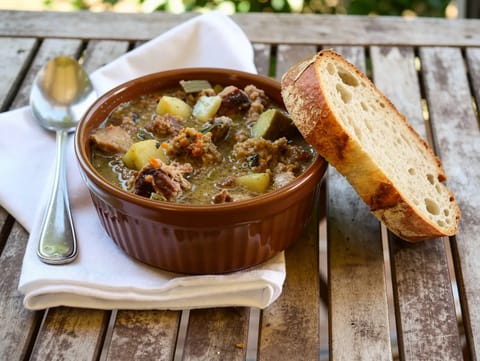
Cordero a la Pastora (Spanish Lamb Stew with Potatoes and Peppers)
Spanish lamb stew with potatoes and red pepper
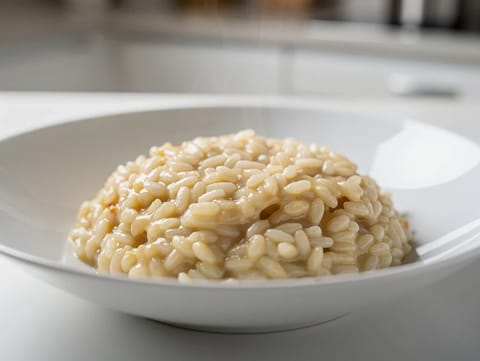
Risotto allo Champagne (Creamy Champagne Risotto with Parmesan)
Creamy Champagne risotto finished with Parmesan
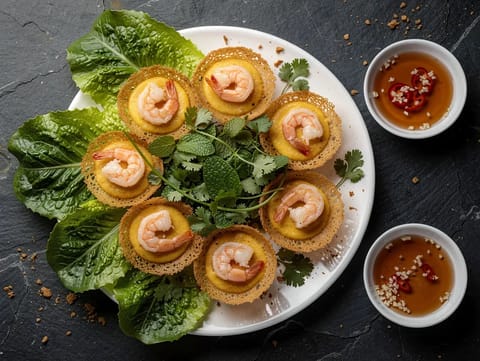
Banh Khot (Mini Savoury Pancakes with Prawns)
Crisp mini pancakes with prawns, coconut milk, turmeric and herbs
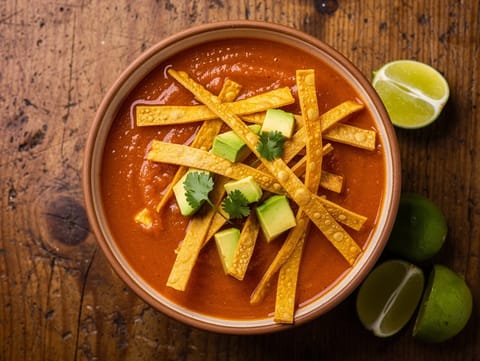
Sopa de Tortilla (Tomato and Tortilla Soup with Avocado and Lime)
Tomato tortilla soup topped with crisp strips, avocado and lime
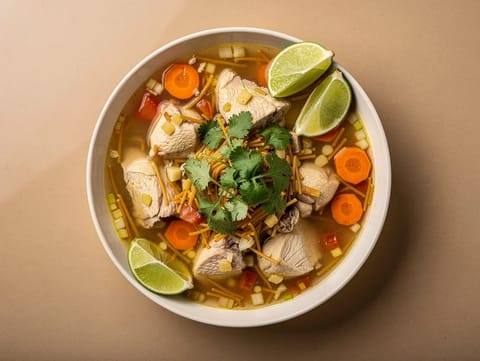
Sopa de Pollo con Fideos (Mexican Chicken Noodle Soup)
Mexican chicken noodle soup with tomato broth and fideo noodles
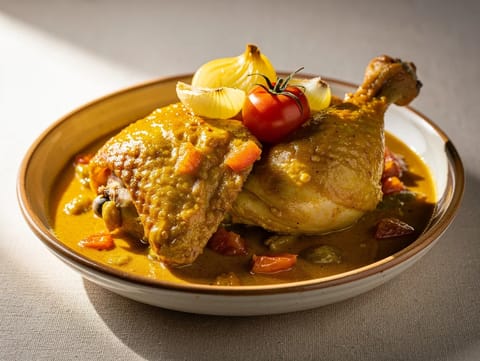
Pollo en Mole Amarillo Oaxaqueño (Chicken in Yellow Mole)
Chicken in smooth mole amarillo thickened with masa harina
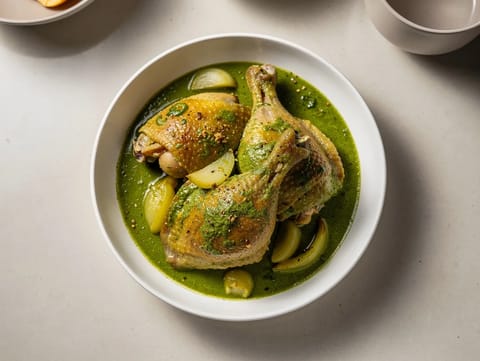
Seco de Pollo (Peruvian Coriander Chicken Stew)
Peruvian coriander chicken stew with a bright green gravy
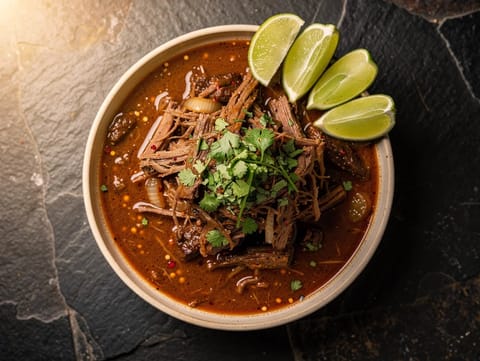
Barbacoa de Res (Slow-Cooked Beef in Chilli and Lime Broth)
Slow-cooked beef in a chilli and lime broth
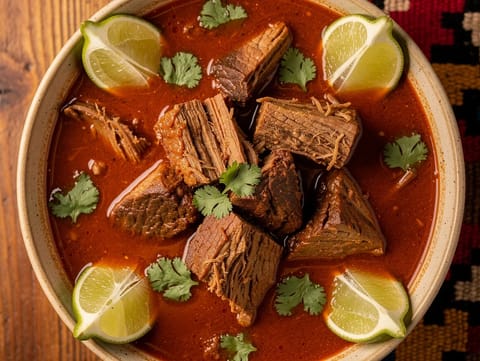
Birria de Res (Mexican Braised Beef Stew)
Mexican beef stew braised in chilli and tomato sauce
You might also like
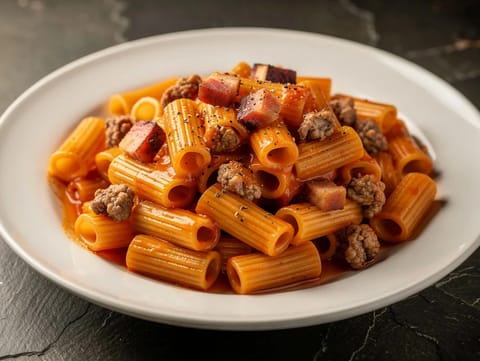
Pasta alla Zozzona (Roman Sausage and Egg Pasta)
Roman pasta with sausage, guanciale, eggs and pecorino
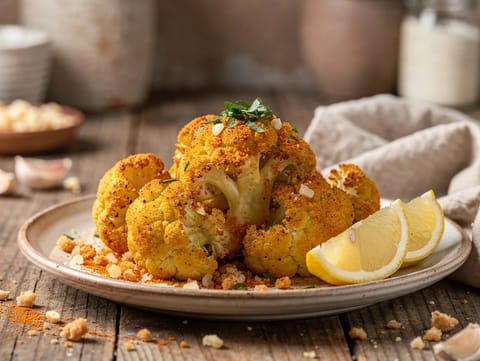
Oven-Baked Cauliflower with Garlic, Paprika and Breadcrumbs
Oven-baked cauliflower with garlic, paprika and breadcrumbs
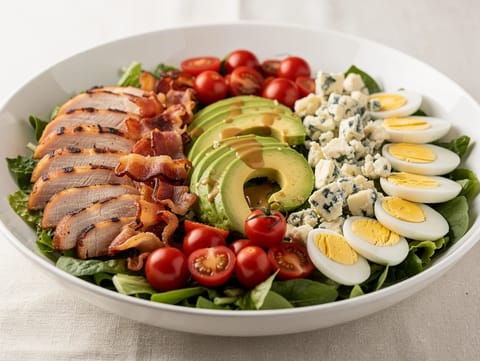
Classic Cobb Salad
Cobb salad with chicken, bacon, avocado, eggs and blue cheese

Bolo Rei (King’s Cake)
Portuguese sweet ring bread with candied peel and raisins
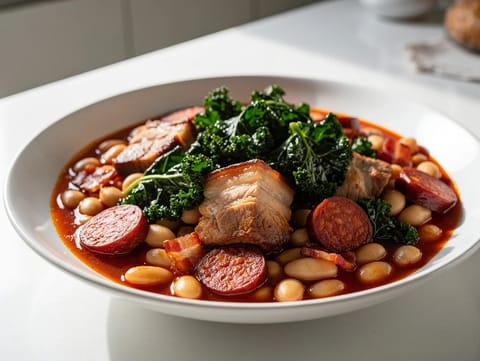
Feijoada à Portuguesa (Portuguese Bean Stew with Pork and Chorizo)
Portuguese white bean stew with pork belly, chorizo and bacon
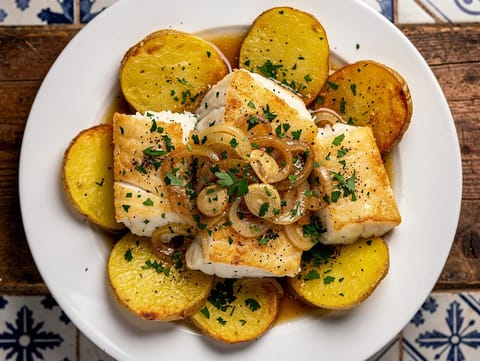
Bacalhau à Minhota (Salt Cod with Onions and Fried Potatoes)
Pan-fried salt cod with onions and fried potatoes
Make this recipe easier next time
AdvertisementThese tools help you get better results with less effort.
KitchenAid Stainless Steel Mixing Bowls
- Non-slip base
- Stainless steel
- Not microwave safe
T-fal Specialty Nonstick Handy Pot with Glass Lid 3 Quart
- Easy food release
- Dishwasher safe
- Not induction compatible
OXO Good Grips Stainless Mixing Bowl Set
- Non-slip base
- Comfort grip
- Higher price
WMF Mini Saucepan 16 cm with Lid
- High-quality stainless steel
- Even heat distribution
- Higher price point
Enjoy cooking with JustRecipes?
Add JustRecipes as one of your preferred Google sources to discover our recipes more easily across Google Search.
Add JustRecipes to GoogleEvery recipe on JustRecipes follows the same structured editorial process. Learn how recipes are created, validated, translated, illustrated, and continuously improved across the platform. How we create recipes.
