
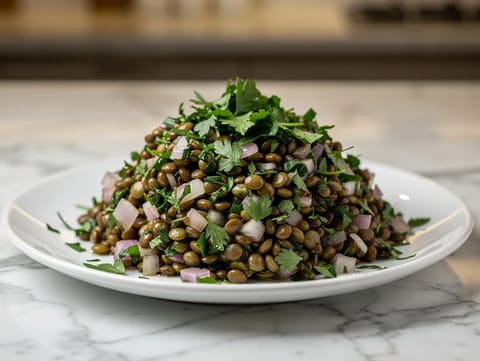
Salade de Lentilles du Puy (French Lentil Salad with Mustard Dressing)
Warm French lentil salad with mustard dressing, shallot and parsley
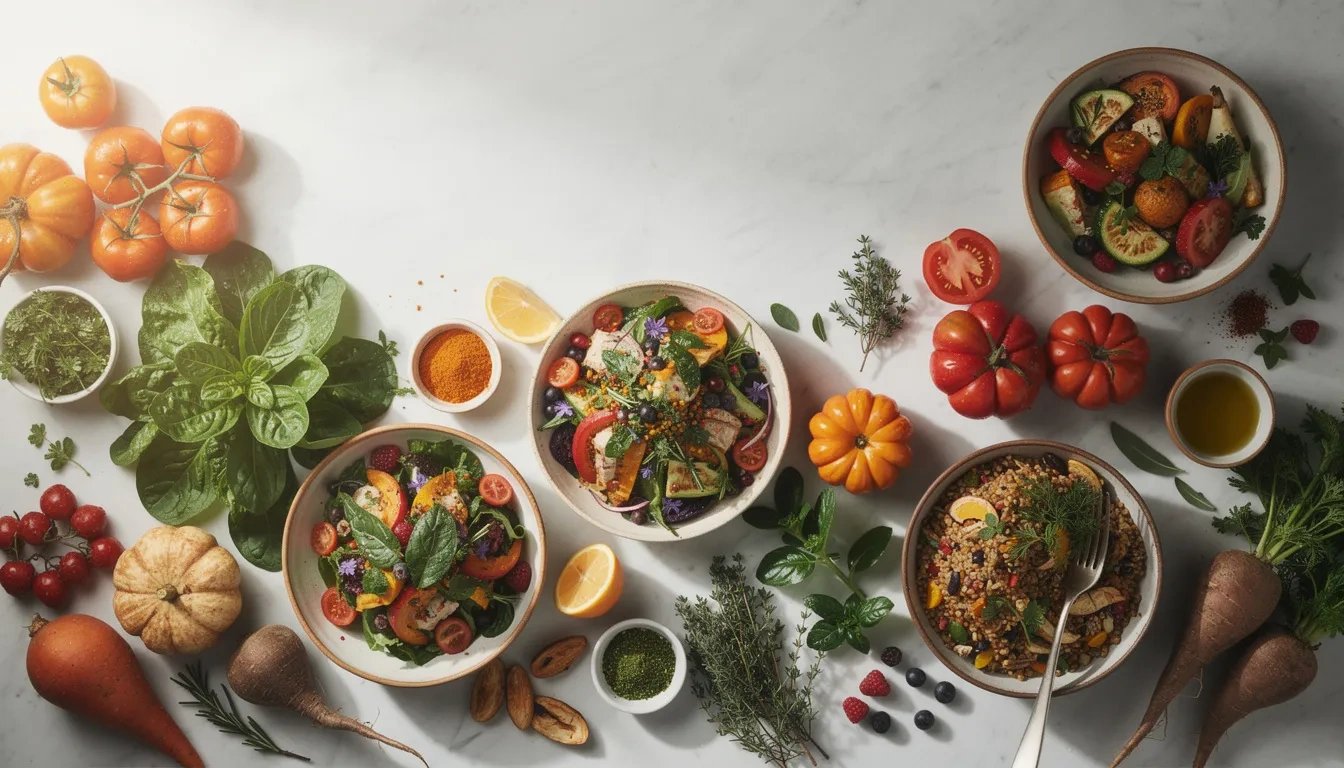
Year-round recipes are the ones you can return to without waiting for a particular month. They tend to be filling, adaptable and easy to plan around, because you can swap vegetables, adjust the level of richness, or change what you serve alongside. This is the place to look when you want dependable cooking that fits real life: dishes that scale up, travel well from hot to room temperature, and still taste like themselves even when you make small seasonal changes.
A year-round recipe is defined by flexibility rather than a fixed set of seasonal ingredients. It may use pantry staples, widely available produce, or techniques that work with many substitutions. That does not mean the food is bland or generic. Often, these recipes have a strong underlying structure: a reliable sauce, a well-balanced spice blend, a proven baking ratio, or a method such as roasting, braising or stir-frying that can accommodate what you have. Year-round also does not mean identical results every time. Tomatoes in winter behave differently from tomatoes in August, for example, so the recipe may rely more on seasoning, cooking down, or using tinned ingredients when fresh ones are less flavourful.
Warm French lentil salad with mustard dressing, shallot and parsley
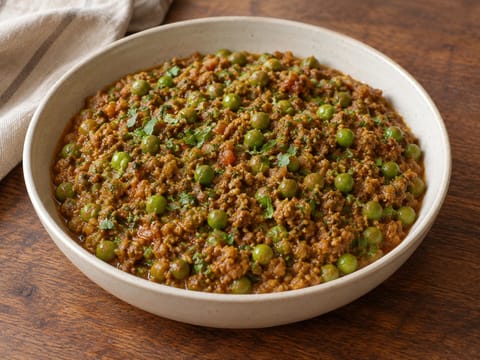
Spiced minced lamb curry with peas

Cajun chicken étouffée with dark roux served over rice
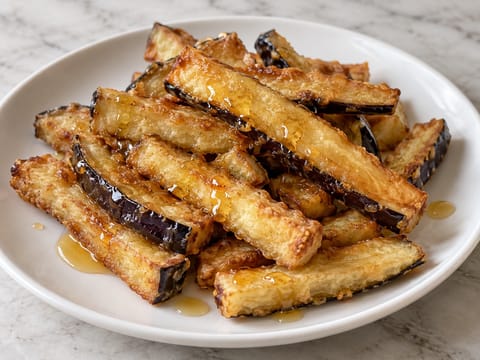
Crisp fried aubergine batons finished with honey and salt

Pan-fried pork with lemon and mustard sauce
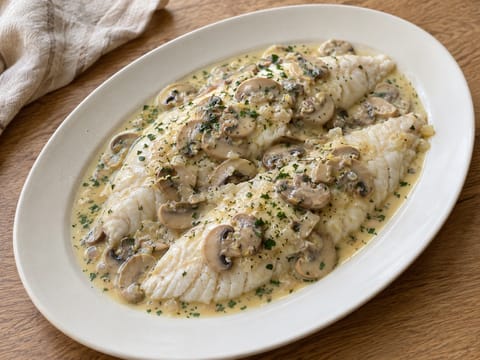
Sole fillets cooked with mushrooms, shallots and white wine
If you want cooking that supports the week, look for recipes that scale: soups, stews, bean pots, pasta sauces and traybakes are often straightforward to make in larger quantities. For flexible meals, choose formats that welcome add-ons, such as bowls, salads with a sturdy base, or bakes where you can change the vegetables and keep the same topping or sauce. When you need something filling, recipes built around pulses, grains, potatoes, noodles or rice tend to be dependable, because they hold their texture and carry flavour. If you want a lighter year-round direction, choose dishes where the richness is optional, such as a sauce served on the side, or a base recipe that can be finished with herbs, citrus and crunchy vegetables.

Gluten-free almond cake with lemon zest and icing sugar
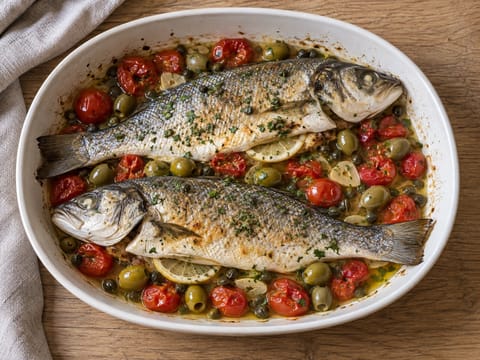
Baked sea bass with olives, capers and cherry tomatoes
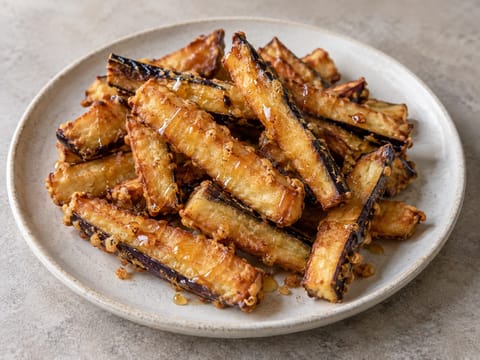
Crisp fried aubergine batons drizzled with cane honey
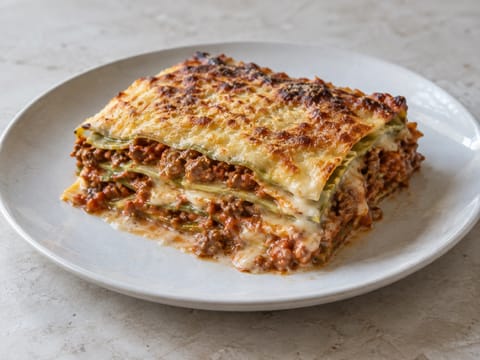
Spinach pasta lasagne with beef and pork ragù and béchamel
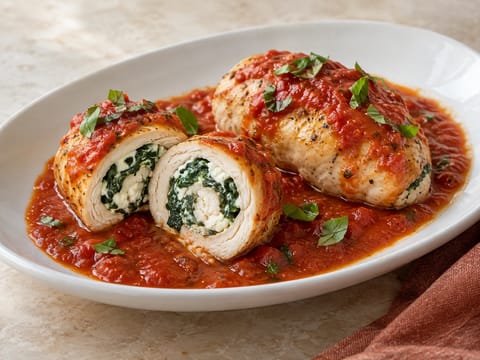
Chicken rolls with spinach and ricotta in tomato sauce
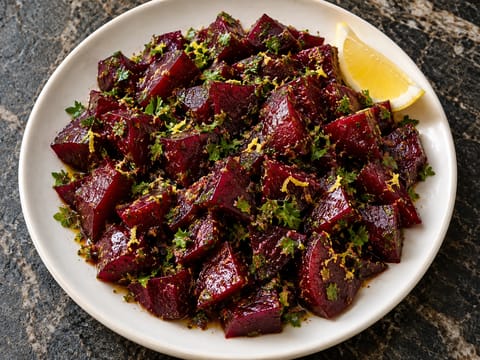
Beetroot salad with lemon, cumin and fresh parsley

Milk-soaked sponge cake with whipped cream and cinnamon
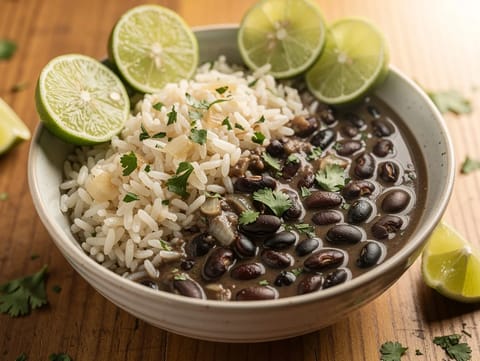
Rice with creamy black beans, lime and coriander
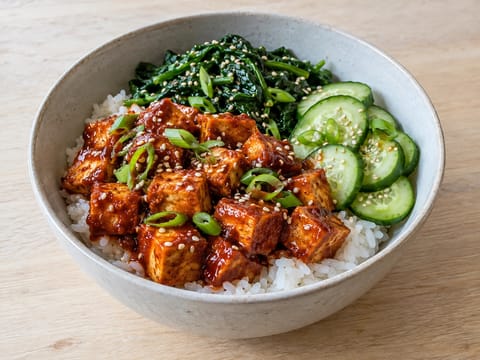
Gochujang-glazed tofu bowl with rice, spinach and cucumber
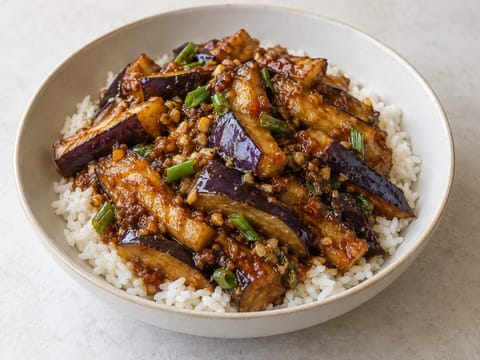
Sichuan-style aubergine with garlic sauce

Matcha castella sponge cake with honey

Creamy paneer curry with tomato, cashews and warm spices
Year-round cooking often leans on ingredients that provide consistent flavour: onions and garlic, dried herbs and spices, tinned tomatoes, stock, soy sauce, vinegars and mustards. These are the quiet workhorses that make seasonal swaps possible. Texture is another constant. A crunchy topping (toasted nuts, breadcrumbs, seeds), a creamy element (yoghurt, cheese, tahini), and a sharp note (lemon, pickles, vinegar) can be mixed and matched across many dishes. When fresh produce is at its best, you can keep cooking minimal and let it shine. When it is not, longer cooking, roasting, or using preserved forms such as tinned, frozen or dried ingredients can bring back intensity without relying on out-of-season flavour.
Ingredient browsing pairs well with year-round cooking because it helps you adapt a staple recipe to what is available right now, fresh or preserved. Cooking time is also a practical companion when you are planning ahead, since the same dependable dish can exist in quick and slow-cooked versions.
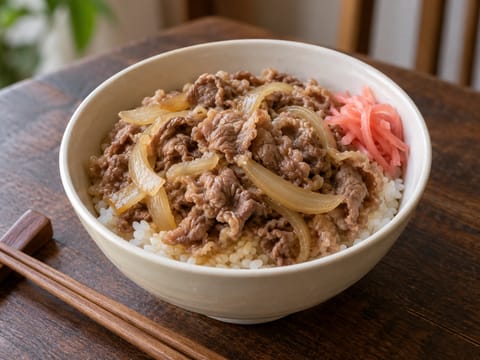
Beef and onion simmered in dashi over sushi rice
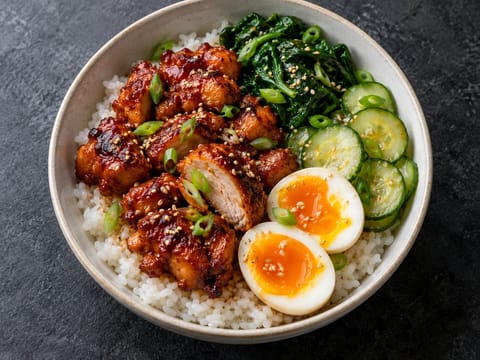
Rice bowl with gochujang chicken, cucumber, spinach and egg

Thin Nordic gingerbread biscuits with warm spices

Greek honey doughnuts topped with walnuts and cinnamon
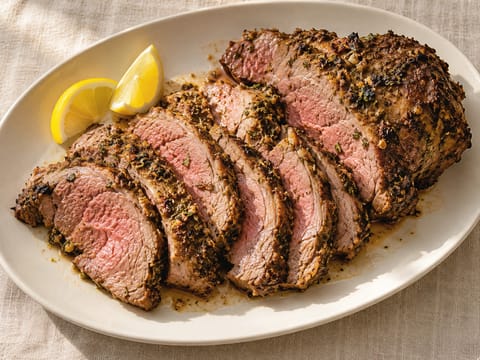
Air-fried lamb with garlic, lemon and herbs.

Slow-roasted pork shoulder with crisp crackling and apple sauce

Toasted club sandwich with smoked turkey, avocado and bacon

Chicken thighs simmered in coconut milk with warming spices
Often they are pantry-friendly, but the key feature is adaptability. Many year-round dishes work with fresh, frozen or tinned ingredients, depending on what you have.
Change the vegetables and the finishing touches. Herbs, citrus, crunchy salads and lighter sauces can make a dish feel spring-like, while roasting, spices and richer toppings can make it feel more wintry.
Not necessarily. Some year-round recipes are fast, others are slow-cooked. What they share is reliability and a method that still works when ingredients vary.
Dishes cooked in a pot or a tray are usually simplest: soups, stews, braises, bean dishes, pasta sauces and traybakes. They tend to reheat and portion predictably.
Rotate the contrast elements: swap the garnish, change the sauce, or add a different crunchy topping. Small changes in acidity, herbs and texture can make the same base feel new.
Year-round recipes earn their place by being adaptable. Choose a few solid formats you can scale and vary, then let seasonal ingredients and finishing touches do the changing.
