
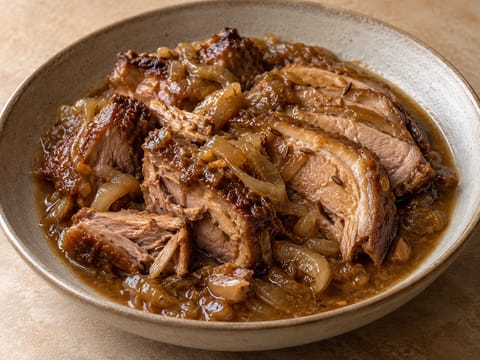
Beer-Braised Pork Shoulder
Pork shoulder slow-braised in lager with onion and caraway
Over an hour covers very different kinds of cooking. Sometimes it’s long and gentle heat that tenderises and concentrates flavour; sometimes it’s a project with several stages; sometimes it’s waiting time for resting, cooling or setting. The useful comparison is not just “how long”, but what the recipe asks of you during that time. This page helps you choose between recipes that need attention and those that mostly look after themselves, and to spot which ones can be made ahead without losing their character.
Long cooking times usually come from one of three places: slow heat, staged processes, or built-in waiting. Slow heat includes braises, slow-roasts and steady simmers where texture changes gradually. Staged processes include dishes with separate components, such as a sauce plus a baked element, or recipes that ask you to cook, then finish under the grill.
Waiting time can be just as important: resting meat so juices settle, letting a bake cool before slicing, or allowing a dessert to set. These steps are not always “extra”; they can be what makes the final texture workable.
Over 60 minutes does not automatically mean difficult, but it often rewards organisation, because small delays compound over a longer timeline.
Pork shoulder slow-braised in lager with onion and caraway
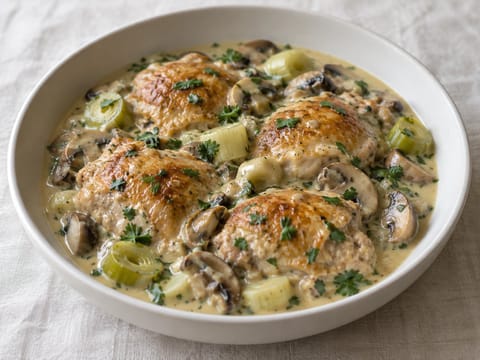
Chicken fricassée with mushrooms in a white wine cream sauce
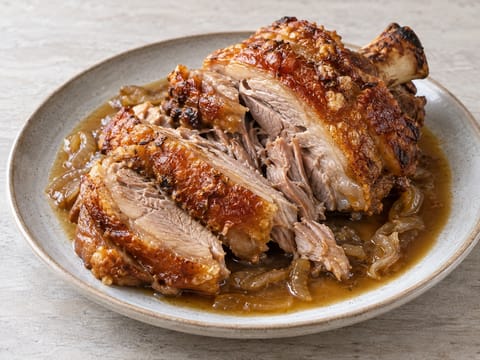
Roasted pork knuckle with garlic, caraway, crisp crackling and gravy
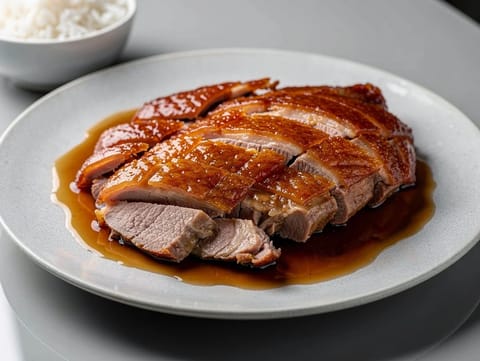
Cantonese roast duck with crisp skin
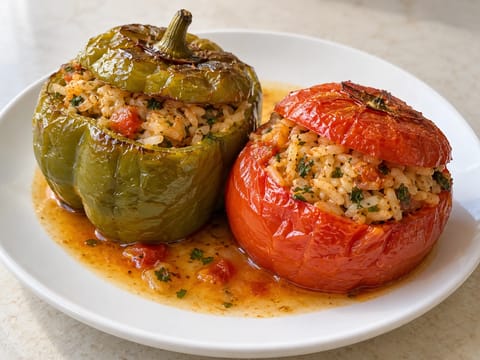
Peppers and tomatoes stuffed with herby rice and baked
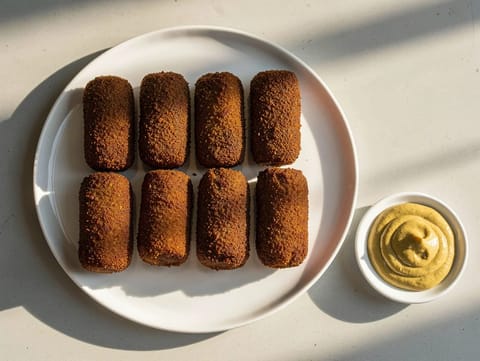
Dutch beef ragout croquettes with a crisp breadcrumb coating
If you want a low-attention cook, look for recipes where the long stretch is oven time or a gentle simmer. These often suit one-pot or one-tray formats, with a short burst of prep at the start and a check-in near the end.
If you enjoy a hands-on project, choose recipes with distinct stages: browning, building a sauce, assembling, then baking. They can be satisfying, but they are less flexible if you need to step away.
For make-ahead cooking, favour dishes that improve or hold: many stews, sauces and slow-cooked dishes reheat well, and some bakes are easier to portion once cooled. Recipes that depend on crisp crusts, puffed batters, or delicate foams are usually best closer to serving, even if parts can be prepared earlier.
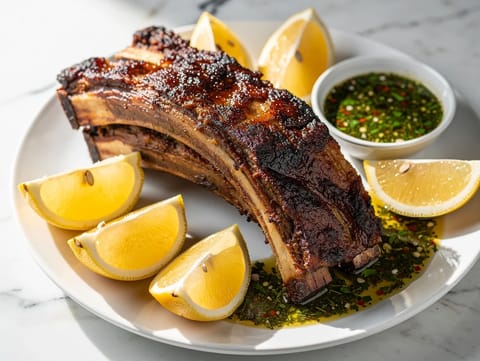
Slow grilled beef short ribs served with chimichurri
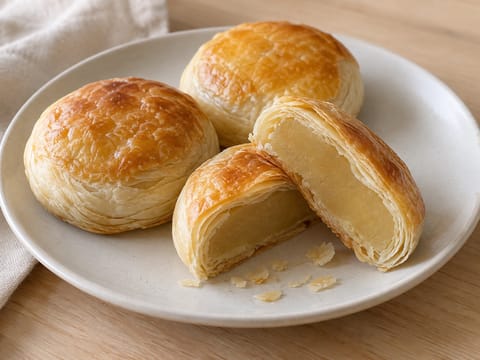
Flaky baked pastries filled with sweet mung bean paste

Baked mooncakes with golden syrup crust and mung bean filling
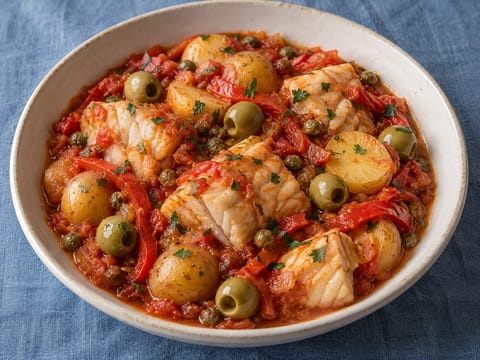
Salt cod stew with potatoes, olives and capers
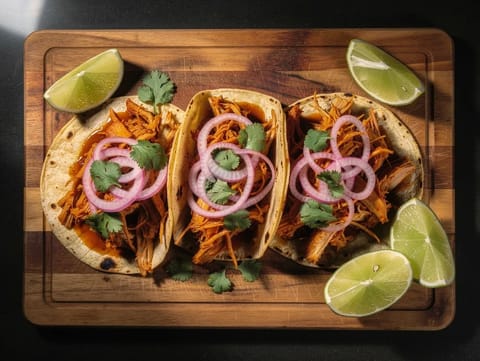
Yucatán slow-roasted pork served in corn tortillas with pickled onions
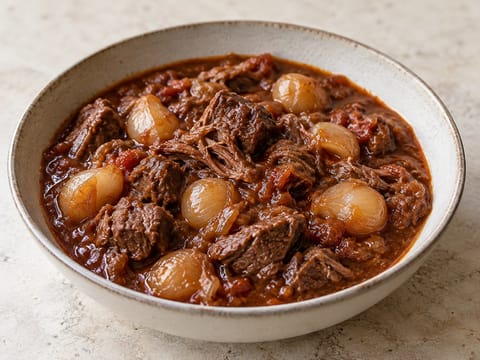
Greek slow-cooked beef stew with pearl onions and warm spices
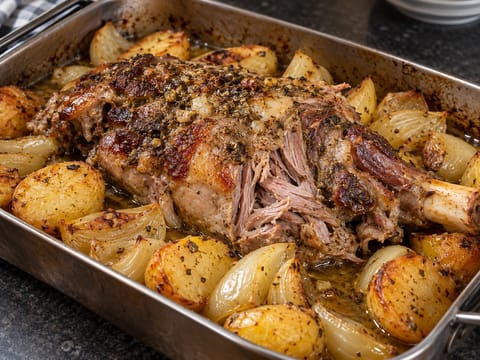
Greek slow-roasted lamb with lemon, oregano and potatoes
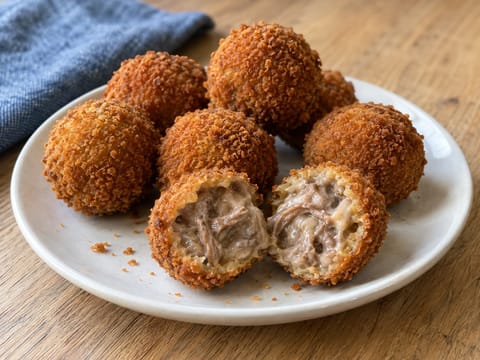
Dutch beef ragout balls, breaded and fried until crisp
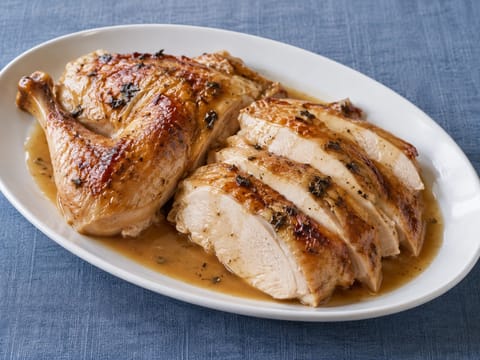
Roast capon with garlic and thyme butter pan gravy
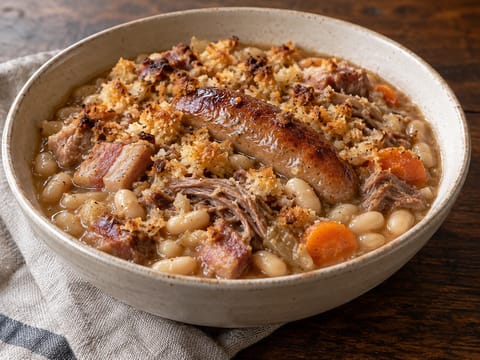
Slow-cooked bean stew with duck confit, pork and sausages
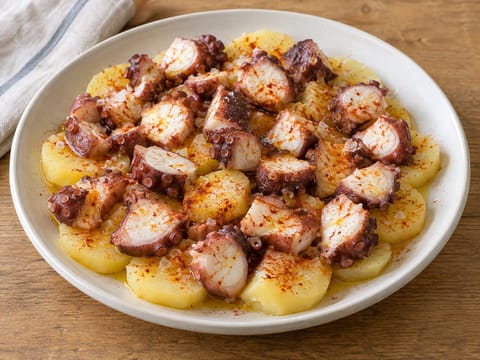
Simmered octopus served over potatoes with paprika and olive oil
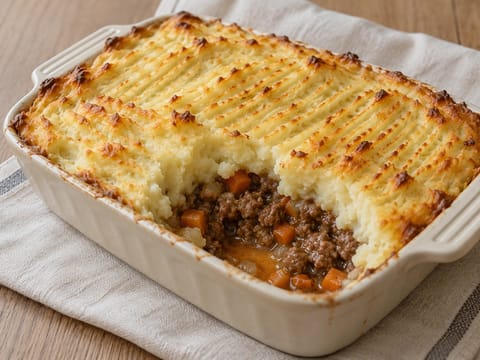
Minced beef pie topped with creamy mashed potatoes
Start by identifying the “non-negotiable” time: the slow roast, the covered braise, the bake that must cool. Work backwards from that, and treat prep as the flexible part.
Use the right vessel size. A pot that’s too wide can reduce too fast; one that’s too small can boil over and force you to lower the heat, stretching the cook. For oven dishes, depth matters too: a deeper dish slows evaporation and browning.
Taste and adjust near the end, not at the beginning. Long cooks change as liquid reduces and fats render, so seasoning that seems right early on can become too strong later.
Finally, plan a finishing step. A squeeze of citrus, fresh herbs, a crunchy topping, or a quick salad can lift food that has spent a long time in the oven or pot.
Cooking method is the quickest way to compare over-an-hour recipes: a slow braise behaves very differently from a long bake or a slow roast. Difficulty can also help you judge whether the time is mostly waiting, or whether the recipe involves multiple stages and closer timing.
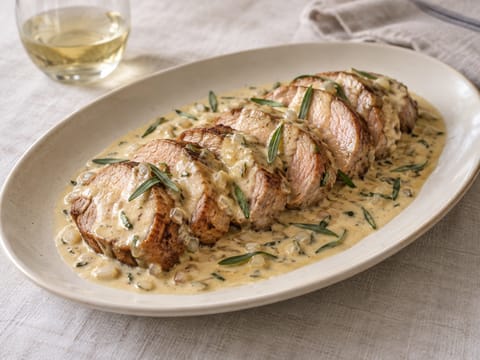
Oven-finished pork tenderloin with Dijon, tarragon and cream sauce
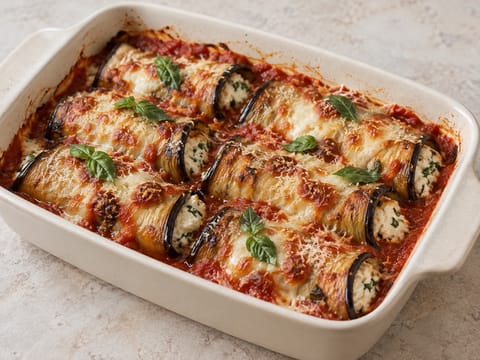
Baked aubergine rolls with ricotta, basil and tomato passata
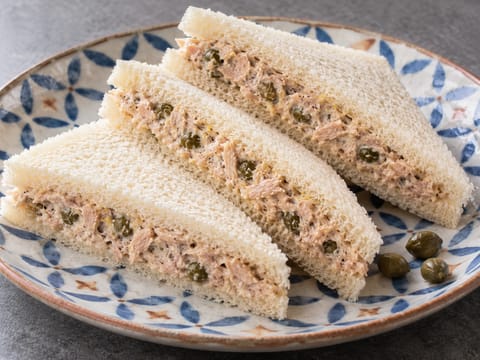
Soft tuna and caper sandwiches with mayonnaise and lemon
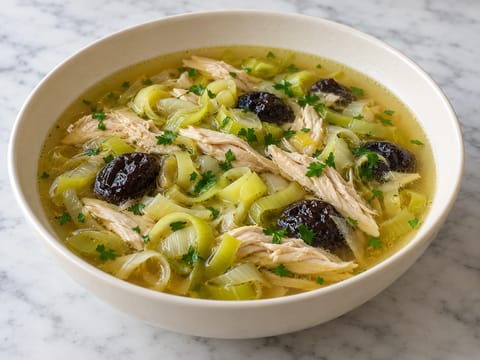
Scottish chicken and leek soup finished with prunes
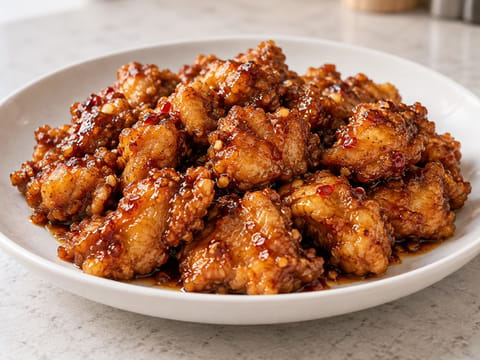
Crispy air fryer chilli chicken tossed in a glossy sauce.
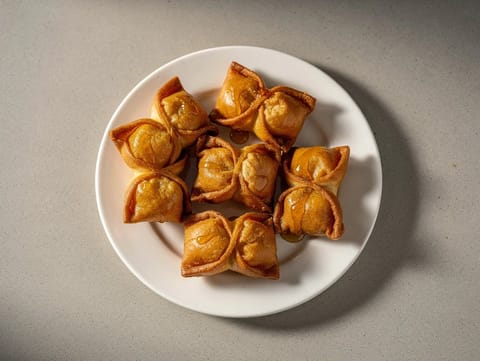
Crisp pestiños pastry fritters dipped in warm honey
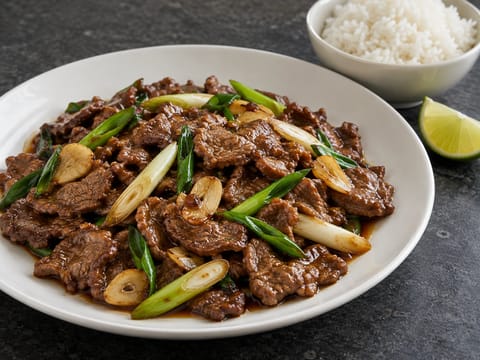
Thai beef stir-fry coated in oyster sauce and light soy
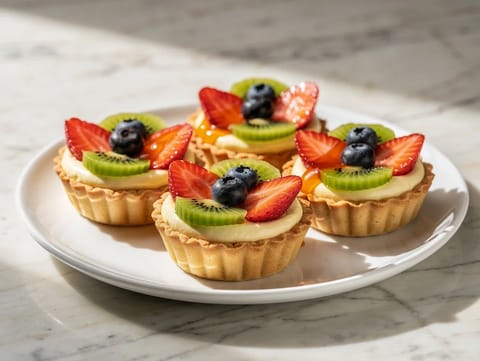
Shortcrust tartlets with vanilla pastry cream and fresh fruit
Not necessarily. Many long recipes have a short active start, then a long oven or simmer period. Others are long because they include several stages that keep you involved.
Common make-ahead elements include sauces, stews, cooked grains, and some assembled bakes that can be finished later. Whether it works depends on whether the final dish relies on crispness or a just-set texture.
Resting can stabilise texture: meats reabsorb some juices, and baked dishes firm up so they slice cleanly. Skipping the rest can make food seem watery or fragile even if it is fully cooked.
Look at the ingredient and the goal. Tougher cuts and collagen-rich ingredients often need time for tenderness, while quick methods suit tender cuts and vegetables where you want freshness and bite.
Not usually, but it can extend it. Larger volumes take longer to come to temperature, and crowded trays brown more slowly. Pots and ovens also have practical limits.
Over 60 minutes can mean slow and steady, or it can mean multi-step. Decide first whether you want low attention or a cooking project, then choose methods and difficulty accordingly. When make-ahead matters, prioritise recipes that hold their texture after resting or reheating.
