
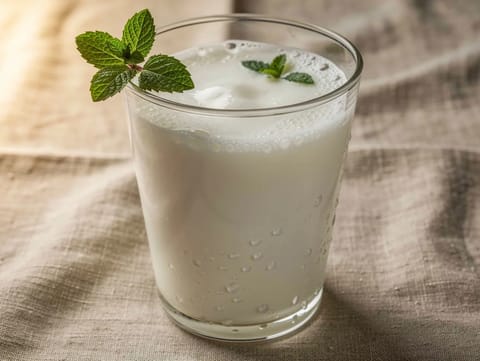
Ayran (Turkish Yoghurt Drink)
Chilled Turkish yoghurt drink whisked with water and salt
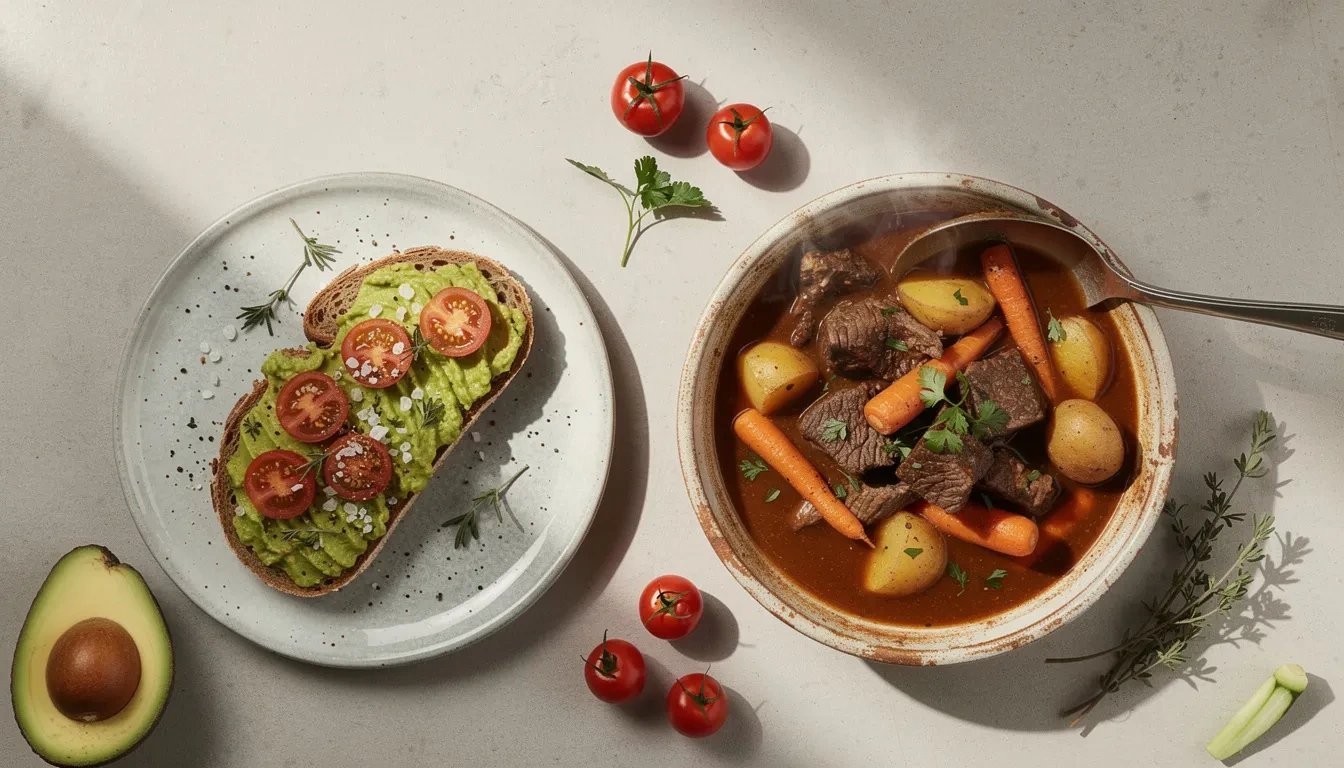
Under 15 minutes is a tight window, so the most reliable recipes either skip cooking altogether or use very fast heat. Think assembled dishes, quick salads, smoothies and drinks, or hot food that cooks in minutes once the pan is ready. In this range, the limiting factor is often prep, not cooking, so recipes with fewer ingredients and simple cutting tend to feel genuinely quick. Use this page when you want something now, not “quick for a full recipe”.
This time range usually assumes you can start immediately and work without pauses. There’s rarely room for long preheats, slow softening of onions, or anything that needs to come up to temperature gradually. If cooking is involved, it’s often brief: toasting, scrambling, searing thin pieces, or warming pre-cooked components.
Because the clock is so short, ingredient form matters. Pre-washed leaves, tinned beans, quick-cooking noodles, thin fillets, or leftovers can make the difference between finishing on time and drifting into the next bracket. Under 15 minutes can still be satisfying, but it rewards choosing recipes where the main transformation is mixing, dressing, or fast heat rather than extended cooking.
Chilled Turkish yoghurt drink whisked with water and salt
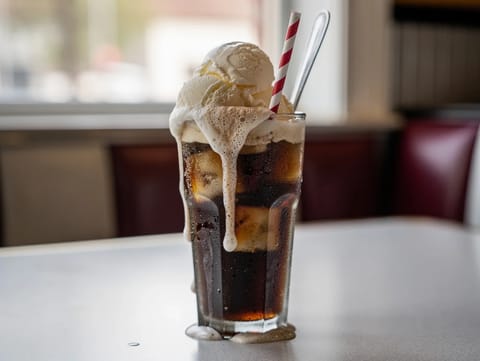
Vanilla ice cream topped with chilled root beer
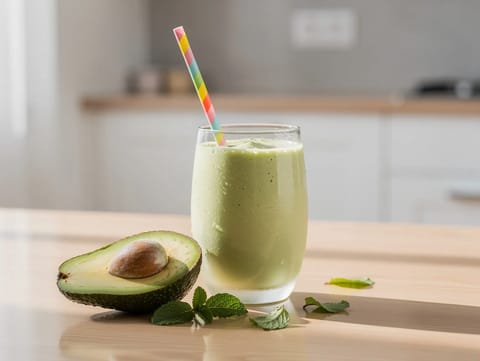
Vietnamese avocado smoothie with condensed milk and ice
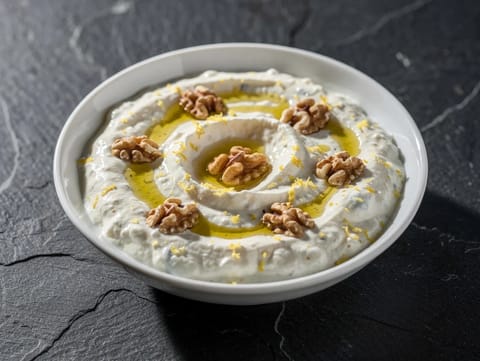
Chilled walnut and yoghurt sauce with garlic and lemon
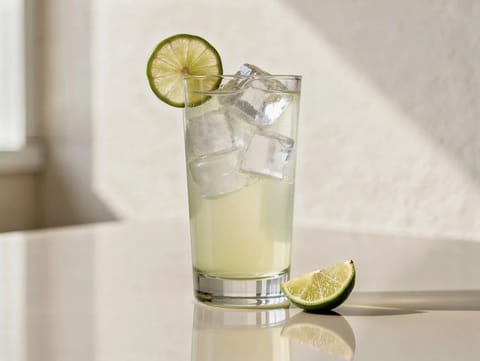
Fizzy Thai lime soda served over ice
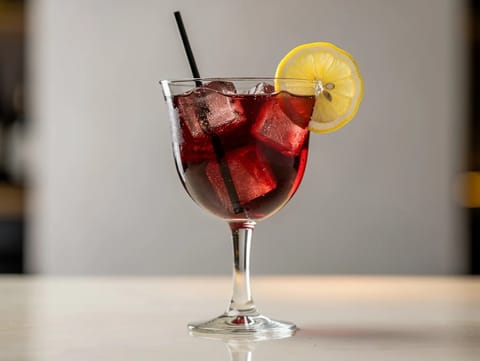
Red wine spritzer with lemonade, lemon and ice
For the fastest route, pick no-cook or mostly assembled recipes: salads with a punchy dressing, dips and spreads, or simple bowls built from ready-to-eat elements. These are often limited by chopping, so look for recipes with minimal knife work.
If you want something hot, choose recipes with short, decisive cooking: eggs, quick stir-fries with small pieces, or dishes that use the kettle and a brief pan finish. These depend on having everything ready before the heat goes on.
If you want minimal washing-up, favour one-bowl mixes, blender drinks, or single-pan warm-ups. In this bracket, extra equipment can cost more time than it saves unless it replaces chopping entirely.
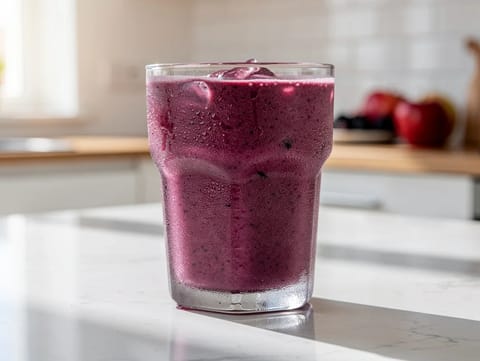
A creamy apple and blackberry smoothie with yoghurt and milk.
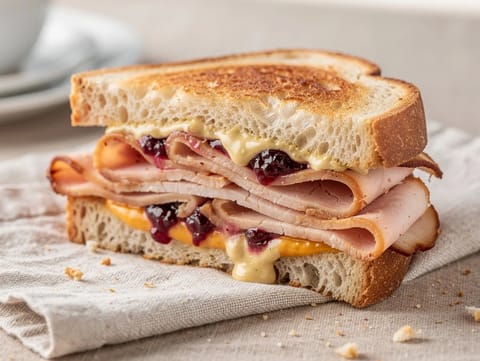
Crisp panini with smoked turkey, cranberry sauce and melted Cheddar

Passion fruit mousse with whipped cream and lime
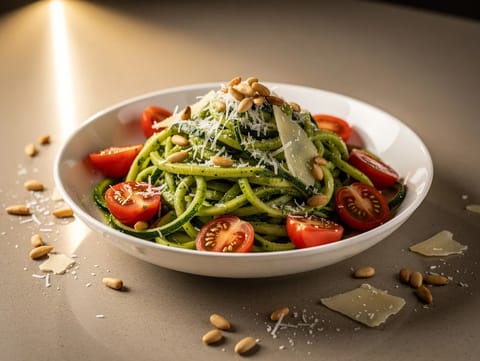
Courgette noodles with basil pesto, cherry tomatoes and Parmesan
Mild, creamy koffie verkeerd made with frothed milk and strong coffee
Cold silken tofu topped with soy sauce, spring onion and fresh ginger
Quick seared beef served over rocket with Grana Padano and a warm balsamic dressing
Wentelteefjes are Dutch French toast fried in butter and finished with caster sugar
Danish open rye smørrebrød topped with prawns, boiled egg, mayonnaise and dill
Green beans air-fried with olive oil, garlic and lemon zest.
Air fried courgettes are seasoned with garlic, herbs and lemon.
Sliced oranges dressed with honey and orange blossom, finished with cinnamon
Set yourself up before you start the timer. Put a pan on to heat, boil the kettle if needed, and gather ingredients so you’re not searching mid-recipe.
Keep cuts small and consistent. Large chunks take longer to cook and can force you to cover the pan, which changes the result and often adds minutes. If a recipe includes a sauce or dressing, mix it first so it’s ready the moment the food is.
Be realistic about “extras”. Toasting seeds, crisping toppings, or making a garnish can be doable, but only if it happens in parallel. If you’re hungry now, choose recipes where the finishing touch is something immediate, like herbs, citrus, yoghurt, or a drizzle of oil.
Finally, watch the heat. In very fast cooking, a pan that’s not hot enough leads to steaming and delays; a pan that’s too hot can scorch before the centre is ready.
Cooking method is especially helpful under 15 minutes, because it separates no-cook assembly from fast pan cooking and quick boiling. Difficulty can also be a useful check: some very quick recipes are simple, while others rely on confident timing and high heat to work first time.
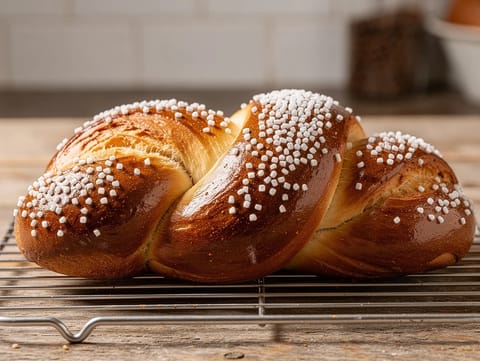
Belgian Christmas sweet bread topped with pearl sugar
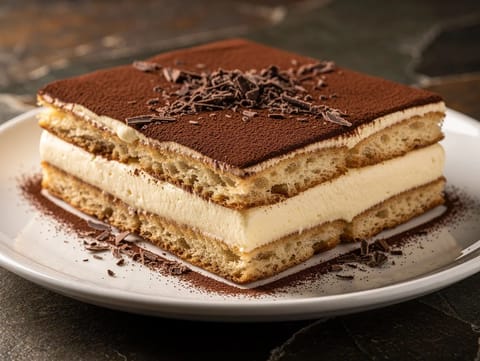
Coffee-soaked biscuit dessert with mascarpone and cocoa
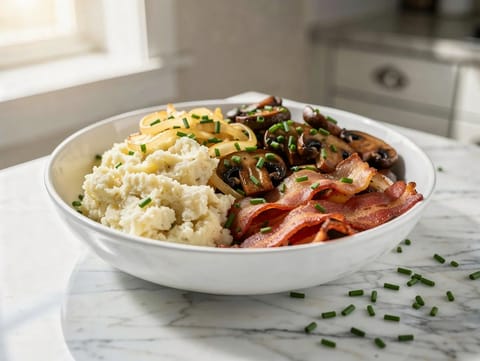
Mashed potato bowl with mushrooms, bacon and sour cream
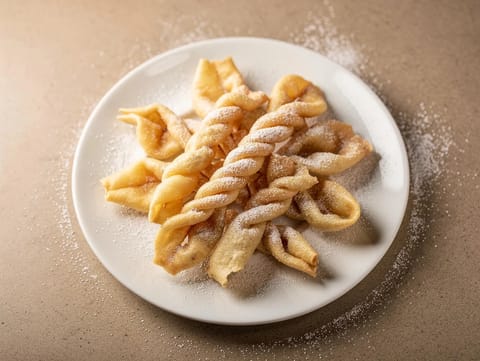
Twisted Nordic fried pastries dusted with icing sugar
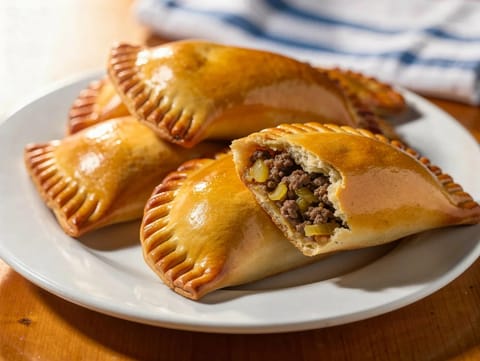
Baked pastries filled with minced beef, onion and spices
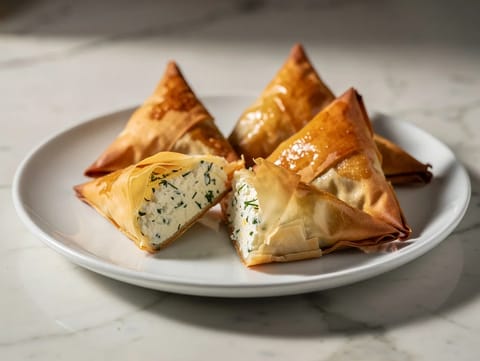
Greek filo triangles filled with feta, ricotta and dill
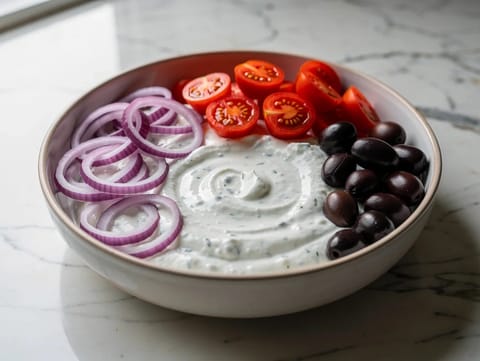
Tzatziki served with fresh vegetables, olives and warm pitta

Strained passion fruit juice with lime, caster sugar and ice
Sometimes, but it depends on what “from scratch” means in practice. No-cook dishes and very fast-cooking ingredients fit best; anything needing long preheats, slow softening, or extended simmering usually won’t.
Because the time limit leaves little room for ingredients that need long cooking. Using ready-to-eat or quick-cooking components shifts the work to seasoning, texture, and assembly.
Prep. Extra chopping, peeling, and measuring can easily add minutes. Recipes that keep ingredients few and cuts simple are more likely to stay under 15.
Not always. Some are straightforward assembly, but quick hot cooking can be less forgiving because there’s little time to correct heat or texture once you start.
Use strong, fast flavour builders: citrus, vinegar, chilli, herbs, toasted spices, or a well-seasoned dressing. They add depth without adding cooking time.
Under 15 minutes works best when the recipe is built around speed: minimal prep, fast heat, or no cooking at all. Choose the style that matches your energy, and let method and difficulty guide how much attention the dish will need in those few minutes.
