
Japanese-Korean Fusion Rice Bowl with Gochujang Chicken and Egg
Why this recipe works
- Layered savoury depth: Soy sauce, sesame oil, garlic, ginger and gochujang build a bold glaze around the chicken without needing a long marinade.
- Brightness balances richness: Lightly pickled cucumber cuts through the chilli glaze, sesame oil and egg yolk, keeping the bowl fresh rather than heavy.
- Contrasting textures: Tender chicken, glossy spinach, sticky short-grain rice and crisp cucumber give each bite more structure and interest.
Get the most out of this recipe
Adjust the heat
- For a milder bowl: Use a milder gochujang and loosen the glaze with a little extra water or soy sauce so the chilli is less concentrated.
- For more heat: Choose a hotter gochujang or finish with extra chilli flakes or chilli oil at the table.
- Keep it balanced: If the glaze tastes too fiery, add more cucumber pickle and spring onion when serving to bring back freshness.
Timing notes
- Let the rice steam: Covering the cooked rice off the heat gives the grains time to settle, making the bowl softer and less wet.
- Serve the eggs promptly: Soft-boiled eggs have the best texture when cooked close to serving; cook them firmer if needed for food safety.
- Prepare while the rice cooks: Slice the cucumber, mix the glaze and prep the aromatics during the rice cooking time to keep the workflow efficient.
Ingredient notes
- Use short-grain rice: Short-grain rice gives the bowl its slightly sticky, cohesive base and holds the glaze and dressing well.
- Gochujang varies: Different brands can be sweeter, saltier or hotter, so taste the glaze before it goes into the pan and adjust the balance if needed.
- Tune the pickle: Rice vinegar gives the cucumber a gentle tang; white-wine vinegar will make the pickle sharper and less rounded.
Make-ahead tips
- Keep components separate: Store the rice, chicken, spinach and cucumber in separate airtight containers so the cucumber stays crisp and the rice reheats cleanly.
- Reheat gently: Reheat the rice and chicken until piping hot, adding a splash of water to loosen the rice if it has firmed up in the fridge.
- Cook eggs to order: For the best soft-boiled texture, cook the eggs just before serving rather than storing them assembled in the bowl.
Equipment you'll need
Ingredients
Instructions
- Rinse the short-grain rice in cold water until the water runs mostly clear, then drain. Cook it in a saucepan according to packet instructions until tender, then cover and leave to steam off the heat for 10 minutes.
- Bring a small saucepan of water to the boil and gently lower in the eggs. Simmer for 7 minutes for soft-boiled, then drain and cool under cold running water; peel when cool enough to handle.
- Meanwhile, whisk together the rice vinegar, half the light soy sauce and 1 tbsp toasted sesame oil in a mixing bowl. Thinly slice the cucumber, add it to the bowl, and toss to coat; set aside to lightly pickle.
- Finely grate the garlic and ginger root. In a small bowl, stir the gochujang with the remaining light soy sauce and 2 tbsp water to make a glossy glaze.
- Heat a large frying pan over medium-high heat and add the remaining 1 tbsp toasted sesame oil. Add the chicken thighs and cook for 4 to 5 minutes, turning, until browned and nearly cooked through.
- Add the garlic and ginger root to the pan and cook for 30 seconds until fragrant. Pour in the gochujang glaze and cook for 1 to 2 minutes, turning the chicken until sticky and cooked through.
- Tip the spinach into the pan and sauté for 1 to 2 minutes until just wilted and glossy. Remove from the heat.
- Thinly slice the spring onion. Divide the rice between two bowls, top with the gochujang chicken, spinach and pickled cucumber, then halve the eggs and add one to each bowl; finish with spring onion and roasted sesame seeds, spooning over any pickling liquid as a dressing.
Recipe notes
Tips
- For neat soft-boiled eggs, use eggs straight from the fridge and start timing as soon as the water returns to a gentle simmer.
- Keep the heat moderate once the gochujang glaze goes in so it turns glossy and sticky rather than catching on the pan.
- Eggs should be cooked until the whites are set; if serving to pregnant people, young children, older adults, or anyone immunocompromised, use eggs stamped with the British Lion mark or cook the eggs until the yolks are firm.
Substitutions
- Replace chicken thighs with chicken breast for a leaner bowl; reduce the cooking time slightly to avoid drying out.
- Replace rice vinegar with white-wine vinegar for a sharper, less sweet pickle and dressing.
- Replace spinach with baby kale for a slightly firmer, more robust green.
Storage
- Refrigerate up to 2 days
- Store rice, chicken, spinach and cucumber in separate airtight containers. Reheat the rice and chicken in a microwave until piping hot, adding a splash of water to loosen the rice; keep the cucumber cold and add fresh, and cook eggs to order for the best texture.
Ratings & reviews
Liked this recipe? Share your feedback to support our cooking community.
Tried this recipe?
Choose 1–5 stars. A comment is optional.
Stay inspired
Discover new recipes, seasonal favourites and cooking inspiration every day. Follow JustRecipes on Pinterest and Spillt.

Recipe overview
- Servings: 2 servings
- Total time: 50min (30min active)
- Difficulty: Medium
- Cuisine: Japanese
-
Allergens:
Eggs Sesame Soybeans
Plan your meals and get a complete grocery list automatically.
Add to meal plannerEquipment you'll need
Got ingredients left?
Find recipes using ingredients from this recipe or what you already have at home.
Find recipes with these ingredients →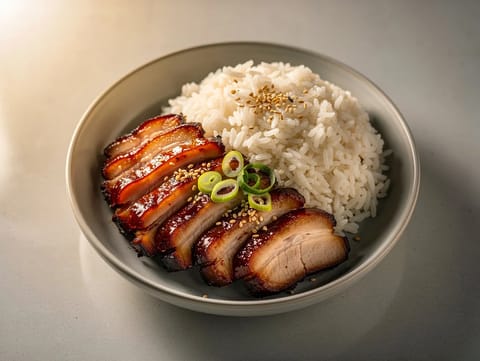
Char Siu Pork with Steamed Rice
Sticky roasted char siu pork served with steamed rice
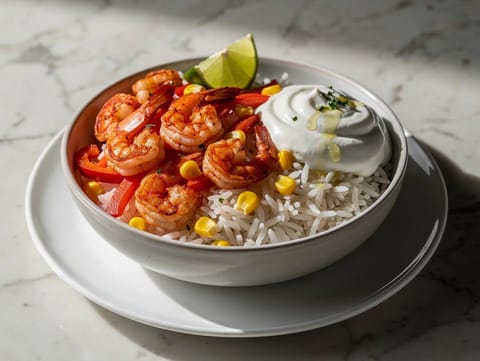
Cajun Prawn Rice Bowl
Cajun prawn rice bowl with peppers and soured cream
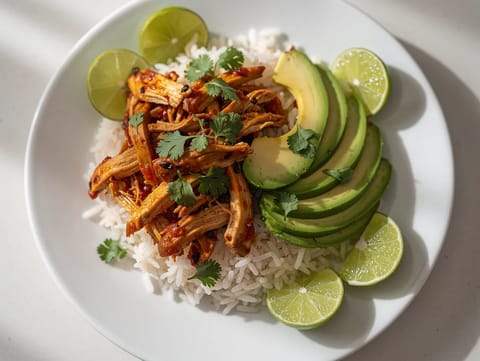
Chicken Tinga Rice Bowl with Chipotle Tomato Sauce
Chicken tinga rice bowl with chipotle tomato sauce and avocado
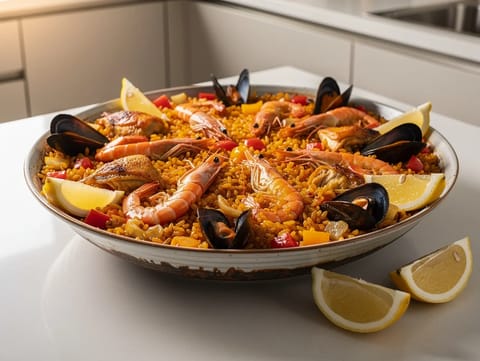
Paella Mixta (Mixed Paella with Chicken, Prawns and Mussels)
Mixed paella with chicken, prawns, mussels and saffron rice
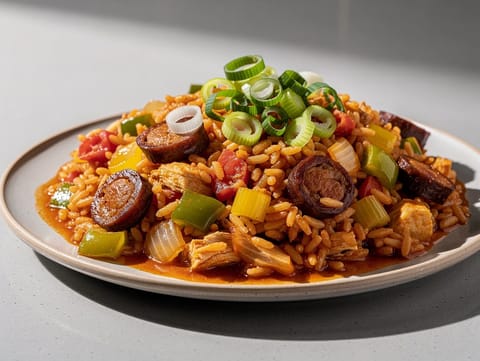
Jambalaya with Andouille Sausage
One-pot rice jambalaya with andouille sausage and peppers
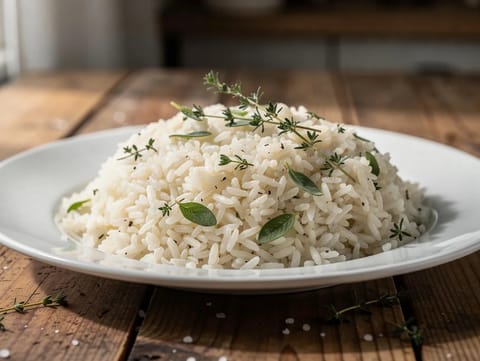
Caribbean Coconut Rice with Garlic and Thyme
Fluffy coconut rice simmered with garlic and thyme
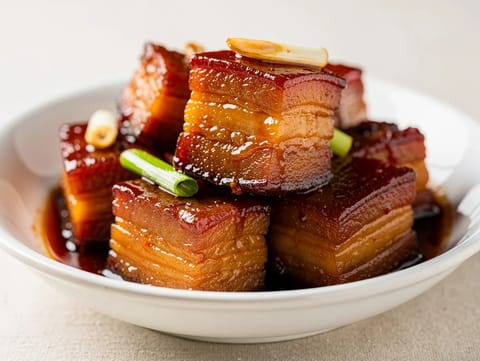
Red-Braised Pork Belly (Hong Shao Rou)
Red-braised pork belly in sweet soy glaze
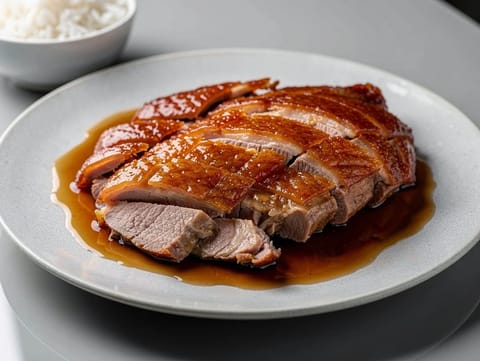
Cantonese Roast Duck (Home-Style Crispy Duck)
Cantonese roast duck with crisp skin
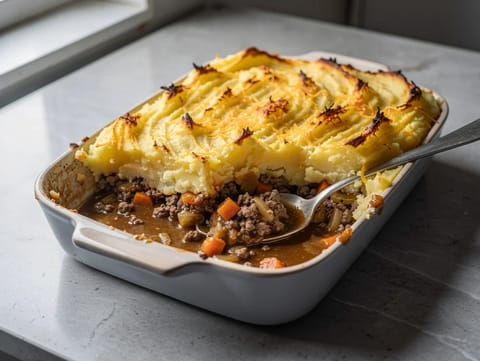
Cottage Pie with Cheesy Mash Topping
Cottage pie topped with cheddar mash and baked until golden
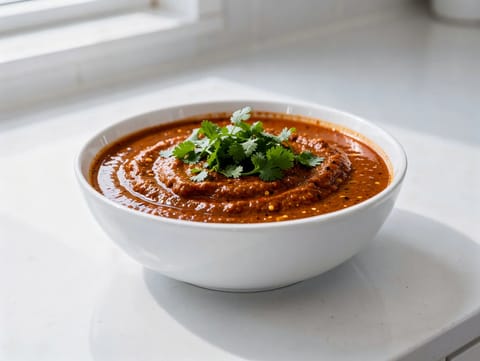
Bhuna Masala (Slow-Roasted Onion and Tomato Curry Base)
Slow-cooked onion and tomato masala with warming spices
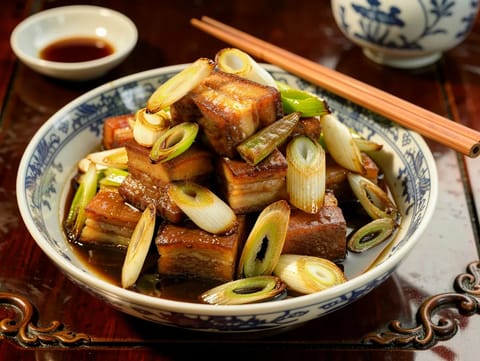
Hong Shao Rou (Red-Braised Pork Belly)
Red-braised pork belly simmered until tender and glossy
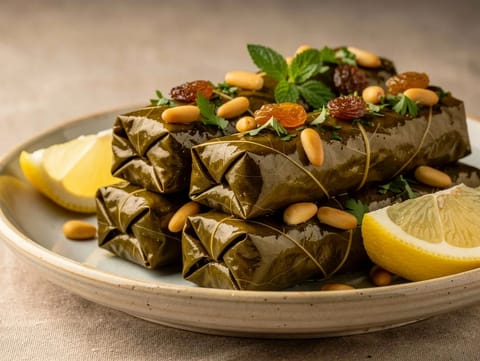
Stuffed Grape Leaves with Herbed Rice, Pine Nuts and Lemon
Stuffed grape leaves with herbed rice, pine nuts and currants
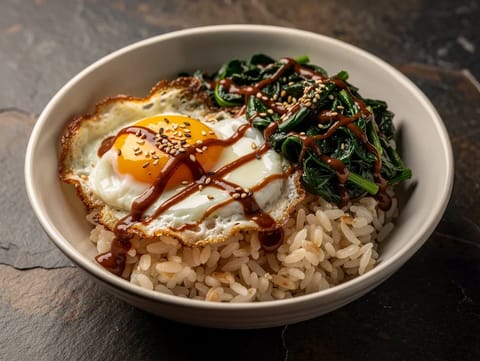
Korean Breakfast Bowl (Egg, Rice, Greens)
Rice bowl with sautéed spinach, fried egg and gochujang dressing
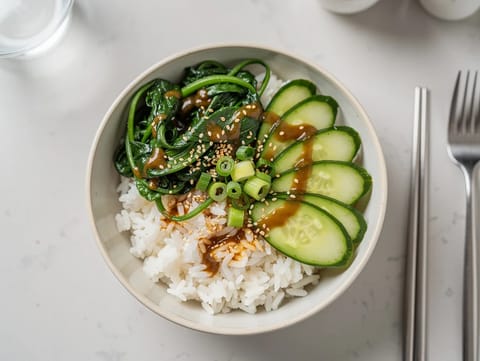
Gomae Spinach Grain Bowl with Sesame Dressing and Rice
Spinach gomae over rice with cucumber and spring onion
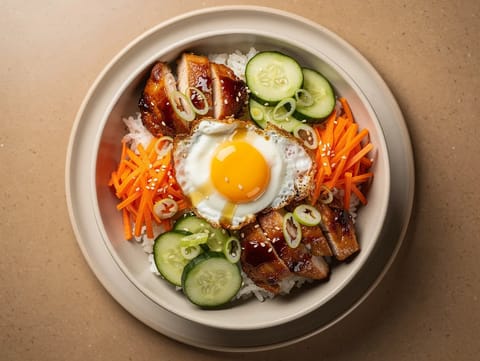
Korean Chicken Rice Bowl
Chicken and rice bowl with gochujang soy glaze.
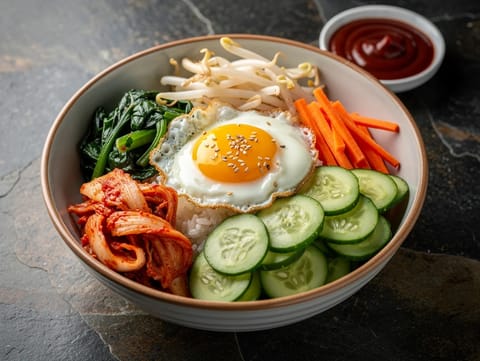
Modern Bibimbap Bowl
Bibimbap bowl with rice, vegetables, fried egg and gochujang
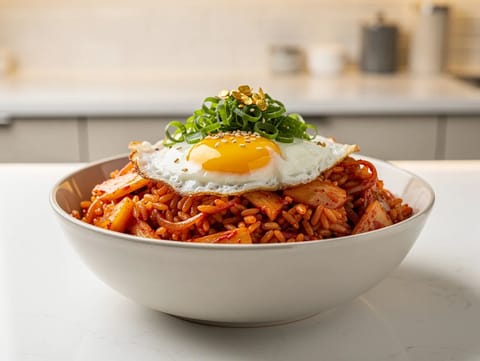
Modern Kimchi Fried Rice Bowl
Kimchi fried rice topped with a fried egg and sesame
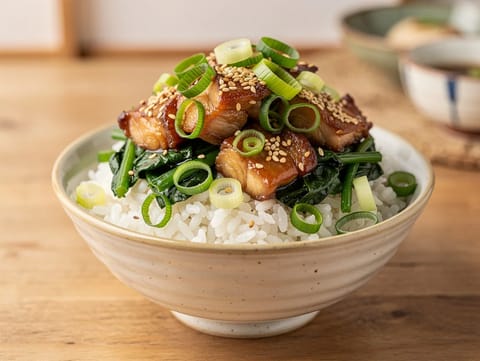
Japanese Chicken Rice Bowl with Soy, Mirin and Ginger
Chicken rice bowl with soy, mirin, ginger and spinach
You might also like
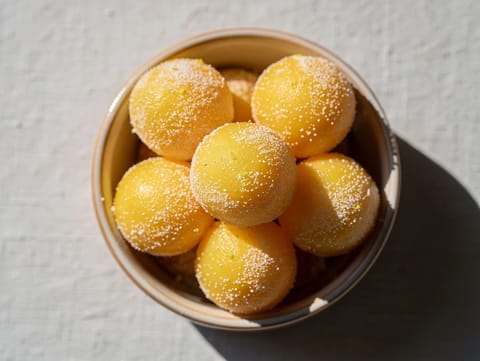
Yemas de Santa Teresa (Egg Yolk Sweets)
Egg yolk sweets shaped into balls and rolled in sugar
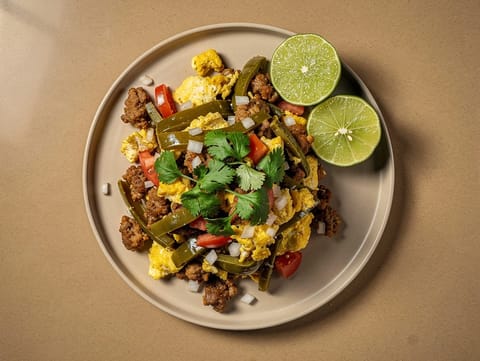
Nopales con Chorizo y Huevo (Cactus, Chorizo and Eggs)
Nopales sautéed with chorizo and folded into scrambled eggs
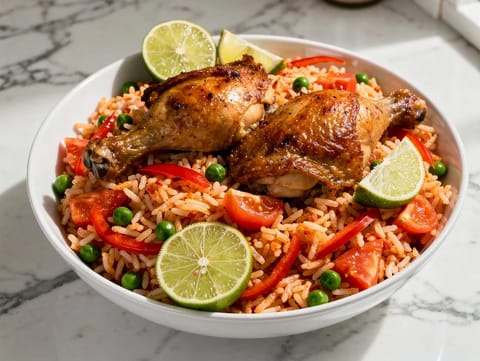
Arroz con Pollo a la Cubana (One-Pot Chicken and Rice)
One-pot chicken and rice with peppers, tomatoes, peas and cumin
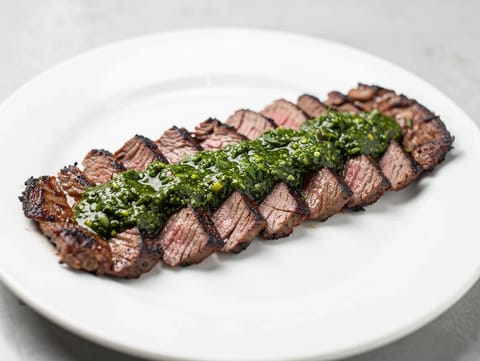
Churrasco con Chimichurri (Grilled Skirt Steak with Herb Sauce)
Grilled skirt steak served with parsley and garlic chimichurri
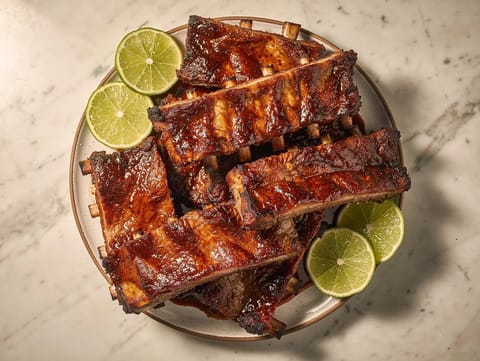
Costillas de Cerdo Adobadas (Adobo-Marinated Pork Ribs)
Roasted pork ribs in smoky adobo with a glossy glaze
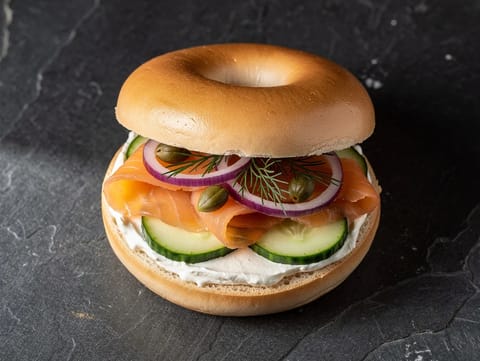
Smoked Salmon and Cream Cheese Bagel
Smoked salmon bagel with lemon cream cheese, cucumber and capers
Make this recipe easier next time
AdvertisementThese tools help you get better results with less effort.
Misen Carbon Steel Nonstick Frying Pan 12 Inch
- Works on all stovetops
- Naturally nonstick when seasoned
- Requires seasoning and maintenance
Pyrex Glass Mixing Bowls with Lids
- Microwave safe
- BPA-free lids
- Glass is heavier
All-Clad Tri-Ply Stainless Steel Saucepan
- Excellent heat control
- Premium build quality
- Expensive
KitchenAid Stainless Steel Mixing Bowls
- Non-slip base
- Stainless steel
- Not microwave safe
Enjoy cooking with JustRecipes?
Add JustRecipes as one of your preferred Google sources to discover our recipes more easily across Google Search.
Add JustRecipes to GoogleEvery recipe on JustRecipes follows the same structured editorial process. Learn how recipes are created, validated, translated, illustrated, and continuously improved across the platform. How we create recipes.
