
Ropa Vieja (Shredded Beef in Tomato and Pepper Sauce)
Why this recipe works
- Built-in depth: Browning the brisket first creates savoury fond in the pot, which is lifted into the tomato and pepper sauce for a fuller flavour.
- Low, slow tenderness: A gentle covered simmer breaks the brisket down gradually so it shreds cleanly without drying out.
- Bright finish: White wine vinegar added near the end cuts through the richness of the beef and keeps the sauce lively.
- Excellent for planning ahead: The shredded beef holds well in its sauce, making it suitable for reheating, freezing, and serving later in the week.
Get the most out of this recipe
Authenticity notes
- Cuban and Latin American context: Ropa vieja is commonly associated with Cuban cooking, though shredded beef in tomato-based sauces appears in several Latin American kitchens with local variations.
- Shredded, not diced: The recognisable texture comes from cooking the beef until it pulls into strands, then returning it to the sauce so every piece is coated.
- Serve with rice: Steamed rice is the most practical pairing, absorbing the tomato-pepper sauce and balancing the richness of the beef.
Timing notes
- Mostly hands-off: The active work is mainly browning the beef, softening the vegetables, and shredding; the long simmer does most of the tenderising.
- Reduce before serving: After shredding the beef, give the sauce time uncovered to become glossy and concentrated before mixing everything back together.
- Good the next day: The sauce and beef continue to settle together after chilling, so leftovers often reheat particularly well.
Ingredient notes
- Choose a shredding cut: Brisket works well because it becomes tender with slow cooking; chuck roast is a good alternative if you prefer a slightly richer texture.
- Adjust the vinegar last: Add the vinegar after reducing the sauce, then taste and brighten it gradually so the acidity supports rather than dominates.
- Build the sauce base properly: Let the tomatoes soften and break down before adding the stock so the sauce starts with a rounded, cooked flavour.
Common mistakes
- Simmer too hard: A vigorous boil can toughen the beef and make the sauce catch on the base of the pot; keep the heat low and steady.
- Leaving the sauce too loose: If the sauce looks thin after the beef is tender, simmer it uncovered before returning the shredded meat to the pot.
- Shredding too early: Wait until the brisket pulls apart easily with forks; if it resists, it needs more time in the covered simmer.
Equipment you'll need
Ingredients
Instructions
- Pat the beef brisket dry. Heat the olive oil in a dutch oven over medium-high heat, then brown the brisket well on both sides. Transfer to a plate.
- Reduce the heat to medium. Slice the yellow onion and red pepper, then add them to the pot and cook until softened and lightly golden. Crush in the garlic and stir for 1 minute until fragrant.
- Stir in the ground cumin for 30 seconds. Chop the tomato and add it to the pot, cooking until it starts to break down and looks saucy. Pour in the beef stock and scrape up any browned bits from the base.
- Return the brisket to the pot and add the bay leaves. Bring to a gentle simmer, cover, and cook on low heat until the beef is very tender and shreds easily. Turn the brisket once or twice during cooking.
- Lift out the brisket and shred it with two forks. Simmer the sauce uncovered until rich and glossy, then stir in the white wine vinegar. Return the shredded beef to the pot and warm through.
- Taste and adjust with a little more vinegar if you want it brighter. Serve hot, spooning plenty of sauce over the beef.
Recipe notes
Serving suggestions
This recipe pairs well with:
Tips
- Keep the simmer very gentle so the brisket stays juicy and the sauce reduces without catching on the base of the pot.
- For a smoother sauce, crush the tomatoes well with a wooden spoon as they cook, then reduce uncovered until it coats the back of a spoon.
- If serving vulnerable groups, make sure the beef is cooked until piping hot throughout before serving.
Substitutions
- Replace Beef brisket with Beef chuck roast for a slightly richer, more marbled shred.
- Replace White wine vinegar with Apple-cider-vinegar for a fruitier tang.
- Replace Ground cumin with Garam-masala for a warmer, more aromatic spice profile.
Storage
- Refrigerate up to 3 days
- Cool completely, then refrigerate in a sealed container for up to 3 days. Reheat gently in a saucepan over low heat with a splash of water if needed, until piping hot. Freeze for up to 3 months; defrost overnight in the fridge before reheating.
Ratings & reviews
Liked this recipe? Share your feedback to support our cooking community.
Tried this recipe?
Choose 1–5 stars. A comment is optional.
Stay inspired
Discover new recipes, seasonal favourites and cooking inspiration every day. Follow JustRecipes on Pinterest and Spillt.

Recipe overview
- Servings: 4 servings
- Total time: 3h 30min (35min active)
- Difficulty: Medium
- Cuisine: Latin American
Plan your meals and get a complete grocery list automatically.
Add to meal plannerEquipment you'll need
Got ingredients left?
Find recipes using ingredients from this recipe or what you already have at home.
Find recipes with these ingredients →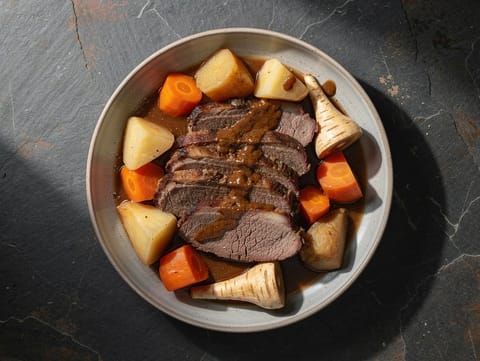
Braised Beef Brisket with Root Vegetables
Braised brisket with red wine and root vegetables
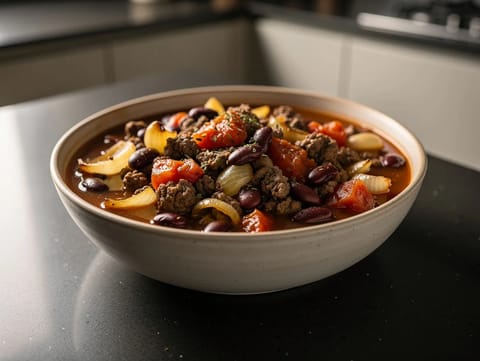
Beef and Bean Cowboy Stew
Thick cowboy stew with minced beef, kidney beans and tomatoes
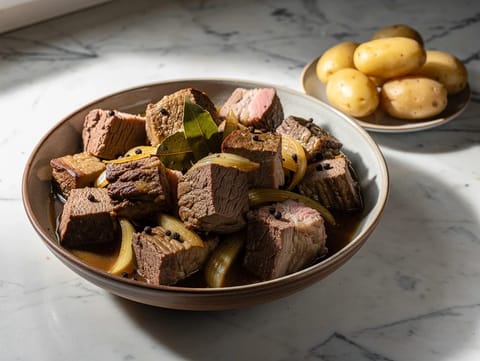
Karjalanpaisti (Finnish Beef and Pork Hot Pot)
Finnish beef and pork hot pot with onions and bay
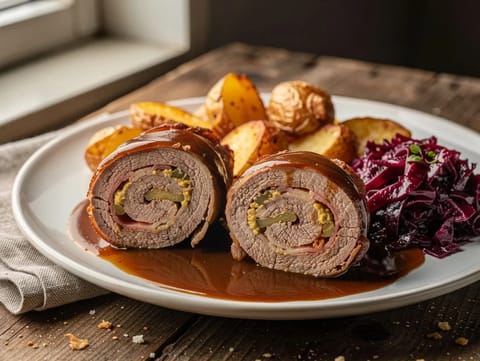
Rinderrouladen (German Beef Roulades with Mustard and Bacon)
Beef roulades with mustard, bacon, gherkins and gravy

Pisto with Fried Egg (Spanish Tomato and Courgette Stew)
Spanish pisto stew topped with a fried egg

Belgian Mussels Steamed in White Wine with Leeks and Celery
Mussels steamed in white wine with leeks and celery
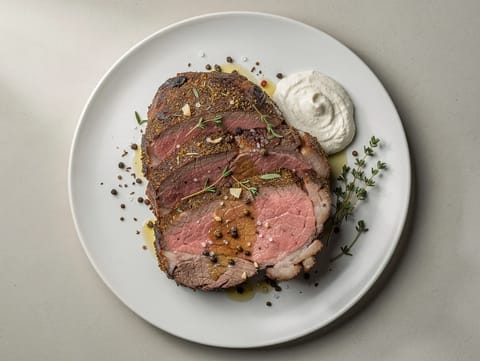
Slow-Roasted Prime Rib with Horseradish Cream
Slow-roasted prime rib with horseradish cream

Braciole al Sugo (Italian Beef Rolls in Tomato Sauce)
Beef rolls braised in tomato sauce with garlic and Parmesan

Cobb Salad with Chicken, Avocado and Bacon
Cobb salad with chicken, avocado, bacon and hard-boiled eggs

Bavarian Pork Schnitzel with Mushroom Cream Sauce
Crisp pork schnitzel with a creamy mushroom mustard sauce

Kimchi Bokkeumbap (Korean Kimchi Fried Rice)
Kimchi fried rice with gochujang, fried egg and gim
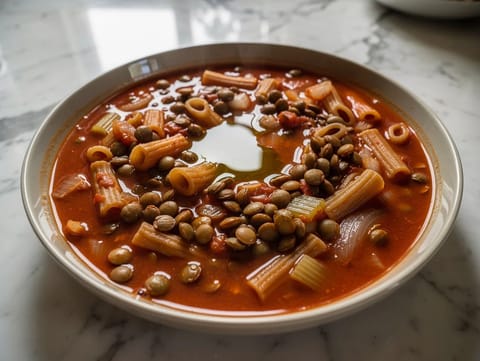
Vegan Pasta e Lenticchie (Italian Lentil Pasta Stew)
One-pot vegan pasta and lentil stew with rosemary
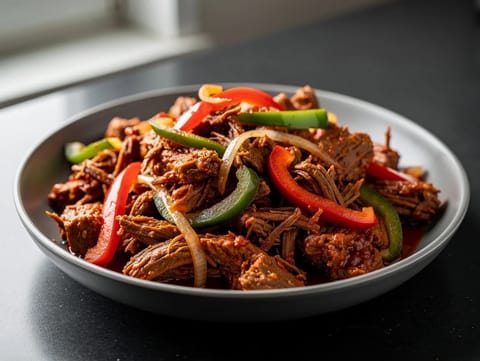
Ropa Vieja (Shredded Beef Stew)
Shredded beef stew with peppers, onions and tomatoes
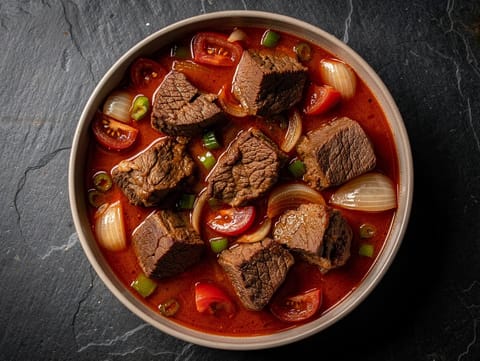
Tas Kebab (Turkish Beef Stew with Tomatoes and Peppers)
Turkish beef stew simmered with tomatoes, peppers and spices
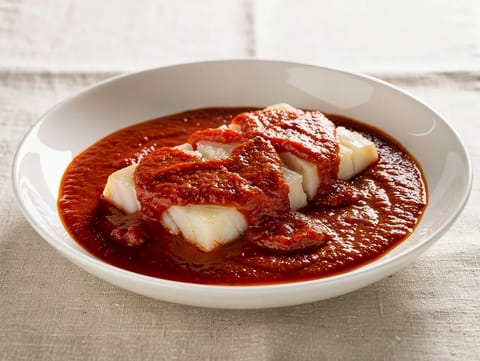
Bacalao a la Vizcaína (Salt Cod in Biscayan Sauce)
Salt cod simmered in Biscayan red pepper and tomato sauce
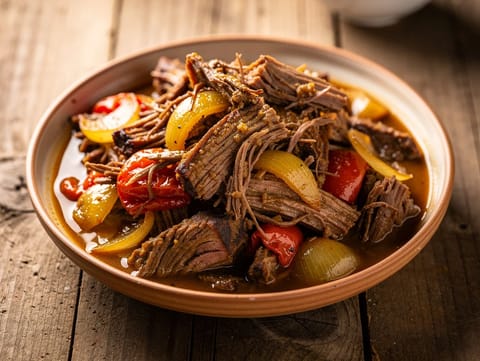
Carne Mechada (Spanish Shredded Braised Beef with Sherry)
Spanish shredded braised beef with paprika and sherry
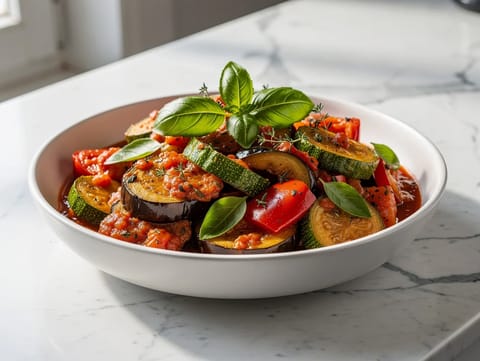
Ratatouille Provençale (French Vegetable Stew)
Provençal ratatouille stew with aubergine, courgette, peppers and tomato
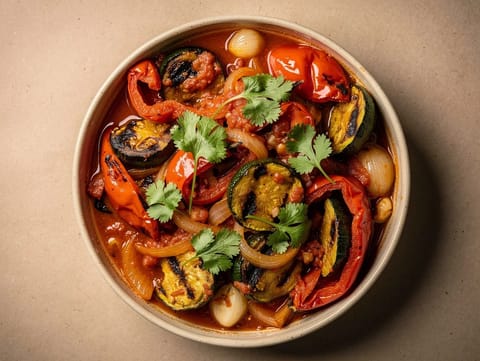
Grilled Vegetable Cataplana (Algarve-Style Stew)
Algarve-style vegetable stew with grilled peppers and courgettes
You might also like
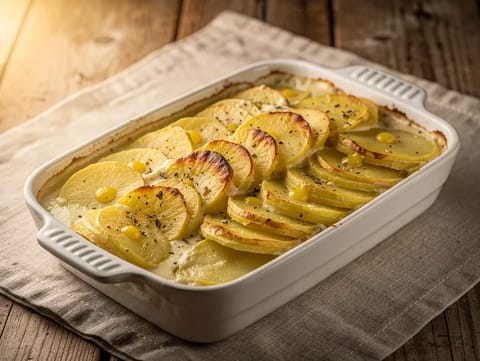
Flødekartofler (Danish Creamed Potatoes)
Danish creamed potatoes baked with garlic and nutmeg
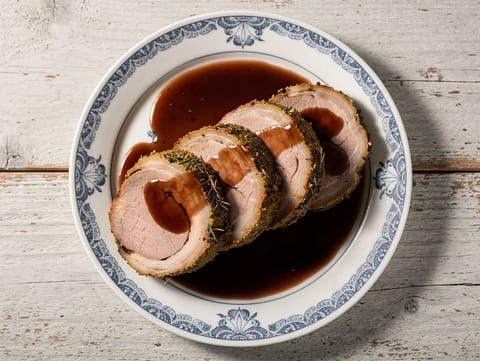
Kerstrollade met Jus (Roast Pork Roll with Red Wine Gravy)
Roast pork roll with mustard and thyme, served with gravy
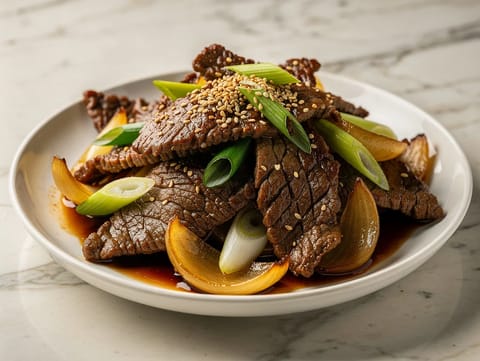
Bulgogi (Marinated Beef)
Thinly sliced marinated beef quickly fried with onions

Fish Tacos with Cabbage Slaw
Fish tacos with lime mayo cabbage slaw
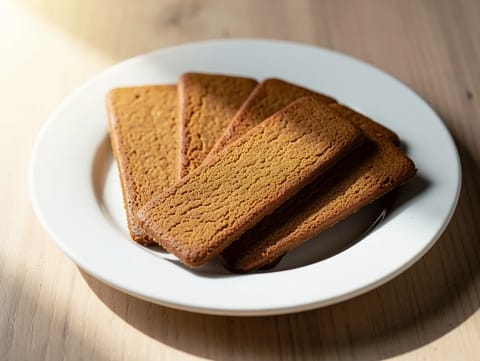
Speculoos (Belgian Spiced Biscuits)
Thin, crisp speculoos biscuits with warming spices

Moroccan Tomato Soup with Chickpeas and Spices
Smooth tomato and chickpea soup with Moroccan spices
Make this recipe easier next time
AdvertisementThese tools help you get better results with less effort.
Misen 8-Inch Chef Knife
- AUS-10 steel
- Balanced design
- Less traditional feel
Titanium & PP Double-Sided Cutting Board
- Separate surfaces for meat and produce
- Resists odors and stains
- Harder on knife edges than wood or plastic
WÜSTHOF Classic 8-Inch Chef's Knife
- Excellent build quality
- Reliable edge retention
- Expensive
OXO Good Grips 2-Piece Cutting Board Set
- Two useful sizes with reversible cutting surfaces
- Dishwasher safe and easy to clean
- Plastic surfaces will show knife marks over time
Enjoy cooking with JustRecipes?
Add JustRecipes as one of your preferred Google sources to discover our recipes more easily across Google Search.
Add JustRecipes to GoogleEvery recipe on JustRecipes follows the same structured editorial process. Learn how recipes are created, validated, translated, illustrated, and continuously improved across the platform. How we create recipes.
