
Vegetarian Kartoffelklöße with Mushroom Ragout
Why this recipe works
- Classic dumpling method: Cooked potatoes and potato starch create tender dumplings that hold together when simmered gently.
- Deep mushroom flavour: Browning the mushrooms before adding stock concentrates their savoury character and gives the ragout more depth.
- Soft, saucy comfort: The mild potato dumplings absorb the creamy ragout, making the dish warming, filling and easy to serve as a main course.
Get the most out of this recipe
Authenticity notes
- German home-style serving: Kartoffelklöße are commonly served with rich sauces; this vegetarian version uses mushroom ragout to bring the same hearty, sauce-led appeal.
- Cooked-potato dumplings: This version uses cooked mashed potatoes with starch, giving a softer, more approachable dumpling than styles made with a mix of raw and cooked potato.
Texture tips
- For lighter dumplings: Drain the potatoes well and let steam escape before mixing the dough; excess moisture can make the dumplings heavy.
- Mash while hot: Mash the potatoes thoroughly while they are still hot so the dough forms smoothly and the dumplings shape evenly.
- Let sticky dough rest: If the mixture feels tacky, a short rest allows the starch to hydrate and makes the dumplings easier to roll.
Common mistakes
- Boiling too hard: Keep the dumpling water at a bare simmer. A rolling boil can break the dumplings before they have set.
- Overheating the cream: After adding the cream to the ragout, simmer gently rather than boiling hard to keep the sauce smooth.
- Steaming the mushrooms: Let the mushrooms cook until their liquid evaporates and they brown properly; this gives the ragout a deeper savoury flavour.
Make-ahead tips
- Store separately: Cool the dumplings and ragout separately before refrigerating so the dumplings do not absorb too much sauce.
- Reheat gently: Warm the ragout over low heat, adding a splash of stock if it has thickened, and reheat the dumplings briefly in barely simmering water.
Equipment you'll need
Ingredients
Potato dumplings
Mushroom ragout
Instructions
- Put the potatoes in a large pot, cover with cold water and add 1 tsp of the fine sea salt. Bring to the boil, then simmer for 20 to 25 minutes until completely tender when pierced. Drain well in a colander and leave for 5 minutes to steam-dry.
- While the potatoes cook, make the ragout base: melt the unsalted butter in a frying pan over medium heat. Finely chop the yellow onion and cook for 6 to 8 minutes until soft and lightly golden. Slice the mushrooms and add them to the pan with a pinch of black pepper, cooking for 8 to 10 minutes until their liquid has evaporated and they are browned.
- Pour in the vegetable stock and simmer for 8 to 10 minutes until slightly reduced. Stir in the double cream and simmer gently for 2 to 3 minutes until lightly thickened; do not let it boil hard. Taste and season with a little more fine sea salt and black pepper if needed, then keep on a very low heat.
- Mash the hot potatoes until very smooth, then leave for 5 minutes so the steam can escape. Beat in the egg, then mix in the potato starch, the remaining 1 tsp fine sea salt and the remaining black pepper until you have a soft dough. If it feels sticky, leave it to stand for 5 minutes so the starch can hydrate.
- Bring a large pot of water to a gentle simmer and lightly salt it. With damp hands, divide the dough into 8 dumplings and roll each into a smooth ball. Lower them into the water and cook at a bare simmer for 12 to 15 minutes until they float and feel slightly firm to the touch.
- Lift the dumplings out with a slotted spoon and let them drain briefly. Finely chop the fresh parsley and stir most of it into the mushroom ragout. Serve the dumplings with the ragout spooned over, finishing with the remaining parsley.
Recipe notes
Tips
- Keep the water at a gentle simmer for the dumplings; a rolling boil can break them up before they set.
- For the lightest texture, mash the potatoes while hot and make sure they are well drained so the dough is not wet.
- If serving anyone who is pregnant, elderly, or immunocompromised, ensure the egg is thoroughly cooked by keeping the dumplings at a steady simmer until piping hot throughout.
Substitutions
- Replace Double cream with Cooking cream for a lighter sauce; simmer a little longer to thicken.
- Replace Unsalted butter with Olive oil for a slightly lighter, dairy-reduced ragout.
Storage
- Refrigerate up to 2 days
- Cool the dumplings and ragout separately, then refrigerate in airtight containers. Reheat the ragout gently in a saucepan over low heat until piping hot, adding a splash of vegetable stock if it has thickened; warm the dumplings in barely simmering water for 2 to 3 minutes.
Ratings & reviews
Liked this recipe? Share your feedback to support our cooking community.
Tried this recipe?
Choose 1–5 stars. A comment is optional.
Stay inspired
Discover new recipes, seasonal favourites and cooking inspiration every day. Follow JustRecipes on Pinterest and Spillt.
Recipe overview
- Servings: 4 servings
- Total time: 1h 20min (35min active)
- Difficulty: Medium
- Cuisine: German
-
Allergens:
Eggs Milk
Plan your meals and get a complete grocery list automatically.
Add to meal plannerEquipment you'll need
Got ingredients left?
Find recipes using ingredients from this recipe or what you already have at home.
Find recipes with these ingredients →
Bratwurst with Sauerkraut and Mustard Sauce
Pan-fried bratwurst with sauerkraut and mustard sauce

Smoked Sausage Skillet with Potatoes and Sauerkraut
One-pan smoked sausage with potatoes, sauerkraut and paprika
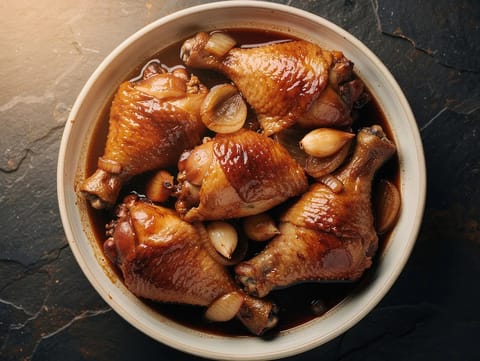
Pollo a la Coca-Cola (Chicken in Chipotle Cola Sauce)
Chicken simmered with chipotle, onion and a glossy cola sauce

Air Fryer Miso Glazed Salmon
Air-fried salmon with a sweet miso glaze.
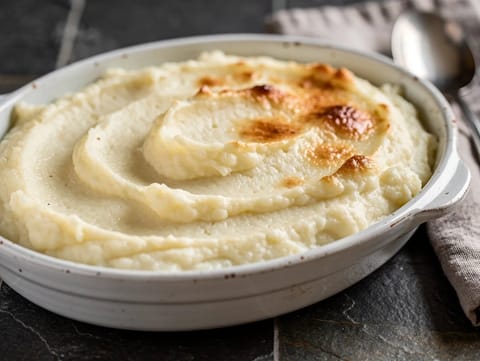
Brandade de Morue Nîmoise (Salt Cod and Olive Oil Purée)
Salt cod and potato purée with olive oil and garlic
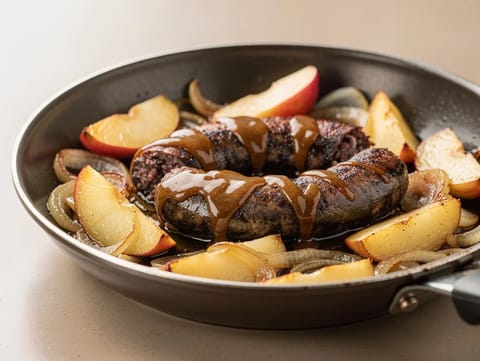
Boudin Noir met Appels (Blood Sausage with Apples)
Pan-fried blood sausage with buttery apples and onions
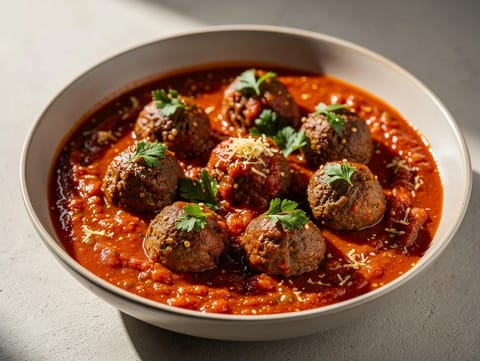
Kafta bil Bandora (Lebanese Meatballs in Tomato Sauce)
Lebanese meatballs simmered in garlic tomato sauce
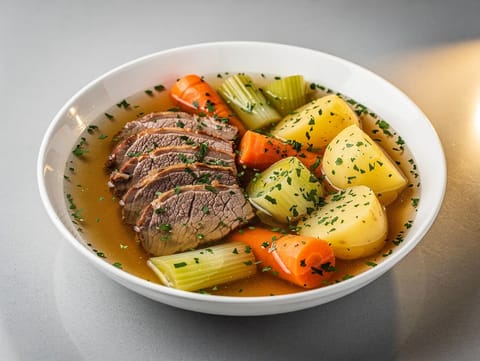
Pot-au-Feu (French Simmered Beef and Vegetables)
French simmered beef with vegetables in a clear broth

Arroz con Pollo a la Cubana (One-Pot Chicken and Rice)
One-pot chicken and rice with peppers, tomatoes, peas and cumin

Pasta con Salsiccia (Pasta with Italian Sausage)
Rigatoni with Italian sausage in tomato and white wine sauce

Andouillette with Creamy Dijon Mustard Sauce
Pan-fried andouillette with creamy Dijon mustard sauce
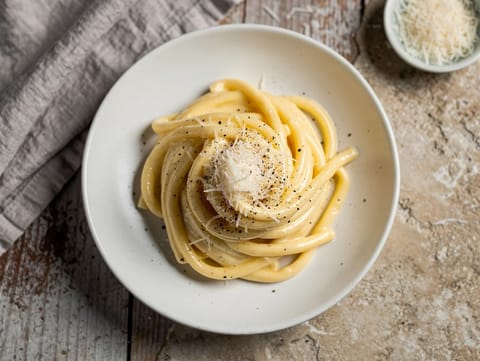
Cacio e Uova (Neapolitan Egg and Cheese Pasta)
Neapolitan pasta with egg, pecorino Romano and black pepper
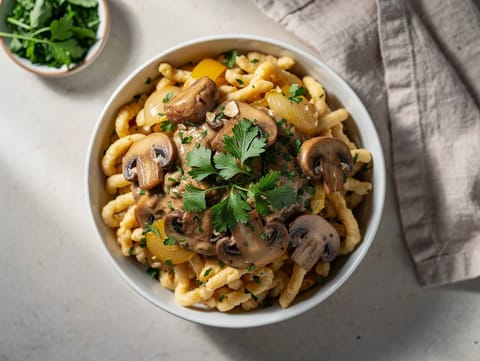
Spätzle Mushroom Bowl with Creamy Mushroom Sauce
Spätzle with creamy mushroom sauce, onion, garlic and parsley

Kluski Śląskie (Silesian Potato Dumplings with Gravy)
Silesian potato dumplings served with a simple pan gravy
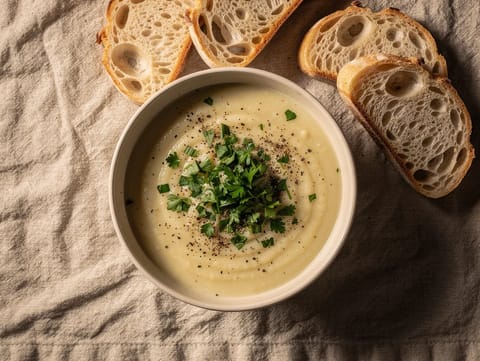
Leek and Potato Soup with Crusty Bread
Smooth leek and potato soup finished with double cream
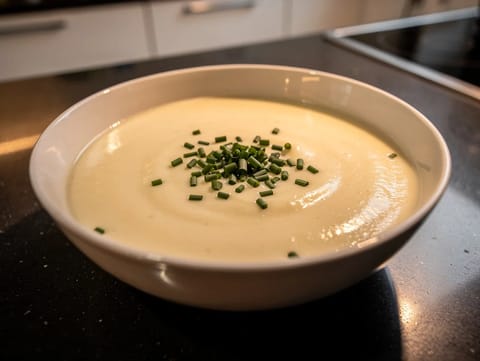
Leek and Potato Vichyssoise
Chilled leek and potato soup finished with double cream
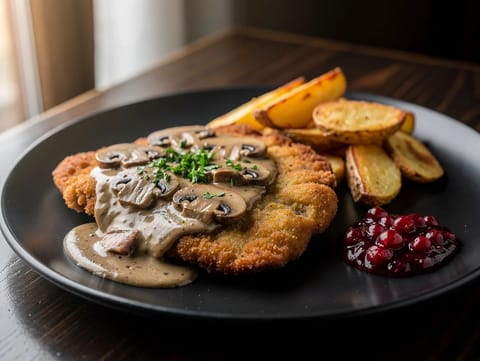
Jägerschnitzel (Pork Schnitzel with Mushroom Gravy)
Crisp pork schnitzel topped with creamy mushroom gravy

Frittata di Patate (Potato, Onion and Parmesan Frittata)
Potato frittata with onion and parmesan
You might also like

Paella de Mariscos (Seafood Paella with Prawns, Mussels and Squid)
Saffron rice cooked with prawns, mussels and squid
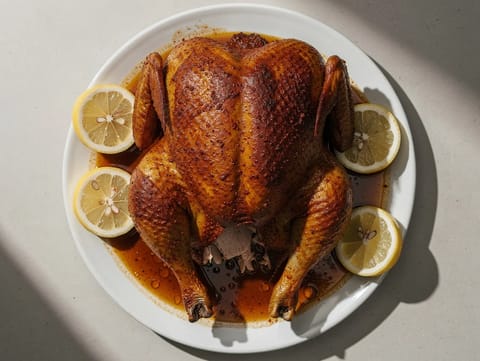
Frango Assado à Portuguesa (Portuguese-Style Roast Chicken)
Portuguese-style roast chicken with garlic, paprika, lemon and olive oil
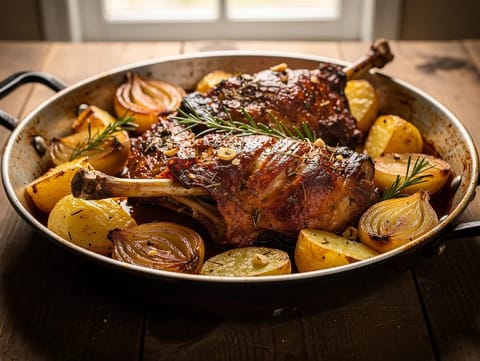
Cabrito Assado de Páscoa (Easter Roast Kid Goat with Potatoes)
Roast kid goat with potatoes, onions, garlic and white wine

Spanish Lemon and Herb Salmon
Pan-seared salmon with lemon, herbs, garlic and paprika

Pudim Flan (Portuguese Caramel Flan)
Baked caramel flan chilled and unmoulded with caramel sauce

Devilled Eggs with Mayonnaise, Dijon Mustard and Paprika
Devilled eggs with a creamy Dijon and mayonnaise filling
Make this recipe easier next time
AdvertisementThese tools help you get better results with less effort.
WMF Mini Saucepan 16 cm with Lid
- High-quality stainless steel
- Even heat distribution
- Higher price point
T-fal Specialty Nonstick Handy Pot with Glass Lid 3 Quart
- Easy food release
- Dishwasher safe
- Not induction compatible
All-Clad Tri-Ply Stainless Steel Saucepan
- Excellent heat control
- Premium build quality
- Expensive
Enjoy cooking with JustRecipes?
Add JustRecipes as one of your preferred Google sources to discover our recipes more easily across Google Search.
Add JustRecipes to GoogleEvery recipe on JustRecipes follows the same structured editorial process. Learn how recipes are created, validated, translated, illustrated, and continuously improved across the platform. How we create recipes.
