
Red Velvet Cake with Cream Cheese Frosting
Why this recipe works
- Balanced tang: Buttermilk, vinegar and cream cheese cut through the sweetness, giving the cake its characteristic gentle sharpness.
- Smooth frosting: Softened butter and full-fat cream cheese whip into a rich frosting that spreads cleanly and sets well when chilled.
- Classic red velvet structure: The vinegar and bicarbonate reaction is folded in at the end, helping support a tender, even crumb.
- Made for sharing: Two neat layers and a full coating of frosting make this a practical celebration cake that slices cleanly after chilling.
Get the most out of this recipe
Timing notes
- Cool before frosting: Let the cake layers cool completely before assembling, otherwise the cream cheese frosting can soften and slide.
- Chill for clean slices: A short chill after frosting firms the surface and helps the layers cut neatly.
- Serve slightly softened: For the best texture, let refrigerated slices sit at room temperature before serving.
Texture tips
- Keep the crumb tender: Once the flour is added, mix only until the batter is smooth; overmixing can make the sponge firm rather than soft.
- Smooth the frosting: Sift the icing sugar if it is lumpy so the cream cheese frosting stays glossy and even.
- Firm soft frosting: If the frosting feels loose in a warm kitchen, chill it briefly, then re-whip before spreading.
Ingredient notes
- Use full-fat cream cheese: Full-fat cream cheese gives the frosting better body and a cleaner tang than lighter versions.
- Buttermilk is important: Buttermilk provides acidity for flavour and works with the bicarbonate of soda to support the cake’s soft crumb.
- Start with softened ingredients: Softened butter and room-temperature eggs help the batter cream evenly and reduce the risk of a split mixture.
Make-ahead tips
- Freeze the layers: Unfrosted cake layers freeze well when wrapped securely, then can be defrosted and frosted later.
- Store the frosted cake chilled: Keep the assembled cake covered in the fridge, especially because of the cream cheese frosting.
- Frost closer to serving: For the neatest finish, bake and cool the layers ahead, then trim, fill and frost once the cake is fully cold.
Equipment you'll need
Ingredients
Cake
Cream cheese frosting
Instructions
- Heat the oven to 175°C (345°F). Grease and line two 20 cm cake tins.
- In a bowl, whisk together the flour, cocoa powder and fine sea salt until evenly combined. Set aside.
- In a stand mixer, beat the butter and caster sugar on medium-high speed for 3 to 4 minutes until very pale and fluffy. Beat in the eggs one at a time, then mix in the vanilla and food colouring until evenly tinted.
- With the mixer on low, add the dry ingredients in three additions, alternating with the buttermilk in two additions, just until smooth. Scrape down the bowl and give it a final brief mix.
- In a small bowl, stir together the vinegar and bicarbonate of soda; it will fizz. Immediately fold it into the batter, then divide the batter evenly between the tins and level the tops.
- Bake for 25 to 30 minutes, until the cakes spring back when lightly pressed and a skewer comes out clean. Cool in the tins for 10 minutes, then turn out onto a rack to cool completely.
- For the frosting, beat the butter and cream cheese on medium speed for 1 to 2 minutes until smooth. Add the icing sugar, vanilla and a pinch of fine sea salt, then beat on low to combine and on medium-high for 1 to 2 minutes until fluffy.
- If the cakes have domed, trim the tops level. Sandwich the layers with about one third of the frosting, then cover the top and sides with the remaining frosting for clean slices.
- Chill the frosted cake for 30 minutes to set the frosting, then slice and serve. For the neatest slices, wipe the knife between cuts.
Recipe notes
Tips
- For a fine, even crumb, stop mixing as soon as the flour disappears; overmixing can make the sponge tough.
- If your kitchen is warm and the frosting feels soft, chill it for 10 to 15 minutes, then re-whip briefly before frosting the cake.
- Food safety: if serving to pregnant people, young children, older adults, or anyone immunocompromised, use eggs that are produced to be eaten lightly cooked and ensure the cake is baked until a skewer comes out clean.
Substitutions
- Replace white wine vinegar with apple cider vinegar for a similar tang.
- Replace vanilla extract with madagascar vanilla paste for a slightly richer vanilla flavour.
Storage
- Refrigerate up to 4 days
- Store the cake covered in the fridge for up to 4 days. For best texture, let slices sit at room temperature for 20 to 30 minutes before serving; freeze unfrosted cake layers well wrapped for up to 2 months, then defrost and frost.
Ratings & reviews
Liked this recipe? Share your feedback to support our cooking community.
Tried this recipe?
Choose 1–5 stars. A comment is optional.
Stay inspired
Discover new recipes, seasonal favourites and cooking inspiration every day. Follow JustRecipes on Pinterest and Spillt.

Recipe overview
- Servings: 10 servings
- Total time: 2h 40min (45min active)
- Difficulty: Medium
- Cuisine: American
-
Allergens:
Eggs Gluten Milk Wheat
Plan your meals and get a complete grocery list automatically.
Add to meal plannerEquipment you'll need
Got ingredients left?
Find recipes using ingredients from this recipe or what you already have at home.
Find recipes with these ingredients →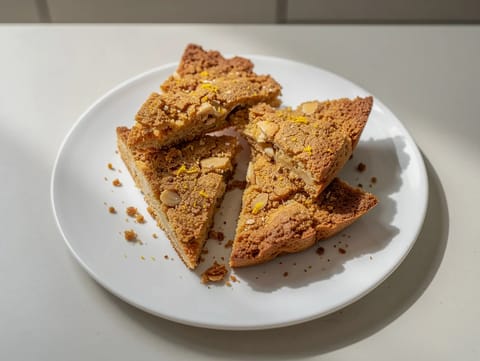
Sbrisolona (Crumbly Almond Cake from Mantua)
Crumbly Mantuan almond cake, baked golden and broken into shards
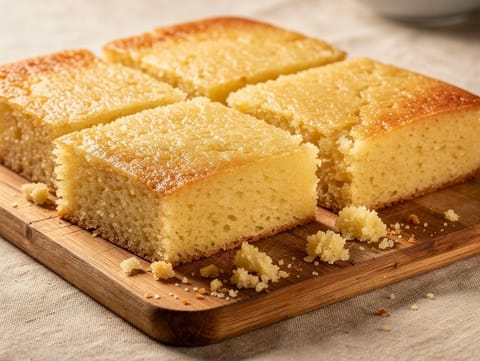
Revani (Greek Semolina Syrup Cake with Lemon)
Greek revani semolina cake soaked in lemon syrup
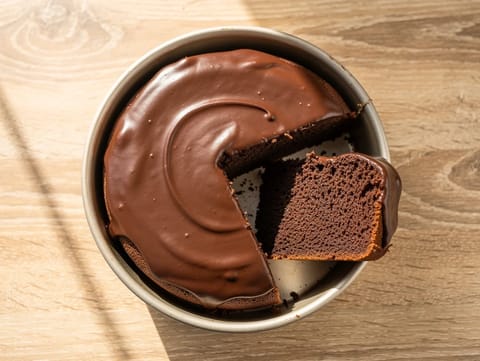
Air Fryer Chocolate Cake
Small chocolate cake baked in the air fryer with icing.
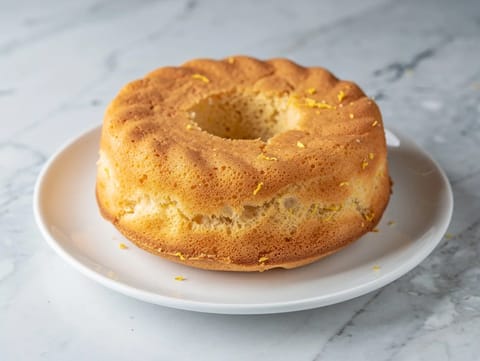
Ciambella al Forno (Italian Breakfast Ring Cake)
Italian breakfast ring cake with lemon zest, mixed in one bowl
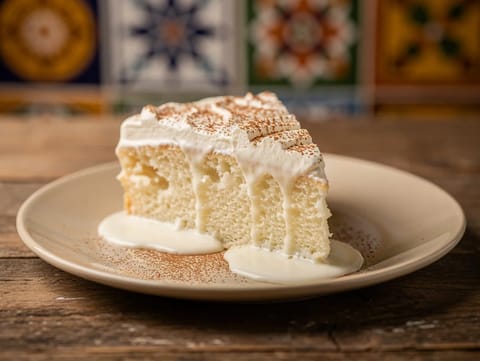
Tres Leches Cake (Sponge Soaked in Three Milks)
Sponge cake soaked in three milks with cinnamon whipped cream
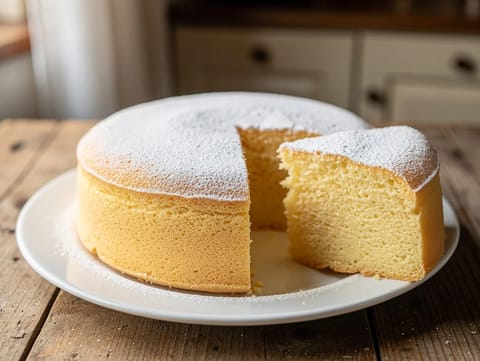
Torta Paradiso (Light Buttery Sponge Cake from Pavia)
Light buttery sponge cake finished with a dusting of icing sugar
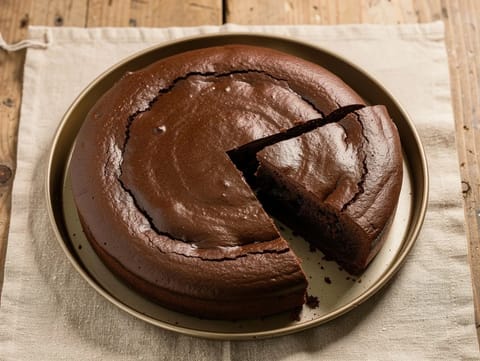
Gluten-Free Flourless Chocolate Cake
Fudgy flourless chocolate cake with cocoa
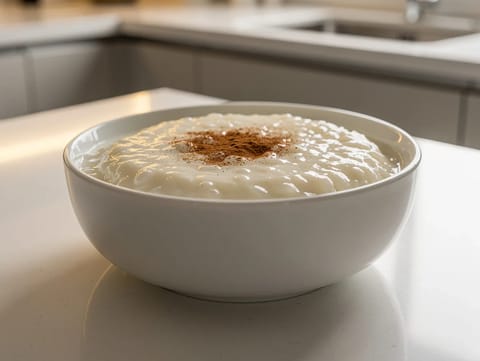
Sütlaç (Turkish Rice Pudding)
Chilled Turkish rice pudding with vanilla and cinnamon
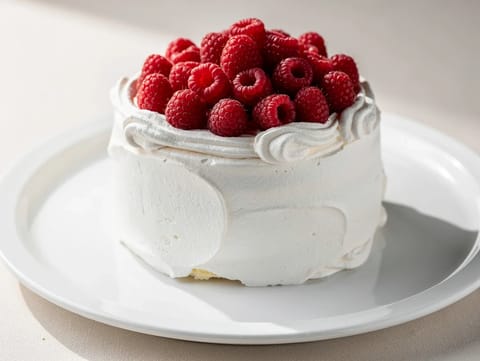
Vacherin Glacé (Meringue and Ice Cream Dessert)
Frozen dessert of meringue, vanilla ice cream and raspberries
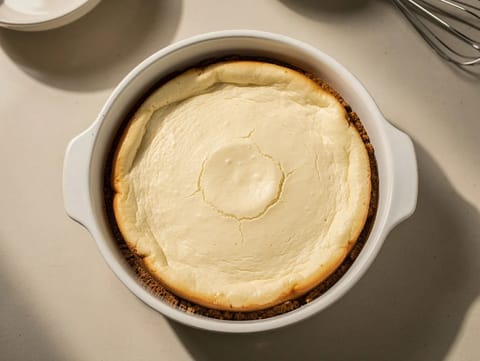
Air Fryer New York Cheesecake
Rich New York-style cheesecake baked in an air fryer.
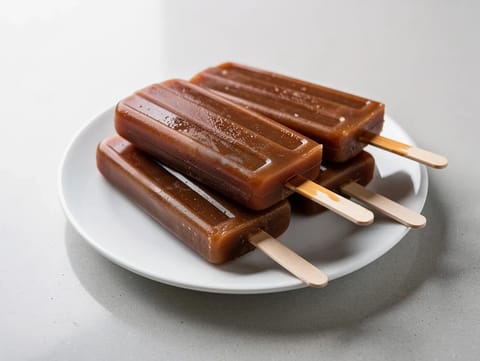
Tamarind Paletas (Chilli Tamarind Ice Lollies)
Tamarind and chilli ice lollies with lime
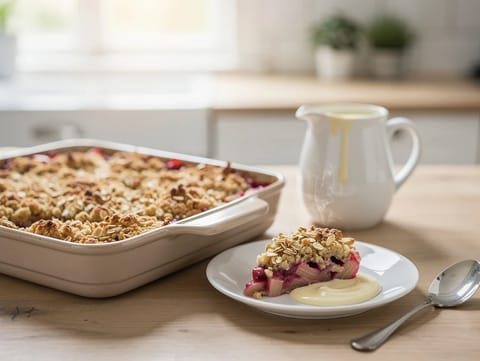
Rhubarb Crumble with Custard
Baked rhubarb crumble with a crisp oat topping and custard
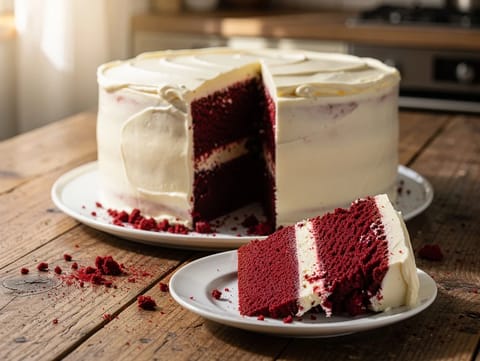
Red Velvet Cake with Cream Cheese Icing
Red velvet cake with cocoa and cream cheese icing
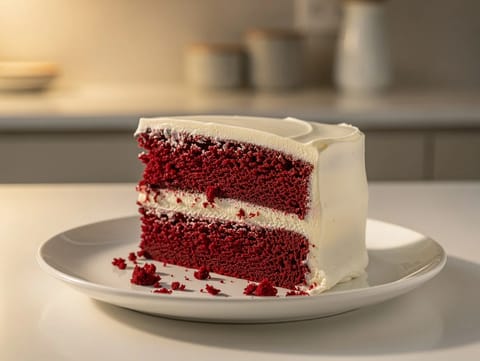
Red Velvet Cake with Cream Cheese Frosting
Red velvet cake layered with cream cheese frosting
Bûche de Noël (Yule Log Cake) with Chocolate Buttercream
Chocolate sponge roll filled and coated with chocolate buttercream
Yule Log (British Style)
Chocolate Swiss roll filled and coated with chocolate buttercream
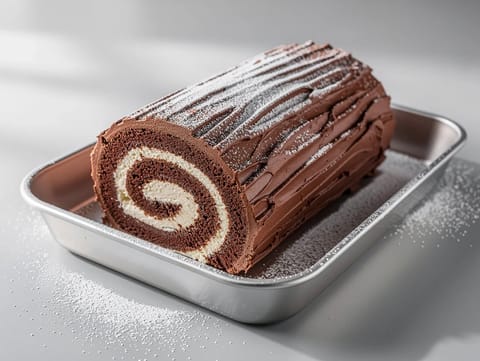
Nordic Yule Log Cake (Chocolate Swiss Roll)
Cocoa Swiss roll filled with whipped cream and buttercream
Air Fryer Chocolate Cake
Small chocolate cake baked in the air fryer with icing.
You might also like
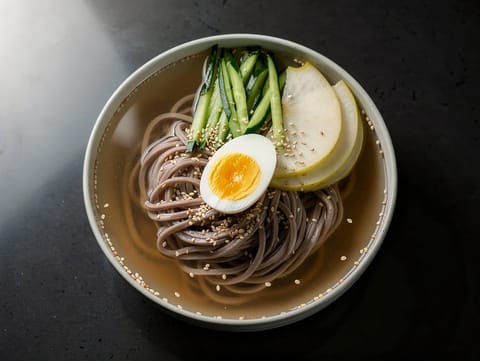
Naengmyeon (Cold Buckwheat Noodles)
Cold buckwheat noodles served in tangy chilled beef broth
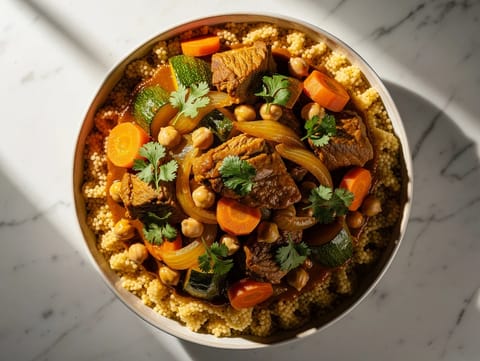
Moroccan Couscous with Lamb, Chickpeas and Vegetables
Steamed couscous with tender lamb, chickpeas and vegetables
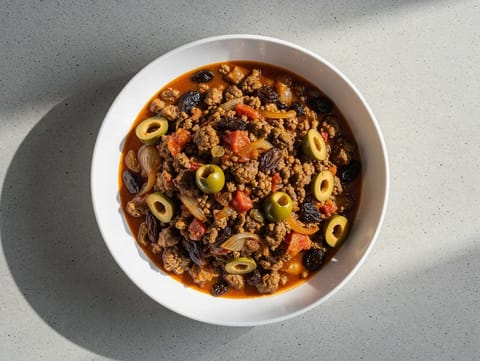
Holiday Picadillo (Sweet and Savoury Minced Beef Stew)
Minced beef picadillo with tomatoes, olives and raisins
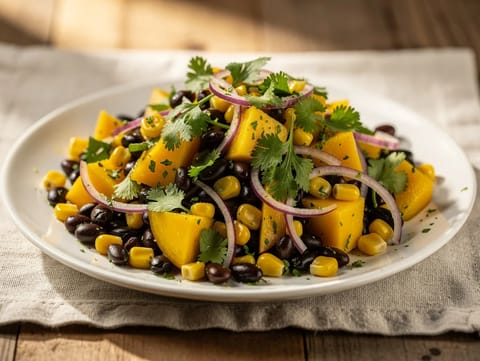
Mango Salad with Black Beans, Sweetcorn and Lime
Mango salad with black beans, sweetcorn and lime
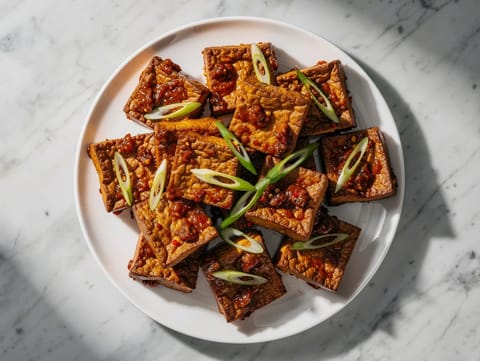
Miso Chilli Crispy Tofu
Crispy baked tofu tossed in miso chilli sauce
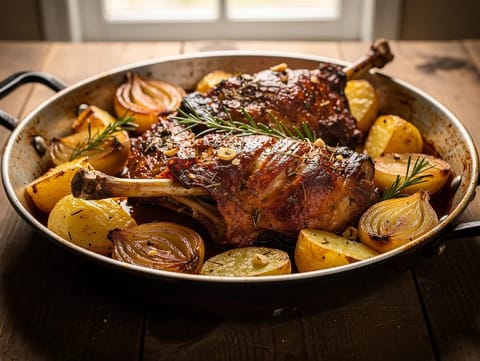
Cabrito Assado de Páscoa (Easter Roast Kid Goat with Potatoes)
Roast kid goat with potatoes, onions, garlic and white wine
Make this recipe easier next time
AdvertisementThese tools help you get better results with less effort.
KitchenAid Stainless Steel Mixing Bowls
- Non-slip base
- Stainless steel
- Not microwave safe
Pyrex Glass Mixing Bowls with Lids
- Microwave safe
- BPA-free lids
- Glass is heavier
OXO Good Grips Stainless Mixing Bowl Set
- Non-slip base
- Comfort grip
- Higher price
Enjoy cooking with JustRecipes?
Add JustRecipes as one of your preferred Google sources to discover our recipes more easily across Google Search.
Add JustRecipes to GoogleEvery recipe on JustRecipes follows the same structured editorial process. Learn how recipes are created, validated, translated, illustrated, and continuously improved across the platform. How we create recipes.
