
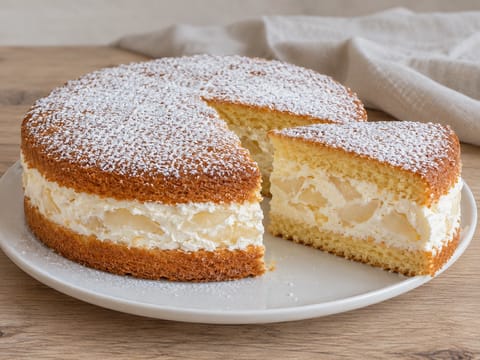
Torta di Ricotta e Pere (Ricotta and Pear Cake)
Sponge cake layered with ricotta cream and sliced pears

A stand mixer is most useful when a recipe asks for sustained mixing, strong aeration or hands-free kneading. It is less about speed than consistency: the machine can keep going at an even pace while you measure, scrape down the bowl or prepare tins. Many recipes that mention a stand mixer can still be made without one, but the method may change slightly, especially for stiff doughs, large batches and mixtures that need a long, steady whip.
On this page, stand mixer means a countertop mixer with a bowl and motorised beaters, typically used with a paddle, whisk or dough hook. In practice, that points to recipes where texture is built mechanically: creaming butter and sugar until light, whipping egg whites to stable peaks, or developing gluten in bread dough. It does not automatically mean a recipe is complicated, but it often does mean the mixture benefits from thorough mixing and occasional scraping down of the bowl. Some recipes specify a stand mixer simply because it is convenient for a long mix, not because it is the only workable tool.
Sponge cake layered with ricotta cream and sliced pears
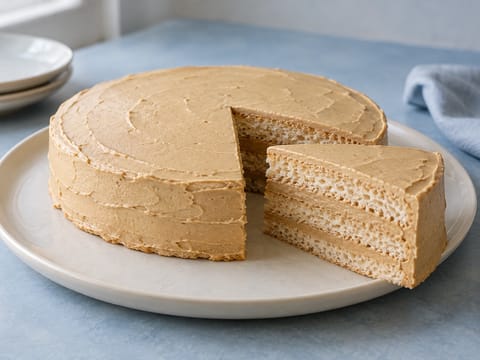
Almond meringue layer cake filled with coffee buttercream
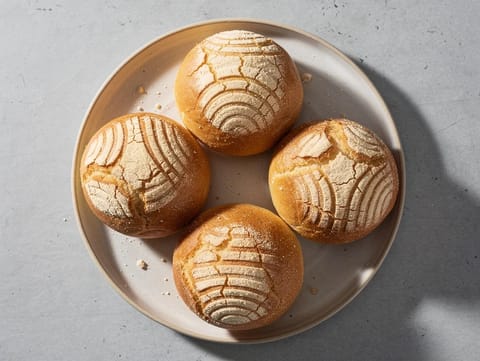
Soft conchas with a crackly vanilla sugar topping
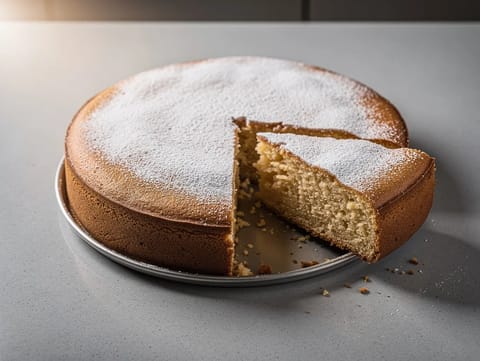
Buttery Greek cake with orange and vanilla
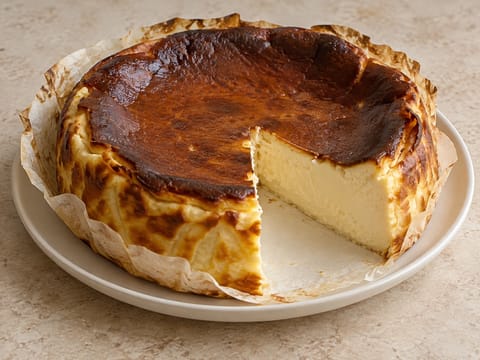
Crustless Basque cheesecake with a caramelised top
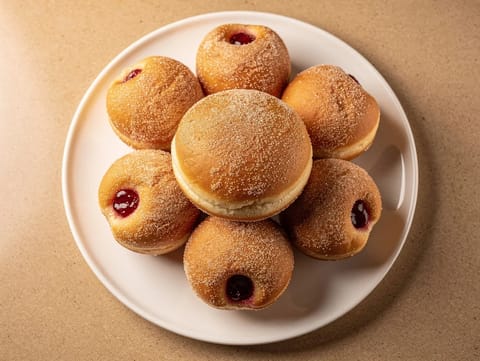
Yeasted jam doughnuts rolled in caster sugar
A hand mixer can replace a stand mixer for many batters and frostings, and for whipping cream or egg whites, though you may need to pause more often to avoid overheating the motor and to rest your arm. A sturdy wooden spoon or silicone spatula works for simple cake batters, brownies and many biscuit doughs where overmixing is a risk anyway. Where substitutions get harder is with enriched bread doughs and very stiff mixtures: kneading by hand is perfectly possible, but expect a different workflow and more attention to dough feel. For meringues and marshmallow-style mixtures, the key is stable, fine bubbles, so a whisk attachment and a clean, grease-free bowl matter more than the brand of machine.
Soft conchas with a crackly vanilla sugar topping
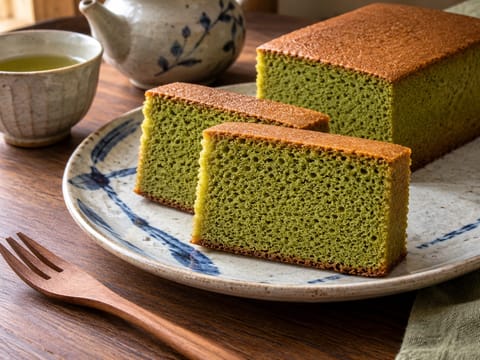
Matcha castella sponge cake with honey
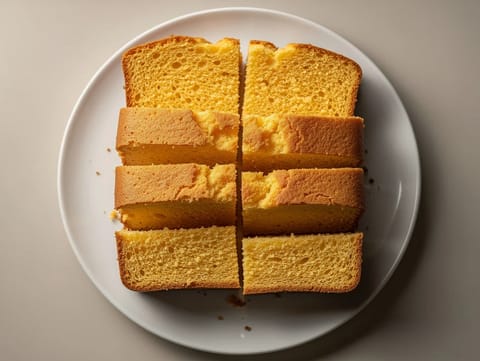
Polish sponge cake with a fine, tender crumb
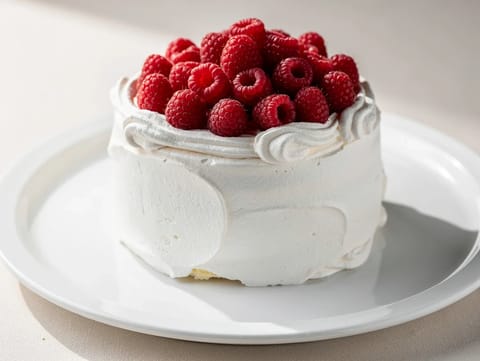
Frozen dessert of meringue, vanilla ice cream and raspberries
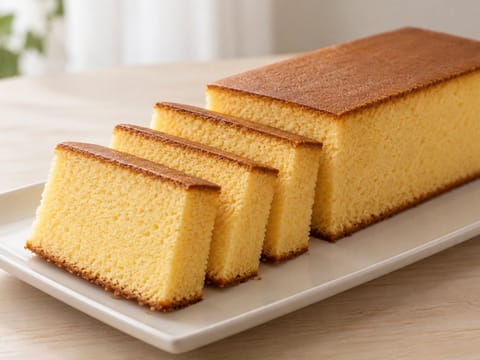
Nagasaki castella is a glossy egg sponge with honey
Crustless Basque cheesecake with a caramelised top
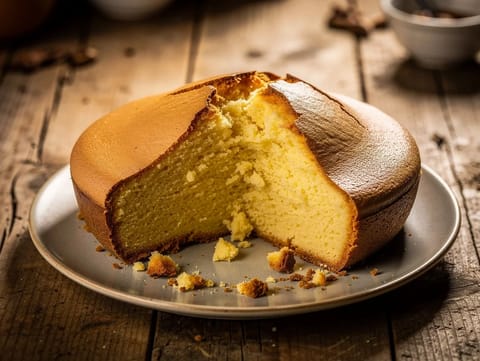
Light Portuguese sponge cake made with whisked eggs and flour
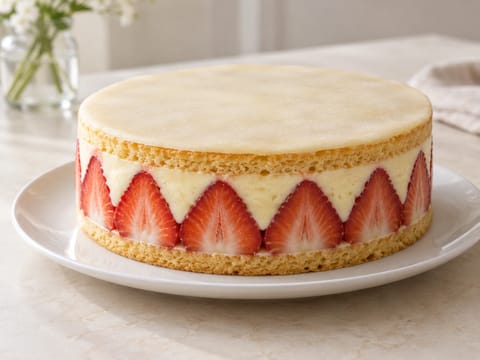
French strawberry cake with génoise and crème mousseline
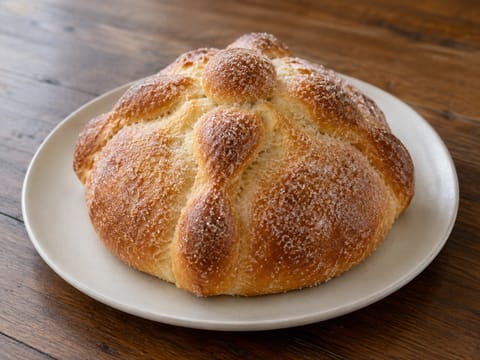
Soft orange and anise bread coated in sugar
Buttery Greek cake with orange and vanilla
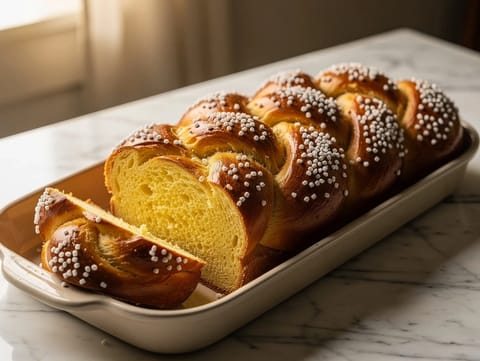
German braided yeast bread enriched with butter, eggs and milk
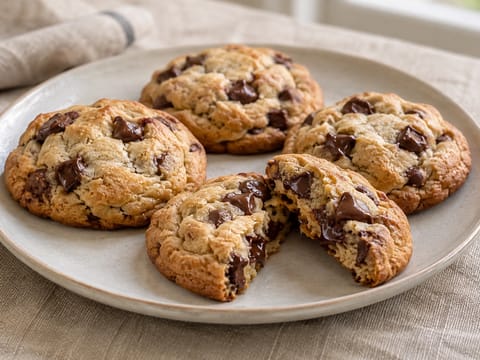
Thick New York-style cookies with dark chocolate chips
The most frequent issue is incomplete mixing: ingredients cling to the bowl and never meet the beater. Scrape down the bowl and, if needed, the beater itself, especially during creaming and when adding flour. Another is over-aeration or overmixing. A stand mixer can take a batter from smooth to tough quickly once flour is in, so switch to a lower speed and stop as soon as it comes together. With dough, the opposite can happen: a dough hook may simply push a small dough around without kneading it. If the dough rides up the hook, stop and reposition it, or finish briefly by hand to check elasticity.
If you are choosing between similar recipes, the Cooking method can clarify whether you are aiming for creaming, whisking, kneading or folding, which affects texture more than the equipment label. Difficulty is also useful here: some stand-mixer recipes are straightforward but benefit from attention to stages such as soft peaks, ribbon stage or windowpane dough.
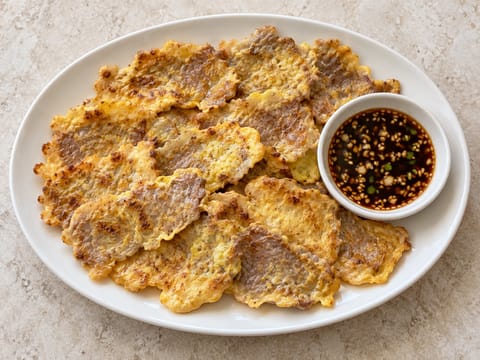
Korean pan-fried beef slices in egg coating with soy dip
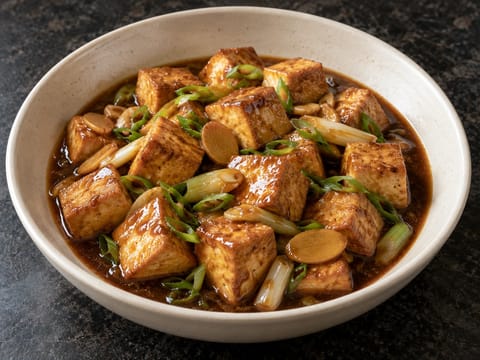
Pan-fried tofu braised in a glossy sweet soy sauce
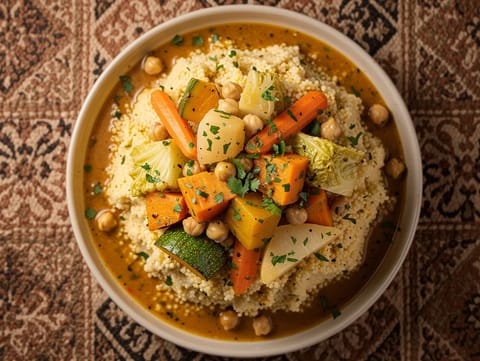
Steamed couscous topped with spiced vegetables and chickpeas
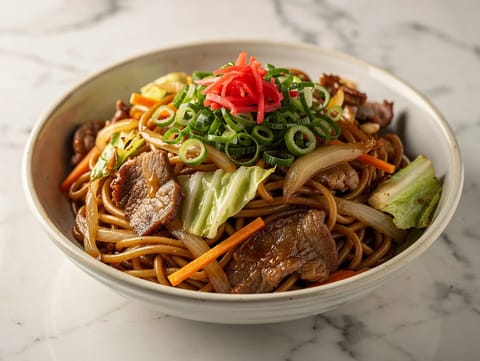
Japanese stir-fried noodles with pork, cabbage and carrots
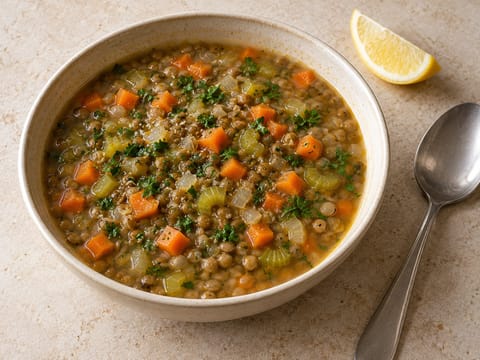
Green lentil soup with vegetables, bay leaf and lemon
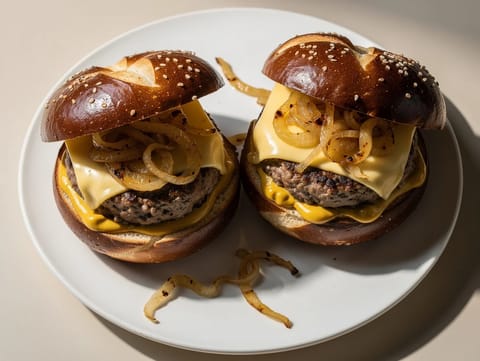
Pretzel bun burgers with Emmental, sautéed onions and German mustard
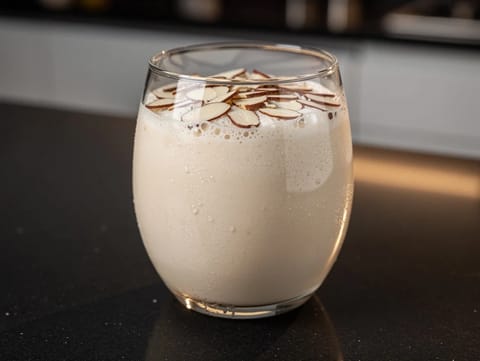
Vanilla almond smoothie with banana, Greek yoghurt and ice
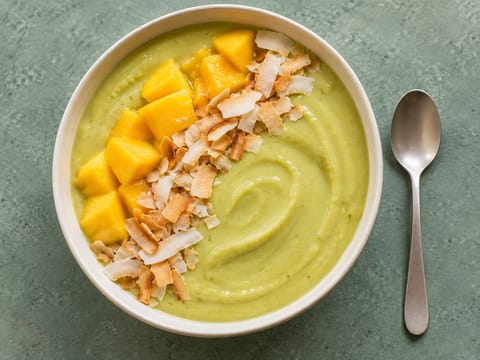
Coconut pandan smoothie bowl topped with mango and toasted coconut.
Not usually. Many breads can be kneaded by hand, and some rely on time and folds rather than intensive mixing. A stand mixer becomes most helpful for sticky doughs, enriched doughs and larger batches where sustained kneading is tiring.
It can cover a lot of the same ground for batters, icings and whipping, but it is less suited to stiff doughs and long kneads. It also tends to require more stopping and scraping down, and it ties up your hands while it runs.
Speed numbers are not standard. Use the description of the mixture as your guide: butter and sugar should look lighter and fluffier; whipped cream should hold soft or firm peaks as specified; dough should become smoother and more elastic.
The paddle mixes and creams without adding as much air, so it suits cake batters, cookie doughs and buttercream. The whisk is designed to incorporate air, so it is used for egg whites, cream and light sponge mixtures.
It often happens with small quantities or very soft dough. Stop the mixer, push the dough back down, and consider finishing with a short hand-knead to judge whether it has developed enough structure.
Long mixing is sometimes required, but it depends on what you are mixing. Dough can overheat and soften; whipped mixtures can go past their ideal stage. Follow the visual cues in the method and pause to check temperature and texture.
When you browse stand-mixer recipes, read for the job the machine is doing: aerating, emulsifying or kneading. If you would rather cook without one, choose methods that rely on gentle mixing, short whips or hand-kneading cues rather than long, high-speed beating.
