
Chocoflan (Chocolate Cake with Vanilla Flan)
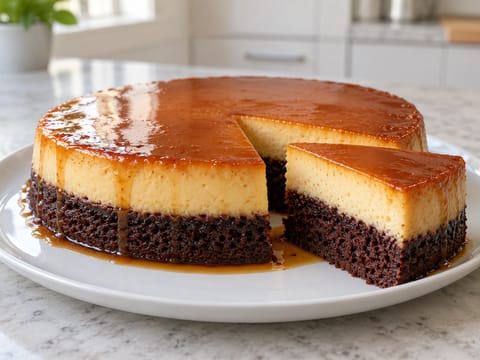
Caramel chocoflan with vanilla flan and chocolate sponge

Sometimes you know the feeling you want from dinner, baking or a snack long before you know what to cook: something tangy and sharp, gently herby, deeply smoky, or simply rich. Flavour profiles group recipes by their dominant taste and aroma, so you can browse by what will stand out on the palate. It is a useful way to compare very different dishes that deliver a similar impression, and to avoid surprises when you are cooking for a particular mood or menu.
A flavour profile describes the main sensory direction of a recipe: the note you notice first and remember last. Some terms point to tastes (sweet, salty, sour, bitter), while others describe a broader effect created by ingredients and technique (smoky, caramelised, creamy, herby, garlicky). It helps to treat these as headline characteristics rather than a full description of the dish. A recipe can be both rich and tangy, or sweet with a bitter edge, but one profile usually leads. Also, a profile does not automatically tell you how hot, heavy or complex a dish will be. “Spicy” here is about heat, while “peppery” can mean black pepper bite or a mustardy, leafy sharpness depending on the recipe.
Caramel chocoflan with vanilla flan and chocolate sponge
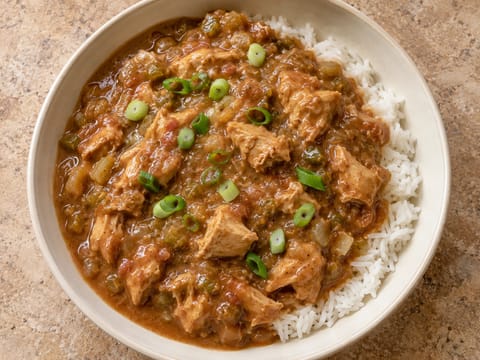
Cajun chicken étouffée with dark roux served over rice
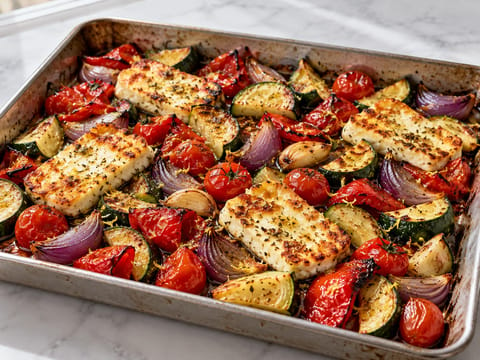
Halloumi traybake with roasted courgette, pepper and tomatoes

Dense Portuguese almond cake finished with icing sugar

Layered dessert with beans, pandan jelly, coconut milk and ice
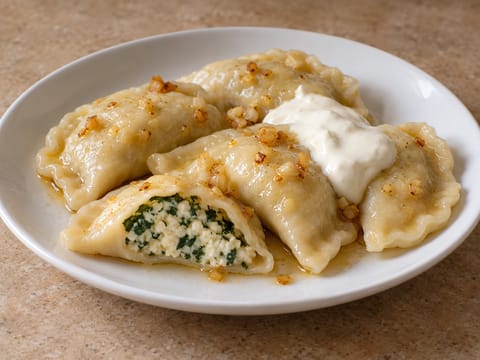
Pierogi filled with spinach and ricotta
The range runs from clean, high notes to darker, slower-cooked flavours. Bright profiles such as citrusy, tangy and sour often come from fresh juice, vinegar, yoghurt, pickles or fruit, and they tend to make food taste lighter even when the dish itself is substantial. Deeper profiles such as caramelised, smoky and nutty usually rely on browning, roasting, grilling, toasted spices or nuts, and they read as more rounded and savoury. Then there are texture-linked profiles like creamy, buttery and cheesy, where fat and emulsification shape how flavour lands on the tongue. Finally, “mild” and “rich” are useful when you want to manage intensity: mild points to gentler seasoning, while rich suggests concentration, fat, or both.
Pierogi filled with spinach and ricotta
Layered dessert with beans, pandan jelly, coconut milk and ice
Cajun chicken étouffée with dark roux served over rice
Caramel chocoflan with vanilla flan and chocolate sponge
Dense Portuguese almond cake finished with icing sugar
Halloumi traybake with roasted courgette, pepper and tomatoes
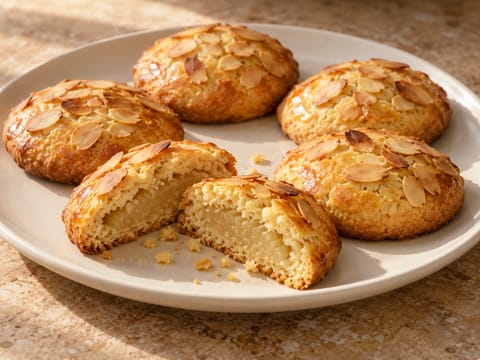
Buttery Dutch cookies with a thick almond paste filling

Chilled German red berry pudding thickened with cornflour
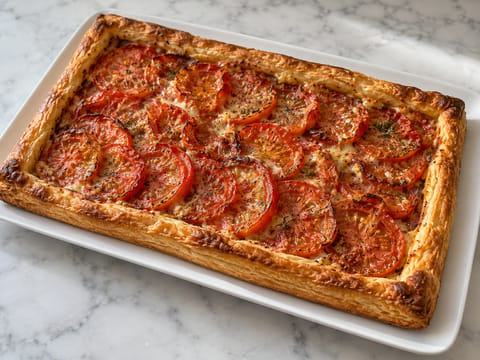
Puff pastry tart with Dijon mustard, tomatoes and Gruyère
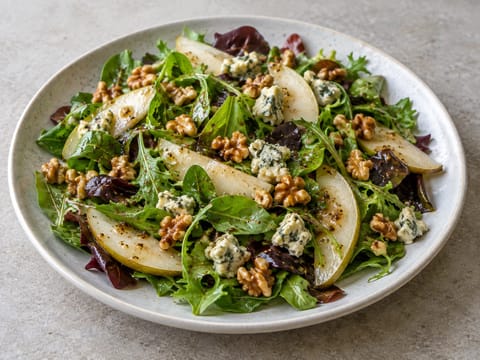
Salad with Stilton, pear and toasted walnuts
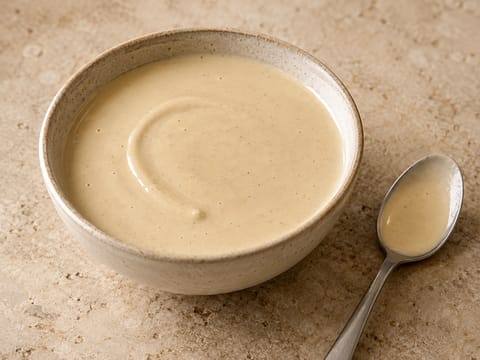
Smooth tahini sauce with lemon, garlic and water
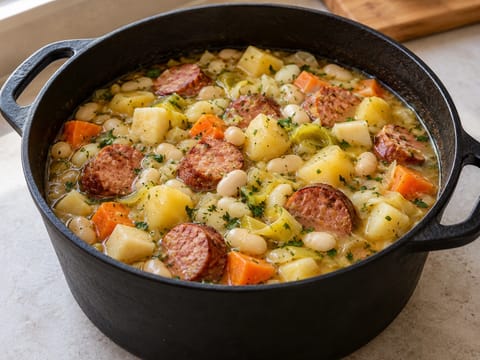
German one-pot stew with smoked sausage, beans and potatoes
Start with contrast. If the rest of your menu is heavy or starchy, a tangy, citrusy or herby recipe can cut through and keep the plate feeling balanced. If you are serving lean proteins or lots of vegetables, a creamy, buttery or cheesy direction often supplies the sense of fullness that comes from fat and salt. For cold-weather cooking, earthy, smoky and caramelised flavours tend to echo roasted and braised notes, while light & fresh and fruity profiles suit warmer days and lighter courses. Also consider your diners: bitter and sour profiles can be bracing and are often best alongside sweetness, salt or fat, whereas savoury, garlicky and mild profiles are usually easier to place in mixed-company meals.
If you have a flavour in mind but want to anchor it to a main component, browsing by Ingredient helps you find the foods that naturally carry that profile, such as citrus, herbs, chocolate or cheese. If you are building a menu, Dish type is the quickest way to translate a flavour direction into a format, whether you need a salad, soup, bake, dessert or drink.
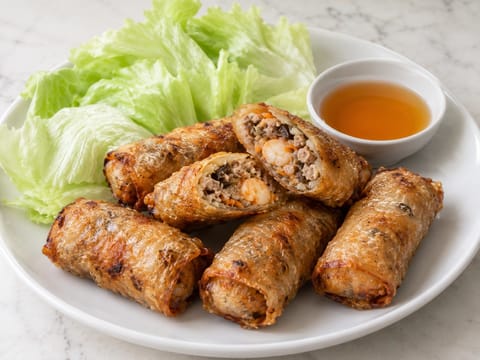
Crisp fried spring rolls with pork, prawns and glass noodles
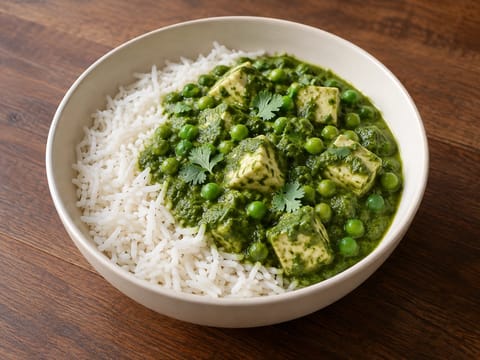
Basmati rice with green coconut curry, paneer and peas

Stovetop Indian spiced tea with milk, ginger and cardamom
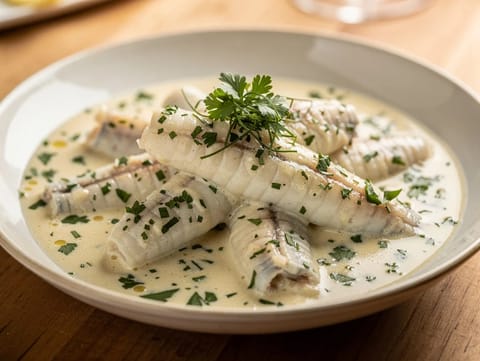
Belgian eel poached in a creamy white wine herb sauce

Griddled gorditas stuffed with black beans, salsa and queso fresco
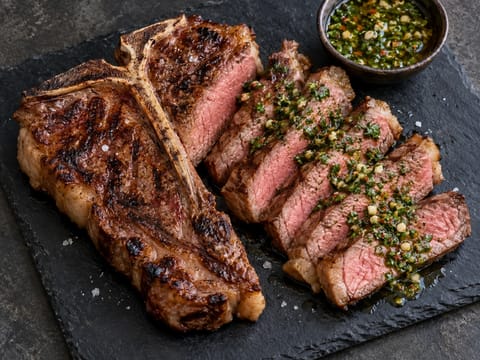
Grilled T-bone steak with parsley chimichurri
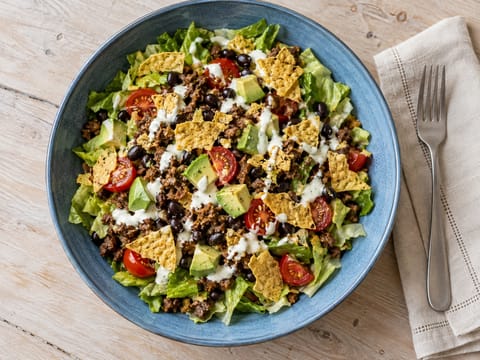
Taco salad with spiced beef, black beans and lime yoghurt

Chicken simmered with chipotle, onion and a glossy cola sauce
Yes. Many dishes have layers, but one note usually dominates. Use the profile as a starting point, then read the ingredient list and method to see what else is going on.
Sour is the basic taste (from acids). Tangy often suggests sourness with a little sweetness or savouriness, as in yoghurt or certain sauces. Citrusy is sourness specifically shaped by citrus zest and juice, often with aromatic lift.
Spicy (hot) refers to chilli heat. Peppery is a sharper, pricking warmth that can come from black pepper, mustard, radish or peppery leaves, and it usually reads as less lingering than chilli heat.
Not necessarily. Some recipes get smokiness from grilling or charring, while others use ingredients that taste smoky. The method will tell you whether smoke is created by cooking technique or added flavour.
They overlap, but they are not identical. Creamy describes a smooth, coating texture, often from dairy, coconut, purées or emulsified sauces. Rich is broader and can come from fat, reduced sauces, browned flavours, or sweetness.
Caramelised notes come from browning reactions during cooking, which create complex aromas as well as sweetness. Sweet profiles can be straightforward sugar or fruit sweetness without those roasted, toasty flavours.
When you are undecided, choosing a flavour profile is a practical shortcut: it narrows the field by taste rather than by cuisine or course. Pick the dominant note you want, then fine-tune by ingredient or dish type to match what you have and how you plan to serve it.
