
Gorditas de Frijoles Negros (Black Bean Stuffed Gorditas)
Why this recipe works
- Good texture contrast: The warm, soft masa pocket contrasts with spoonable black beans, crisp lettuce and crumbly queso fresco.
- Fresh, balanced finish: Salsa and lime cut through the richness of the beans and cheese, keeping each filled gordita bright rather than heavy.
- Easy to prepare in parts: The gorditas and bean filling can be stored separately, then reheated before adding fresh toppings.
Get the most out of this recipe
Ingredient notes
- Use masa harina, not cornmeal: Masa harina is nixtamalised corn flour and gives gorditas their pliable texture and distinctive corn flavour. Regular cornmeal will not hydrate or shape in the same way.
- Keep the dough supple: The dough should feel soft and smooth rather than dry. If cracks appear while shaping, dampen your hands and smooth the edges before cooking.
Texture tips
- Fill just before serving: Add the beans, salsa, lettuce and cheese after the gorditas are cooked and split so the masa stays tender rather than soggy.
- Simmer the beans until spoonable: The bean filling should be thick enough to sit in the pocket without running out. Mash some of the beans as they simmer to help the mixture hold together.
Make-ahead tips
- Store the components apart: Keep cooked gorditas and black bean filling in separate airtight containers, then add salsa, lettuce, lime and queso fresco only when serving.
- Reheat for the best texture: Warm the gorditas in a dry frying pan over a medium heat and loosen the beans gently in a saucepan with a splash of water if needed.
- Freeze before adding toppings: Cooked gorditas and bean filling can be frozen separately; defrost in the fridge before reheating and finishing with the fresh toppings.
Authenticity notes
- Antojito-style serving: Gorditas are commonly served as filled masa pockets, with the cooked cake split open and topped or stuffed with savoury fillings.
- Fillings vary widely: Black beans make this version vegetarian, while the same masa pocket can be adapted with different salsas, cheeses, vegetables or other savoury fillings.
Equipment you'll need
Ingredients
Instructions
- In a bowl, mix the masa harina with the fine sea salt, then stir in the warm water to form a soft dough. Knead for 1 minute until smooth; if it cracks, work in a splash more water. Cover and rest for 10 minutes.
- Meanwhile, finely chop the white onion and crush the garlic. Shred the romaine lettuce and cut the lime into wedges. Crumble the queso fresco.
- Heat 1 tbsp vegetable oil in a saucepan over a medium heat. Cook the onion for 4 to 5 minutes until softened, then add the garlic for 30 seconds until fragrant. Stir in the black beans (with their liquid) and simmer for 6 to 8 minutes until thick and spoonable, mashing some beans with the back of the spoon.
- Divide the dough into 4 equal balls and flatten each into a thick disc about 1 cm thick. Heat a large frying pan over a medium-high heat and add the remaining 1 tbsp vegetable oil. Cook the gorditas for 3 to 4 minutes per side until golden with a few darker spots and cooked through.
- Split each gordita horizontally with a knife, keeping one edge attached to make a pocket. Spoon in the warm black bean filling, then top with salsa, romaine lettuce and queso fresco. Serve straight away with lime wedges for squeezing over.
Recipe notes
Tips
- Keep the dough covered while shaping so it does not dry out; if the edges crack as you press, wet your hands lightly and smooth the surface.
- For the best texture, let the beans simmer until they hold their shape on a spoon; if they seem dry, loosen with a splash of water.
- If serving anyone vulnerable, make sure the gorditas and bean filling are served piping hot.
Substitutions
- Replace the salsa with a smoother salsa for a milder finish, or a chunkier salsa for more texture.
- Replace the queso fresco with feta cheese for a saltier, firmer topping.
- Replace the vegetable oil with olive oil for a fruitier flavour.
Storage
- Refrigerate up to 3 days
- Store gorditas and bean filling separately in airtight containers. Reheat gorditas in a dry frying pan over a medium heat for 1 to 2 minutes per side, and warm the beans gently in a saucepan with a splash of water; add lettuce, salsa, lime and queso fresco just before serving. Freeze cooked gorditas and the bean filling (separately) for up to 2 months; defrost overnight in the fridge before reheating.
Ratings & reviews
Liked this recipe? Share your feedback to support our cooking community.
Tried this recipe?
Choose 1–5 stars. A comment is optional.
Stay inspired
Discover new recipes, seasonal favourites and cooking inspiration every day. Follow JustRecipes on Pinterest and Spillt.
Recipe overview
- Servings: 2 servings
- Total time: 45min (40min active)
- Difficulty: Medium
- Cuisine: Mexican
-
Allergens:
Milk
Plan your meals and get a complete grocery list automatically.
Add to meal plannerEquipment you'll need
Got ingredients left?
Find recipes using ingredients from this recipe or what you already have at home.
Find recipes with these ingredients →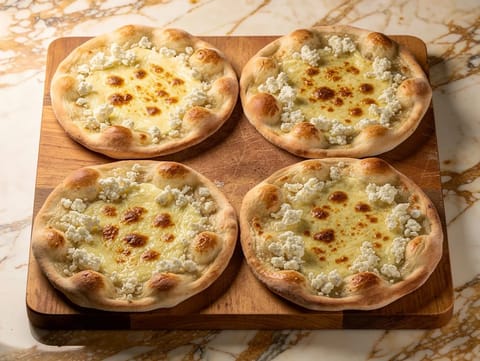
Manakish Cheese (Middle Eastern Flatbread)
Yeasted flatbreads topped with mozzarella and feta
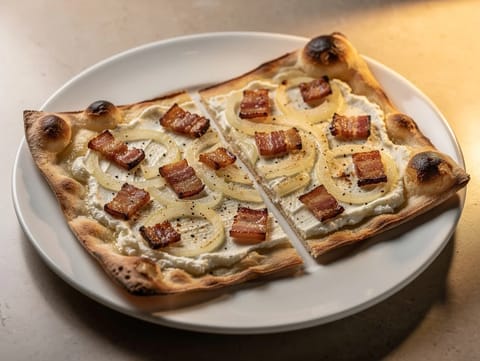
Tarte Flambée (French Flatbread with Onion and Lardons)
Crisp tarte flambée with onion, lardons and crème fraîche
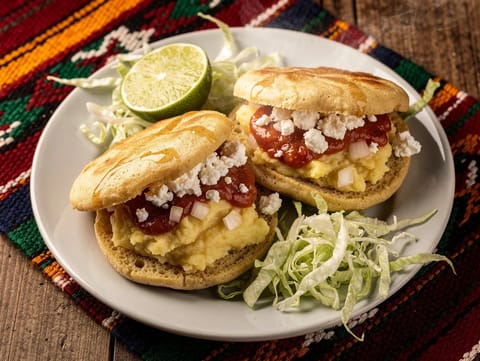
Vegetarian Gorditas with Potato and Cheese
Griddled gorditas filled with potato, onion and queso fresco
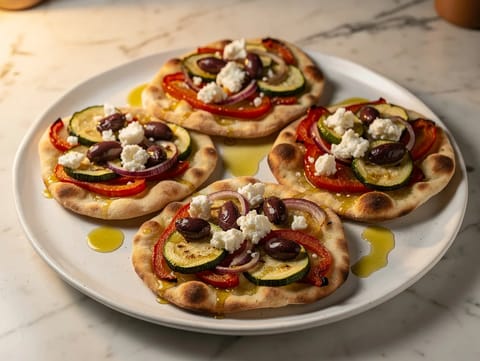
Mediterranean Veggie Flatbread
Crisp flatbreads topped with vegetables, feta and olives
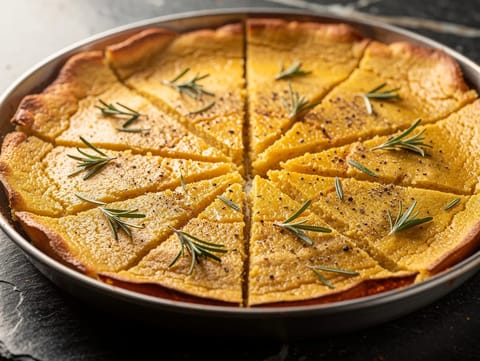
Farinata di Ceci (Ligurian Chickpea Flatbread)
Thin chickpea flatbread baked with olive oil until crisp
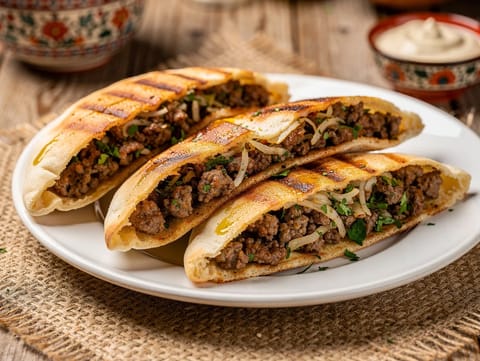
Arayes (Grilled Minced Lamb Stuffed Flatbreads)
Grilled pita stuffed with spiced minced lamb, onion and parsley
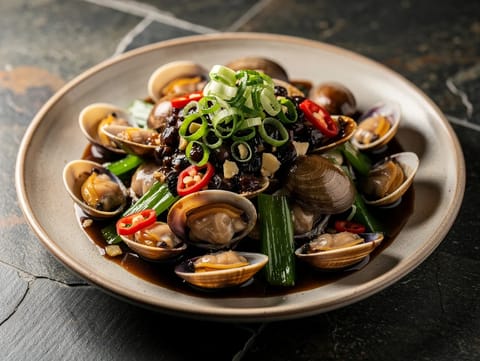
Stir-Fried Clams with Black Bean Sauce (Cantonese Seafood Dish)
Clams stir-fried in black bean sauce with garlic and chilli
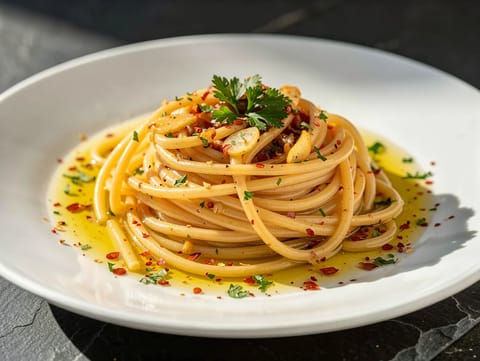
Spaghetti alla Cetara (Spaghetti with Anchovy, Garlic and Chilli)
Spaghetti with anchovy, garlic, chilli and parsley
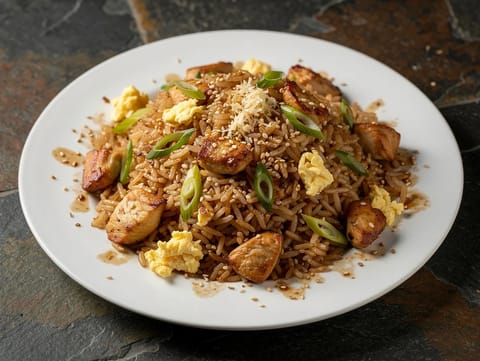
Chaufa (Peruvian Fried Rice)
Peruvian fried rice with chicken, egg, soy sauce and sesame oil
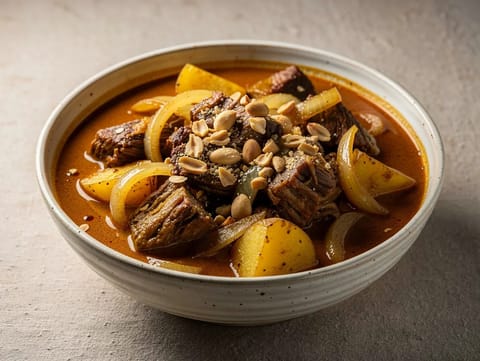
Massaman Curry with Beef, Potatoes and Peanuts
Massaman beef curry with potatoes, tamarind and roasted peanuts
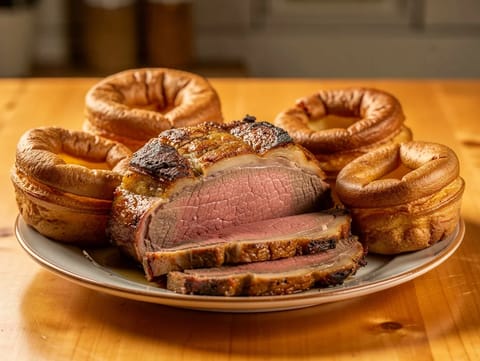
Roast Rib of Beef with Yorkshire Pudding
Roast rib of beef with Yorkshire puddings and gravy
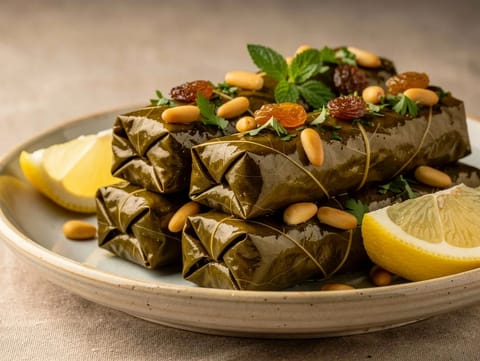
Stuffed Grape Leaves with Herbed Rice, Pine Nuts and Lemon
Stuffed grape leaves with herbed rice, pine nuts and currants
Vegetarian Gorditas with Potato and Cheese
Griddled gorditas filled with potato, onion and queso fresco
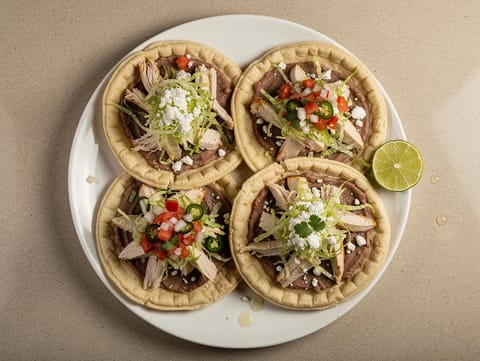
Sopes Caseros (Thick Masa Bases with Beans, Chicken and Toppings)
Thick sopes topped with beans, chicken, lettuce and salsa
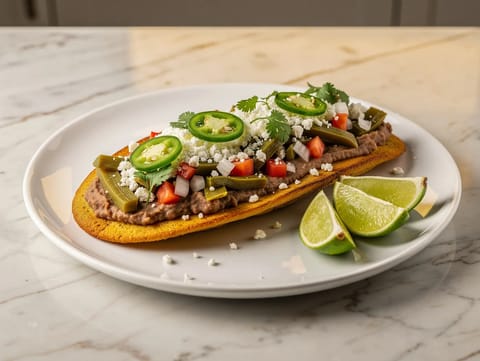
Huaraches de Frijoles con Nopales (Masa Cakes with Beans and Cactus)
Griddled masa cakes topped with beans and nopales
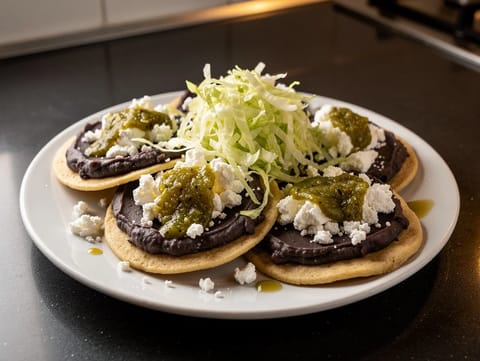
Memelas with Black Beans, Queso Fresco and Salsa Verde
Griddled masa memelas topped with black beans and salsa verde
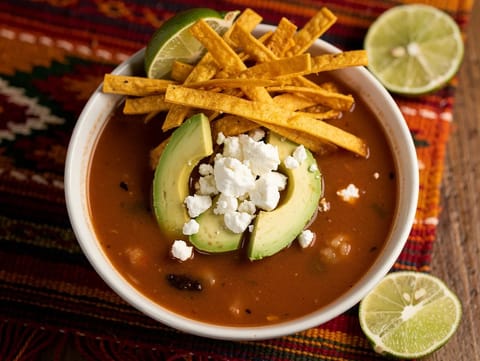
Sopa Azteca (Tortilla Soup with Chipotle and Avocado)
Tomato and chipotle tortilla soup topped with avocado and lime
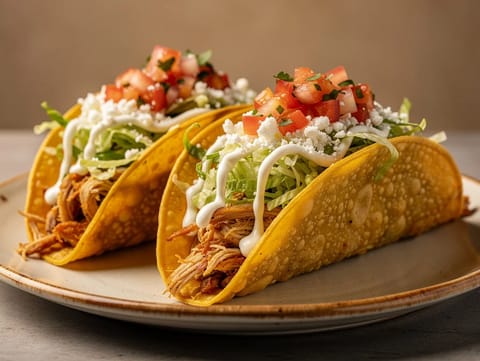
Tacos Dorados de Pollo (Crispy Fried Chicken Tacos)
Crispy fried chicken tacos with crema, lettuce and salsa
You might also like
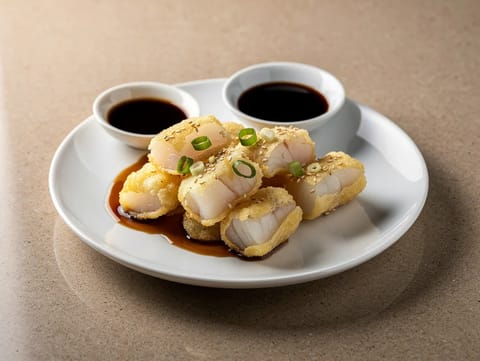
Saengseon Jeon (Korean Pan-Fried Fish)
Korean pan-fried cod in flour and egg coating
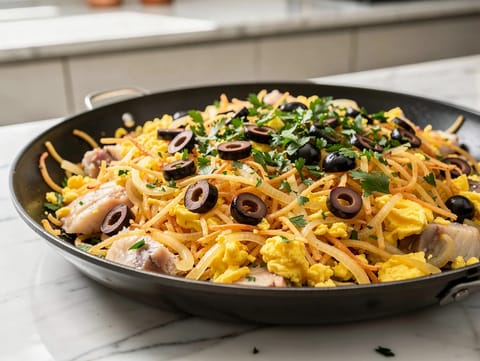
Bacalhau à Brás (Shredded Salt Cod with Eggs and Potatoes)
Salt cod with eggs, shoestring potatoes, olives and parsley
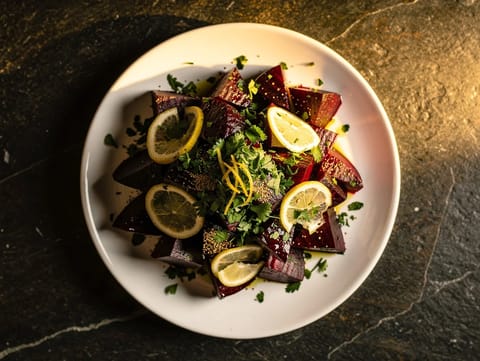
Moroccan Beetroot Salad with Cumin, Lemon and Olive Oil
Beetroot salad with lemon, cumin and fresh parsley
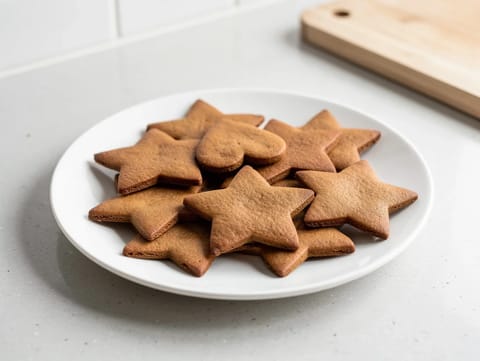
Pepperkaker (Nordic Gingerbread Biscuits with Golden Syrup)
Thin Nordic gingerbread biscuits with warm spices
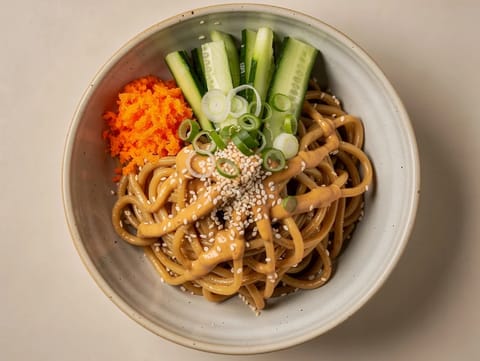
Modern Sesame Noodle Bowl with Peanut and Tahini Dressing
Sesame noodles with peanut and tahini dressing and crunchy veg
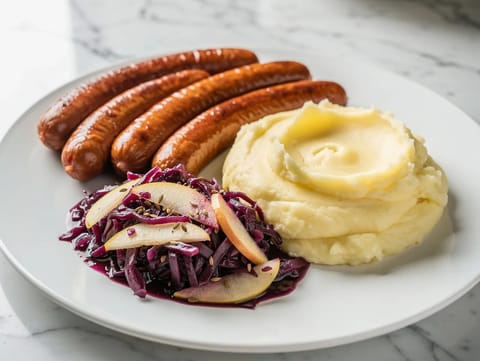
Vossakorv (Smoked Pork Sausage with Mash and Braised Red Cabbage)
Smoked pork sausage with mashed potatoes and braised red cabbage
Make this recipe easier next time
AdvertisementThese tools help you get better results with less effort.
OXO Good Grips 2-Piece Cutting Board Set
- Two useful sizes with reversible cutting surfaces
- Dishwasher safe and easy to clean
- Plastic surfaces will show knife marks over time
T-fal Ultimate Hard Anodized Nonstick Fry Pan 12 Inch
- Excellent price-performance
- Thermo-Spot heat indicator
- Not induction compatible
OXO Good Grips Stainless Mixing Bowl Set
- Non-slip base
- Comfort grip
- Higher price
Misen Carbon Steel Nonstick Frying Pan 12 Inch
- Works on all stovetops
- Naturally nonstick when seasoned
- Requires seasoning and maintenance
Enjoy cooking with JustRecipes?
Add JustRecipes as one of your preferred Google sources to discover our recipes more easily across Google Search.
Add JustRecipes to GoogleEvery recipe on JustRecipes follows the same structured editorial process. Learn how recipes are created, validated, translated, illustrated, and continuously improved across the platform. How we create recipes.
