
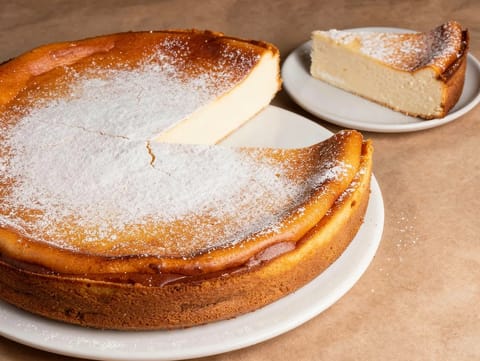
Sernik (Polish Baked Cheesecake with Quark)
Polish baked cheesecake made with quark and vanilla

Eggs are unusually versatile: they bind, thicken, emulsify, aerate and glaze, sometimes all in the same recipe. That versatility is why egg can appear in places that do not look ‘eggy’ at first glance, from dressings to baked goods. This page explains what counts as egg in cooking, the label terms that often signal its presence, and the kinds of substitutions that work when eggs are structural rather than simply an add-in.
In recipes, egg may mean whole eggs, yolks, whites, or processed forms such as dried egg powder. Each part behaves differently: yolks bring fat and emulsifying power, whites provide protein structure and can be whipped for lift, and whole eggs do a bit of both. Eggs also show up as an ingredient within other foods, including mayonnaise and aioli, some pastas and noodles, custards and curds, and as a glaze on breads and pastries. In baking, eggs can be central to the final texture, affecting crumb, rise and tenderness. In savoury cooking, they often provide richness and cohesion, for example in meatballs, fritters or batters.
Polish baked cheesecake made with quark and vanilla
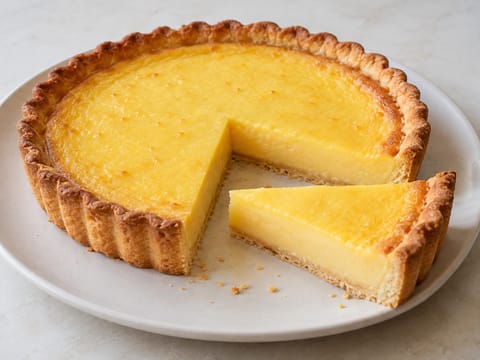
Italian lemon custard tart with a crisp shortcrust base
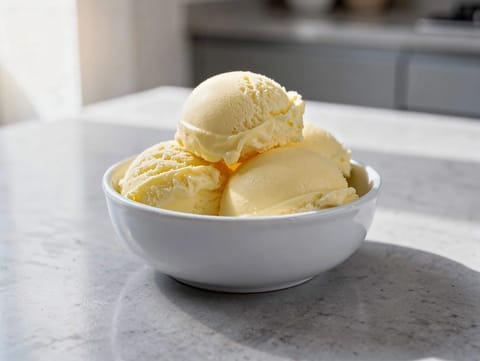
Italian lemon gelato made with fresh zest and juice
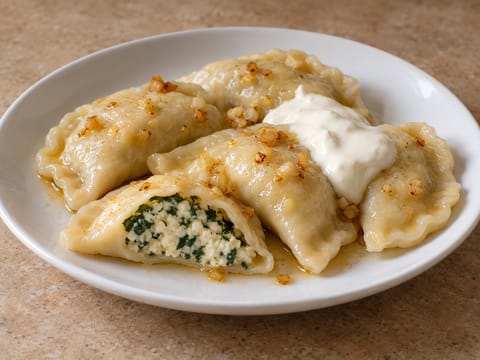
Pierogi filled with spinach and ricotta
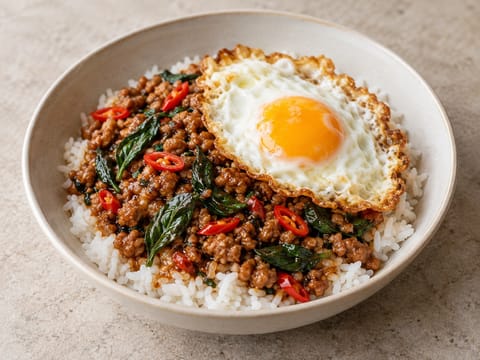
Thai basil minced pork stir-fry with rice and fried egg
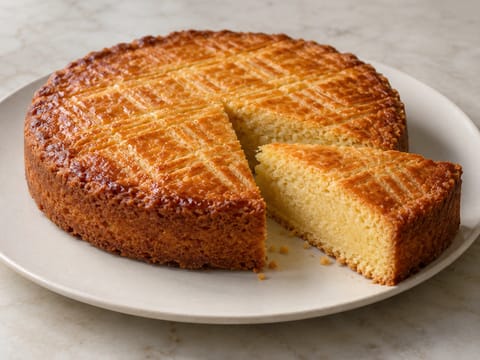
Dense Breton butter cake with vanilla and egg yolks
Start by asking what the egg is doing. If it is mainly binding a mixture, a different binder may work without changing flavour too much. If it is thickening a sauce or custard, you need an alternative thickener that can be heated without splitting. If it is providing lift, as in meringues and some sponge cakes, the technique is harder to replicate and you may be better choosing a recipe designed without eggs.
Also note how many eggs are involved and whether they are separated. A single egg in a batch of biscuits is often easier to replace than multiple eggs in a custard-based dessert. Finally, consider finishing touches: an egg wash gives colour and shine, but it is usually optional and can be replaced with other glazes.
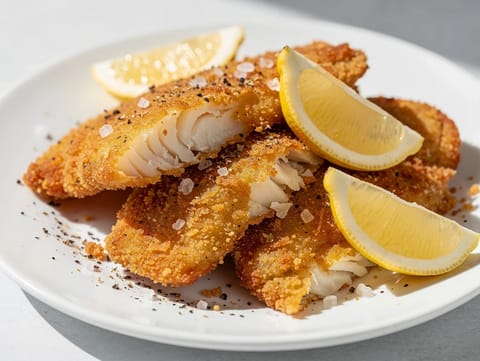
Breaded white fish fillets cooked crisp in the air fryer.
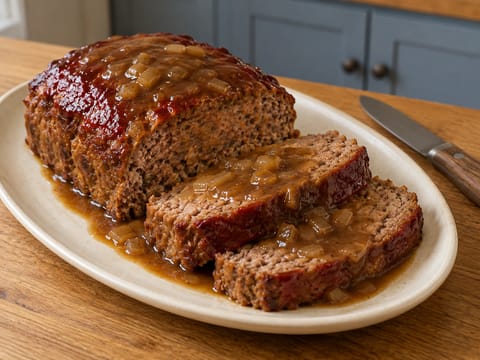
Juicy baked meatloaf served with rich brown onion gravy
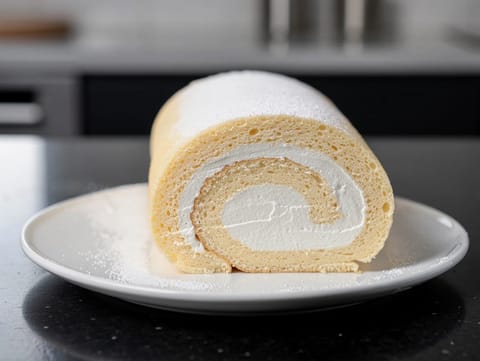
Spanish Swiss roll filled with sweetened whipped cream
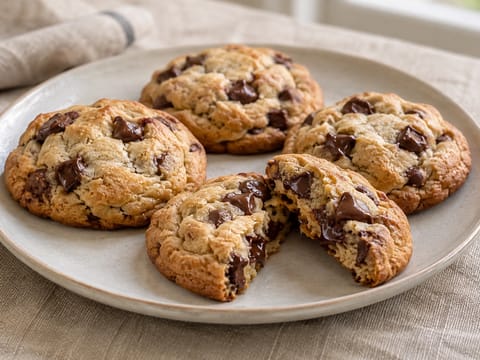
Thick New York-style cookies with dark chocolate chips
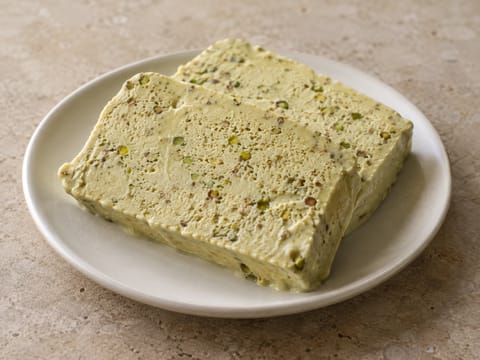
Italian pistachio semifreddo with a soft, sliceable texture
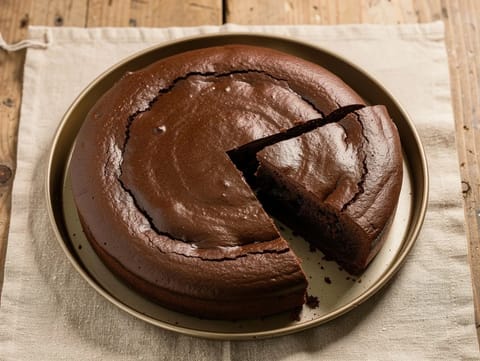
Fudgy flourless chocolate cake with cocoa
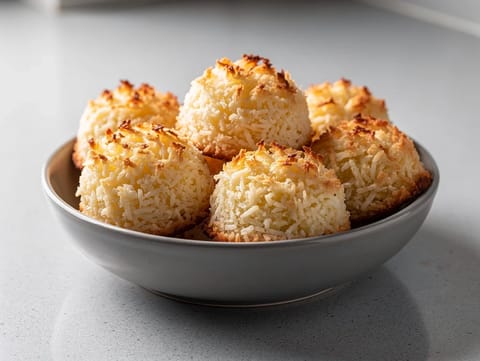
Chewy coconut macaroons baked into small golden mounds
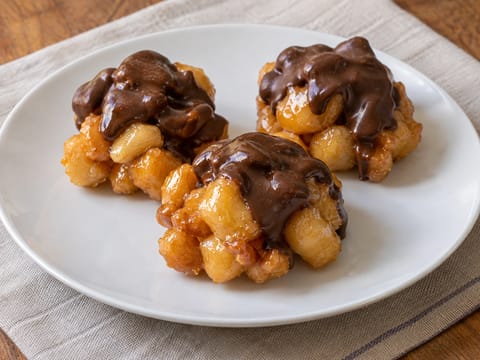
Honey and chocolate coated fried pastry clusters
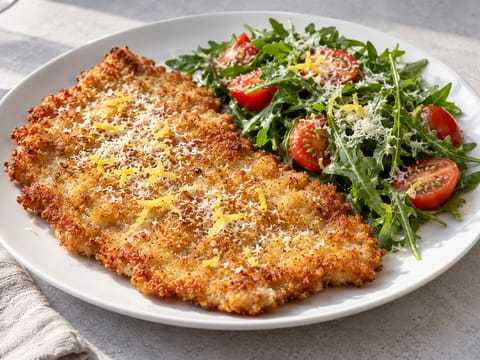
Crisp breadcrumbed veal with rocket and tomato salad
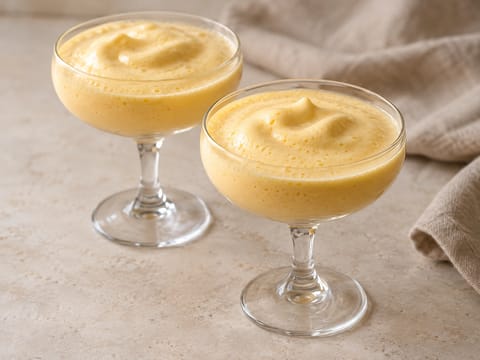
Warm zabaglione custard made with Marsala wine
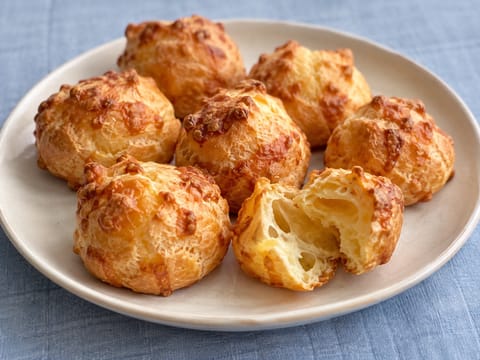
Crisp choux pastry cheese puffs made with Gruyère
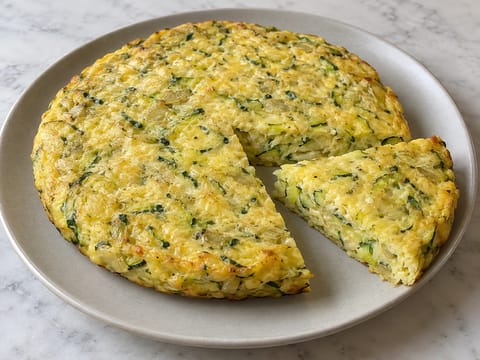
Italian courgette frittata with Parmesan
For binding in baking and fritter-style mixtures, a flax or chia ‘egg’ (seeds mixed with water) can add stickiness, though it also adds a mild seed flavour and a slightly denser texture. Mashed banana or apple purée can bind in sweet bakes, but they bring sweetness and moisture that may not suit every recipe. For emulsified sauces like mayonnaise, it is often simplest to choose an egg-free version rather than trying to retrofit a classic method.
For egg wash, milk, cream or a simple syrup can help with browning or shine, depending on the bake. For custards and curds, starch-thickened alternatives exist, but they will set and eat differently from egg-based versions.
This label is a browsing aid, not a guarantee of suitability. If you avoid eggs, check ingredient lists for egg, egg yolk, egg white, albumen and dried egg. Be cautious with prepared foods where egg is used as a binder or glaze, and with fresh pasta and bakery items where egg may not be obvious. Cross-contact can matter in shared kitchens, particularly where the same utensils are used for batters, glazes and fillings.
Ingredient browsing helps when you are choosing an egg replacement, because you can compare binders and thickeners such as flax, chia or starches and see how they behave in different styles of recipe. Diet categories can also be useful if you are avoiding eggs alongside other requirements, so you can find recipes that fit your overall pattern of eating.
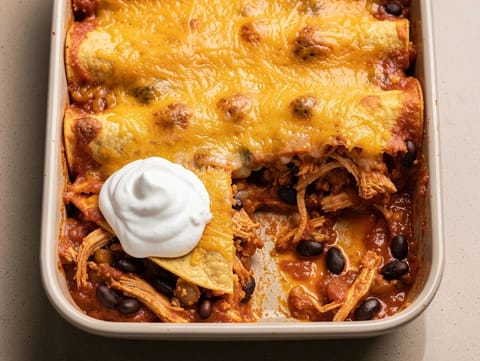
Enchilada casserole with chicken, black beans and melted Cheddar
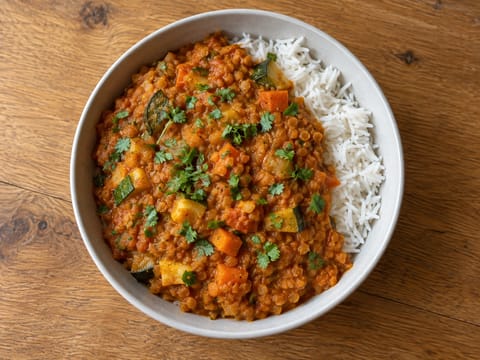
Red lentils with spiced vegetables, finished with coriander and rice
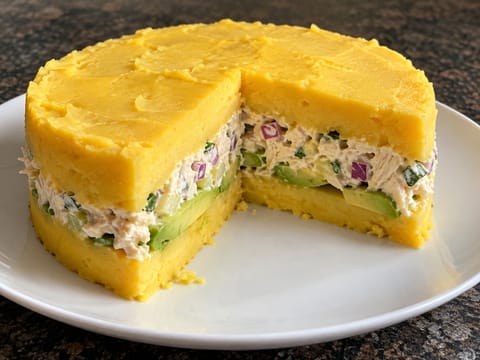
Chilled layered potato dish with chicken, avocado and ají amarillo
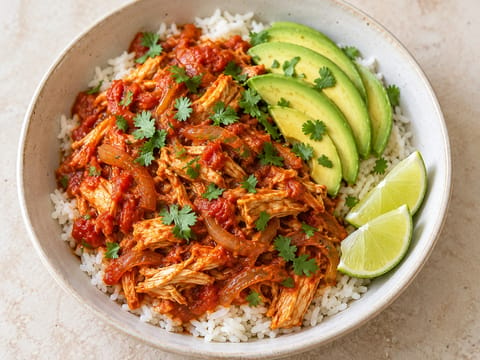
Chicken tinga rice bowl with chipotle tomato sauce and avocado
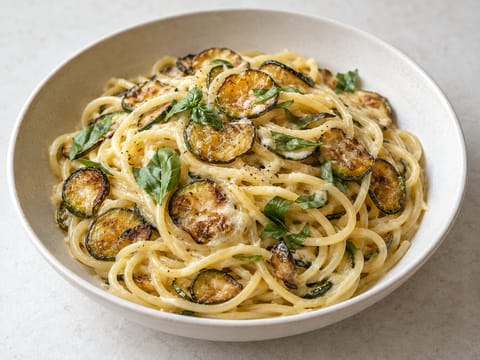
Spaghetti with fried courgettes and melted provolone sauce
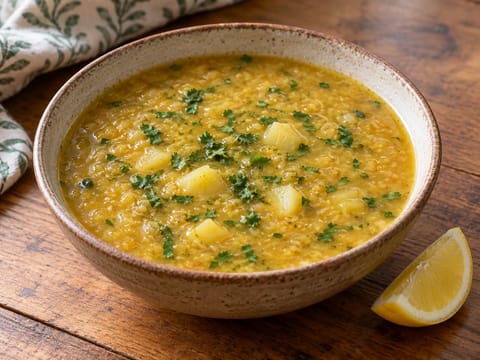
Lebanese red lentil and lemon soup with potato
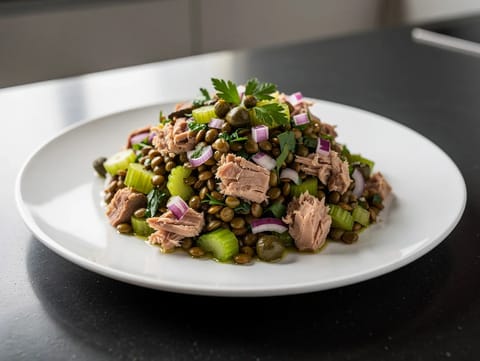
Italian lentil and tuna salad with capers and lemon
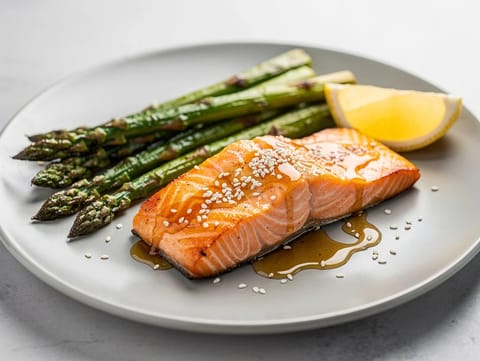
Honey garlic salmon roasted with asparagus
They are different parts of the egg, but both are still egg. If you are avoiding egg for allergy reasons, treat whites, yolks and whole eggs as relevant unless you have specific guidance otherwise.
Albumen is another word for egg white. It may appear in ingredient lists for baked goods, confectionery and some processed foods.
Usually not. Egg wash mainly affects colour and shine. Depending on the bake, milk, cream or a simple syrup can provide a similar finish, though the result will not be identical.
In some cakes, eggs provide both structure and lift. Without them, the batter may not trap air in the same way, leading to a denser crumb or poor rise unless the recipe is designed around different structure-building ingredients.
They work best where the egg’s main job is binding. They are less effective for custards, meringues and recipes that rely on whipped egg for volume.
Mayonnaise and creamy dressings, some pastas and noodles, bakery glazes, and prepared foods where egg is used as a binder. When in doubt, check the ingredient list.
Eggs are not one single function, so substitutions work best when you identify whether you need binding, thickening, lift or a glossy finish. When eggs are central to structure, choosing recipes that are naturally egg-free is often the most reliable route.
