
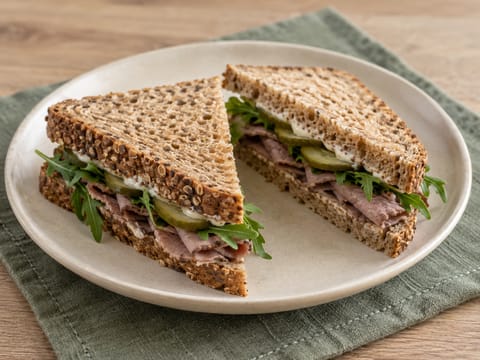
Beef and Horseradish Sandwich on Granary Bread
Roast beef sandwich with horseradish mayonnaise and gherkins
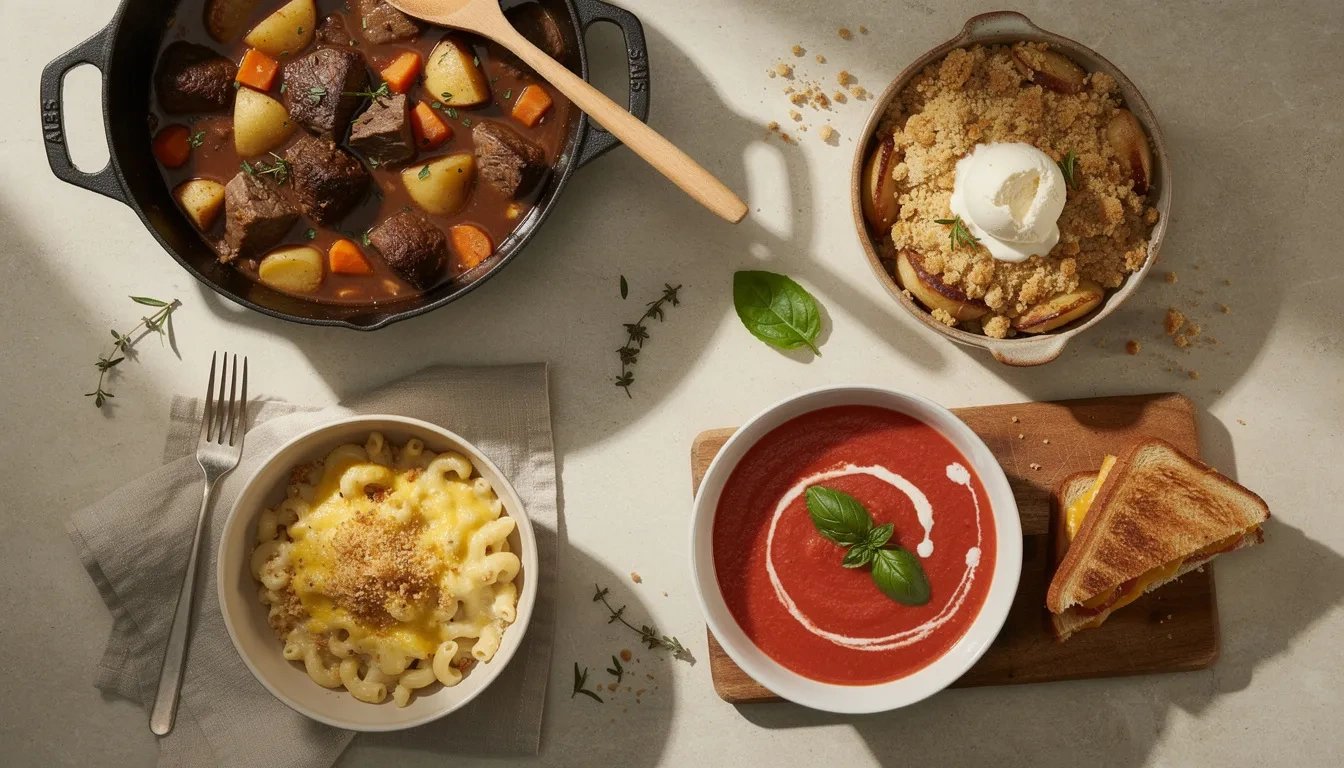
A good lunchbox meal is designed for the journey. It needs to taste good cold or at room temperature, keep its texture for a few hours, and be easy to eat without last-minute assembly. This collection focuses on lunchbox-friendly ideas that suit those practical constraints, from sandwiches and wraps to pasta salads, rice bowls and snack-style boxes. The aim is not just speed, but meals that stay appetising once packed.
Lunchbox meals often fall into a few dependable formats. Sandwiches and wraps work when you manage moisture, keeping wet ingredients away from bread until the last possible moment. Grain and pasta salads are reliable because they hold their structure and can carry bold dressings without wilting. “Snack boxes” lean on variety: a few small items that cover crunch, protein and something fresh.
You will also see leftovers used with intention. Some dishes improve as they sit, as flavours mingle and dressings soak in. Others need a small packing tweak, such as keeping a crunchy topping separate or packing a dip in a lidded pot. The common thread is food that does not rely on being piping hot to feel complete.
Roast beef sandwich with horseradish mayonnaise and gherkins

Tuna melt on sourdough topped with grilled cheddar
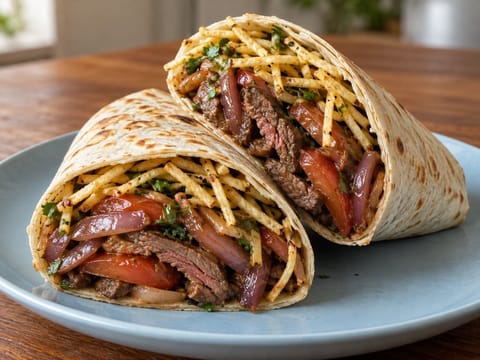
Peruvian beef wrap with onion, tomato and crunchy chips
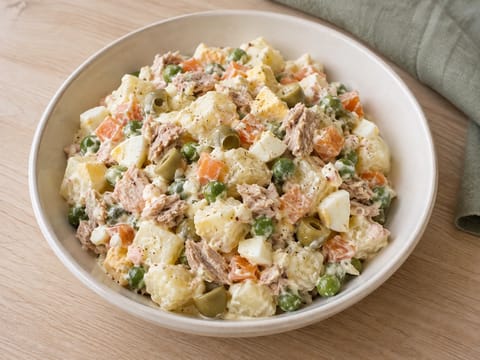
Spanish potato salad with tuna, mayonnaise, eggs and olives

Golden savoury pancakes with ham and melted Emmental
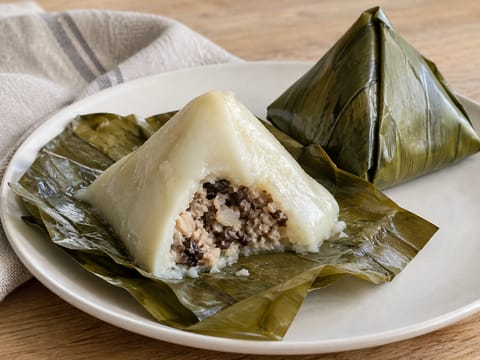
Vietnamese banana leaf dumplings with pork and wood ear mushrooms
If sogginess is the main problem, choose fillings that are naturally drier, or use barriers. Leafy greens, sliced cheese, and spreads can protect bread from juicy tomatoes, pickles or dressed salads. For salads, sturdier leaves and vegetables cope better than delicate ones, and thicker dressings cling rather than pooling.
If you are packing for shared spaces, consider aroma and mess. Strongly scented fish, very garlicky dressings, and saucy noodles can be delicious but less discreet. For sturdiness, think in layers: firm items on the bottom, softer items on top, and anything crunchy kept separate. A lunch that looks intact when opened is more likely to be eaten with pleasure.
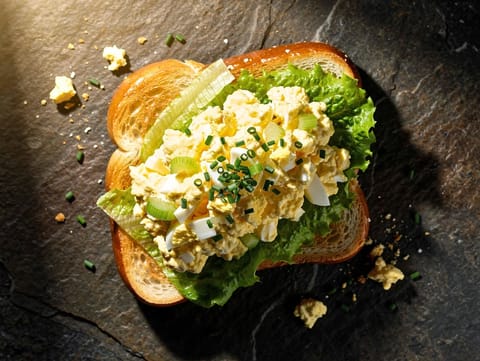
Egg salad on toasted brioche with chives and lettuce
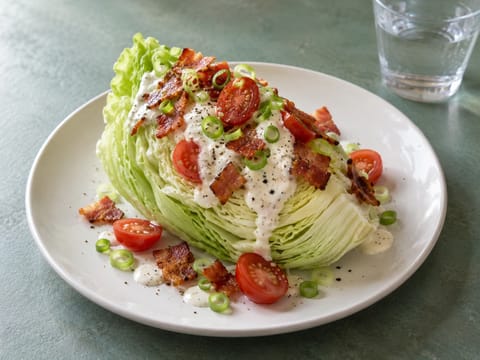
Iceberg wedge with ranch, bacon, tomatoes and spring onions
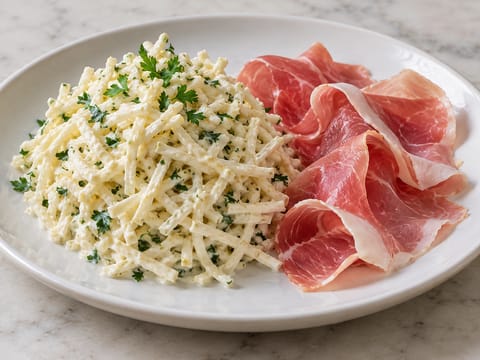
Celeriac rémoulade with mustard and lemon mayonnaise
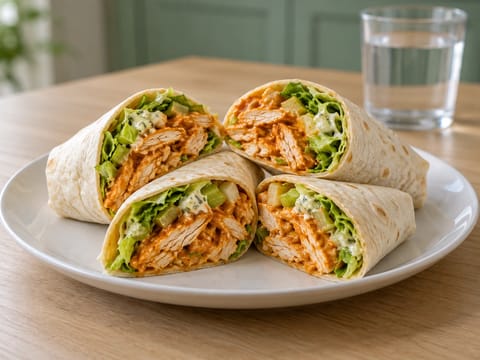
Buffalo chicken wrap with celery, lettuce and blue cheese dressing
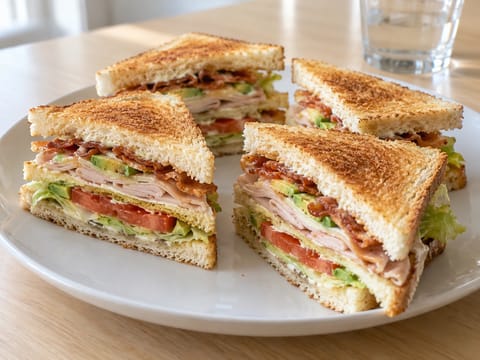
Toasted club sandwich with smoked turkey, avocado and bacon
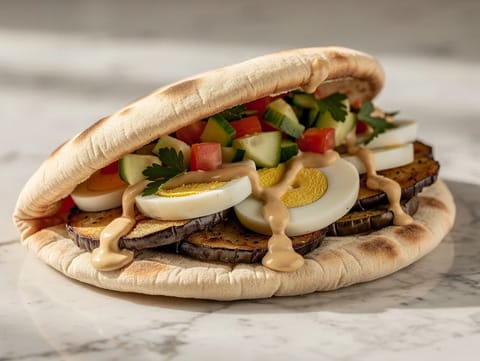
Pita filled with fried aubergine, egg, salad and tahini
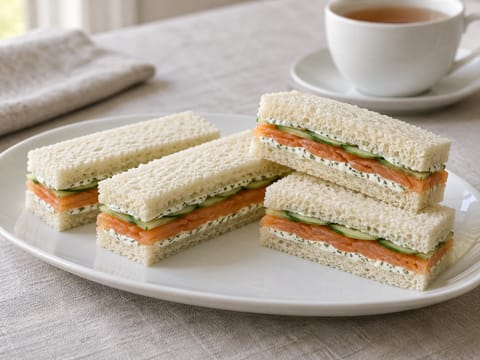
Finger sandwiches with smoked salmon, cucumber and cream cheese

Scotch eggs with sausage meat and mustard mayonnaise dip
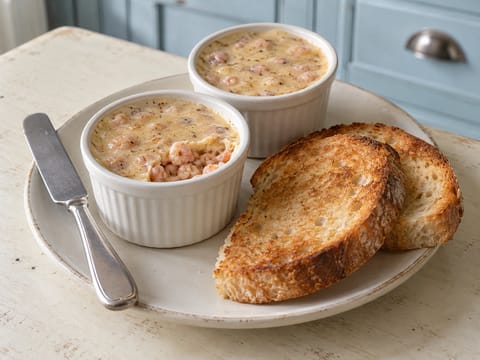
Potted prawns set in brown butter, served with toast
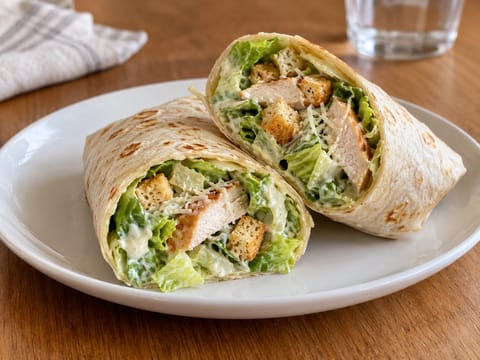
Grilled chicken Caesar wrap with romaine and croutons
A lunchbox is easier to plan when you treat it like a small menu. Start with a main element that provides substance, such as a sandwich, wrap, or a portion of grains or pasta. Then add one fresh, crisp component, such as fruit, raw vegetables, or a simple salad. Finally, include a “finisher” that makes the box feel complete: a dip, a handful of nuts, a small sweet bake, or something pickled for contrast.
If you are packing multiple boxes, repeating the same base and changing the flavour direction can save time. One batch of rice can become different lunches with different dressings, proteins and crunchy toppings packed separately.
Cooking time can help you decide between lunches you can assemble quickly and those that benefit from a little batch cooking. If you are packing to suit a particular way of eating, browsing by Diet can be useful for narrowing options while keeping the lunchbox-friendly formats in mind.
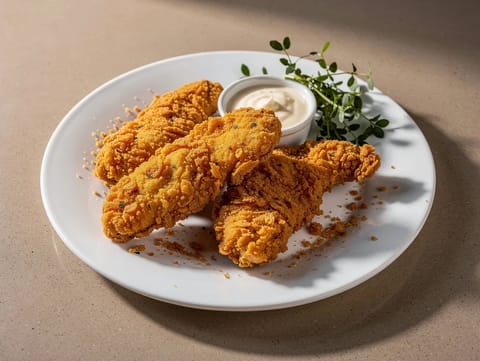
Buttermilk-marinated chicken tenders cooked crisp in the air fryer.
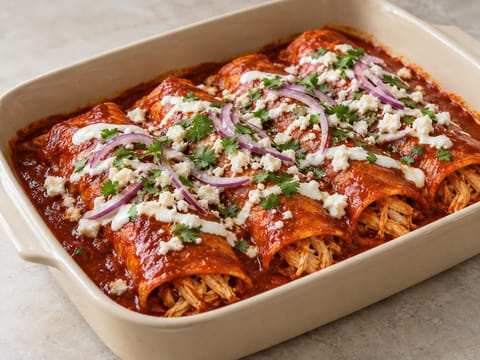
Red chilli chicken enchiladas topped with crema and queso fresco

Whole grilled sea bream with lemon, oregano and garlic
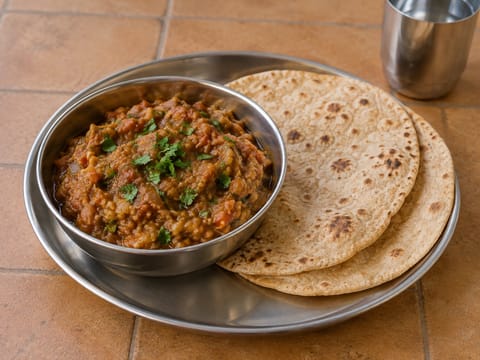
Smoky aubergine bharta served with fresh chapati
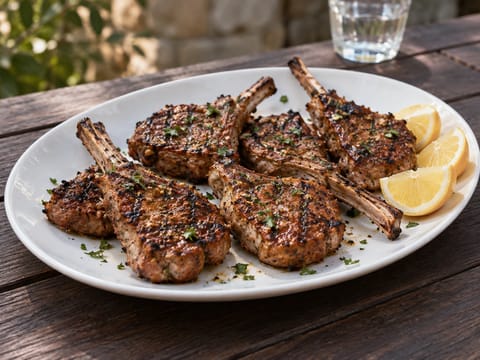
Grilled lamb chops with smoked paprika, lemon and parsley
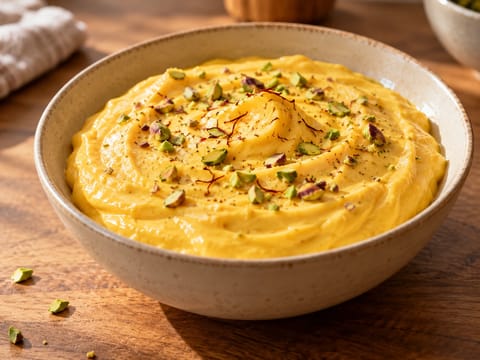
Chilled mango shrikhand made with thick yoghurt and cardamom
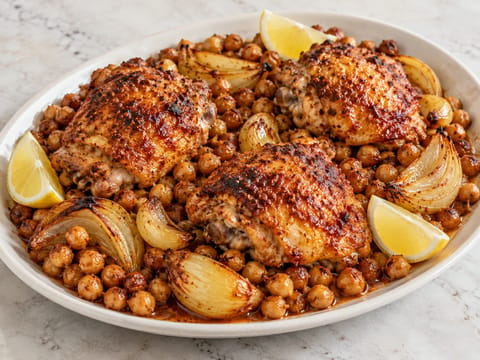
Harissa roasted chicken thighs with chickpeas

Smoked pork simmered with sauerkraut, apple and juniper
It should hold its texture, taste good cold or at room temperature, and be easy to eat without complicated assembly. Managing moisture is often the key.
Keep wet ingredients away from the bread. Use spreads, cheese or leaves as a barrier, and pack juicy items separately when possible.
Yes, especially grain, pasta and bean salads. They hold up well and can carry dressing without collapsing, unlike very delicate leafy salads.
They are lunchboxes built from several small items rather than one main dish, often combining something fresh, something crunchy and a protein element with a dip or spread.
Not always. Some can be assembled in the morning, while others are easier if you batch-cook a base such as grains, roasted vegetables or proteins ahead of time.
Keep the format the same but change the flavour profile. Swap dressings, herbs, spices and crunchy toppings, or rotate between wraps, bowls and salads using similar ingredients.
When you choose meals that travel well and keep wet and crunchy elements under control, lunchboxes become much easier to plan. Start with a sturdy format, then add freshness and a small finishing touch.
